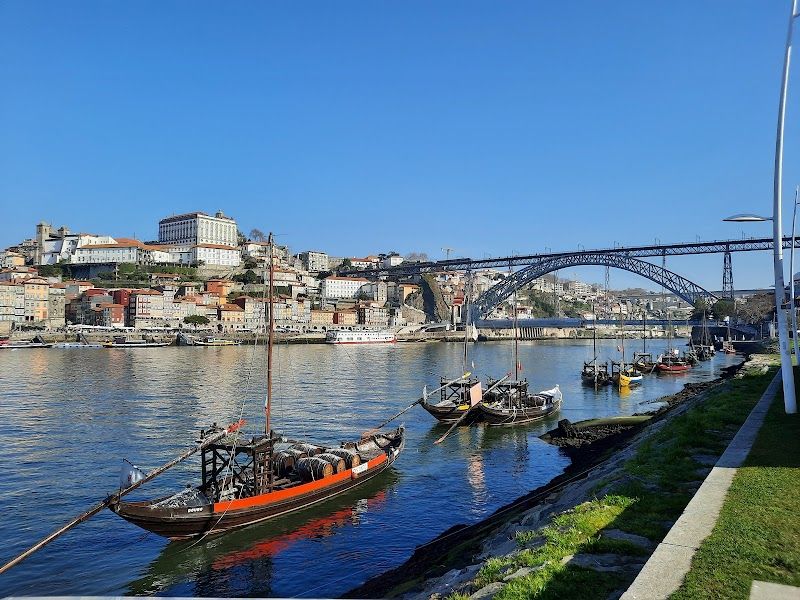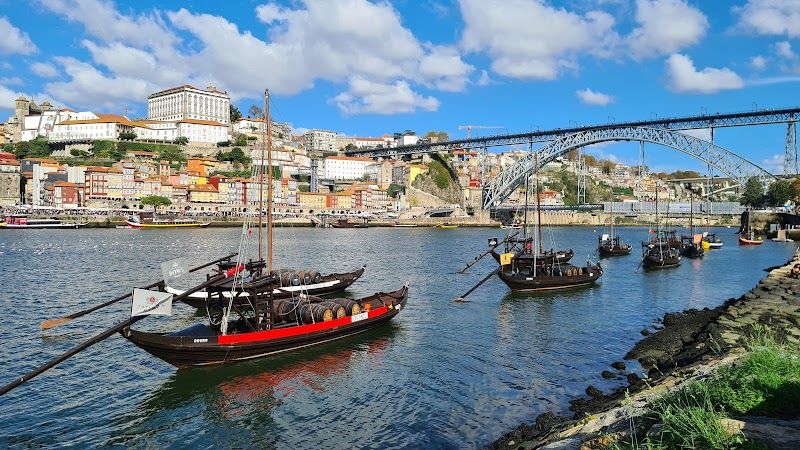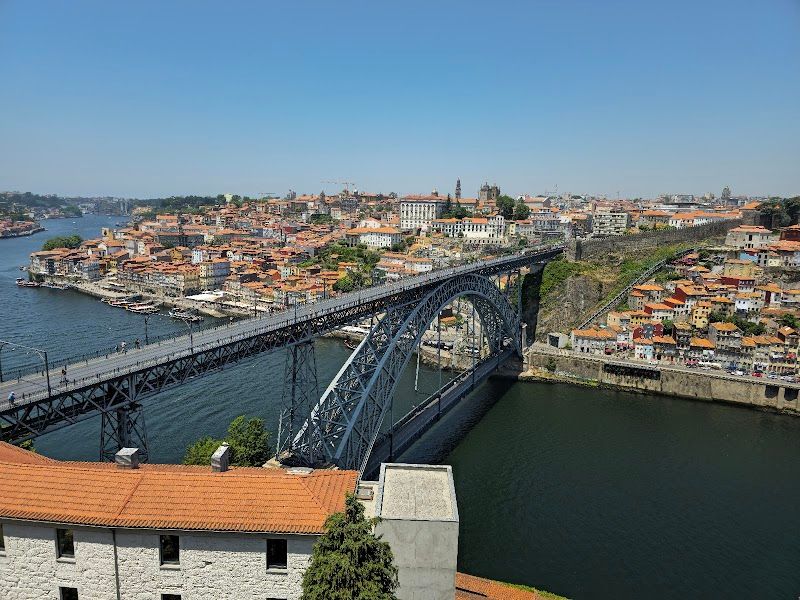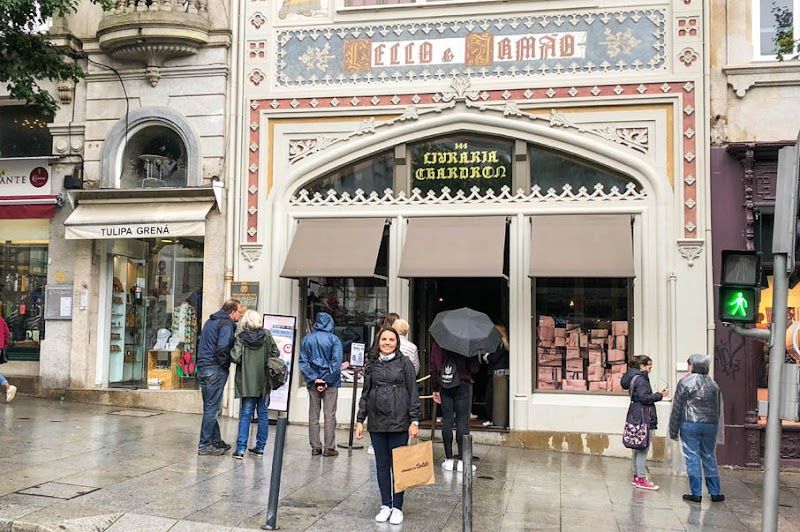
A porto food walking tour isn't just about cramming pastéis de nata into your mouth while walking past tourist traps. It's about understanding why Porto's food culture is built around small tascas where workers grab a bifana and beer for EUR 4, why the francesinha was invented here (and why most places outside Porto get it wrong), and how port wine became the city's liquid gold despite the grapes growing an hour away in the Douro Valley.
The city's food map follows its geography. The Ribeira waterfront serves tourists but also feeds locals - you just need to know which side streets to take. Cedofeita and Bolhão house the city's best markets and neighborhood tascas. Vila Nova de Gaia across the river holds 50+ port wine cellars. The Clerigos area around the university mixes student hangouts with serious restaurants.
Best Food Tour Porto: Organized vs Self-Guided
Organized Porto Culinary Walking Tours
Organized tours solve the language barrier and get you inside places you'd walk past otherwise. Taste Porto Food & Wine Tours runs the most comprehensive route, covering Ribeira's riverside restaurants, a traditional tasca in Cedofeita, and ending with port tastings in Vila Nova de Gaia. Their 4-hour tours cost EUR 65 per person and include 8-10 tastings plus wine.
The group sizes stay under 12 people, which means you actually get to ask questions and hear answers. They book tables at Café Santiago for francesinha (EUR 8-10) and arrange tastings at Sandeman Cellars (normally EUR 15-25). The guides speak English and Portuguese, crucial when explaining why certain restaurants age their ham for 18 months or how to tell a good bifana from a tourist version.
What organized tours get right: Access to kitchens and wine cellars not open to walk-ins. Reservations at busy spots like Cafe Santiago where you'd otherwise wait 45 minutes. Local context about why certain dishes exist and how they evolved.
What they get wrong: Fixed timing means you can't linger at places you love. Routes often skip the grittier tascas where locals actually eat. The pace feels rushed when you're trying to savor a 20-year tawny port.
Porto Self Guided Food Tour: Building Your Own Route
A self-guided approach lets you eat when hungry, skip what doesn't interest you, and discover places tour groups never visit. The trade-off is doing your homework upfront and potentially missing context about what you're eating.
Start with neighborhoods, not individual restaurants. Plan 2-3 food stops per neighborhood and walk between them. This prevents the exhausting march across town that kills many self-guided tours.
Porto Food Map: Neighborhood-by-Neighborhood Breakdown
Ribeira & Downtown: Tourist Central with s
Ribeira feeds more tourists per square meter than anywhere else in Porto, but locals still eat here if you know where to look. The UNESCO-listed waterfront restaurants charge EUR 25-35 for grilled fish, but the back streets hold tascas serving prato do dia (daily specials) for EUR 7-12.
Essential stops: Casa do Livro serves Porto's most traditional bifana (EUR 2) at Rua da Lada 28, unchanged since the 1960s. The bread comes from the same bakery, the pork is sliced thin and grilled with garlic, and locals order it "com tudo" (with everything - lettuce, tomato, and hot sauce). Arrive before 2 PM or after 7 PM to avoid tourist crowds.
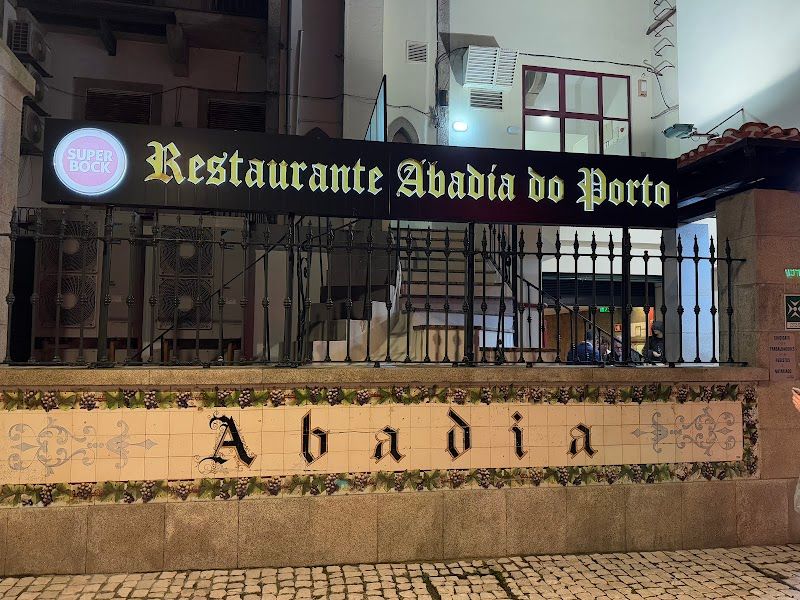
For dinner, Restaurante Abadia do Porto at Rua do Ateneu Comercial do Porto 22 serves francesinha the way Porto natives expect: thick slices of fresh bread, layers of linguiça, roasted meat, and fresh cheese, covered in their secret tomato-beer sauce. EUR 9 gets you the sandwich, EUR 12 adds fries and a beer. The dining room hasn't changed since 1989, and neither has the recipe.
Cedofeita & Bolhão: The Real Food Heart
This is where Porto residents actually shop and eat. Mercado do Bolhão reopened in 2022 after a 3-year renovation, but the vendors selling bacalhau (cod), fresh produce, and regional cheeses have been there for decades. The market runs Monday to Saturday 8 AM to 8 PM.
Market strategy: Visit between 9-11 AM when vendors are setting up and willing to let you taste before buying. Try queijo da serra (mountain cheese) at Queijaria Silva for EUR 15-20 per kilo - they'll vacuum-pack it for travel. The olive vendor near the main entrance sells 6 varieties, all grown within 100km of Porto.
Neighborhood tascas: Tasca do Zequinha at Rua do Rosário 108 serves the city's best caldo verde (kale soup) for EUR 3.50. The soup comes with broa (corn bread) and linguiça, and the recipe hasn't changed since the owner's grandmother opened the place in 1952. Order vinho verde (EUR 2 per glass) from the Minho region to drink with it.
For dinner, head to Taberna Eduardo VII at Rua do Rosário 122. Their grilled octopus (EUR 18) comes from Matosinhos port, grilled over charcoal and served with roasted potatoes and olive oil from the Douro valley. The wine list focuses on Portuguese varietals, with glasses starting at EUR 4.
Vila Nova de Gaia: Port Wine Central
Vila Nova de Gaia exists because of port wine. The British merchants who created the trade in the 1700s built cellars here because the south-facing hillside and river proximity created perfect aging conditions. Today, over 50 cellars offer tours and tastings.
Port wine crash course: Tawny ports are aged in barrels and get their brown color from oxygen contact. Ruby ports are aged in bottles and stay red. Vintage ports come from exceptional years and age 20+ years. A 10-year tawny costs EUR 5-8 per glass, a 20-year costs EUR 12-15.
Best cellars for food pairings: Sandeman offers cheese and chocolate pairings with their ports (EUR 25 for 3 ports + food). Their terrace overlooks the Douro and Dom Luis I Bridge. Graham's does the most educational tastings, explaining why certain ports pair with blue cheese while others complement dark chocolate.
Skip the tourist traps: Avoid the waterfront restaurants with English menus and photos of dishes. Instead, walk 200 meters inland to Taberna Real do Fado at Rua de São Pedro da Afurada 134. Their grilled sardines (EUR 12) come from the Atlantic coast, served with roasted peppers and Portuguese olive oil. The dining room is locals-only at lunch.
Clerigos & University: Student Bites and Serious Restaurants
The area around Clerigos Tower mixes university cafeterias with some of Porto's most ambitious restaurants. Students keep the cheap eats alive, while food-focused visitors support the higher-end places.
Student-approved spots: Café Progresso at Rua de Cedofeita 322 serves bifana and beer for EUR 3.50 total. The sandwich comes on fresh bread with thin-sliced pork and a touch of hot sauce. Students have been ordering this exact combination since the 1980s.
Serious dining: All in Porto at Rua da Galeria de Paris 56 serves modern Portuguese cuisine that respects traditional flavors while updating techniques. Their tasting menu (EUR 85) includes dishes like duck rice with orange and port wine reduction, and grilled octopus with sweet potato purée. Reservations essential.
Essential Food Tasting Porto: What to Actually Eat
Francesinha: Porto's Signature Sandwich
Every city claims signature dishes, but francesinha belongs exclusively to Porto. The sandwich layers roasted meat, linguiça, and fresh sausage between thick bread slices, covers everything in melted cheese, and drowns it in a spicy tomato-beer sauce. Each restaurant guards their sauce recipe.
Where to eat it: Café Santiago invented the modern version in the 1960s. Their francesinha (EUR 9) comes with the original sauce recipe - tomato, beer, brandy, and spices they won't reveal. The sandwich is messy by design; use the fork and knife they provide.
Side Verde at Rua da Picaria 61 serves a lighter version with less sauce and fresher bread (EUR 8). Locals prefer this when they want francesinha but still need to function afterward.
How to eat it: Don't try to pick it up with your hands. Cut pieces with the provided fork and knife, making sure each bite includes bread, meat, cheese, and sauce. Order a beer - the carbonation cuts through the richness.
Bifana: The Working Person's Sandwich
Bifana is thin-sliced pork, grilled with garlic and served on fresh bread. It costs EUR 1.50-3 and takes 3 minutes to make. Workers order it for breakfast, lunch, or as a late-night snack after drinking.
The best version: Casa do Livro at Rua da Lada 28 has served the same bifana since the 1960s. The pork marinates overnight in white wine and garlic, gets grilled to order, and goes on bread from the bakery next door. Order "com tudo" to get lettuce, tomato, and hot sauce.
Pastéis de Nata: Beyond the Tourist Version
Every bakery sells pastéis de nata, but most serve mediocre versions made from frozen shells. The best ones make pastry daily and control the custard temperature precisely.
Real deal locations: Confeitaria do Bolhão at Rua Formosa 339 makes pastéis fresh every 2 hours. The custard stays creamy, not rubbery, and the pastry shatters when you bite it. EUR 1.20 each, or EUR 6 for a box of 6.
Port Wine: More Than Tourist Juice
Port wine ranges from EUR 3 grocery store bottles to EUR 500 vintage reserves. Most visitors only try the sweet versions served as digestifs, missing the dry styles that pair with food.
What to taste: Start with a 10-year tawny (EUR 5-8 per glass) - it's sweet but balanced, with nutty flavors from barrel aging. Try ruby port (EUR 4-6) with dark chocolate. Advanced drinkers should taste vintage port (EUR 15-25 per glass) - it's drier and more complex.
Building Your Porto Culinary Walking Tour Route
Half-Day Route: Ribeira to Gaia (4 hours)
Morning (10 AM): Start at São Bento Railway Station for coffee and pastel de nata at the station cafe (EUR 3.50 total). Walk 5 minutes to Casa do Livro for bifana (EUR 2).
Late morning (11:30 AM): Walk through Ribeira to the waterfront, then cross Dom Luis I Bridge upper level to Vila Nova de Gaia. The walk takes 15 minutes and provides river views.
Lunch (12:30 PM): Port wine tasting at Sandeman Cellars (EUR 15-25). Their basic tasting includes 3 ports plus cheese and crackers.
Afternoon (2 PM): Walk back across the bridge lower level (10 minutes) and have francesinha lunch at Café Santiago (EUR 9 plus beer EUR 2.50).
Total cost: EUR 32-42 per person including transport if needed.
Full-Day Route: All Four Neighborhoods (7 hours)
Morning start (9 AM): Mercado do Bolhão for market breakfast - fresh juice, bread, and cheese samples (EUR 8-10). Buy regional products to take home.
Mid-morning (10:30 AM): Walk to Cedofeita for caldo verde at Tasca do Zequinha (EUR 3.50). Continue to Clerigos area.
Late morning (11:30 AM): Coffee break at Café Majestic (EUR 4 for coffee and pastry). Tourist prices but worth seeing the Art Nouveau interior.
Lunch (1 PM): Francesinha at Café Santiago (EUR 9) or bifana at Casa do Livro (EUR 2) depending on appetite.
Afternoon (3 PM): Cross to Vila Nova de Gaia for port wine tastings. Visit 2-3 cellars, spending EUR 15-25 total.
Late afternoon (5 PM): Return to Ribeira for dinner at Restaurante Abadia do Porto. Grilled fish or meat dishes EUR 15-20.
Evening (7 PM): End with digestif port at a riverside bar EUR 5-8).
Total cost: EUR 60-85 per person including all food, drinks, and tastings.
Practical Details for Your Porto Food Walking Tour
Timing and Logistics
Best times: Portuguese lunch runs 12 PM-3 PM, dinner starts 7 PM. Many tascas close between 3-7 PM. Markets operate Monday-Saturday 8 AM-8 PM, closed Sundays.
Walking distances: Central Porto covers about 2km north-south, 1.5km east-west. Walking from Mercado do Bolhão to Vila Nova de Gaia takes 25 minutes including bridge crossing. Wear comfortable shoes - Porto's hills and cobblestones punish fashion footwear.
Language: "Uma bifana, por favor" (one bifana, please). "A conta, por favor" (the check, please). "Onde fica...?" (Where is...?). Most servers speak basic English, but effort with Portuguese gets better service.
Budget Breakdown
Budget version (EUR 25-35 per day): Market breakfast, bifana lunch, tasca dinner, one port tasting. Skip organized tours and expensive restaurants.
Mid-range (EUR 50-70 per day): Add francesinha, better restaurants, multiple port tastings, coffee at historic cafes.
Splurge version (EUR 100+ per day): Organized food tour, dinner at top restaurants, premium port tastings, wine with every meal.
What to Avoid
Tourist trap indicators: English-only menus, photos of dishes, restaurants with touts outside, anywhere serving "traditional Portuguese cuisine" in multiple languages. If tour groups eat there regularly, locals probably don't.
Timing mistakes: Trying to eat lunch at 11 AM or dinner at 6 PM. Portuguese meal times are non-negotiable. Arriving at popular spots during peak hours without reservations.
Cultural missteps: Asking for modifications to traditional dishes. Complaining about slow service - meals are social events in Portugal. Drinking port wine like shots instead of sipping slowly.
The best porto food walking tour combines planned stops with spontaneous discoveries. Book tables at must-visit places like Café Santiago, but leave time to wander and follow your nose. The city's food culture rewards curiosity over rigid itineraries, and the locals will always point you toward better places than the guidebooks suggest.
For more context on Portuguese dining culture and regional specialties, check out our comprehensive Porto food guide. If you're planning a longer stay, our 2-3 days Porto itinerary includes restaurant recommendations for each day.