The Berlin vs Prague debate splits first-time European visitors down the middle, and for good reason. These two Central European capitals couldn't be more different in personality, yet both deliver experiences that stick with you long after the flight home.
Berlin is the city that refused to stay finished. Three decades after reunification, cranes still dot the skyline and entire neighborhoods reinvent themselves every few years. Prague, meanwhile, feels like someone preserved a medieval fairy tale in amber, then added beer halls and jazz clubs for good measure.
The choice between them comes down to what kind of traveler you are and what you want from your European adventure. Let's break down exactly what each city offers, how much it costs, and which one deserves your time and money.
Prague vs Berlin Cost: Your Money Goes Further in Prague
Prague wins the budget battle decisively. Your money stretches about 30-40% further than in Berlin, making it the obvious choice for travelers watching their euros.
In Prague, you'll find hostel beds for EUR 15-25 per night compared to Berlin's EUR 18-35. A proper Czech meal with beer runs EUR 8-15, while Berlin's equivalent costs EUR 15-25. Even Prague's famous half-liter beers cost just EUR 2-4 in local pubs, compared to Berlin's EUR 4.5-7.
| Category | Prague Average | Berlin Average |
|---|---|---|
| Hostel bed | EUR 15-25 | EUR 18-35 |
| Mid-range hotel | EUR 60-110 | EUR 90-150 |
| Traditional meal + drink | EUR 8-15 | EUR 15-25 |
| Beer (0.5L) | EUR 2-4 | EUR 4.5-7 |
| Museum entry | EUR 5-12 | EUR 9-17 |
| Public transport day pass | EUR 5.50 | EUR 8.8 |
Berlin's higher costs come with some advantages. The public transport system covers more ground efficiently, museums often include English audio guides as standard, and the food scene offers more international variety. But if you're traveling on a tight budget, Prague delivers more bang for your buck.
The Prague vs Berlin cost difference becomes most apparent in accommodation. Prague's Old Town and Lesser Town offer atmospheric hotels in historic buildings for what you'd pay for a basic business hotel in Berlin's outer districts.
Berlin Prague Distance: Closer Than You Think
The 280-kilometer distance between Berlin and Prague makes combining both cities remarkably easy. Direct trains run multiple times daily, taking exactly 4 hours and 30 minutes. Deutsche Bahn and Czech Railways both offer advance purchase tickets starting around EUR 19, making this one of Europe's best city-hopping bargains.
Flights between the cities take just over an hour but cost more when you factor in airport transfers. Buses run for as little as EUR 15 but take 5-7 hours depending on border crossings.
Many travelers successfully visit both cities in a week-long trip. Spend 3 nights in one city, travel mid-week when train tickets are cheaper, then finish with 3-4 nights in the second city. This approach works particularly well because the cities complement each other: Prague for fairy-tale architecture and beer culture, Berlin for modern history and nightlife.
Which is Better Prague or Berlin: It Depends What You Want
Choose Prague If You Want:
Architectural eye candy that requires zero historical context. Prague Castle looming over red-tiled rooftops, the Charles Bridge at sunrise, and the Astronomical Clock's hourly performance create Instagram moments without needing to understand centuries of Bohemian history.
The world's best beer culture. Czech beer halls like U Fleků (brewing since 1499) and U Zlatého tygra serve pilsner so fresh it was probably brewed in the basement. Beer gardens along the Vltava River offer half-liter pours for less than a coffee costs in most European capitals.
Compact, walkable sightseeing. Prague's entire historic center fits within a 2-kilometer radius. You can see the castle, cross the famous bridge, explore the Jewish Quarter, and end up in Wenceslas Square all on foot within a single morning.
Classical music in authentic venues. The city that inspired Mozart still hosts concerts in baroque churches and art nouveau concert halls. Tickets for performances at the Rudolfinum or Municipal House start around EUR 20.
Choose Berlin If You Want:
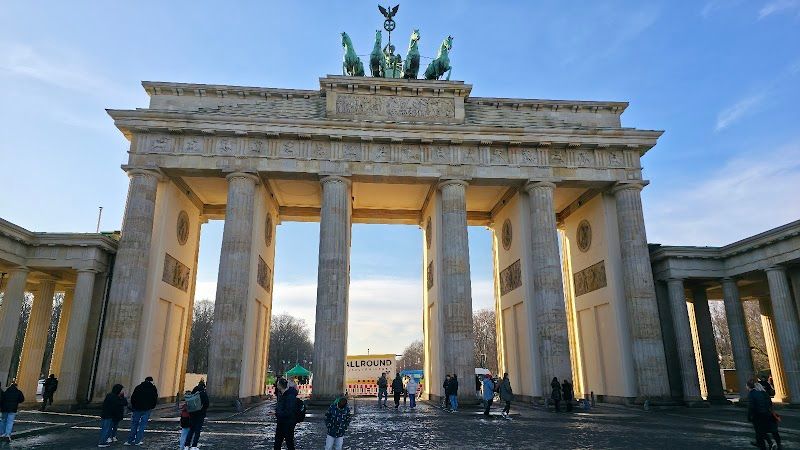
History you can touch, not just observe. Walking through the Brandenburg Gate means following the footsteps of Napoleon, Hitler, and JFK. The East Side Gallery lets you run your hands along original Wall sections covered in murals about freedom and oppression.
A food scene that goes beyond sausages. Berlin's international population created a dining landscape that spans Vietnamese pho in Kreuzberg, Turkish döner that originated here, and Michelin-starred restaurants reinterpreting German classics.
Nightlife that operates by its own rules. Berlin clubs like Berghain and Watergate don't even open until midnight Saturday and keep going until Monday afternoon. Smaller venues in former East Berlin squats serve natural wine and host DJ sets that feel more like house parties.
Neighborhoods with distinct personalities. Prenzlauer Berg offers renovated pre-war buildings and family-friendly cafés. Neukölln delivers cutting-edge galleries and late-night bars. Each area feels like a different city.
Berlin Prague Itinerary: Making the Most of Both Cities
A 7-day Berlin Prague itinerary works best when you understand each city's rhythm. Prague rewards early morning exploration when tourist crowds thin out, while Berlin comes alive after dark.
Days 1-3: Prague
Start with Prague because it's more manageable. Spend your first morning at Prague Castle before 9 AM to avoid tour groups. The complex opens at 6 AM, and you'll have the courtyards mostly to yourself until the first buses arrive.
Dedicate afternoon two to the Jewish Quarter. The Old Jewish Cemetery and synagogues tell stories that connect Prague's medieval past to 20th-century tragedy. Entry costs EUR 14 for all sites.
End each Prague day in a traditional beer hall. U Fleku serves dark beer brewed on-site since 1499, while Lokál offers the freshest Pilsner Urquell in the city. Both represent authentic Czech drinking culture without tourist markup.
Days 4-7: Berlin
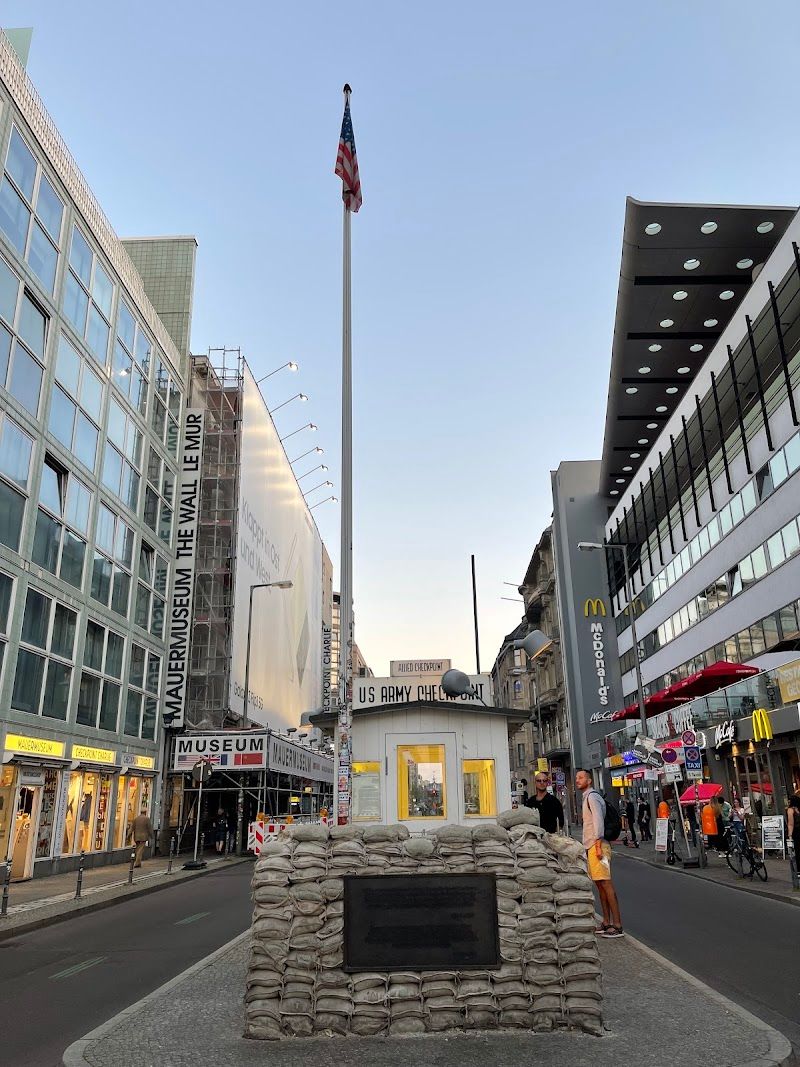
Take the morning train to Berlin and spend your first afternoon in Mitte. The central district puts you within walking distance of the Holocaust Memorial and Checkpoint Charlie.
Use day five for Museum Island. The EUR 24 day pass covers all five museums, but realistically you'll only manage 2-3 properly. The Pergamon and Neues Museum (home to the Nefertiti bust) deserve full attention.
Explore different neighborhoods on your remaining days. Our 5-day Berlin itinerary covers the essential districts, but spending a full afternoon just in Kreuzberg or Friedrichshain reveals Berlin's neighborhood-by-neighborhood character.
Practical Considerations: Prague or Berlin for Different Travelers
Berlin vs Prague for First-Time Europe Visitors
Prague works better for European newcomers. The city center's compact size means you won't get lost, English signage appears everywhere tourist-focused, and the currency (Czech koruna) makes prices feel like bargains when compared to euro-zone cities.
Berlin demands more preparation. The city sprawls across former East and West sectors, public transport requires understanding zone systems, and many authentic experiences happen in neighborhoods that don't cater specifically to visitors.
Winter Travel Considerations
Prague handles winter better aesthetically. Snow-covered red rooftops and Christmas markets create postcard scenes from December through February. Indoor attractions like Prague Castle and the Jewish Quarter provide warm refuges during cold snaps.
Berlin's winter appeal lies in cultural offerings. Museum Island stays equally compelling whether it's sunny or snowing, and the city's famous nightlife actually peaks during darker months when everyone seeks indoor entertainment.
Language and Navigation
English works fine in both cities, but Prague feels more tourist-friendly. Restaurant menus routinely include English translations, and most hotel staff speak multiple languages fluently.
Berlin's international character means English works in trendy neighborhoods and major attractions, but venturing into authentic local spots often requires basic German phrases or translation apps.
Food and Drink: Two Different Approaches to European Dining
Prague's Traditional Focus
Czech cuisine centers on hearty portions and beer pairings. Goulash, schnitzel, and roasted duck appear on most traditional menus, accompanied by dumplings and sauerkraut. Restaurants like Lokál and U Fleku serve authentic versions without tourist modifications.
Beer culture in Prague operates as a social institution. Czechs consume more beer per capita than any other nation, and pub etiquette includes specific rules about toasting and table sharing. A proper Czech meal includes at least one beer, and many locals consider lunch without beer incomplete.
Berlin's International Diversity
Berlin's food scene reflects its international population. Turkish immigrants created the döner kebab served throughout Germany. Vietnamese boat people established pho restaurants that rival anything in Hanoi. Recent tech industry growth brought artisanal everything, from sourdough bakeries to natural wine bars.
Where to eat in Berlin varies dramatically by neighborhood. Kreuzberg offers authentic Middle Eastern and Turkish food, while Prenzlauer Berg specializes in organic, family-friendly options.
Berlin's beer culture emphasizes variety over tradition. Craft breweries throughout the city experiment with IPAs, sours, and seasonal specials alongside traditional German styles. Beer gardens like Prater in Prenzlauer Berg serve both classic märzen and innovative newcomers.
Transportation and Getting Around
Prague's Walkable Advantage
Prague's historic center fits within a comfortable walking radius. Most visitors never need public transport beyond airport transfers. The city's efficient tram system costs EUR 5.50 for day passes, but walking between major attractions often takes less time than waiting for connections.
Prague's cobblestone streets create challenges for wheeled luggage, and some areas like the castle district involve significant uphill walking. Comfortable walking shoes matter more than transport planning.
Berlin's Public Transport Mastery
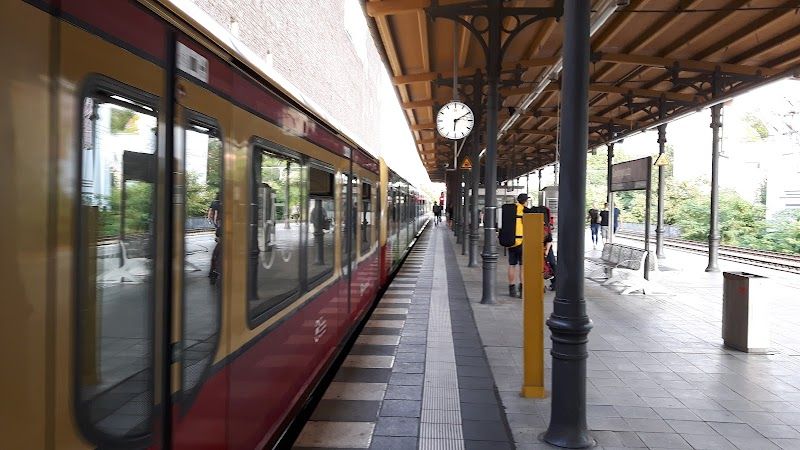
Berlin's transport system covers the sprawling city efficiently through U-Bahn (subway), S-Bahn (regional rail), buses, and trams. The EUR 8.8 day pass for zones A-B covers all central attractions and most neighborhoods visitors want to explore.
Understanding Berlin's transport zones saves money and confusion. Zone A covers the city center, Zone B extends to most neighborhoods, and Zone C includes the airports. Most visitors never need Zone C except for airport transfers.
Berlin rewards transport planning because authentic experiences often happen in outer neighborhoods. The best Turkish food exists in Kreuzberg, cutting-edge galleries cluster in Neukölln, and legendary nightclubs operate in former industrial areas accessible only by late-night U-Bahn.
Museums and Culture: Different Approaches to European History
Prague's Preserved Medieval Character
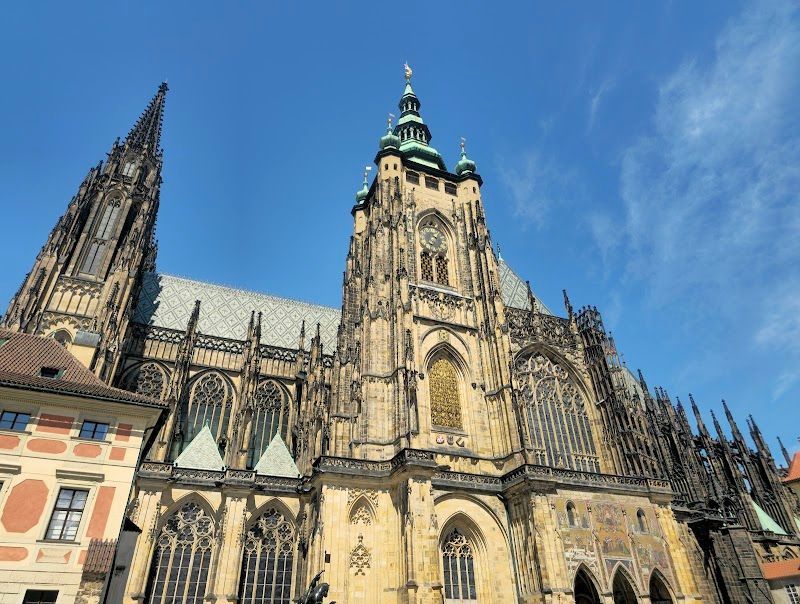
Prague Castle complex alone requires half a day to explore properly. The gothic St. Vitus Cathedral, Old Royal Palace, and castle gardens tell centuries of Bohemian royal history. Entry costs EUR 12 for the full circuit.
Prague's Jewish Quarter preserves Europe's oldest synagogues and cemetery. The Old Jewish Cemetery contains 12,000 graves stacked in layers due to space constraints. Combined tickets covering all synagogues and the cemetery cost EUR 14.
The Astronomical Clock in Old Town Square performs hourly shows that draw crowds, but the real attraction is climbing the tower for city views. Entry costs EUR 8 and provides better photography opportunities than the castle.
Berlin's Raw Historical Confrontation
Berlin presents history without sugar-coating. The Topography of Terror sits on the former Gestapo headquarters site and documents Nazi crimes through photographs and documents. Entry is free, making it accessible to all visitors.
Museum Island represents one of Europe's greatest cultural concentrations. The EUR 24 day pass covers the Pergamon Museum (ancient architecture), Neues Museum (Egyptian artifacts including Nefertiti), and three additional collections.
Berlin's approach to difficult history sets it apart from other European capitals. The Holocaust Memorial consists of 2,711 concrete blocks creating a maze-like memorial experience. The adjacent information center provides historical context through survivor testimonies and documentary evidence.
The Verdict: Prague for Beauty, Berlin for Substance
Choose Prague if you want a European city that looks exactly like the photos. The architecture, beer culture, and compact walkability deliver a storybook European experience without requiring deep historical knowledge or complex planning.
Choose Berlin if you want a European city that changes you. The raw history, diverse neighborhoods, and constantly evolving character provide experiences that stick with you long after returning home.
For first-time visitors to Central Europe, Prague offers the easier introduction. The city rewards casual exploration and provides classic European experiences at budget-friendly prices. Berlin demands more engagement but rewards curious travelers with experiences available nowhere else in Europe.
The best answer might be visiting both. The Berlin Prague distance of just 4.5 hours by train makes combining both cities feasible in a week-long trip. Start in Prague for fairy-tale architecture and beer, then move to Berlin for history that changed the world and nightlife that redefines what cities can be after dark.
If you can only choose one, let your travel style decide. Prague suits travelers who want beautiful photos, excellent beer, and straightforward sightseeing. Berlin appeals to travelers who want authentic neighborhoods, complex history, and experiences that challenge their understanding of European culture.