Bologna has a problem with food tours, and it's not what you think. The city that invented ragù, tortellini, and mortadella has been flooded with tours that take you to the same five "traditional" restaurants that charge double what locals pay. A real bologna food tour should introduce you to the vendors at Quadrilatero Food Market, the family-run shops that have been slicing mortadella since 1920, and the osterie where university students actually eat.
After testing eight different food tour operators over six months, here's which ones actually deliver on showing you authentic Bologna food spots, and which ones you should skip entirely.
Walking Food Tours vs Market Tours: What Works Better in Bologna
Bologna's compact historic center makes it walking food tours, but the format matters enormously. The city's UNESCO-listed porticoes connect every neighborhood, which means good tours can cover serious ground without wearing you out. Bad tours use this as an excuse to drag you past 20 restaurants while only stopping at three.
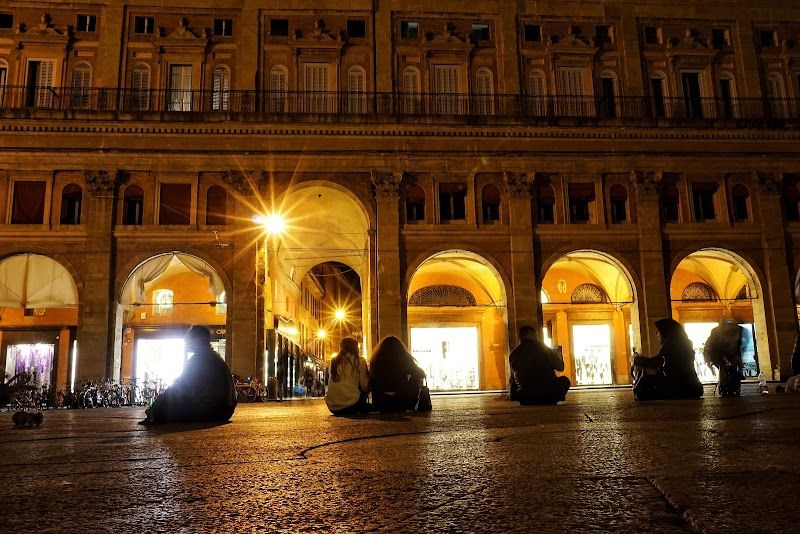
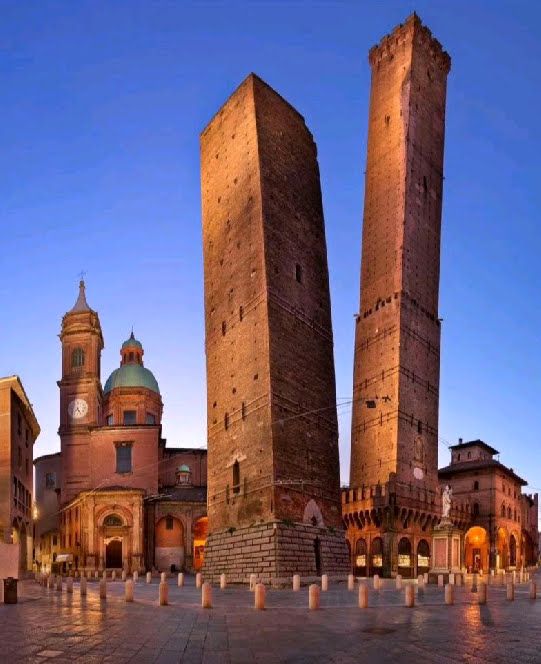
Walking tours that work focus on the Quadrilatero district between Piazza Maggiore and the Two Towers. This medieval quarter contains Bologna's original food market streets: Via Drapperie, Via degli Orefici, Via Caprarie, and Via della Pescherria. These streets were literally named after the trades practiced there (drapers, goldsmiths, goat sellers, fish sellers), and many shops maintain those traditions today.
Market-focused tours spend significant time at Mercato delle Erbe and the Quadrilatero street vendors. These work better for understanding how Bolognese actually shop for food, but they're heavily dependent on timing. Saturday mornings are prime time, while Tuesday afternoons can feel dead.
Evening tours that hit aperitivo spots and traditional osterie give you the most authentic local experience, but they're harder to find and typically more expensive.
The Tour Format That Actually Works
The most successful Bologna food tours follow a specific rhythm: market browsing for 45 minutes, one substantial sit-down meal, and 2-3 quick tastings at specialty shops. Tours that promise "8 stops" usually mean you're getting tiny samples at overpriced tourist spots.
Best Bologna Food Tours by Category
For First-Time Visitors: Taste Bologna Walking Tour
Price: EUR 65 for 3 hours
Group size: Maximum 14 people
Route: Quadrilatero → Via del Pratello → Santo Stefano area
This tour hits the essential spots without overwhelming beginners. They start at Paolo Atti & Figli, the 1868 bakery where you'll taste real tortellini in brodo (not the tourist version with heavy sauce). The guide explains why tortellini are served in clear broth in Bologna but with cream sauce elsewhere in Italy.
The standout stop is Salumeria Simoni on Via Drapperie, where owner Marco Simoni slices mortadella paper-thin and explains the difference between industrial and artisanal versions. You'll taste both side-by-side, and the difference is shocking. The tour includes a full lunch at Trattoria del Tribunale, not the tourist-trap version but the actual local spot on Via de' Chiari.
What makes it work: They limit group size and book restaurants that don't normally take tour groups. The guide ratio is 1:8 maximum.
Skip if: You're vegetarian (they accommodate but it becomes awkward) or you're already familiar with Italian food markets.
For Market Lovers: Quadrilatero Food Experience
Price: EUR 45 for 2.5 hours
Group size: Maximum 8 people
Focus: Street vendors and market shopping
This tour spends 90% of its time in the actual Quadrilatero food market area, not just walking past the shops. You'll learn to identify real Parmigiano-Reggiano by the pin-dot markings, taste three different ages of the cheese, and understand why Bologna's version of ragù uses only specific cuts of meat.
The highlight is 30 minutes at Mercato delle Erbe, Bologna's covered market from 1910. Guide Francesca knows every vendor personally and gets you behind-the-scenes access to see how they prepare fresh pasta, select vegetables, and age cheeses. You'll taste mortadella at three different shops and learn why Bologna's version tastes nothing like what you get elsewhere.
Best feature: They time the tour for peak market hours (Saturday 10 AM start) and include a printed guide to shopping the markets independently later.
Warning: This is 2.5 hours of mostly standing and walking on cobblestones. Wear comfortable shoes.
For Serious Food People: Bologna Food Academy Tour
Price: EUR 85 for 4 hours
Group size: Maximum 6 people
Level: Advanced (assumes food knowledge)
This tour is designed for people who already know Italian food basics and want to understand Bologna's specific contributions. They start at Sfoglia Rina, where you watch sfogline (pasta makers) roll tagliatelle by hand and learn why Bologna's pasta is different from other regions.
The tour includes a cooking segment where you make tortellini from scratch (20 minutes of actual cooking, not demonstration). They explain the three-finger rule for tortellini size and why the filling uses only mortadella, prosciutto, and Parmigiano-Reggiano, nothing else.
Lunch is at Osteria del Sole, the 1465 tavern where you bring your own food and they provide wine and atmosphere. The tour provides the food (purchased from Quadrilatero vendors), and you eat alongside locals doing the same thing.
Why it's worth EUR 85: The cooking component, the small group size, and access to Osteria del Sole (which normally doesn't do tours).
Not for: Casual food tourists or anyone looking for Instagram moments rather than education.
Tours to Avoid and Why
The "Bologna Food Gallery" Tour (Multiple Operators)
Several companies run variations of this tour, which promises "8 food stops in 3 hours." The math doesn't work. You spend 10 minutes at each stop, mostly listening to generic Italian food history while guides rush you past actual local spots.
These tours typically cost EUR 55-70 and hit the same circuit: Tamburini (expensive gourmet shop), Majani chocolate (tourist prices), and three restaurants that charge tour-group premiums. The "traditional balsamic tasting" is industrial balsamic, not the aged stuff.
Red flags: Groups larger than 15 people, promises of "8+ stops," guides who don't speak fluent Italian with vendors.
The "Secret Bologna Food Tour"
Marketed heavily on Reddit and Instagram, this tour promises "hidden local spots" but actually hits well-known tourist restaurants. The EUR 75 price includes stops at Osteria del Sole (not secret), Mercato delle Erbe (definitely not secret), and three restaurants that offer "special tour menus" (aka tourist menus).
The portions are tiny, the "secret" mortadella comes from Tamburini (the most touristy shop in Bologna), and the guide rushes through explanations to keep on schedule.
Large Group Bus Tours
Any food tour that uses transportation between stops misses the point of Bologna entirely. The city's historic center spans 2 square kilometers, and food culture is about neighborhood walking. Bus tours that promise "5 districts in 4 hours" spend more time boarding and getting off vehicles than actually experiencing food.
What to Look For in a Quality Bologna Food Tour
Guide Qualifications That Matter
Good signs: Guides who are certified sommelier, speak fluent Italian with vendors, and have worked in Bologna restaurants. They should know the difference between Emilia-Romagna wine regions and be able to explain why Sangiovese tastes different here than in Tuscany.
Warning signs: Guides reading from scripts, anyone who calls Bologna "the foodie capital of Italy" (it's not a marketing term locals use), or guides who don't eat the food themselves during tastings.
Group Size and Logistics
Bologna's narrow medieval streets and small family-run shops can't accommodate large tour groups. Maximum 8 people for market tours, maximum 12 for walking tours that include restaurant stops. Anything larger becomes a parade that disrupts local businesses.
Good tours book ahead at restaurants and coordinate timing with market vendors. You should never be standing outside a closed shop or waiting for tables at restaurants.
Price vs Value Breakdown
Here's what you should get for different price levels in Bologna food tours:
EUR 45-55: 2-3 hours, market visit, 3-4 tastings, small snacks
EUR 60-75: 3-4 hours, full meal included, cooking component or special access
EUR 80+: Small group (under 6), premium restaurant access, extensive tastings, take-home items
Timing and Seasonality
Best tour times: Saturday mornings (10 AM start) for maximum market activity, Thursday evenings (6 PM start) for aperitivo culture
Avoid: Sunday tours (many shops closed), August tours (many family businesses close for vacation), tours that start before 9 AM or after 7 PM
DIY Alternative: Creating Your Own Bologna Food Route
If you're comfortable navigating independently, you can replicate the best parts of guided tours for about EUR 30 per person. Start at the Quadrilatero at 10 AM on Saturday, buy mortadella and cheese at three different vendors, then head to Osteria del Sole with your purchases.
Follow this with tortellini in brodo at Trattoria da Me (avoid lunch rush, go at 2 PM), then gelato at Cremeria Funivia. The total cost is about EUR 25-30 for food, plus EUR 8-12 for wine.
Advantages: Go at your own pace, skip stuff you don't like, spend more time at places you enjoy
Disadvantages: No background information, possible language barriers, you might miss seasonal specialties
Seasonal Considerations for Bologna Food Tours
Bologna's food culture changes significantly with seasons, and good tours adjust their routes accordingly. Spring tours (March-May) should include fresh peas in risotto, asparagus preparations, and early season Lambrusco wine. Summer tours (June-August) focus on cold cuts, fresh pasta salads, and gelato, but avoid heavy ragù dishes that locals don't eat in heat.
Fall and winter (September-February) are peak season for the foods Bologna is famous for. This is ragù season, when locals actually eat the heavy, slow-cooked dishes that define the city's reputation. Tortellini in brodo makes sense when it's cold outside. Good tours during this period include more substantial meals and warming wines.
What changes by season: Market produce (obviously), but also restaurant menus, wine selections, and even the cut of mortadella (fattier cuts in winter, leaner in summer).
Booking and Logistics
When to Book
Bologna food tours fill up faster than you'd expect, especially September through November and March through May. Book at least two weeks ahead for weekend tours, one week for weekday tours. Friday and Saturday morning tours book earliest.
Last-minute options: Tuesday and Wednesday tours usually have availability, and some operators offer same-day bookings for small groups (2-3 people).
Dietary Restrictions and Bologna Tours
Bologna's food culture is heavily meat and cheese based, which creates challenges for dietary restrictions. Vegetarian adaptations usually work (plenty of cheese, pasta, bread, and vegetables), but the tour becomes more limited.
Vegan options are problematic because traditional Bologna food uses animal products extensively. Even the bread often contains lard, and pasta is made with eggs. Only book vegan-friendly tours from operators who specifically advertise this capability.
Gluten-free is possible but requires advance notice. Several pasta shops now make gluten-free versions of traditional shapes, and many cheese and meat tastings work fine.
What's Actually Included
Read tour descriptions carefully. "Food tastings" might mean small samples, while "meal included" should mean a full plate. "Wine pairing" could be a single glass or multiple tastings throughout.
Always included: Guide services, basic food samples
Sometimes included: Full meals, wine, take-home items, printed materials
Usually extra: Additional drinks, tips, transportation to meeting points
Final Verdict: Which Bologna Food Tour Should You Book
For most visitors, the Taste Bologna Walking Tour (EUR 65) offers the best combination of authentic experiences, reasonable group size, and comprehensive coverage. You'll see real local spots, eat a proper meal, and learn enough to explore independently later.
Food enthusiasts should invest in the Bologna Food Academy Tour (EUR 85) for the cooking component and deeper cultural context. The smaller group size and expert-level information justify the higher price.
Budget-conscious travelers can get 80% of the experience with the Quadrilatero Food Experience (EUR 45), especially if you combine it with independent exploration using our complete Bologna food guide.
Skip any tour over EUR 90 unless it includes multiple meals or special access (like private cooking classes). Bologna's food culture is fundamentally accessible and egalitarian, which means the most expensive tours often move you further from authentic experiences, not closer to them.
The key is matching your tour choice to your actual interests: market culture vs restaurant meals, basic introduction vs advanced education, large social groups vs intimate experiences. Bologna has enough good food tour options that you shouldn't settle for generic tourist experiences, but you also don't need to pay premium prices to eat like a local.