Bordeaux food specialties reflect the city's position at the crossroads of ocean, river, and vineyard. While most visitors come for the wine, the regional cuisine deserves equal attention. The Gironde estuary brings oysters and lampreys, the Atlantic provides fresh seafood, and the surrounding countryside contributes duck, beef, and seasonal produce that pairs naturally with local wines.
The best introduction to Bordeaux's food culture happens at the markets. The Marché des Capucins in the Saint-Michel district opens Tuesday through Sunday and showcases ingredients from across the region. The Marché des Chartrons offers a more upscale selection on Saturdays, popular with locals who know their producers.
Essential Bordeaux Food Specialties
Canelés de Bordeaux
What it is: These small, fluted copper-mold pastries have a caramelized exterior and custard-soft interior flavored with rum and vanilla.
Why it matters: Canelés originated in Bordeaux convents in the 18th century, using egg yolks left over from wine clarification. The nuns sold them to fund their operations, creating the city's most famous sweet specialty.
Where to find the best: Baillardran has been making canelés since 1987 and operates shops throughout the city. Their original location at 55 Cours de l'Intendance sells individual canelés for EUR 1.20 or boxes of six for EUR 7.50. La Toque Cuivrée at 9 Rue Sainte-Colombe makes them fresh daily using copper molds that cost EUR 45 each.
Insider tip: Real canelés require at least 24 hours of rest before baking. Avoid places selling them warm from the oven - they're likely using shortcuts that compromise texture.
Entrecôte à la Bordelaise
What it is: Ribeye steak served with a sauce made from red wine, shallots, and bone marrow.
Why it's special: This dish showcases Bordeaux's approach to cooking with wine. The sauce reduces local red wine with aromatics, then enriches it with marrow from the beef bones.
Best versions: L'Entrecôte on Cours du Chapeau Rouge serves only this dish with unlimited fries and salad for EUR 24. The sauce recipe remains secret, but the quality stays consistent. Le Petit Commerce offers a more refined version for EUR 28 with better wine pairings.
What to drink: Pair with a Saint-Estèphe or Pauillac from the Left Bank. The tannins complement the rich sauce without overwhelming the beef.
Lamproie à la Bordelaise
What it is: Lamprey eel braised in red wine with leeks and ham.
The controversy: This medieval dish divides diners. Lamprey resembles a snake more than a fish, and its preparation requires bleeding the animal to use its blood in the sauce.
Why locals love it: Lampreys migrate up the Gironde estuary each spring, making them a seasonal delicacy that predates most other regional specialties. The rich, iron-heavy flavor pairs exceptionally well with full-bodied Bordeaux reds.
Where to try it: Restaurant Gabriel at 8 Place de la Bourse serves lamprey from March through May for EUR 32. The preparation follows traditional methods, cooking the lamprey in its own blood with wine and vegetables.
Fair warning: This dish isn't for everyone. The texture is gelatinous, and the metallic flavor from the blood sauce can be intense.
Huîtres d'Arcachon
What they are: Oysters from Arcachon Bay, 50 kilometers southwest of Bordeaux.
The varieties: Plates (European flat oysters) are smaller and more mineral. Creuses (Pacific oysters) are larger and creamier. Both grow in the same waters but offer different experiences.
Seasonal considerations: French tradition says eat oysters only in months containing 'R' (September through April). Summer oysters are milky from spawning and less appealing.
Best spots: The covered market at Marché des Capucins sells both varieties year-round. Expect to pay EUR 8-12 per dozen for creuses, EUR 15-20 for plates. Chez Jean-Mi at 62 Cours de la Marne opens fresh oysters to order with proper accompaniments: bread, butter, lemon, and shallot vinegar.
Pairing suggestion: Skip the white wine. Try oysters with a young, light red Bordeaux. The mineral notes complement the brine better than acidic whites.
Regional Meat and Poultry Specialties
Magret de Canard
What it is: Duck breast from force-fed ducks, typically served pink with a crispy skin.
Regional connection: Southwest France produces most of France's duck, and Bordeaux restaurants showcase various preparations.
Preparation styles: Traditional service includes a gastrique (sweet and sour sauce) made with honey and vinegar. Modern versions might include cherry or fig reductions that complement the meat's richness.
Where to find quality: Le Quatrième Mur at the Grand Théâtre serves magret with seasonal fruit sauces for EUR 28. The kitchen scores the skin properly to render fat without drying the meat.
Boeuf de Bazas
What it is: Beef from a specific breed raised in the Bazas region south of Bordeaux.
Why it's special: This AOC-protected beef comes from blonde cows that graze on specific pastures. The meat has exceptional marbling and a distinctive flavor that locals consider superior to other French beef.
Cost and availability: Expect to pay EUR 35-45 for a quality Bazas côte de boeuf at restaurants like Symbiose in Chartrons. The high price reflects the limited production and lengthy aging process.
Vegetable and Side Specialties
Asperges des Sables des Landes
What they are: White asparagus grown in the sandy soils of the Landes forest.
Seasonal timing: Available from March through June, with peak quality in April and May.
Why they're different: The sandy soil and maritime climate produce asparagus with a delicate, sweet flavor and tender texture. They're harvested before emerging from the soil, keeping them white.
Traditional preparation: Served simply with hollandaise sauce or vinaigrette. Local restaurants charge EUR 12-16 for a starter portion during peak season.
Cèpes de Bordeaux
What they are: Porcini mushrooms that grow in the pine forests around Bordeaux.
Season: Available from September through November, depending on rainfall.
Culinary importance: These meaty mushrooms appear in countless regional dishes. They're grilled whole, added to omelets, or preserved in oil for year-round use.
Market prices: Fresh cèpes at Marché des Capucins cost EUR 25-35 per kilogram during peak season. Quality varies significantly, so choose vendors who allow you to inspect before buying.
Bordeaux Food Specialties: Sweet Treats
Dunes Blanches
What they are: Vanilla sablé cookies shaped like sand dunes and dusted with powdered sugar.
Origin story: Created to represent the coastal dunes of the Arcachon region, these cookies became a popular souvenir and local treat.
Where to buy: Most pâtisseries sell versions, but Maison Seguin at 12 Cours Georges Clemenceau makes them fresh daily. A box of twelve costs EUR 8.50.
Gimblettes de Bordeaux
What they are: Ring-shaped cookies made with anise and orange flower water.
Historical significance: These cookies date to the Middle Ages when they were sold at religious festivals. The ring shape symbolized eternity and was considered good luck.
Modern availability: Few bakeries still make authentic gimblettes. La Panetière at 67 Cours Pasteur produces them twice weekly using traditional recipes. They cost EUR 2.50 each and keep well for gifts.
Where to Experience Bordeaux Food Culture
Food Markets and Halls
The Marché des Capucins represents authentic Bordeaux food shopping. Operating Tuesday through Sunday from 6 AM to 1:30 PM, it brings together producers from across the region. The cheese vendor Jean-Michel Prouzet stocks over 200 varieties, including local chèvres and blues from nearby caves.
Halles Bacalan offers a modern market experience with prepared foods and wine bars. Open Monday through Saturday, it caters to locals looking for quick meals and visitors wanting to sample multiple specialties.
Restaurant Recommendations by Specialty
For traditional preparations, Le Chapon Fin at 5 Rue Montesquieu has operated since 1825. Their lamprey and duck confit follow historical recipes, though expect to pay EUR 45-65 for main courses.
Modern interpretations appear at restaurants like Symbiose, where chef Thomas Morel updates regional ingredients with contemporary techniques. The tasting menu costs EUR 85 and changes with market availability.
Taking a Bordeaux Food Tour
Professional bordeaux food tours provide context for the regional specialties and access to producers who don't sell directly to tourists. Bordeaux Food Tour Company operates three-hour walks that include tastings at six locations for EUR 75 per person. The route covers markets, specialty shops, and restaurants while explaining the historical connections between food and wine.
Un Bordeaux Gourmand offers four-hour experiences combining cooking classes with market visits for EUR 120. Participants prepare three regional dishes and eat their creations with wine pairings.
Seasonal Considerations for Bordeaux Local Cuisine
Bordeaux food specialties change dramatically with seasons. Spring brings white asparagus from the Landes and young vegetables that pair with lighter wines. Summer offers stone fruits and tomatoes, though many locals consider it the least interesting food season.
Autumn is peak season for Bordeaux local cuisine. Cèpes mushrooms, game birds, and late-harvest grapes create the most compelling combinations. Restaurants develop special menus showcasing seasonal ingredients.
Winter features preserved foods that sustained the region through leaner months: duck confit, dried sausages, and preserved vegetables. These robust flavors complement the structured red wines that define Bordeaux's reputation.
Shopping for Bordeaux Regional Dishes
Bringing Bordeaux flavors home requires understanding which specialties travel well. Canelés last three days at room temperature but lose their contrast between crispy exterior and soft interior after the first day.
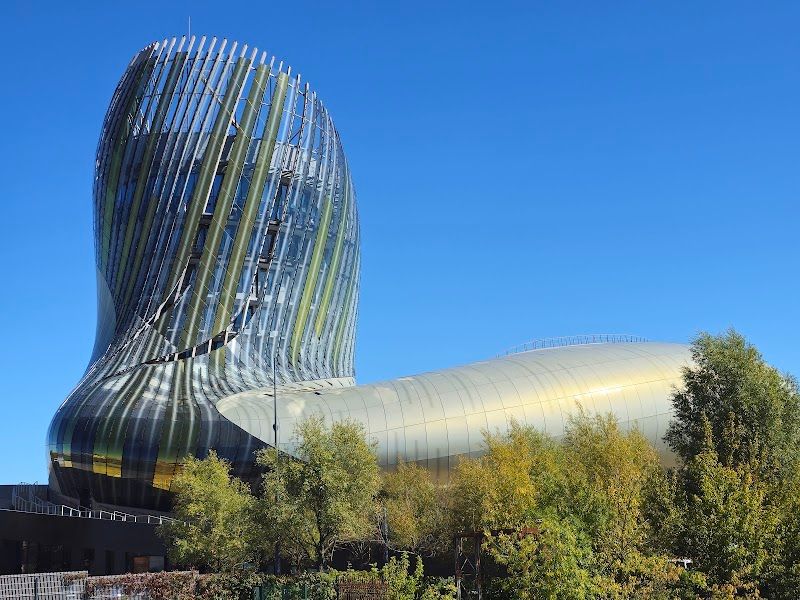
Wine provides the most practical souvenir, and the Bar à Vin - École du Vin - CIVB helps identify bottles that represent regional food pairing traditions. Their sommelier-guided tastings cost EUR 15-25 and focus on food-friendly wines rather than prestige labels.
For shelf-stable options, seek out regional products at specialty shops. Maison Dubernet at 4 Rue Ausone sells duck rillettes, pâtés, and preserved cèpes that capture local flavors. Their vacuum-packed items travel internationally and provide authentic tastes of Bordeaux cuisine.
Making the Most of Your Bordeaux Food Experience
Understanding Bordeaux food specialties requires time and openness to unfamiliar ingredients. Plan at least one meal focused entirely on regional dishes rather than international cuisine. The investment in local specialties provides insight into why certain wine styles developed here and how geography shapes cuisine.
Consider timing visits around seasonal ingredients. A spring visit showcases asparagus and young wines, while autumn offers the full range of regional products. Each season tells a different story about how Bordeaux's location between forest, river, and ocean creates its distinctive food culture.
Our complete Bordeaux Wine & Food Guide provides additional restaurant recommendations and wine pairing suggestions for travelers wanting to dive deeper into the regional cuisine. The combination of local ingredients, traditional techniques, and wines creates a food experience that justifies the journey to this UNESCO World Heritage city.