The Budapest food Reddit discussions are filled with tourists asking the same question: where do locals actually eat? After scrolling through countless recommendation threads and spending months eating my way through the city's neighborhoods, the answer isn't what you'd expect. The best budapest restaurants locals frequent aren't the ones with English menus in Belváros or the ruin bar restaurants in the Jewish Quarter. They're the family-run places in residential districts, the market stalls that close at 3pm, and the neighborhood bistros where Hungarian is the only language spoken.
This guide cuts through the tourist noise to reveal where locals eat authentic hungarian food budapest style, organized by neighborhood with exact addresses, opening hours, and what to order. You won't find these places on food tours or Instagram feeds, but you will find them packed with office workers on lunch breaks and families on Sunday afternoons.
Where Locals Actually Eat: District by District
The reality of budapest hidden food spots is that most aren't hidden at all - they're just located where tourists don't venture. Locals eat in their own neighborhoods, not in the Castle District or along the Danube promenade. The best local restaurants cluster around metro stations in Districts VIII, IX, and XI, areas that most visitors never explore.
District VIII (Józsefváros): Working Class Authenticity
District VIII doesn't appear in guidebooks, but it's where you'll find the most authentic Hungarian food at prices locals can afford. Frici Papa (József körút 55) serves the city's best goulash for EUR 6, a full portion that most restaurants would charge EUR 12 for in tourist areas. The restaurant occupies a former working-class canteen and still feels like one, with checkered tablecloths and a menu that hasn't changed in decades.
Kádár Étkezde (Klauzál tér 9) represents old-school Hungarian dining at its purest. Open Tuesday through Saturday from 11:30am to 3:30pm, this tiny restaurant serves daily menus that rotate based on what's seasonal. Expect EUR 8-10 for a three-course meal including soup, main course with sides, and dessert. The paprikash here is better than anything you'll find in the tourist districts, and the atmosphere is authentically local - no English menu, cash only.
Mumbay Tandoori might seem out of place in a Hungarian food guide, but locals know this Indian restaurant (Krúdy Gyula utca 3) as one of the city's best-kept secrets. The Hungarian-Indian family that runs it has created a fusion that works surprisingly well, particularly their Hungarian-spiced lamb dishes. Most mains cost EUR 8-12, and the portions are generous enough to share.
District IX (Ferencváros): Market Culture and Family Restaurants
District IX borders the Great Market Hall but maintains its residential character. Comme Chez Soi (Ráday utca 19) is technically French but owned by a Hungarian-French couple who've adapted classic French techniques to Hungarian ingredients. Their duck leg confit with Hungarian red cabbage costs EUR 18 and represents the kind of creative cooking that locals seek out for special occasions.
Central Kávéház (Károlyi Mihály utca 9) survived both world wars and forty years of communism. The coffee house culture here is the real thing - not a recreation for tourists but a continuation of a tradition. Their Hungarian breakfast (scrambled eggs with kolbász, fresh bread, and coffee) costs EUR 8 and comes with newspapers in Hungarian and German.
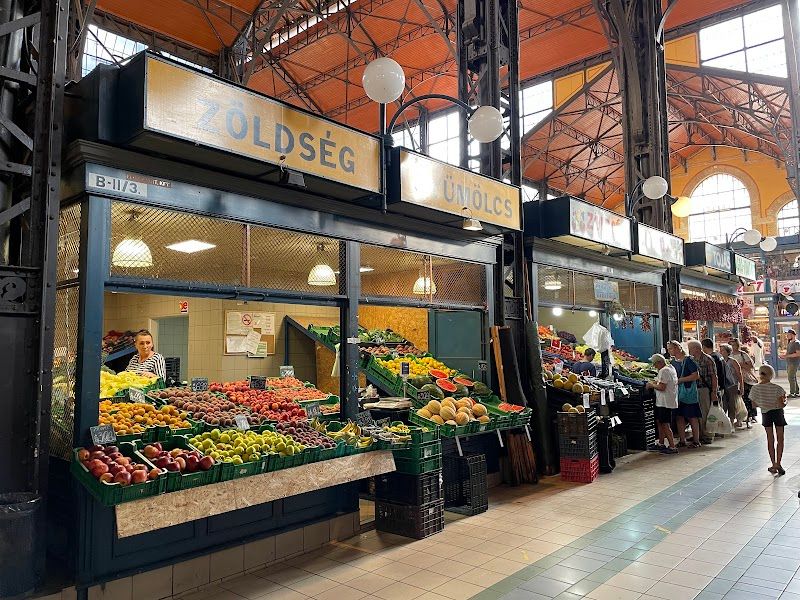
The Belvárosi Market (Vásár tér) operates Tuesday, Thursday, and Saturday mornings from 7am to 1pm. This is where locals shop for produce, and several vendors sell prepared foods. Margit néni (stall 15) makes lángos the traditional way - thick, chewy, and topped with sour cream and cheese for EUR 4. Her version puts the tourist lángos at the Great Market Hall to shame.
District XI (Újbuda): Suburban Gems
District XI represents modern residential Budapest, and its restaurants cater to locals who want good food without pretense. Zeller Bistro (Bartók Béla út 7) occupies a former pharmacy and serves elevated Hungarian comfort food. Their schnitzel costs EUR 15 but measures the size of the plate, and their Sunday roast (available weekends only) feeds two people for EUR 25.
Pest-Buda Bistro (Bartók Béla út 15) specializes in traditional recipes executed with modern technique. The owner worked in Vienna restaurants before returning to Budapest, and it shows in the precision of dishes like their beef goulash (EUR 12) which simmers for eight hours and arrives with perfectly seasoned spaetzle.
Kiskakukk Étterem (Pozsonyi út 12) looks like a suburban family restaurant because that's exactly what it is. Three generations of the same family run this place, and their menu reflects Hungarian home cooking at its most authentic. The weekly soup rotation follows old Hungarian traditions - bean soup on Fridays, bone broth on Saturdays. Most main courses cost EUR 10-14, and portions are designed for hungry manual workers.
Neighborhood Food Markets: Beyond Tourist Venues
While tourists crowd the Great Market Hall, locals shop at smaller neighborhood markets that offer better prices and more authentic experiences.
Lehel Market (District XIII)
Lehel Market (Lehel tér 2) operates Monday through Saturday from 6am to 6pm in a distinctive ship-shaped building. This market serves the residential areas north of the city center, and prices reflect local spending power rather than tourist wallets. The prepared food section includes several vendors worth seeking out.
Rózsa néni (stall 42) specializes in traditional Hungarian sausages and sells them grilled on fresh bread for EUR 3-5. Her kolbász uses recipes from her village in eastern Hungary, and the quality rivals expensive restaurant versions. The spicy paprika sausage works particularly well with Hungarian mustard and pickles.
Kovács hentes (stall 18) is a proper butcher shop that also grills meats to order. Their mangalica pork chops (EUR 8) come from a heritage Hungarian breed and taste nothing like industrial pork. Order it with bread and peppers for a complete meal that costs less than tourist restaurant appetizers.
Rákóczi Market (District VIII)
Rákóczi Market (Rákóczi tér 7-9) operates Tuesday, Thursday, and Saturday from 7am to 2pm. This market serves District VIII's working-class residents and maintains the authentic atmosphere that tourist markets have lost.
Ilona's Kitchen (stall 8) serves traditional Hungarian lunch dishes from a tiny kitchen. Her fisherman's soup (EUR 5) uses river carp and follows a family recipe from southern Hungary. The soup is spicy enough to make you sweat and authentic enough that Hungarian grandmothers would approve.
The produce vendors here also sell prepared foods. Katalin néni (stall 23) makes stuffed cabbage rolls (töltött káposzta) that she sells for EUR 2 each. These represent Hungarian comfort food at its most basic - cabbage leaves stuffed with meat and rice, cooked in tomato sauce until tender.
Traditional Restaurants That Locals Recommend
The budapest restaurant recommendations that appear most frequently in local discussions share certain characteristics: they've operated for decades, they serve large portions at reasonable prices, and they maintain recipes without modification for tourist tastes.
Authentic Hungarian Cooking
Kéhli Vendéglő (Mókus utca 22) in District III has operated since 1899 and maintains the same recipes and atmosphere. This restaurant appears in Hungarian literature and serves the kind of food that defined pre-war Budapest. Their roast duck (EUR 20) comes with red cabbage and potato dumplings, prepared exactly as it would have been a century ago. Reservations essential, especially on weekends.
Anyukám Mondta (Teréz körút 21) translates to "my mother told me" and serves home-style Hungarian cooking in a dining room that feels like someone's grandmother's house. The daily menu changes based on what's available at the market, but regulars know to order whatever soup is featured. Their chicken paprikash (EUR 12) uses free-range Hungarian chickens and sour cream from a local dairy.
Gundel Étterem represents fine Hungarian dining but locals know to visit for lunch rather than dinner when prices are more reasonable. The lunch menu (available weekdays until 3pm) offers three courses for EUR 25, including access to dishes that normally cost EUR 40-50 at dinner. Their version of Hungarian classics uses premium ingredients but maintains traditional flavor profiles.
Wine Bars and Bistros
Doblo (Dob utca 20) in the Jewish Quarter functions as both wine bar and restaurant, specializing in Hungarian wines paired with local cheese and charcuterie. The owner speaks fluent English but the clientele is predominantly local wine enthusiasts. A tasting flight of three Hungarian wines costs EUR 12, and the cheese plates feature artisanal Hungarian producers.
Kadarka Wine Bar (Kertész utca 42) occupies a basement space and focuses exclusively on Hungarian wines from small producers. The food menu is limited but excellent - their liptauer cheese spread (EUR 6) uses a recipe from northern Hungary and pairs perfectly with their selection of white wines from the Tokaj region.
Borkonyha Winekitchen represents upscale dining but locals know it for the bar area where you can order small plates and wine by the glass. The bar menu offers the restaurant's sophisticated cooking in more affordable portions - their duck liver mousse (EUR 8) provides a taste of their cooking style without the full tasting menu price.
Street Food and Quick Bites: Local Favorites
Authentic hungarian food budapest includes substantial street food culture, though tourist areas have largely replaced traditional options with international fast food.
Traditional Street Foods
Lángos represents Hungary's most distinctive street food, but tourist versions bear little resemblance to the authentic article. Retro Lángos (multiple locations including Batthyány tér) serves traditional versions with proper toppings - sour cream and grated cheese, not the sweet tourist versions with Nutella and fruit.
Kürtőskalács (chimney cake) appears throughout the city, but locals know that proper versions come from vendors who make the dough fresh. Molnár's Kürtőskalács (Váci utca 19) makes their pastries to order and offers traditional toppings like cinnamon and walnut rather than tourist-oriented flavors.
Kolbász (Hungarian sausage) varies dramatically in quality. The best versions come from butcher shops that grill them to order. Szentendre Kolbász (Fővám tér 1-3, inside the Great Market Hall) offers superior quality compared to street vendors, and their spicy paprika version (EUR 4 with bread) represents authentic Hungarian flavors.
Modern Quick Options
Frici Papa has expanded beyond their original District VIII location and now operates food trucks at various markets. Their goulash (EUR 6) maintains the same quality as the restaurant version but comes in portable containers eating while exploring neighborhoods.
Bock Bisztró (Erzsébet körút 43-49) occupies the ground floor of a hotel but functions as a neighborhood restaurant. Their lunch menu changes daily and reflects seasonal Hungarian cooking. Most dishes cost EUR 10-15, and the quality matches restaurants charging twice as much in tourist areas.
Menza (Liszt Ferenc tér 2) recreates the atmosphere of communist-era canteens but serves elevated versions of Hungarian classics. Their beef goulash (EUR 14) uses premium ingredients and modern technique while maintaining traditional flavors. The restaurant fills with local office workers during lunch hours.
Practical Information for Food Exploration
Navigating Budapest's local food scene requires understanding how Hungarians dine and where to find the best experiences away from tourist areas.
Timing and Etiquette
Hungarian meal times differ from tourist restaurant schedules. Lunch service typically runs from 12pm to 2:30pm, and many local restaurants close between lunch and dinner. Dinner service starts at 6pm, earlier than in Mediterranean countries but later than German-speaking regions.
Reservations are essential at better restaurants, even for lunch. Many local favorites operate with small staff and limited seating, so calling ahead prevents disappointment. Most restaurants accept reservations in English, though learning basic Hungarian phrases helps with smaller establishments.
Tipping follows Hungarian customs - 10% is standard for good service, but tips are included in the bill payment rather than left on the table. Round up taxi fares and leave small change at cafes, but don't tip at fast-casual establishments or food stalls.
Transportation to Neighborhood Restaurants
The best local restaurants cluster around metro stations in residential districts. A 24-hour BKK travel pass costs EUR 5.9 and provides unlimited access to metro, bus, and tram services. Districts VIII, IX, and XI connect easily to the city center via metro lines M3 and M4.
Many neighborhood restaurants don't operate late-night service, so plan meal times accordingly. The last metro trains run around 11:30pm on weekdays and 12:30am on weekends, giving you time to return to central accommodations after dinner.
Budget Planning
| Meal Type | Tourist Areas | Local Restaurants | Savings |
|---|---|---|---|
| Lunch menu | EUR 15-25 | EUR 8-15 | EUR 7-10 |
| Main course dinner | EUR 18-30 | EUR 12-20 | EUR 6-10 |
| Local beer | EUR 4-6 | EUR 2.5-4 | EUR 1.5-2 |
| Coffee | EUR 3-5 | EUR 1.5-3 | EUR 1.5-2 |
Eating where locals eat typically saves 30-40% compared to tourist restaurant prices while providing better food quality and authentic atmosphere. The savings add up quickly over a multi-day visit.
Seasonal Eating and Special Occasions
Hungarian cuisine follows seasonal patterns that influence what locals eat throughout the year. Understanding these patterns helps you experience food the way Hungarians do.
Spring and Summer Specialties
Spring brings fresh vegetables and the first outdoor dining weather. Local restaurants feature asparagus dishes from late March through May, and Kéhli Vendéglő serves traditional Hungarian asparagus soup (spárga leves) that perfectly captures the season's flavors.
Summer means outdoor eating and lighter dishes. Pest-Buda Bistro opens their garden seating and serves cold fruit soups that provide relief from Budapest's hot summers. Their sour cherry soup (EUR 5) uses fruit from Hungarian orchards and follows traditional recipes.
Fall and Winter Comfort Food
Autumn brings hunting season and hearty stews. Zeller Bistro features game dishes from September through December, including wild boar goulash (EUR 18) that uses meat from Hungarian forests. These dishes pair perfectly with the season's new wines.
Winter means comfort food and warming spices. Traditional restaurants emphasize bean soups, roasted meats, and preserved vegetables. Anyukám Mondta serves their best dishes during cold months when Hungarian home cooking provides necessary warmth and calories.
Holiday Foods
Christmas brings special preparations that locals save for the season. Fish soup (halászlé) appears on Christmas Eve menus, and Frici Papa serves an authentic version using carp from Hungarian fish farms. Easter features lamb dishes and fresh spring vegetables that mark winter's end.
Name day celebrations (Hungarian tradition honoring saints' feast days) bring special restaurant menus and family gatherings. These occasions provide opportunities to experience Hungarian food culture at its most traditional.
The key to experiencing Budapest food Reddit-style - with local knowledge and authentic recommendations - is venturing beyond the obvious tourist zones. The city's best food culture exists in residential neighborhoods where restaurants serve their communities rather than visitors. Whether you're seeking traditional Hungarian cooking, creative modern interpretations, or authentic street food, the real Budapest food scene rewards those willing to explore beyond the guidebook recommendations. After trying both tourist restaurants and local favorites, the difference in quality, authenticity, and value becomes obvious - exactly what those Budapest food Reddit discussions have been telling you all along.
Plan your Budapest food adventure with our complete 3-day Budapest itinerary or explore the thermal bath culture that makes Budapest unique with our comprehensive bath guide. For evening entertainment, check out our ruin bar walking guide to complete your local Budapest experience.