Budapest food culture runs deeper than the tourist-friendly goulash served along Váci utca. The city's culinary identity emerged from centuries of Austrian, Turkish, and Slavic influences, creating a unique cuisine that locals still eat daily. This guide covers the essential Budapest food to try, from century-old market stalls to family-run restaurants that have never printed an English menu.
Traditional Hungarian Soups: More Than Just Goulash
Gulyás (Hungarian Goulash)
Real Hungarian goulash bears little resemblance to the thick stew served in most tourist restaurants. Authentic gulyás is a soup - thin, paprika-heavy broth with tender beef, potatoes, and vegetables. The best version costs EUR 4-8 at traditional restaurants and arrives in a proper soup bowl, not a bread loaf.
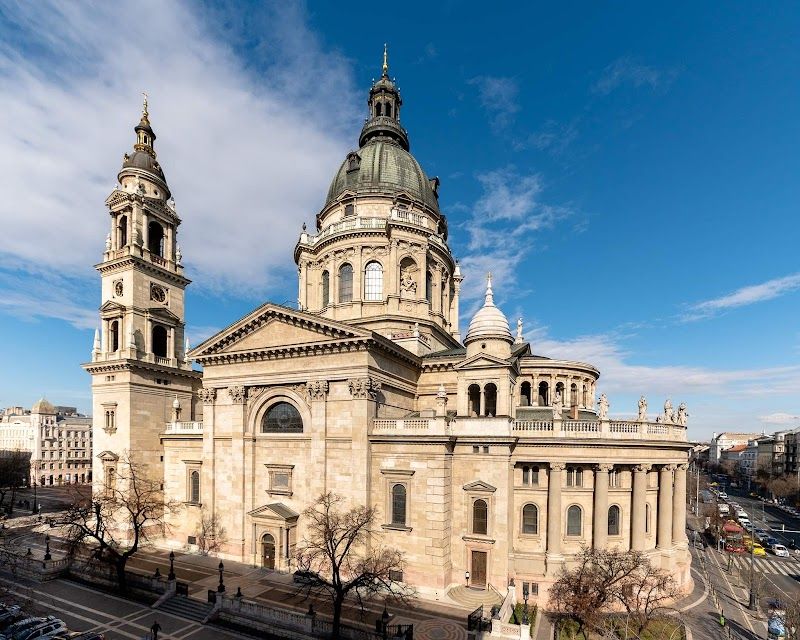
Frici Papa (Klauzál tér 5) in the Jewish Quarter serves the city's most authentic gulyás. The 70-year-old owner still prepares it using his grandmother's recipe, and the EUR 6 portion easily feeds two people. Avoid the gulyás at restaurants near St. Stephen's Basilica - they're designed for tourists who expect thick, bread-bowl presentations.
Halászlé (Fisherman's Soup)
This paprika-red fish soup represents Hungarian cooking at its most technical. Proper halászlé requires specific Danube fish (carp, catfish, pike-perch) and a cooking method that extracts maximum flavor from fish bones and scales. The result is an intensely flavored, spicy broth with chunks of fresh fish.
Kis Buda Gyöngye (Kenyeres u. 34) near Buda Castle makes the city's finest halászlé. Their EUR 12 portion uses fish delivered daily from Lake Balaton, and the soup arrives so hot it continues bubbling in the bowl. Expect serious spice levels - this isn't tourist food.
Street Food and Market Specialties
Lángos
Lángos represents Budapest street food at its most indulgent. This deep-fried flatbread arrives hot and crispy, traditionally topped with sour cream and grated cheese. Modern versions include ham, sausage, or even Nutella, but purists stick to the classic combination.
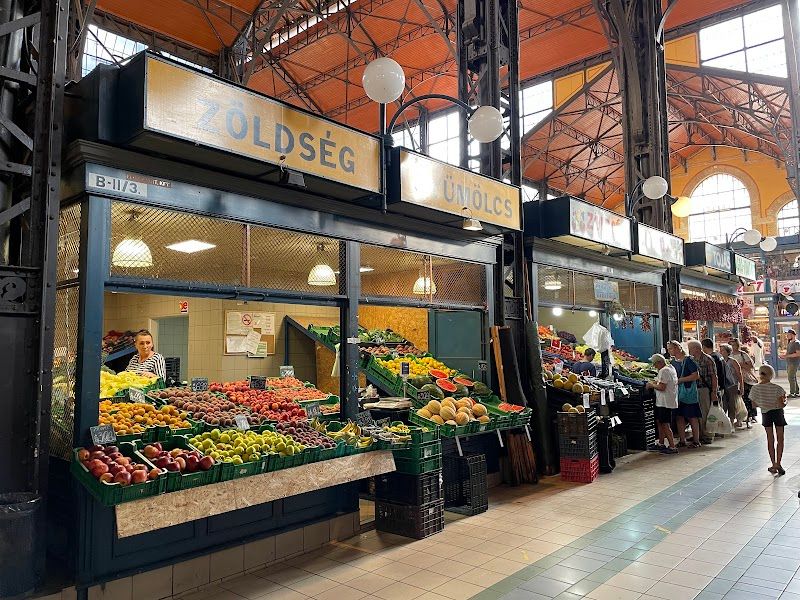
The Great Market Hall lángos stalls charge EUR 3-6 depending on toppings, but the quality varies wildly. The corner stall near the main entrance (operated by the same family since 1991) consistently produces crispy lángos with properly tangy sour cream. Avoid the pre-made versions sitting under heat lamps - fresh lángos should sizzle when it hits your plate.
Kürtőskalács (Chimney Cake)
This spiral-shaped pastry gets rolled in sugar and baked over open flames until caramelized. Traditional kürtőskalács comes with cinnamon, vanilla, or coconut coating. Recent tourist-focused versions stuffed with ice cream or Nutella miss the point entirely - the appeal lies in the contrast between the crispy, sweet exterior and soft, yeasty interior.
Molnár's Kürtőskalács (Váci utca 31) near Chain Bridge has operated since 1958 and still bakes over wood fires. Their EUR 4 kürtőskalács emerges golden and aromatic, with sugar crystals that crackle between your teeth. The modern versions filled with ice cream cost double and eliminate the textural contrast that makes this pastry special.
Essential Budapest Food: Main Dishes
Schnitzel (Rántott hús)
Hungarian schnitzel differs from the Austrian version through its preparation and accompaniments. The meat (usually pork or veal) gets pounded thinner, creating more surface area for the golden breadcrumb coating. Traditional sides include cucumber salad dressed with sweet paprika vinegar and boiled potatoes with dill.
Frici Papa serves excellent schnitzel for EUR 8, with meat pounded so thin it covers the entire plate. The breading stays crispy even after cooling, indicating proper technique. Tourist restaurants often serve thick, tough schnitzel that suggests frozen preparation - the meat should be easily cut with a fork.
Paprikash (Paprikás)
This creamy paprika stew showcases Hungarian paprika at its most refined. Chicken paprikash involves slow-cooking chicken pieces in a roux-thickened sauce heavy with sweet paprika and sour cream. The sauce should coat the back of a spoon and taste intensely of paprika without overwhelming heat.
Kádár Étkezde (Klauzál tér 9) has served the same paprikash recipe since 1972. Their EUR 9 portion includes two chicken pieces, house-made spätzle, and sauce rich enough to warrant bread for sopping. The restaurant closes when they run out of food (usually around 3 PM), indicating daily preparation from scratch.
Töltött Káposzta (Stuffed Cabbage)
Hungarian stuffed cabbage requires specific preparation that separates it from similar dishes across Eastern Europe. The filling combines ground pork, rice, and onions seasoned with paprika and marjoram. Sour cabbage leaves (not fresh) wrap the mixture, which then braises in a paprika-tomato sauce.
Granny's Restaurant (Bartók Béla út 59) prepares töltött káposzta using a recipe unchanged since 1945. Their EUR 7 portion includes three large rolls swimming in sauce that tastes of long, slow cooking. The cabbage should be fork-tender but not mushy, and the filling should hold together without being dense.
Hungarian Desserts and Sweet Treats
Dobos Torte
This layered sponge cake with chocolate buttercream and caramel top represents Hungarian pastry making at its most technical. Proper Dobos torte requires paper-thin sponge layers, smooth buttercream that doesn't weep, and a caramel topping that stays crispy despite humidity.
Ruszwurm (Szentháromság u. 7) in the Castle District has baked Dobos torte since 1827. Their EUR 6 slice showcases why this cake became internationally famous - eight impossibly thin layers create a texture unlike any modern cake. The caramel top cracks audibly when cut, releasing aromatic steam.
Strudel (Rétes)
Hungarian strudel dough gets stretched so thin you can read newspaper through it. Traditional fillings include apple with cinnamon, sour cherry, or túró (quark cheese) with raisins. The pastry should shatter at first bite, revealing layers of filling held together by gossamer-thin dough.
Café Gerbeaud's strudel costs EUR 5 and demonstrates proper technique - the dough practically dissolves on your tongue while the apple filling retains slight texture. Many tourist cafes serve thick, bread-like strudel that suggests machine production rather than hand-stretching.
Budapest Food Markets and Where to Shop
Central Market Hall Strategy
The Great Market Hall operates Tuesday through Saturday, 6 AM to 6 PM, with shortened Monday and Sunday hours. The ground floor focuses on fresh produce, meats, and traditional Hungarian products, while the second floor houses tourist-oriented restaurants and souvenir shops.
For authentic experiences, shop the ground floor early morning when locals buy their daily groceries. The paprika vendors near the Fővám tér entrance sell restaurant-quality sweet and hot paprika in unmarked bags for EUR 3-5 per kilogram. Tourist-packaged versions in the souvenir section cost three times more for inferior quality.
Hold utca Market
This smaller market in Belváros caters primarily to locals and offers better prices than the Great Market Hall. The produce quality exceeds most supermarkets, and several stalls sell prepared foods ideal for quick lunches.
The langos stand here charges EUR 3 for the basic version and produces consistently crispy results. The Hungarian sausage vendor (operating since 1989) sells kolbász, hurka, and other traditional preparations at prices half those charged in tourist areas.
Traditional Hungarian Drinks to Accompany Your Meal
Hungarian Wine Pairings
Hungarian wine regions produce varieties rarely exported internationally. Furmint from Tokaj creates both dry whites and the famous dessert wines, while Kadarka from Szekszárd produces light, food-friendly reds. Most Budapest restaurants stock primarily Hungarian wines, with markup significantly lower than imported bottles.
Divino Wine Bar (Szent István tér 3) near St. Stephen's Basilica offers Hungarian wine flights for EUR 8-15, allowing comparison between regions. Their staff explains the historical context behind each variety and suggests food pairings based on traditional Hungarian combinations.
Pálinka
This fruit brandy serves as both aperitif and digestif in Hungarian dining culture. Traditional pálinka uses single fruits (plum, apricot, pear, apple) distilled to 40-70% alcohol. Quality examples should taste intensely of the base fruit without harsh alcohol burn.
Most tourist restaurants serve mass-produced pálinka that tastes primarily of alcohol. For authentic versions, visit Pálinka Museum and Tasting Room (Rákóczi út 17) where EUR 5 buys a flight of three traditional varieties with explanations of production methods.
Regional Specialties Beyond Budapest
Transylvanian Influences
Budapest restaurants increasingly feature dishes from historical Hungarian territories now in Romania. Transylvanian specialties like varză à la Cluj (layered cabbage casserole) and mici (grilled meat rolls) appear on menus throughout the Jewish Quarter.
Transylvania Restaurant (Váci u. 50) specializes in these cross-border dishes. Their EUR 12 varză à la Cluj layers cabbage, rice, and three meats in a casserole that requires two hours of oven time. The result tastes like concentrated comfort food with paprika undertones.
Where to Find Authentic Budapest Food
Neighborhood-Specific Recommendations
The Jewish Quarter contains Budapest's highest concentration of traditional restaurants, many family-operated for multiple generations. Prices run 20-30% lower than similar establishments in Belváros, and English menus remain uncommon.
Kádár Étkezde, Frici Papa, and Mazel Tov (but skip their tourist-focused main menu for the daily specials written in Hungarian on the blackboard) represent this area's authentic dining scene. Each operates differently - Kádár closes when food runs out, Frici Papa requires sharing tables during peak hours, and Mazel Tov's kitchen prepares entirely different dishes for locals versus tourists.
Avoiding Tourist Traps
Restaurants displaying English menus with photos, employing street hawkers, or located within two blocks of major attractions typically serve modified versions of Hungarian classics designed for international palates. These establishments often charge 50-100% more than authentic alternatives located three blocks away.
General rules: if the menu includes pizza, Thai food, or "international cuisine" alongside Hungarian dishes, the kitchen likely specializes in none of them. If paprika appears red rather than deep burgundy in photos, the restaurant uses standard grocery store paprika instead of proper Hungarian varieties.
Planning Your Budapest Food Experience
Timing and Seasonality
Hungarian cuisine follows seasonal patterns that affect restaurant menus and market availability. Spring brings fresh asparagus, early summer offers sour cherries for strudel, and autumn provides the new paprika harvest that dramatically improves all traditional dishes.
Many family restaurants close during August when operators take vacation, while tourist-focused establishments remain open with reduced staff and quality. Plan serious food exploration for April-July or September-November when both authentic restaurants and markets operate at full capacity.
Budget Considerations
Authentic Hungarian food costs significantly less than international cuisine in Budapest. A complete traditional meal (soup, main course, dessert) at family restaurants runs EUR 12-18, while similar quality international food costs EUR 25-40 in tourist areas.
The economic advantage extends beyond restaurants - market shopping allows preparation of traditional dishes at apartment accommodations for EUR 5-8 per person. Great Market Hall vendors often provide cooking instructions for traditional preparations.
After exploring Budapest's essential foods, consider extending your culinary journey with a visit to the thermal baths - nothing completes a heavy Hungarian meal like soaking in mineral-rich waters at Széchenyi or sampling local wines while planning your next food adventure using our comprehensive 3-day Budapest itinerary.
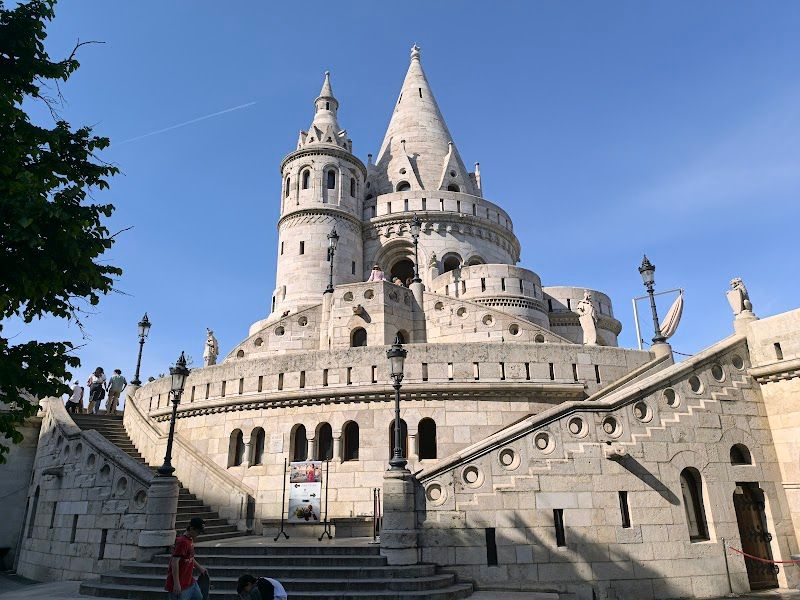
Hungarian cuisine rewards adventurous eaters willing to venture beyond tourist zones. The flavors developed over centuries of cultural mixing create food experiences unavailable elsewhere in Europe, making Budapest food exploration as essential as visiting Fisherman's Bastion or Parliament Building.