Walking through Colmar's cobblestone streets, you'll notice that almost every restaurant window displays the same dish: a paper-thin flatbread topped with crème fraîche, onions, and bacon. This is flammekueche (or tarte flambée), and it's not just tourist bait. It's the foundation of Alsatian cuisine and the first colmar food specialty you should try.
Alsatian cuisine occupies a unique position in French gastronomy. The region's history of bouncing between French and German rule created a food culture that takes the best from both traditions. You get French technique and refinement applied to hearty German ingredients like cabbage, pork, and potatoes. In Colmar, this fusion reaches its peak in the traditional winstubs (wine taverns) where locals have been eating the same dishes for centuries.
The Essential Colmar Food Specialties
Flammekueche: The Gateway Drug to Alsatian Cuisine
Flammekueche is what happens when you take pizza dough, roll it impossibly thin, and top it with crème fraîche instead of tomato sauce. The classic version (flammekueche à l'alsacienne) comes with thinly sliced onions and lardons (bacon bits). The dough should be so thin you can almost see through it, and the edges should be crispy while the center stays slightly soft.
At the Marché Couvert, you'll find vendors serving fresh flammekueche for EUR 8-12. The quality here matches what you'll get at proper restaurants for half the price. Look for the stands where locals are queuing - they know which vendors roll their dough fresh that morning.
Modern variations include flammekueche gratinée (with cheese), aux champignons (with mushrooms), or sucrée (sweet versions with apples and cinnamon). But start with the classic. Every other variation is measured against it.
Choucroute Garnie: Sauerkraut Done Right
Choucroute garnie is sauerkraut that went to finishing school. The dish consists of fermented cabbage cooked in white wine (usually Riesling), topped with an assortment of pork: sausages, smoked pork shoulder, sometimes duck confit. The sauerkraut should taste bright and wine-forward, not the sour mess you might expect.
The version at Winstub Brenner sets the standard in Colmar. Their choucroute includes four types of sausage, smoked pork belly, and sauerkraut that's been slow-cooked for hours with juniper berries and bay leaves. The portion is enormous - easily enough for two people.
A proper choucroute garnie should come with boiled potatoes and a variety of mustards. The Alsatian tradition is to eat it with a glass of Riesling, whose acidity cuts through the richness of the pork.
Baeckeoffe: The Slow-Cooked Crown Jewel
Baeckeoffe (baker's oven in Alsatian dialect) represents the pinnacle of what to eat in colmar for serious food lovers. This casserole combines three meats - beef, pork, and lamb - with potatoes, onions, and white wine, all slow-cooked in a sealed terracotta pot.
The dish originated from a practical need. On washdays, women would prepare this one-pot meal in the morning, seal it with dough, and take it to the village baker to cook in his oven while they worked. The result is meat so tender it falls apart at the touch of a fork, infused with wine and aromatics.
L'Atelier du Peintre serves what many consider the definitive version in Colmar. Their baeckeoffe uses meat from specific Alsatian breeds and is cooked for exactly six hours. The dish is only available Thursday through Sunday, and you need to order it when you make your reservation.
Cheese and Charcuterie Specialties
Munster Cheese: An Acquired Taste Worth Acquiring
Munster cheese smells like a barnyard and tastes like heaven. This soft-ripened cheese from the Vosges Mountains has a orange-washed rind that gives it a distinctive funky aroma. The interior should be creamy, almost liquid when properly aged, with a flavor that's both earthy and slightly sweet.
The traditional way to eat munster is with boiled potatoes, caraway seeds (cumin in Alsace), and a glass of Gewürztraminer. The combination might sound odd, but the wine's sweetness balances the cheese's pungency while the caraway adds a spicy note.
At the Saturday market in Petite Venise, several vendors sell proper munster aged in caves in the Vosges. Ask to taste before buying - good munster should never be bitter or ammoniac.
Presskopf and Leberwurst: Charcuterie Champions
Presskopf is head cheese done the Alsatian way. Unlike the gelatinous versions found elsewhere in France, Alsatian presskopf is more like a coarse pâté, made from pork head meat, tongue, and sometimes heart, seasoned with herbs and pressed into a loaf.
Leberwurst (liver sausage) in Alsace is smoother and more refined than German versions, often incorporating cognac or white wine. The best versions have a mouse-like texture and a rich, mineral flavor that's not overpowering.
Both are typically served as part of a charcuterie plate with cornichons, mustard, and dark bread. Au Koïfhus offers an excellent charcuterie selection that includes these along with other regional specialties.
Traditional Sweets and Desserts
Kougelhopf: The Crown-Shaped Classic
Kougelhopf looks like a crown and tastes like brioche's more sophisticated cousin. This yeasted cake is baked in a distinctive fluted mold and traditionally contains almonds and raisins soaked in kirsch (cherry brandy). The texture should be light and airy, with a slightly sweet flavor that makes it breakfast or afternoon coffee.
There are two versions: sweet kougelhopf with sugar and fruit, and salted kougelhopf with bacon and walnuts. Both are worth trying, but the sweet version is more traditional.
The best kougelhopf in Colmar comes from the bakeries that still make it by hand. Salon de Thé Christian serves individual portions with their excellent coffee, or you can buy whole kougelhopfs at most bakeries in the old town.
Tarte aux Quetsches: Plum Perfection
Tarte aux quetsches showcases the small purple plums that grow throughout Alsace. The tart consists of a buttery pâte brisée filled with halved plums arranged in overlapping rows, then baked until the fruit caramelizes slightly at the edges.
The best versions use quetsches that are just slightly underripe, so they hold their shape during baking while developing concentrated flavor. The tart should taste intensely of plums, with just enough sweetness to balance the fruit's natural tartness.
This dessert is seasonal, typically available from late August through October when quetsches are harvested. Many restaurants in the Quartier des Tanneurs feature it on their autumn menus.
Where to Experience Authentic Colmar Food
Traditional Winstubs: The Real Deal
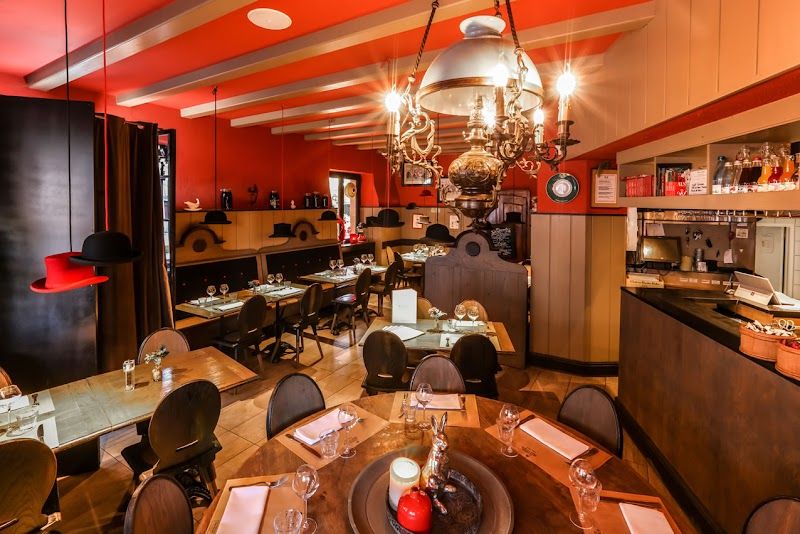
Winstubs are Alsatian wine taverns that serve simple, traditional food alongside local wines. The atmosphere is convivial, the portions generous, and the prices reasonable. These are where locals eat, not tourist restaurants disguised as authentic establishments.
Wistub de la Petite Venise occupies a 16th-century building with low ceilings, wooden tables, and an atmosphere thick with centuries of conversation and cigarette smoke (now banned, thankfully). Their menu hasn't changed in decades: choucroute, baeckeoffe, coq au Riesling, and tartes flambées. The wine list focuses on small Alsatian producers, with bottles starting around EUR 20.
The service can be brusque, the tables are close together, and reservations are essential. But the food represents Alsatian cuisine at its most authentic. Their coq au Riesling uses a whole chicken braised in local wine with mushrooms and cream - it's what French comfort food should be.
Fine Dining with Alsatian Roots
Restaurant JY'S takes traditional alsatian cuisine colmar techniques and applies modern presentation and precision. Chef Jean-Yves Schillinger earned his Michelin star by respecting local ingredients while elevating them through technique.
Their tasting menu (approximately EUR 120) might include foie gras with quetsche compote, pigeon with choucroute, or a deconstructed baeckeoffe where each element is prepared separately then combined on the plate. It's expensive but represents the evolution of regional cuisine.
The wine pairing focuses exclusively on Alsatian producers, including some bottles you won't find elsewhere. Service is formal but knowledgeable - servers can explain the provenance of every ingredient.
Market Halls and Street Food
The Marché Couvert is where to experience colmar food market culture at its best. Open Tuesday, Thursday, and Saturday mornings, it's where locals shop for ingredients and grab quick meals.
Several stalls serve prepared food: flammekueche fresh from portable ovens, grilled sausages with sauerkraut, and sandwiches made with local charcuterie. The quality is high because vendors depend on repeat local customers, not tourists passing through.
The cheese vendors here sell products directly from producers in the Vosges Mountains. You can buy aged munster, fresh goat cheese, and other regional specialties at prices well below what restaurants charge. Many vendors offer tastings - take advantage to learn about different producers.
Seasonal Specialties and Food Events
Spring: Asparagus Season
Asperges blanches (white asparagus) appears on every menu in Colmar from April through June. Alsatian white asparagus is grown under mounds of soil to prevent photosynthesis, resulting in pale, tender spears with a delicate flavor.
The traditional preparation is simple: boiled asparagus served with hollandaise sauce, ham, and boiled potatoes. Some restaurants offer more creative presentations, but purists argue that good asparagus needs minimal intervention.
Prices during asparagus season can be high - a simple plate of asparagus at a mid-range restaurant might cost EUR 18-25. But the season is short, and Alsatian white asparagus is considered among Europe's best.
Autumn: Game and Harvest Festivals
Fall brings game season to Alsatian menus. Wild boar (sanglier), venison (chevreuil), and duck feature prominently, often prepared with local fruits like quetsches or pears.
Choucroute de poisson (fish sauerkraut) appears in autumn, substituting freshwater fish for the traditional pork. The preparation uses the same wine-braised sauerkraut but tops it with pike, perch, or salmon instead of sausages.
Many villages around Colmar hold harvest festivals in September and October. These events feature food stalls, wine tastings, and traditional music. The Foire aux Vins in Colmar (usually first weekend in August) combines wine tasting with food vendors serving regional specialties.
Winter: Christmas Market Specialties
Colmar's Christmas markets transform the city into a food lover's paradise from late November through December. Traditional holiday foods appear alongside year-round specialties.
Bredele (Christmas cookies) come in dozens of varieties: stars dusted with cinnamon, crescents filled with jam, butter cookies shaped like pretzels. Each family has traditional recipes, and bakeries compete to offer the most varieties.
Vin chaud (mulled wine) vendors set up throughout the old town, serving wine heated with spices and citrus. Quality varies dramatically - the best versions use good Alsatian wine as the base, while others start with cheap imports.
Pain d'épices (spiced bread) appears in elaborate shapes and flavors. Traditional versions are dense and honey-sweet, flavored with anise, cinnamon, and cloves.
Practical Tips for Food Lovers
When to Visit for the Best Food Experience
Colmar's colmar food tour scene peaks during autumn harvest season (September-October) when restaurants feature seasonal ingredients and wine producers open their doors for tastings. Spring asparagus season (April-June) offers another distinct culinary experience.
Avoid July and August if possible. Tourist crowds mean restaurants prioritize volume over quality, and many vendors at markets cater to visitors rather than locals. Prices are also highest during summer months.
Winter offers the Christmas market experience but limited seasonal variety in restaurants. Many establishments close for vacation in January, making it the worst time to visit for food experiences.
Budget Considerations
You can eat well in Colmar without spending a fortune. Market stalls and casual winstubs offer authentic food at reasonable prices. A flammekueche and glass of wine at a traditional establishment costs around EUR 15-18.
Mid-range restaurants serve set lunch menus at EUR 14-22 that often include multiple courses and wine. These represent excellent value compared to dinner prices at the same establishments.
For serious food experiences, budget EUR 70-120 per person for dinner at top restaurants with wine pairings. While expensive, these meals showcase techniques and ingredients you won't find elsewhere.
Making Reservations
Popular winstubs fill up quickly, especially on weekends. Make reservations at least a day ahead for dinner, longer during peak season or for special dishes like baeckeoffe that require advance preparation.
Fine dining restaurants require reservations well in advance. Restaurant JY'S and similar establishments book weeks ahead during busy periods.
Market stalls and casual spots generally don't take reservations. Arrive early for the best selection, especially at the Saturday market.
Language and Ordering
Most servers in tourist areas speak English, but learning a few food-related French phrases helps, especially in traditional winstubs where staff may be older and less comfortable with English.
Menus often use Alsatian dialect names for traditional dishes. Don't hesitate to ask servers to explain dishes - they're usually proud of local specialties and happy to share details about preparation and ingredients.
Many traditional restaurants offer set menus that provide better value than ordering à la carte. These typically include multiple courses and sometimes wine, offering a comprehensive introduction to regional cuisine.
For those planning to explore beyond the city center, our comprehensive guide to eating in Colmar covers additional restaurants, markets, and food experiences throughout the region. Whether you're interested in market visits, traditional winstub experiences, or modern interpretations of Alsatian classics, understanding these authentic food specialties will transform your visit from simple tourism into genuine cultural immersion.
Colmar's food specialties represent more than just regional dishes - they're edible history, reflecting centuries of cultural exchange between France and Germany. From the communal tradition of sharing flammekueche to the celebration of seasonal ingredients like white asparagus and quetsches, these foods connect you directly to local culture in ways that sightseeing alone cannot match.