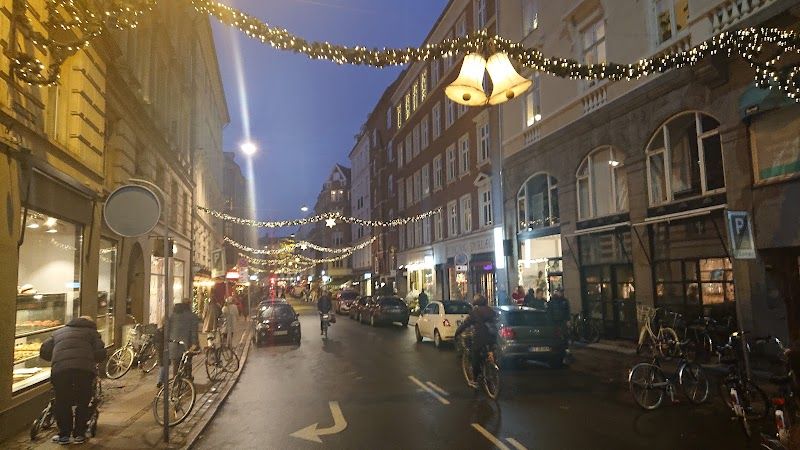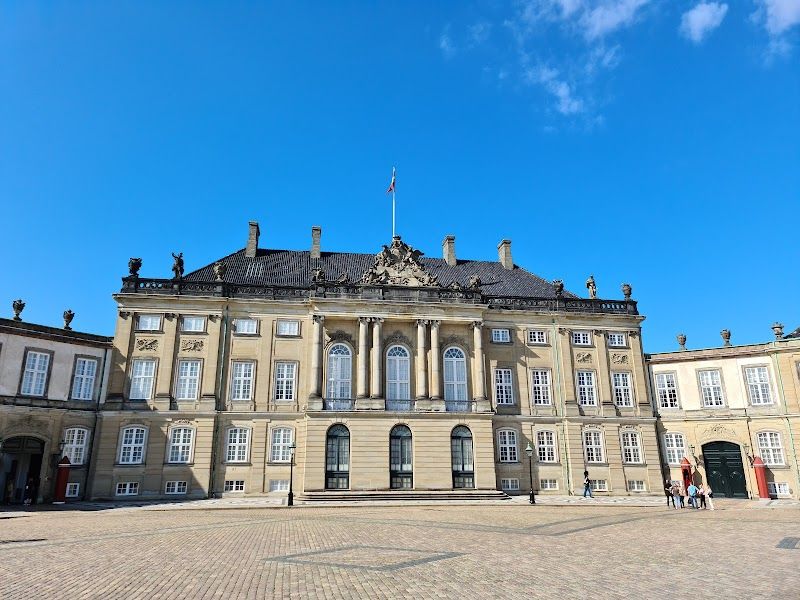
The Copenhagen food scene transformed global dining when Noma put New Nordic cuisine on the map, but the city's culinary identity runs much deeper than foraging and fermentation. While René Redzepi's influence spreads across Copenhagen's restaurants, you'll find the real character of Danish food culture in century-old smørrebrød shops, food markets, and neighborhood bistros where locals gather over beer and conversation.
Copenhagen's food culture balances tradition with innovation. A proper smørrebrød lunch at Schønnemann costs DKK 95-140 per sandwich and represents generations of Danish culinary craftsmanship. Meanwhile, Reffen street food market serves globally-inspired dishes for DKK 80-120 that reflect the city's multicultural neighborhoods. The contrast tells Copenhagen's culinary story: respect for tradition, openness to change, and an obsession with quality ingredients.
Traditional Danish Restaurants: Where Smørrebrød Reigns Supreme
The Copenhagen food scene builds its foundation on smørrebrød, the open-faced sandwiches that turn lunch into an art form. These aren't casual snacks but elaborate constructions requiring skill to eat properly. You use a knife and fork, never your hands, and each piece represents a complete flavor profile.
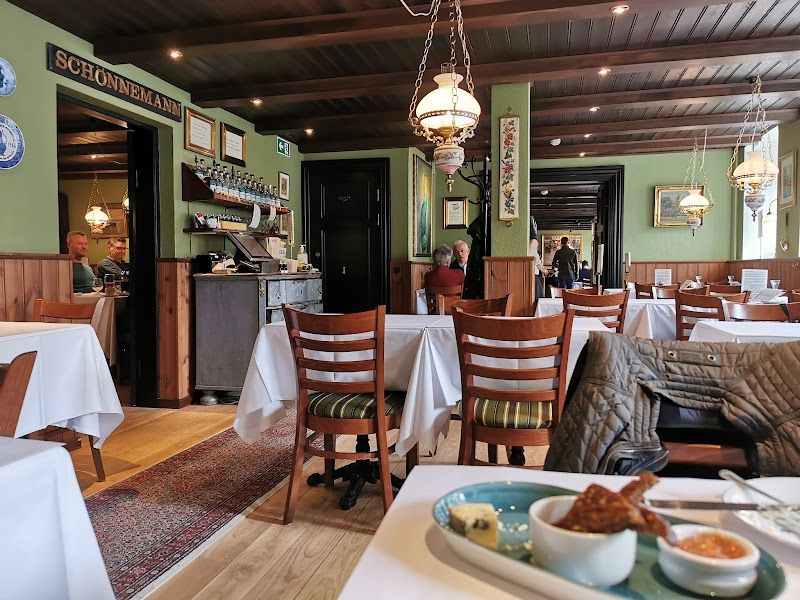
Schønnemann on Hauser Plads serves the city's most respected smørrebrød. The restaurant opened in 1877 and maintains traditional preparation methods that other establishments have abandoned. Their "Hans Andersen" combines liver pâté, crispy bacon, and tomato slices for DKK 118, while the "Shooting Star" features smoked herring, egg yolk, radishes, and chives for DKK 95. The portions satisfy completely, and two pieces make a substantial meal.
Aamanns 1921 in the Indre By neighborhood modernizes smørrebrød without losing authenticity. Chef Adam Aamann sources organic rye bread and premium toppings, creating combinations like roasted beef with horseradish cream and crispy onions for DKK 125. The restaurant operates from 11:30 AM to 5:00 PM Monday through Saturday, closing Sundays like most traditional Danish establishments.
Restaurant Ida Davidsen on Store Kongensgade deserves mention for its 250 varieties of smørrebrød, the largest selection in Copenhagen. The restaurant displays its options on a massive menu that covers entire tables. Prices range from DKK 85 for basic fish preparations to DKK 165 for elaborate meat combinations with multiple toppings.
Street Food Markets: Copenhagen's Culinary Melting Pot
Copenhagen's street food scene exploded over the past decade, transforming from hot dog carts to sophisticated food markets that rival international destinations. These markets reflect the city's diverse population, particularly in Nørrebro where immigrants have created Denmark's most multicultural food landscape.
Reffen on Refshaleøen represents Copenhagen's street food revolution. The market operates from April through October in repurposed shipping containers, hosting 85 different food vendors that change seasonally. Vietnamese pho costs DKK 95, while wood-fired pizzas range from DKK 110-135. The market opens Tuesday through Sunday from 11:00 AM, extending hours until 10:00 PM during summer months. Take Metro M1 to Refshaleøen station, then walk 8 minutes to reach the waterfront location.
Torvehallerne near Nørreport Station serves as Copenhagen's year-round food market. The glass-covered market houses 60 vendors selling everything from Danish specialties to international cuisine. The Café Dyrehaven stall serves traditional Danish meatballs with potatoes and gravy for DKK 125, while Summ offers Vietnamese banh mi sandwiches for DKK 85. The market operates Monday through Thursday from 10:00 AM to 7:00 PM, extending Friday and Saturday hours until 8:00 PM.
Paper Island (Papirøen) closed its original street food market, but Copenhagen Paper Island Food Court opened in its place with 15 permanent vendors. The new format focuses on higher-quality preparations with prices ranging from DKK 90-140 for main dishes. Korean bulgogi bowls, artisanal burgers, and craft beer provide international options in a more controlled environment than the original outdoor market.
New Nordic Beyond Noma: Accessible Innovation
While Noma requires months of advance booking and costs DKK 3,000 per person, the Copenhagen food scene offers New Nordic-inspired cuisine at reasonable prices throughout the city. These restaurants apply the movement's principles-local sourcing, seasonal menus, vegetable-forward preparations-without the intimidating formality.
Restaurant Radio in Nørrebro serves a 4-course dinner for DKK 595 that changes weekly based on ingredient availability. The restaurant operates from a former radio repair shop on Skt. Hans Gade, maintaining an intimate 30-seat dining room. Their approach emphasizes Danish ingredients prepared with techniques borrowed from French and Italian traditions. Reservations open exactly 30 days in advance at 10:00 AM.
Väkst in the Indre By area creates an indoor garden atmosphere where vegetables take center stage. The restaurant's greenhouse interior houses living plants that contribute to the menu seasonally. A 3-course dinner costs DKK 485, featuring dishes like roasted beetroot with elderflower and herbs. The lunch menu offers 2-course options for DKK 295, making New Nordic principles accessible during daytime visits.
Brace on Teglgårdstræde focuses entirely on vegetables, creating elaborate preparations that satisfy omnivores. Their 5-course vegetable tasting menu costs DKK 650 and includes wine pairings for an additional DKK 450. The restaurant sources from specific farms outside Copenhagen, printing the producers' names on each evening's menu.
International Cuisine: Copenhagen's Global Kitchen
The Copenhagen food scene extends well beyond Danish traditions, particularly in neighborhoods like Nørrebro and Vesterbro where immigrant communities have established authentic restaurants representing their home countries.
Banchetto on Værnedamsvej in Vesterbro serves Italian cuisine that competes with Rome's best restaurants. The chef imports ingredients directly from Italy, including San Marzano tomatoes and Parmigiano-Reggiano aged 24 months. Pasta dishes range from DKK 165-195, while their wood-fired pizzas cost DKK 145-175. The restaurant accepts walk-ins until 6:00 PM, then operates by reservation only.
Jægersborggade in Nørrebro concentrates several excellent international restaurants within walking distance. Manfreds serves natural wines with small plates influenced by French bistro traditions. Their charcuterie platter costs DKK 185 and feeds two people, while natural wine glasses range from DKK 65-95. Relæ, operated by former Noma chefs, offers a 4-course dinner for DKK 695 that changes daily based on market availability.
Mother pizzeria operates three locations serving sourdough pizzas that require 48-hour fermentation. Their margherita costs DKK 125, while specialty pizzas with Danish ingredients like bacon and leeks reach DKK 165. The original Vesterbro location on Høker Cafe maintains the most authentic atmosphere with communal seating and natural wine selections.
Copenhagen Food Tours: Guided Culinary Exploration
A Copenhagen food tour provides structured access to the city's diverse culinary landscape, particularly valuable for first-time visitors overwhelmed by restaurant choices. These tours typically focus on specific neighborhoods or culinary themes, offering context that independent dining cannot match.
Copenhagen Food Tours operates daily 3.5-hour walking tours through different neighborhoods for DKK 695 per person. Their Vesterbro tour includes stops at traditional bakeries, artisanal chocolate shops, and modern restaurants. The tour visits 6-8 locations with generous tastings that replace lunch entirely. Groups remain small (maximum 12 people) to ensure personal attention and restaurant access.
Eating Europe Food Tours runs specialized tours focusing on Danish culinary traditions for DKK 750 per person. Their "Carlsberg District" tour explores the Vesterbro neighborhood's transformation from working-class area to foodie destination. The tour includes beer tastings at Mikkeller Bar and traditional smørrebrød preparation demonstrations.
Nordic Food Walk offers 4-hour tours for DKK 850 that include cooking demonstrations and market visits. Their tours visit Torvehallerne during morning hours when vendors prepare daily specialties, then continue to restaurants for prepared dishes. The tour concludes with aquavit tastings and traditional Danish desserts.
Self-guided food tours work well for experienced travelers comfortable navigating independently. Start at Torvehallerne for breakfast, walk to Nyhavn for afternoon smørrebrød, then finish in Vesterbro for dinner and drinks. This route covers Copenhagen's food evolution from traditional to modern within a single day.
Coffee Culture and Bakeries: Copenhagen's Daily Rituals
Copenhagen's coffee culture rivals Melbourne and Portland for sophistication and local pride. Danish coffee consumption reaches 8.7 kilograms per person annually, among the world's highest rates. The city's roasters and cafes treat coffee as seriously as restaurants approach food preparation.
The Coffee Collective operates five locations serving single-origin coffee roasted in their Godthaabsvej facility. Their espresso costs DKK 28, while pour-over preparations range from DKK 35-45 depending on bean origin. The Torvehallerne location inside the food market offers the most convenient access for tourists, while the Jaegersborggade original location provides the most authentic neighborhood experience.
Conditori La Glace on Skoubogade represents Copenhagen's pastry traditions since 1870. Their "Othello" cake combines chocolate sponge with whipped cream and marzipan for DKK 75 per slice. The "Sportskage" costs DKK 65 and features layers of vanilla cake with raspberry jam and coconut. The conditori opens Monday through Friday at 8:30 AM, Saturdays at 9:00 AM, and closes Sundays.
Lagkagehuset operates 45 locations across Copenhagen, serving Danish pastries that maintain artisanal quality despite the chain format. Their tebirkes (poppy seed pastries) cost DKK 25 each, while kanelsnegl (cinnamon rolls) range from DKK 22-28 depending on size. The bakery opens as early as 6:00 AM at some locations, providing fresh pastries for commuters.
Democratic Coffee Bar on Krystalgade roasts beans specifically for espresso-based drinks, creating blends that complement milk rather than showcasing single-origin characteristics. Their cappuccino costs DKK 35 and uses beans roasted within 48 hours of service. The cafe serves light breakfast options including avocado toast for DKK 95 and granola bowls for DKK 75.
Budget-Friendly Options: Eating Well for Less
The Copenhagen food scene accommodates budget travelers without sacrificing quality, particularly in neighborhoods like Nørrebro where student populations support affordable restaurants. These options provide authentic Danish and international cuisine at prices that won't destroy travel budgets.
DØP (Danish for "baptize") operates from a former church in Nørrebro, serving 3-course dinners for DKK 295 Tuesday through Saturday. The restaurant changes its menu weekly based on ingredient availability and maintains a casual atmosphere despite sophisticated preparations. Wine pairings add DKK 195 for three glasses selected to complement each course.
Atelier September on Gothersgade serves breakfast and lunch in a minimalist setting that attracts Danish design enthusiasts. Their avocado toast costs DKK 95, while the breakfast sandwich with bacon and eggs reaches DKK 115. The restaurant operates from 8:00 AM to 3:00 PM daily, requiring early arrival during weekend peak hours.
Copenhagen's pølsevogn (hot dog carts) provide quick meals for DKK 35-55 depending on toppings and sausage type. The cart outside Central Station serves traditional Danish hot dogs with pickles, fried onions, and mustard. Døds ("Death") carts scattered throughout the city offer vegetarian sausages and organic toppings for similar prices.
Superkilen Park in Nørrebro hosts food trucks Thursday through Sunday during summer months. Vietnamese pho costs DKK 85, while Turkish gözleme ranges from DKK 65-75. The park's international theme reflects the surrounding neighborhood's diversity, creating an authentic multicultural food experience.
Planning Your Copenhagen Culinary Adventure
The Copenhagen food scene rewards advance planning, particularly for popular restaurants that book weeks ahead. Make reservations for dinner spots immediately after booking flights, while breakfast and lunch venues typically accommodate walk-ins with minimal waiting.
Start with our comprehensive Copenhagen food guide for detailed restaurant recommendations and neighborhood-specific dining advice. The guide covers traditional Danish cuisine alongside international options, helping you balance familiar flavors with local specialties.
For first-time visitors, our 2-3 day Copenhagen itinerary includes strategic meal planning that maximizes food experiences within limited time. The itinerary balances must-visit tourist attractions with authentic dining opportunities in different neighborhoods.
Book accommodations in Vesterbro or Nørrebro for easy access to the city's best restaurant scenes. These neighborhoods offer more dining options within walking distance than staying in the tourist-focused Indre By area, though both provide excellent bases for food exploration.
Copenhagen's food scene extends far beyond New Nordic fine dining into traditional Danish cuisine, international specialties, and innovative street food. The city rewards curious eaters who venture beyond tourist zones into neighborhoods where locals live and eat. Whether you're seeking century-old smørrebrød traditions or modern vegetable-forward cuisine, Copenhagen delivers culinary experiences that justify the city's reputation as northern Europe's food capital.