The Copenhagen vs Stockholm debate splits travelers who want their Nordic experience served two very different ways. Copenhagen delivers Danish hygge with world-renowned restaurants and flat cycling infrastructure, while Stockholm spreads across 14 islands with royal palaces and significantly lower prices. Both cities master the art of Scandinavian design, but they do it with distinct personalities that matter when you're choosing where to spend your Nordic city break.
Cost Comparison: Stockholm Wins on Value
Stockholm costs roughly 20-30% less than Copenhagen across accommodation, dining, and attractions, making it the clear winner for budget-conscious travelers. A mid-range dinner in Copenhagen runs DKK 350-500 (approximately EUR 47-67), while Stockholm serves similar quality meals for around EUR 35-45. The difference becomes stark when you factor in Copenhagen's expensive alcohol prices - a beer at a Copenhagen bar costs DKK 50-70 versus Stockholm's more reasonable EUR 6-8.
Accommodation Price Breakdown:
| Category | Copenhagen (DKK/EUR) | Stockholm (EUR) | Winner |
|---|---|---|---|
| Hostel dorm | DKK 250-400 / EUR 34-54 | EUR 25-40 | Stockholm |
| Budget hotel | DKK 800-1200 / EUR 107-161 | EUR 80-120 | Stockholm |
| Mid-range hotel | DKK 1300-2000 / EUR 174-268 | EUR 130-200 | Stockholm |
| Luxury hotel | DKK 3000-6000 / EUR 402-805 | EUR 250-500 | Stockholm |
Transportation costs favor Stockholm as well. Copenhagen's public transport charges DKK 27 for a single metro/bus ticket, while Stockholm's equivalent runs around EUR 3.20. Both cities offer excellent public transport systems, but Stockholm's T-bana (metro) doubles as an underground art gallery with stations like Solna Centrum and T-Centralen featuring murals and installations.
Food Scene: Copenhagen Takes the Crown
Copenhagen revolutionized global dining through the New Nordic movement, and this influence permeates every level of the city's food culture. You don't need to book Noma (though if you can secure a table, do it) to experience exceptional Nordic cuisine. Schønnemann serves traditional smørrebrød that costs DKK 95-140 per piece but represents centuries of Danish culinary tradition executed flawlessly.
Torvehallerne showcases Copenhagen's food obsession with stalls offering everything from organic produce to craft beer. The market atmosphere buzzes with locals who actually shop here daily, not just tourists hunting for Instagram shots. Stockholm's food scene centers more on traditional Swedish classics like meatballs and herring, which are excellent but lack Copenhagen's innovative edge.
Copenhagen's coffee culture deserves special mention. The city takes its coffee as seriously as its restaurants, with independent roasters like Coffee Collective and The Living Room serving espresso that costs DKK 25-40 but rivals anything from Melbourne or Portland. Stockholm's coffee scene exists but doesn't approach Copenhagen's obsessive quality standards.
Architecture and Design: Different Nordic Aesthetics
Both cities excel at design but express it differently. Copenhagen's architecture feels more intimate and human-scaled, with colorful townhouses lining Nyhavn Canal and Danish Modern furniture filling museums like Designmuseum Danmark. The city's flat geography means you experience architecture at eye level, creating an immediate connection with the built environment.
Stockholm spreads dramatically across its archipelago setting, creating grand vistas that Copenhagen simply cannot match. Gamla Stan (Old Town) preserves medieval architecture in amber, while the more modern districts showcase Swedish functionalism. The contrast between Stockholm's different islands provides architectural variety that Copenhagen's more uniform historical center lacks.
Copenhagen's Design Highlights:
- Ny Carlsberg Glyptotek (DKK 135) combines 19th-century architecture with sculpture collections
- Väkst restaurant exemplifies New Nordic interior design principles
- Vesterbro neighborhood showcases successful urban renewal through design-forward thinking
Stockholm counters with the Royal Palace, Vasa Museum's striking architecture, and the modernist City Hall where Nobel Prize banquets occur. Stockholm's design feels more monumental and ceremonial, while Copenhagen emphasizes livability and human comfort.
Getting Around: Copenhagen's Cycling vs Stockholm's Water
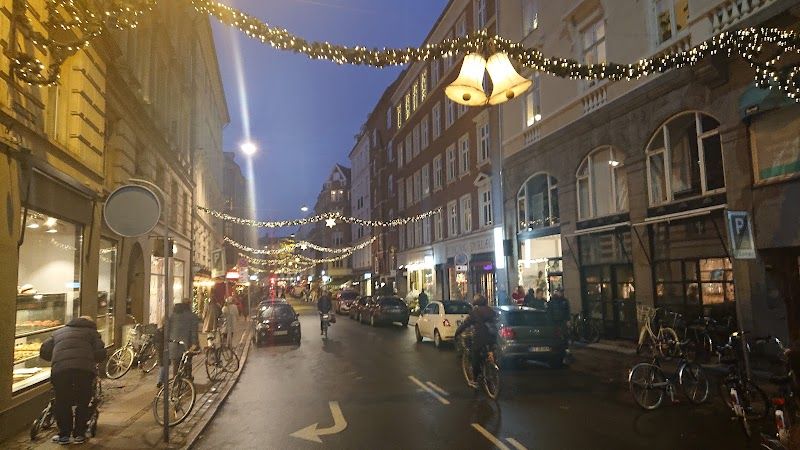
Copenhagen built its reputation as a cycling city through infrastructure, not just culture. The city provides dedicated bike lanes that separate cyclists from both pedestrians and cars, making cycling genuinely safe and efficient. Copenhagen Bicycles rents quality bikes, but the real revelation comes from experiencing how the entire city accommodates two-wheeled transportation. Traffic lights include bike signals, parking facilities cater to cyclists, and the flat geography means you never face daunting hills.
Stockholm's transportation advantage comes from its water connections. Ferries connect the city's various islands and extend into the Stockholm archipelago, turning commuting into sightseeing. The T-bana subway system impressively carved stations directly into bedrock, creating unique underground spaces that feel more like art installations than transportation hubs.
Both cities offer excellent public transport, but Copenhagen's metro runs 24/7 on weekends (a rarity in Europe), while Stockholm's system shuts down around 1 AM. For airport connections, both charge similar amounts - Copenhagen's airport train costs DKK 39, while Stockholm's Arlanda Express runs around EUR 30.
Cultural Attractions: Royal Grandeur vs Democratic Design
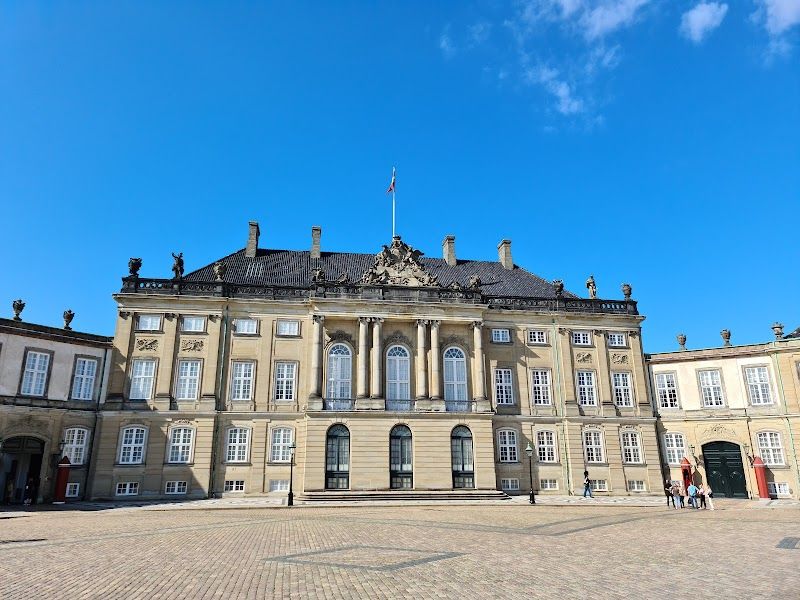
Stockholm wins the royal palace competition decisively. The Swedish Royal Palace contains over 600 rooms and stays active as a working royal residence, while Copenhagen's Amalienborg feels smaller and less grand. Stockholm's Vasa Museum, housing a 17th-century warship that sank in Stockholm harbor, provides a uniquely Swedish cultural experience that no other city can replicate.
Copenhagen counters with more democratic cultural offerings. Tivoli Gardens (DKK 155 admission) operates as both amusement park and cultural venue, hosting concerts and maintaining beautiful gardens in the city center. The park influenced Walt Disney's vision for Disneyland, but Tivoli integrates into Copenhagen's urban fabric rather than existing as an isolated attraction.
Freetown Christiania presents Copenhagen's alternative culture openly. This autonomous neighborhood operates by its own rules within Copenhagen's boundaries, creating a fascinating social experiment that Stockholm cannot match. Whether you appreciate Christiania's counterculture depends on your perspective, but its existence demonstrates Copenhagen's tolerance for alternative lifestyles.
Museum Comparison:
| Copenhagen | Stockholm | Advantage |
|---|---|---|
| National Museum (DKK 130) | Vasa Museum | Stockholm - unique naval history |
| Design Museum (DKK 130) | Modern Museum | Copenhagen - design leadership |
| Ny Carlsberg Glyptotek | National Museum | Tie - both excellent collections |
Nightlife and Entertainment: Different Energy Levels
Copenhagen's nightlife centers around craft beer culture and intimate venues. Mikkeller Bar in Vesterbro represents Copenhagen's serious approach to beer, serving complex brews in a knowledgeable environment. The city's bars stay open until 2 AM on weekends, with many venues transitioning from restaurant to bar as the evening progresses.
Stockholm's nightlife skews younger and more energetic, with larger clubs and a more party-focused atmosphere. The city's student population creates demand for livelier venues, while Stockholm's archipelago setting enables unique summer parties on boats and islands. However, Stockholm's alcohol prices remain high (though lower than Copenhagen's), which limits spontaneous bar hopping.
Both cities quiet down significantly during winter months when darkness arrives by 3:30 PM, but they handle this differently. Copenhagen embraces hygge culture, encouraging cozy indoor gatherings with candles and warm drinks. Stockholm approaches winter more practically, with well-lit public spaces and indoor cultural programming that keeps residents engaged.
When to Visit Each City
Copenhagen vs Stockholm timing depends heavily on your tolerance for limited daylight. Both cities experience dramatic seasonal variations, but they peak at different moments.
Copenhagen's Optimal Timing:
- May through September for cycling weather and outdoor dining
- December for Christmas markets and hygge atmosphere
- Avoid November and February when weather turns genuinely unpleasant
Stockholm's Best Seasons:
- June through August for archipelago access and midnight sun
- September for autumn colors and fewer crowds
- March for winter activities without extreme cold
Summer brings white nights to both cities, but Stockholm's northern latitude creates more dramatic light variations. Copenhagen's summer stays pleasant without becoming overwhelming, while Stockholm can feel almost magical during peak summer when the sun barely sets.
Food Costs and Dining Culture
The Copenhagen vs Stockholm food comparison reveals fundamental differences in dining culture. Copenhagen treats meals as experiences worth investing time and money, evidenced by the city's concentration of Michelin-starred restaurants and the global influence of New Nordic cuisine. A quality lunch of smørrebrød costs DKK 95-140, but this represents a complete meal with complex flavors and careful presentation.
Stockholm approaches food more practically, serving generous portions at reasonable prices. Traditional Swedish restaurants offer substantial meals for around EUR 15-20, making it easier to eat well without budget concerns. However, Stockholm's food scene lacks Copenhagen's innovation and international recognition.
Copenhagen's food markets like Torvehallerne operate year-round and feature local producers selling directly to consumers. Stockholm's food markets tend toward tourist-oriented offerings rather than genuine local food culture.
Making the Final Choice: Copenhagen vs Stockholm
Choose Copenhagen if you prioritize cutting-edge design, dining, cycling infrastructure, and don't mind paying premium prices for premium experiences. The city rewards travelers who appreciate culinary innovation, architectural beauty at human scale, and the Danish concept of hygge as a lifestyle philosophy.
Choose Stockholm if you want dramatic natural settings, royal grandeur, better value for money, and prefer exploring multiple islands connected by water transport. Stockholm suits travelers who enjoy outdoor activities, appreciate traditional Scandinavian culture, and want their Nordic experience mixed with genuine wilderness access through the archipelago.
Neither city disappoints, but they satisfy different travel personalities. Copenhagen feels more cosmopolitan and design-conscious, while Stockholm maintains stronger connections to traditional Scandinavian culture and natural beauty. Your preference between Copenhagen vs Stockholm ultimately depends on whether you value urban sophistication or natural grandeur more highly.
For first-time Nordic visitors, Copenhagen offers a more concentrated cultural experience that can be thoroughly explored in 2-3 days. Stockholm requires more time to appreciate fully, especially if you want to explore the archipelago that defines the city's character. Both cities provide excellent introductions to Scandinavian culture, but they do so through distinctly different approaches that reflect their national personalities.
The Copenhagen vs Oslo comparison often arises as well, but Stockholm and Copenhagen represent the two most developed and internationally recognized Nordic capitals. Both cities have successfully exported their cultural influence globally - Copenhagen through design and cuisine, Stockholm through music and technology. Your choice between them should align with which cultural export speaks to your travel interests more strongly.