The best Naples food market is not where you think it is. While tourists queue for pizza at Da Michele, Neapolitans wake up at 6 AM to get first pick of the San Marzano tomatoes at Mercato di Porta Nolana. The vendors know which mozzarella di bufala arrived that morning, which catch came in from Pozzuoli at dawn, and exactly how many hours those zucchini flowers have been off the vine.
The city that invented pizza sources its ingredients from neighborhood markets that have operated on the same corners for centuries. These markets don't cater to food tourists taking photos. They serve the mamme who cook for extended families, the chefs who run the best restaurants in the centro storico, and the locals who understand that great food starts with great ingredients.
Mercato di Porta Nolana: The Fish Market That Feeds Naples
Mercato di Porta Nolana stretches along Corso Garibaldi near the central train station, operating Monday through Saturday from 6 AM to 2 PM. This is Naples' primary fish market and the place where restaurant owners source their seafood for the day.
The market splits into two distinct sections. The covered fish hall houses permanent vendors selling everything from local anchovies (EUR 8-12 per kg) to fresh swordfish steaks (around EUR 18-22 per kg). The quality is exceptional because the turnover is high - what doesn't sell by noon gets heavily discounted or thrown out.
Outside the fish hall, produce vendors set up along the street selling vegetables, fruits, and pantry staples. Here you'll find the best San Marzano tomatoes in the city (EUR 3-4 per kg when in season), along with the tiny Piennolo del Vesuvio tomatoes that grow in volcanic soil and keep for months without refrigeration.
What to buy at Porta Nolana:
- Fresh anchovies from the Bay of Naples (EUR 8-12 per kg)
- Mozzarella di bufala from local producers (EUR 12-16 per kg)
- San Marzano tomatoes during summer season (EUR 3-4 per kg)
- Fresh pasta made that morning (EUR 6-8 per kg)
- Olive oil from small Campanian producers (EUR 8-15 per 500ml bottle)
The vendors here don't speak English, but they respect customers who know what they're looking for. Point to what you want, ask "quanto costa?" for the price, and pay in cash. Most vendors give small tastes if you're buying significant quantities.
Pignasecca Market: The Neighborhood Institution
Pignasecca operates in the heart of the Quartieri Spagnoli, running along Via Pignasecca and the surrounding streets. This market has served the Spanish Quarter since the 16th century and maintains the feel of a neighborhood institution rather than a tourist destination.
The market operates Monday through Saturday from 8 AM to 2 PM, with the best selection available before 11 AM. Unlike Porta Nolana, Pignasecca focuses primarily on produce, prepared foods, and household goods.
Vendors here specialize in ingredients for traditional Neapolitan cooking. You'll find the best selection of preserved vegetables in the city, including the pickled vegetables (giardiniera) that appear on every antipasti plate in Naples. The cheese vendors carry proper aged provolone del Monaco (around EUR 18-25 per kg) and fresh ricotta made daily at local farms.
Pignasecca specialties:
- Aged cheeses from Campanian producers
- Preserved vegetables and pickles
- Fresh herbs including basil for pesto
- Dried pasta from local manufacturers
- Seasonal fruits at below-supermarket prices
The prepared food section of Pignasecca deserves special attention. Several vendors sell ready-made ragù Napoletano that has been simmering since dawn, along with fresh pasta sauces and prepared vegetables. A container of proper ragù costs around EUR 6-8 per kg and tastes better than what most restaurants serve.
La Pignasecca: Street Food and Quick Eats
The streets around Pignasecca market transform into Naples' best street food destination during market hours. This isn't the sanitized street food you find in food halls - it's vendors cooking on portable burners, selling food that locals eat for breakfast and lunch.
Street food highlights:
- Cuoppo fritto (mixed fried seafood in a paper cone): EUR 4-6
- Pizza a portafoglio (folded pizza slice): EUR 2-3
- Arancini filled with ragù or mozzarella: EUR 2-4
- Fresh sfogliatella from mobile vendors: EUR 1.5-3
- Panzerotti fried and filled with tomato and mozzarella: around EUR 3-4
The quality varies significantly between vendors. Look for the ones with the longest lines of locals, not tourists. The best vendors sell out by 1 PM, so arrive before noon for the full selection.
Mercato di Montesanto: The Local Grocery Alternative
Montesanto market operates near the Montesanto funicular station, serving residents of both the Spanish Quarter and Vomero neighborhoods. This smaller market focuses on everyday groceries and household items rather than specialty ingredients.
The produce selection at Montesanto emphasizes value over variety. Vendors here compete primarily on price, making it the best place in central Naples to buy basic ingredients like onions, potatoes, and seasonal vegetables. The quality is good, but don't expect the premium products you'll find at Porta Nolana.
Why shop at Montesanto:
- Lowest prices on basic vegetables and fruits
- Fresh bread from local bakeries
- Household items and kitchenware
- Less crowded than the major markets
- Easy access via funicular from Vomero
The bread vendors at Montesanto deserve special mention. They sell fresh loaves from bakeries throughout Naples, including the dense, chewy pane cafone that's traditional to the region. A loaf costs EUR 1.5-2.5 and stays fresh for several days.
Mercato dell'Antignano: Vomero's Neighborhood Market
Residents of Vomero shop primarily at the small market on Via dell'Antignano, which operates Tuesday, Thursday, and Saturday mornings from 8 AM to 1 PM. This market caters to the middle-class families who live on the hill above the centro storico.
The quality here is consistently high because the customer base can afford to be picky. Vendors specialize in organic produce, artisanal cheeses, and prepared foods that save time for working families. Prices run about 20-30% higher than at Pignasecca, but the convenience and quality justify the premium.
Antignano specialties:
- Organic vegetables from farms outside Naples
- Artisanal bread from small bakeries
- Fresh pasta made daily
- High-quality prepared foods
- Imported specialties and gourmet items
The pasta vendor at Antignano makes fresh lingualle vongole sauce daily using clams from the local markets. A container serving two people costs around EUR 8-10 and represents the kind of convenience food that makes daily life easier for locals.
Shopping Strategy: When and How to Navigate Naples Markets
Successful market shopping in Naples requires timing and tactics. The best selection appears between 8 AM and 10 AM, when vendors have fully restocked and everything is fresh. By noon, popular items start selling out, and by 2 PM most vendors are packing up.
Essential market etiquette:
- Bring cash in small denominations
- Don't touch produce unless invited to do so
- Ask prices before selecting items
- Expect to negotiate on larger purchases
- Keep bags and valuables secure in crowded areas
Vendors appreciate customers who understand the rhythm of market shopping. They'll often throw in extra herbs or give discounts to regular customers. Building relationships with specific vendors leads to better prices and first access to premium products.
Seasonal Specialties: What to Look for Throughout the Year
Naples markets reflect the agricultural calendar of Campania. Understanding what's in season helps you find the best prices and highest quality ingredients.
Spring (March-May):
- Artichokes from local farms (EUR 2-3 each)
- Fresh fava beans (EUR 4-6 per kg)
- Asparagus from Campanian producers (EUR 6-8 per kg)
- Early tomatoes and peppers
- Fresh peas and snap peas
Summer (June-August):
- Peak season San Marzano tomatoes (EUR 3-4 per kg)
- Zucchini and zucchini flowers (around EUR 2-3 per kg)
- Eggplants and peppers at their best
- Fresh basil and herbs
- Stone fruits from regional orchards
Fall (September-November):
- Mushrooms from the mountains (EUR 8-15 per kg)
- Chestnuts roasted by street vendors (EUR 3-4 per bag)
- Late tomatoes for preserving
- Olive oil from the new harvest (EUR 10-20 per bottle)
- Citrus fruits beginning to appear
Winter (December-February):
- Citrus at peak quality and lowest prices
- Preserved vegetables and pickles
- Dried legumes and grains
- Root vegetables and hardy greens
- Specialty items for holiday cooking
Comparing Market Prices to Supermarkets
Naples markets consistently beat supermarket prices on fresh produce, seafood, and local specialties. A typical comparison shows markets offering 30-50% savings on seasonal vegetables and fruits.
| Item | Supermarket Price | Market Price | Savings |
|---|---|---|---|
| San Marzano tomatoes (1kg) | EUR 5-6 | EUR 3-4 | 35% |
| Fresh mozzarella di bufala (500g) | EUR 8-10 | EUR 6-8 | 25% |
| Local olive oil (500ml) | EUR 12-15 | EUR 8-12 | 30% |
| Fresh anchovies (1kg) | Not available | EUR 8-12 | - |
| Seasonal vegetables (1kg) | EUR 3-4 | EUR 2-3 | 40% |
The savings add up quickly for regular shoppers. A weekly grocery shop for a family of four typically costs EUR 60-80 at markets versus EUR 90-120 at supermarkets, with significantly better quality on fresh items.
Beyond Ingredients: Kitchen Equipment and Specialty Items
Naples markets also serve as sources for traditional cooking equipment and specialty items that don't appear in regular stores. Several vendors at Porta Nolana sell traditional pasta-making equipment, including the wooden boards used for making orecchiette and the metal dies for forming cavatelli.
Specialty market finds:
- Traditional pasta-making tools (EUR 15-30)
- Ceramic serving dishes from local artisans (EUR 10-50)
- Vintage kitchen equipment and utensils
- Hard-to-find spices and seasonings
- Traditional preserving jars and containers
The kitchenware vendors often carry items that have been discontinued elsewhere, including traditional moka pots in unusual sizes and hand-forged knives from small Italian manufacturers.
Food Markets as Cultural Experience
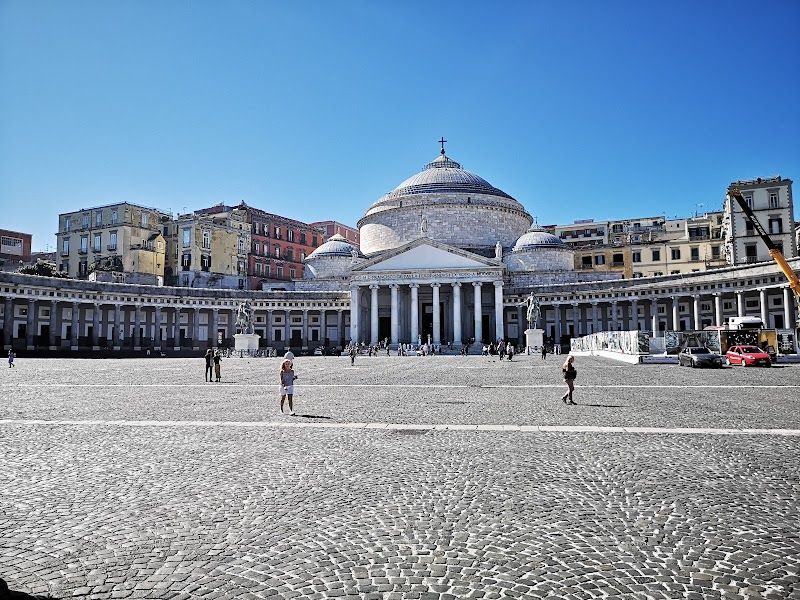
Shopping at Naples food markets provides insight into daily life that you won't get from visiting tourist sites like Spaccanapoli or Piazza del Plebiscito. These markets represent genuine Neapolitan culture, where food shopping is a social activity and vendors take pride in their knowledge of ingredients and preparation techniques.
The conversations at market stalls often center around recipes, cooking techniques, and family food traditions. Vendors frequently offer cooking advice along with ingredients, explaining how to prepare unfamiliar vegetables or suggesting wine pairings for specific dishes.
For visitors staying in apartments or planning to cook, Naples markets offer access to ingredients that will elevate home cooking far above what's possible with supermarket purchases. The difference in taste between market-bought San Marzano tomatoes and their supermarket equivalents is substantial enough to affect the final quality of any dish.
Practical Information for Market Shopping
Most Naples food markets operate on similar schedules, but specific hours and days vary by location. Porta Nolana and Pignasecca both close on Sundays, while smaller neighborhood markets may operate only two or three days per week.
Transportation to markets is straightforward using public transit. An [ANM daily travel pass](EUR 3.5) provides unlimited access to metro, buses, and trams, making it easy to visit multiple markets in a single day. The Porta Nolana market sits directly adjacent to the Garibaldi train station, while Pignasecca is accessible via the Montesanto metro stop.
Bringing reusable bags is essential, as most vendors charge for plastic bags or don't provide them at all. A small wheeled cart makes sense if you're planning significant purchases, though be prepared to navigate crowded streets and uneven pavement.
For visitors interested in Naples' food culture beyond markets, our comprehensive Naples food guide covers the city's best restaurants, pizza spots, and pastry shops. The markets provide ingredients for cooking at home, while the restaurants show how those same ingredients transform into the dishes that made Neapolitan cuisine famous worldwide.