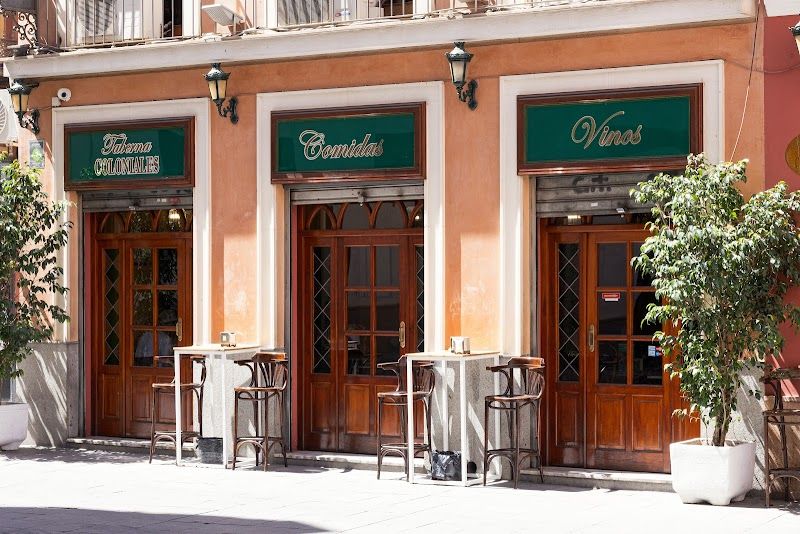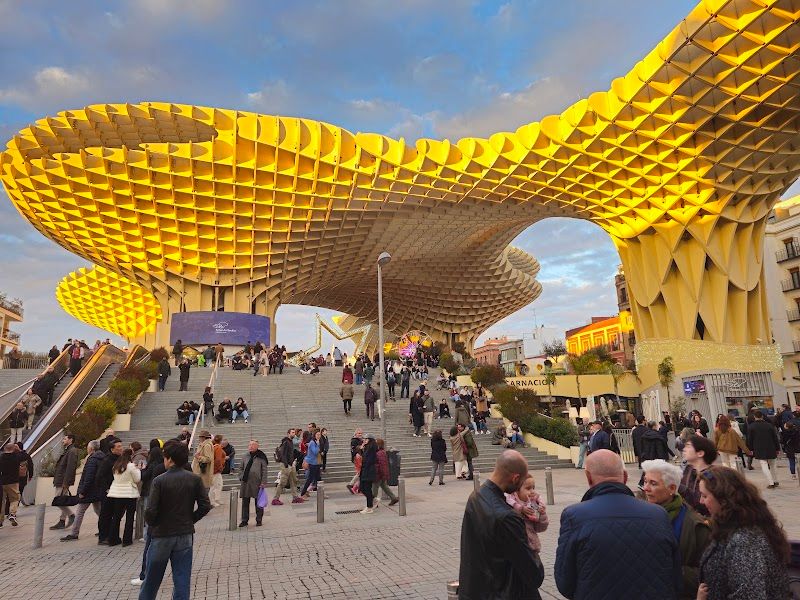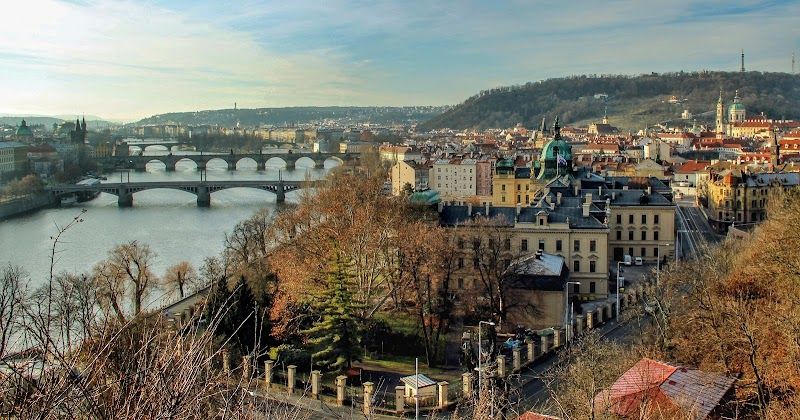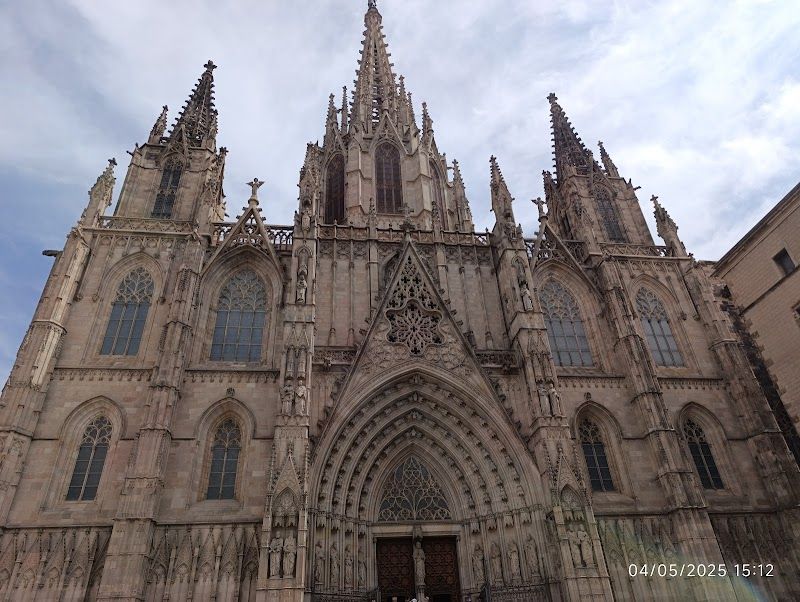
Should you visit Barcelona or Seville? The answer isn't about which city is "better" - it's about which one matches what you actually want from Spain. Barcelona gives you Gaudí's architectural fever dreams, legitimate beaches within metro reach, and tapas bars that stay open until 2 AM. Seville offers the Spain of your imagination: flamenco echoing through cobblestone streets, orange trees lining every plaza, and Gothic cathedrals that make you understand why Columbus sailed west.
Here's the truth about the Barcelona vs Seville debate: if you're visiting Spain once, Barcelona delivers more variety. If you want to understand Spanish culture deeply, Seville wins. But let's get specific about what each city actually offers.
Architecture: Gaudí's Modernisme vs Mudéjar Masterpieces
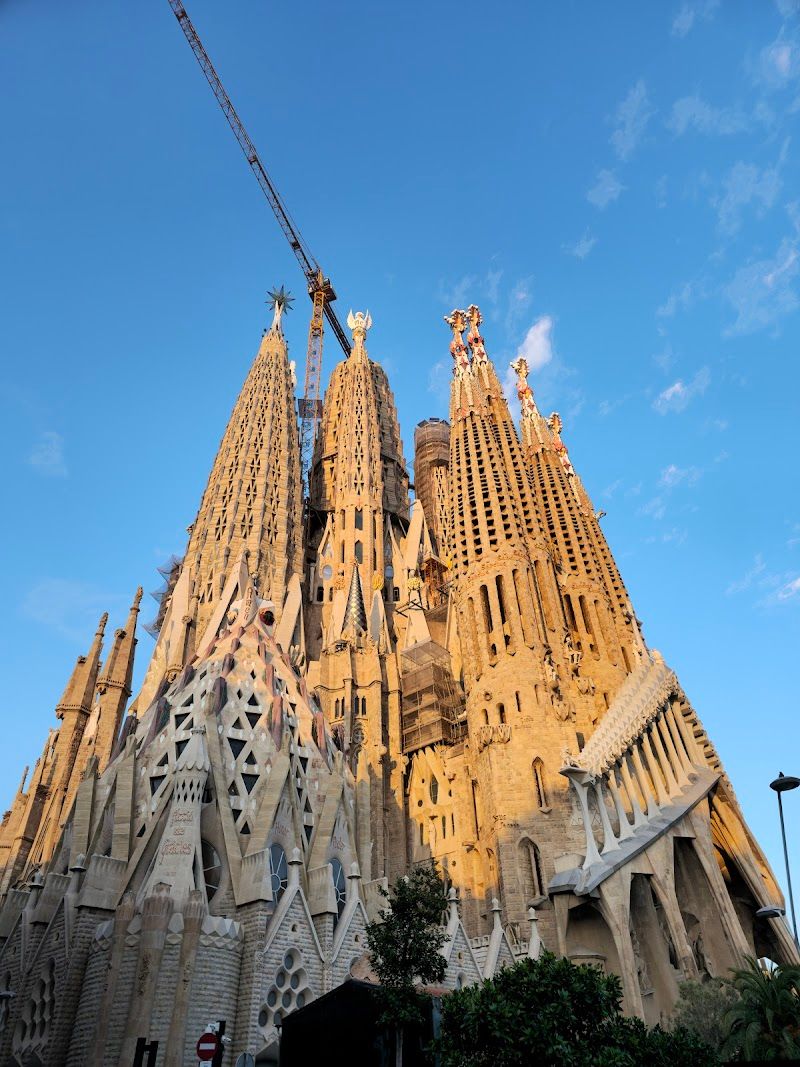
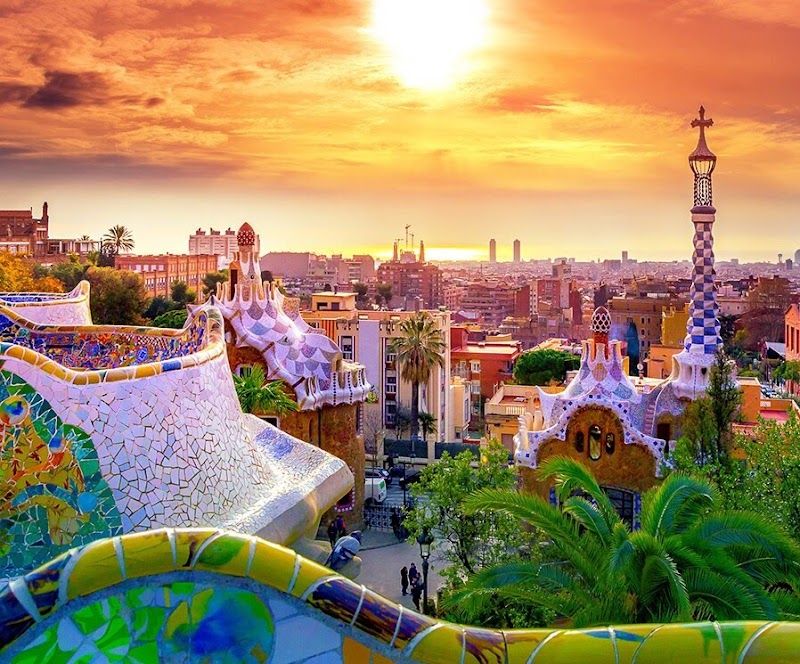
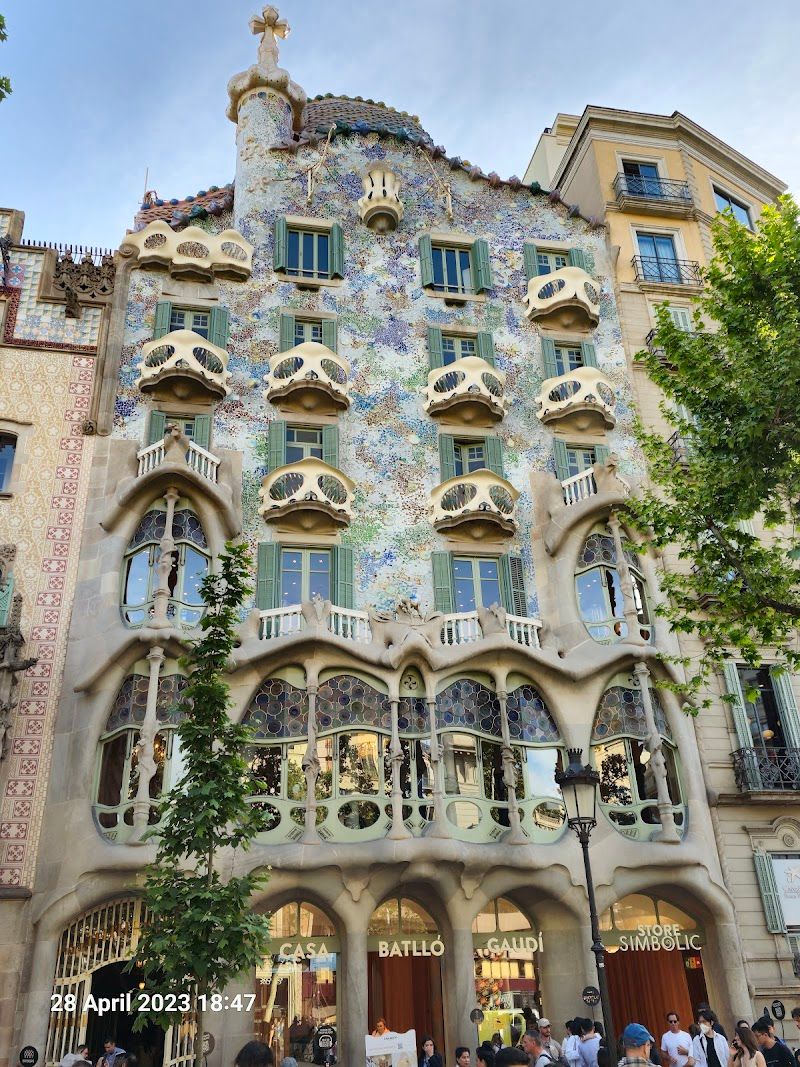
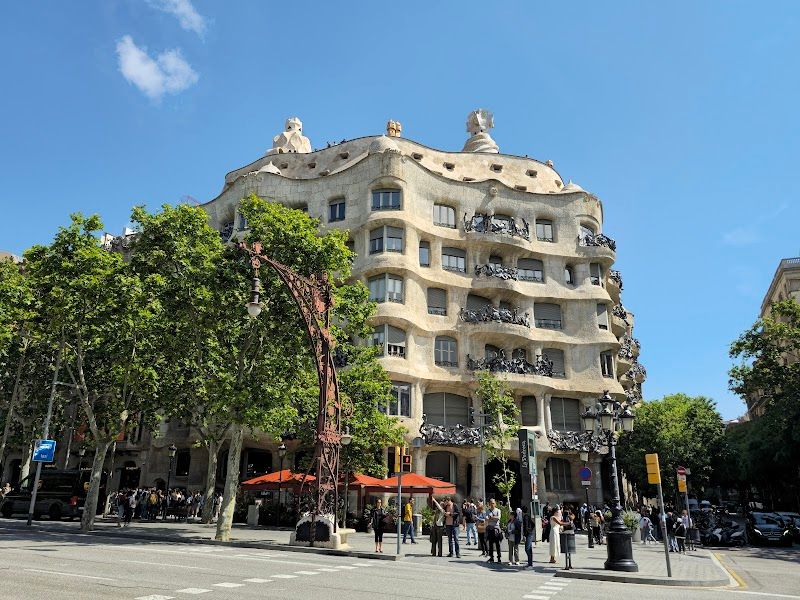
Barcelona's architecture revolves around one man: Antoni Gaudí. The Sagrada Familia (EUR 26) is genuinely as impressive as every photo suggests, but it's Park Güell (EUR 18) that shows Gaudí's complete vision - a fairy tale city where even the benches curve organically. Casa Batlló and La Pedrera on Passeig de Gràcia prove that apartment buildings can be art.
Seville's architecture tells a different story. The Alcázar palace complex showcases Mudéjar style - the Islamic-influenced architecture that emerged after the Christian reconquest. The cathedral is the world's largest Gothic structure, housing Columbus's tomb. The Plaza de España, built for the 1929 exhibition, spans an entire city block with its semi-circular colonnade.
The verdict: Barcelona's architecture is more concentrated and Instagram-friendly. Seville's spreads across the entire city center, creating an immersive historical experience.
Food and Dining: Catalan Sophistication vs Andalusian Tradition
Barcelona food costs are higher but offer more international variety. A menu del día lunch costs EUR 12-18, while dinner at a mid-range restaurant runs EUR 25-45 per person with wine. The city's food scene spans from traditional tapas at El Xampanyet in El Born to innovative pintxos at Quimet & Quimet in Poble Sec.
Seville's food focuses on Andalusian classics executed perfectly. Expect to pay approximately EUR 8-12 for lunch menus and EUR 18-35 for dinner. The city invented tapas culture - small plates were literally covers (tapas) placed over wine glasses. Try jamón ibérico, gazpacho, and pescaíto frito (fried fish) in bars around Alameda de Hércules.
The food winner: Barcelona for variety and innovation, Seville for authentic Spanish flavors and lower prices.
Weather and Seasons: Mediterranean Coast vs Inland Heat
Barcelona's Mediterranean climate means comfortable summers (average 28°C) and mild winters (15°C). The beach season runs May through October, with water temperatures reaching 24°C in August. Rain is moderate and mostly falls in autumn.
Seville's continental climate brings extreme summers - July and August regularly hit 40°C. Winters are mild (16°C average) but can be surprisingly cool. The best weather occurs April-June and September-November. Summer afternoons are brutal for sightseeing.
Weather planning: Visit Barcelona year-round, but summer offers beaches and outdoor dining. Seville is perfect in spring and fall but nearly unbearable in summer.
Nightlife: Late-Night Beaches vs Flamenco Authenticity
Barcelona's nightlife doesn't start until midnight. Begin with cocktails at Paradiso (hidden behind a pastrami bar), then hit the beach clubs in Barceloneta or dance until sunrise in El Raval. The Gothic Quarter offers jazz at Jamboree and cocktails that rival London or New York.
Seville's nightlife centers around flamenco and traditional bars. Authentic flamenco happens in small venues in Triana neighborhood, not tourist tablao shows. The Alameda area buzzes with locals drinking fino sherry and eating tapas until 2 AM. Summer brings rooftop bars to escape the heat.
Nightlife winner: Barcelona for variety and international energy, Seville for authentic Spanish atmosphere.
Getting Around: Metro Efficiency vs Walking City
Barcelona transportation is comprehensive. The T-casual 10-trip metro card costs EUR 13 for zone 1, covering the entire city center. A single metro ticket costs EUR 2.55. Airport access requires the L9 Sud line (EUR 5.50) or Aerobus (EUR 7.75). The city is bikeable with Bicing stations everywhere.
Seville is a walking city. The historic center spans just 4 square kilometers, and most attractions are within 20 minutes' walk of each other. The tram system connects suburbs, and buses cover longer distances. Bike sharing (Sevici) costs approximately EUR 13 per week.
Transportation verdict: Barcelona requires planning and metro cards, Seville rewards comfortable walking shoes.
Cultural Sites: Museums vs Living History
Barcelona packs museums into compact neighborhoods. The Picasso Museum (EUR 12) showcases the artist's Blue Period works. MNAC houses the world's best Romanesque art collection. The Gothic Quarter contains Roman ruins, medieval palaces, and hidden courtyards.
Seville turns the entire city into a museum. The cathedral and Alcázar complex could occupy a full day. The Museo de Bellas Artes houses Murillo and Zurbarán paintings. But the real culture happens in the streets - Orange trees, horse-drawn carriages, and spontaneous flamenco create an immersive historical experience.
Cultural comparison: Barcelona concentrates culture into specific sites and museums. Seville spreads it across daily life and public spaces.
Day Trip Options: Montserrat vs Córdoba
From Barcelona, day trips include the mystical Montserrat monastery (1 hour by train), Girona's medieval streets (1.5 hours), or French Perpignan (2 hours). The Costa Brava beaches like Tossa de Mar make excellent summer escapes.
Seville opens Andalusia's greatest hits: Córdoba's Mezquita mosque-cathedral (2.5 hours by train), Granada's Alhambra (3 hours), Jerez for sherry tasting (1 hour), or Portugal's Porto (6 hours by bus). Each destination offers distinct architectural and cultural experiences.
Day trip advantage: Seville, for access to Andalusia's UNESCO World Heritage sites.
Budget Breakdown: Which City Costs More
| Category | Barcelona | Seville |
|---|---|---|
| Accommodation (mid-range) | EUR 110-200 | EUR 60-120 |
| Daily meals | EUR 35-50 | EUR 25-40 |
| Local transport | EUR 13 (10 trips) | EUR 15 (walking + occasional bus) |
| Major attraction | EUR 26 (Sagrada Familia) | EUR 14 (Cathedral + Alcázar) |
| Beer at bar | EUR 2.50-4 | EUR 2-3 |
Budget verdict: Seville costs 20-30% less than Barcelona across all categories.
The Final Decision: Barcelona or Seville
Choose Barcelona if you want:
- Architectural innovation (Gaudí's complete works)
- Beach access within the city
- International food scene and nightlife
- Efficient public transportation
- Year-round comfortable weather
Choose Seville if you want:
- Authentic Spanish culture and traditions
- Lower overall costs
- Walkable historic city center
- Gateway to Andalusia's highlights
- Immersive historical atmosphere
First-time Spain visitors should choose Barcelona for its combination of Spanish culture and international sophistication. The city offers beaches, architecture, food, and nightlife in one package. Check our Barcelona 3-day itinerary for first-timer planning.
Repeat Spain visitors or those seeking authentic Spanish culture should choose Seville. The city provides deeper cultural immersion and costs less. Plus, it's perfectly positioned for exploring Córdoba, Granada, and southern Spain.
The honest answer to "should I visit Barcelona or Seville" depends on your travel priorities. Barcelona delivers variety and convenience. Seville offers authenticity and value. Both cities justify their reputations, just for completely different reasons.