Barcelona's food scene isn't just about paella and sangria - though you'll find excellent versions of both if you know where to look. This Barcelona food guide focuses on what Catalans actually eat, from the morning cortado and croissant ritual to the late-night pintxos crawl that doesn't start before 11 PM.
The city operates on its own food schedule that takes exactly one day to embrace and a lifetime to want to leave behind. Breakfast happens twice - a quick coffee and pastry at 8 AM, then a proper mid-morning break around 11 with a bocadillo. Lunch is sacred from 1:30 to 4 PM, dinner doesn't start before 9 PM, and the best bars fill up after midnight. This isn't tourist theater - this is how a Mediterranean city eats when it follows its natural rhythms.
Essential Barcelona Foods to Try
Pan con Tomate (Pa amb Tomàquet)
This is Catalonia on a plate. Grilled bread rubbed with garlic, fresh tomato, olive oil, and sea salt. Every Barcelona local has an opinion on the proper technique - the tomato should be ripe enough to disintegrate on contact, the bread should have enough char to provide texture contrast, and the olive oil should be Catalan if possible.
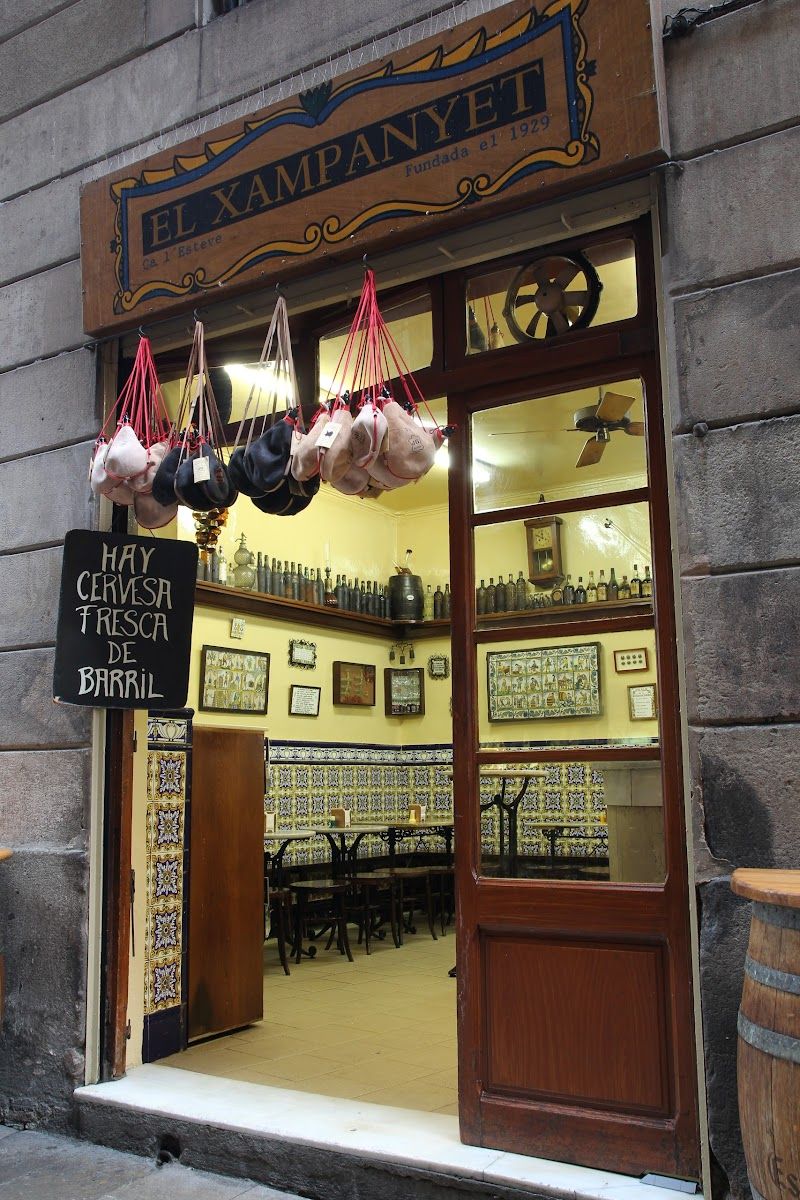
You'll find pan con tomate at every meal. It's the base for many tapas, the side dish that comes with grilled meats, and the midnight snack that pairs with vermouth. At El Xampanyet in Born, they've been serving the same version since 1929 - no variations, no modernizations, just tomato pulp, good bread, and Arbequina olive oil.
Patatas Bravas
Forget what you think you know about patatas bravas from other Spanish cities. Barcelona's version uses aioli alongside the spicy tomato sauce - a combination that purists in Madrid consider heretical and locals consider essential. The potatoes should be cubed, not sliced, fried until crispy outside and fluffy inside, then dressed with both sauces.
The best bravas appear in neighborhood bars where they make the aioli fresh and the tomato sauce has enough pimentón to leave a gentle burn. Avoid anywhere that serves them with ketchup or pre-made sauces.
Bombas
These are Barcelona's answer to croquettes - spherical fried potatoes stuffed with meat, topped with aioli and spicy sauce. They originated in Barceloneta's working-class bars as filling, cheap food for fishermen and dock workers. La Cova Fumada in Barceloneta invented them in the 1960s and still makes the best version - order them with a small beer and prepare to understand why locals consider this neighborhood sacred.
Escalivada
Roasted vegetables are elevated to art form in Catalan cooking. Eggplant, red peppers, and onions are charred over open flames until their skins blacken, then peeled and dressed simply with olive oil and salt. The result tastes like concentrated summer - smoky, sweet, and completely satisfying on grilled bread.
Escalivada appears as a tapa, a side dish, or the base for more elaborate preparations. Look for versions where the vegetables still show char marks - this indicates proper flame-roasting rather than oven-baking.
Jamón Ibérico
Not technically Catalan, but Barcelona takes its ham seriously. The best restaurants serve bellota-grade Ibérico - from acorn-fed pigs in Extremadura or Andalusia - sliced to order on a manual slicer. The fat should be creamy white with a nutty flavor, the meat deep red and complex.
Expect to pay EUR 25-35 for a proper plate at restaurants specializing in jamón. Cheaper versions exist, but the difference in quality justifies the price difference.
Fideuà
This is paella made with short noodles instead of rice, and it's often better than paella itself. The noodles absorb the seafood broth while maintaining their texture, creating a dish that's both familiar and distinctly different. Traditional fideuà uses monkfish, langostinos, and mussels, finished with aioli.
The best fideuà comes from Barceloneta's beachfront restaurants, where they make it in large pans over gas flames. Avoid anywhere that pre-makes it or reheats portions.
Where to Eat Barcelona Food by Neighborhood
Gothic Quarter Food Guide
The Gothic Quarter contains both Barcelona's worst tourist traps and some of its most authentic bars. The rule is simple: if they have English menus posted outside and photos of food, keep walking. The best places look like neighborhood bars because they are neighborhood bars.
Granja Viader on Carrer d'en Xuclà has served hot chocolate and ensaimadas since 1870. They invented Cacaolat, the chocolate milk that's Barcelona's unofficial drink. Order the xocolata calenta with whipped cream and understand why Catalans consider this a proper breakfast.
For evening tapas, slip into the bars around Carrer de la Mercè where vermouth costs EUR 2.50 and comes with free tapas. These aren't gourmet small plates - they're anchovies, olives, and cheese that exist to keep you drinking, which is exactly their purpose.
El Born & La Ribera Barcelona Cuisine
El Born is where Barcelona's food scene found its confidence. The medieval streets hide restaurants that range from traditional tapas bars unchanged since the 1940s to modern Catalan cuisine that respects tradition while pushing boundaries.
Cal Pep on Plaça de les Olles draws lines of locals and food-obsessed tourists for standing-room-only tapas served by waiters who remember your order. The grilled artichokes with jamón, the tortilla, and whatever seafood arrived fresh that morning justify the wait and the EUR 40-50 per person cost.
Santa Caterina Market on Avinguda de Francesc Cambó offers the Gothic Quarter's La Boqueria without the cruise ship crowds. The bar inside serves proper breakfast bocadillos and excellent coffee to market vendors and neighborhood residents.
Barceloneta Local Food Scene
Barceloneta remains Barcelona's most authentic food neighborhood because it's still a working fishing district where restaurants exist primarily for locals. The narrow streets between the port and Platja de la Barceloneta hide family-run bars that haven't changed their recipes in decades.
La Cova Fumada invented bombas and still makes them the same way - no reservations, no credit cards, no English, just excellent food. Arrive early (they open at noon) or prepare to wait.
The beachfront restaurants along Passeig Marítim serve tourist-focused paella, but the small bars one street back - on Carrer de Baluard and Carrer de la Maquinista - serve fideuà, grilled sardines, and seafood rice to fishermen who know the difference.
Poble Sec Food Specialties
Poble Sec has Barcelona's highest concentration of excellent restaurants per square meter. Carrer de Blai is the main thoroughfare, lined with pintxos bars where small plates cost EUR 2-4 and the evening crowd includes more Catalans than tourists.
Quimet & Quimet on Carrer del Poeta Cabanyes serves conservas (high-quality canned seafood) as sophisticated tapas. Standing room only, excellent wine selection, and montaditos that transform tinned fish into gourmet experiences.
The neighborhood's elevated position provides cooler evenings and locals who treat dinner as a social event rather than a rushed meal. Plan to spend EUR 25-35 per person for a proper Poble Sec evening with wine.
Gràcia Authentic Barcelona Dining
Gràcia still feels like an independent town, which shows in its food culture. The restaurants serve neighborhood residents rather than tourists, which means better prices, more authentic preparations, and dining rooms that feel like community centers.
The small squares - Plaça del Sol, Plaça de la Vila de Gràcia, Plaça de la Revolució - contain bars where menu del dia costs EUR 12-15 and includes wine. This isn't tourist-targeted pricing - this is what Catalans pay for weekday lunch.
Vegetarian and international options appear more frequently here than in older neighborhoods, reflecting Gràcia's younger, more diverse population.
Barcelona Food Specialties by Meal
Barcelona Breakfast Culture
Barcelona breakfast happens twice. The first is quick - cortado and croissant at a neighborhood bar around 8 AM, standing at the counter, finished in five minutes. The croissant costs EUR 1.50-3, the coffee EUR 1.50-2.50, and the experience connects you to the city's daily rhythm.
The second breakfast, around 11 AM, involves a bocadillo - crusty bread filled with jamón, cheese, tortilla, or grilled vegetables. This is more substantial fuel for the long stretch until the 2 PM lunch.
Granja Viader and similar granjas (dairies) serve the traditional Catalan breakfast of hot chocolate, ensaimadas, and xuixos. This is weekend food, celebration food, or hangover food - too rich for daily consumption but special occasions.
Traditional Lunch in Barcelona
Lunch is Barcelona's most important meal, and menu del dia is the city's greatest food bargain. From 1:30 to 4 PM, restaurants offer three-course lunches with wine for EUR 12-18. The quality ranges from basic to excellent, but even basic versions provide proper nutrition, local flavors, and insight into how Catalans eat daily.
The best menu del dia appears in neighborhoods where locals work - around hospitals, offices, and markets. Tourist areas offer menu del dia as well, but the quality suffers and the prices increase.
Lunch follows a pattern: salad or soup, main course with sides, dessert (often fresh fruit or yogurt), plus bread and wine. This meal structure supports the afternoon siesta and late dinner - substantial enough to sustain energy until 9 PM.
Barcelona Dinner and Evening Food
Dinner starts late and builds slowly. Most locals begin with vermut (vermouth) and tapas around 7 PM, progress to more substantial plates by 9 PM, and finish with digestifs after 11 PM.
This isn't rushed tourist dining - this is social eating where food facilitates conversation, wine enhances flavors, and time moves at Mediterranean pace. Expect to spend 2-3 hours for a proper Barcelona dinner.
The best dining experiences happen when you surrender to this schedule. Book restaurants for 9:30 PM or later, plan for multiple courses, and prepare for nights that end later than you expect.
Price Guide for Barcelona Food
Barcelona food costs less than most major European cities, but prices vary significantly by location and restaurant type. Tourist areas (Las Ramblas, areas near Sagrada Familia) charge 30-50% more for identical food.
Menu del dia lunch: EUR 12-18 - The best food value in the city. Available Monday-Friday, 1:30-4 PM. Tapas per item: EUR 3-8 - Simple preparations (olives, bread with tomato) cost EUR 3-5. Elaborate tapas (seafood, meat preparations) cost EUR 6-8. Restaurant dinner, mid-range: EUR 25-45 per person - Including wine, in neighborhoods like Gràcia, Poble Sec, or Born. Coffee (cortado): EUR 1.50-3.50 - Traditional bars charge EUR 1.50-2. Specialty coffee shops charge EUR 3-3.50. Beer (caña): EUR 2.50-4 - Small draft beer at neighborhood bars. Tourist areas and craft beer cost EUR 5-7.
How to Eat Like a Local in Barcelona
Follow Barcelona's meal schedule religiously. Eating lunch at noon or dinner at 7 PM marks you immediately as a tourist and limits your restaurant options. Catalans eat late because the schedule works - substantial lunch, light afternoon snack, late dinner, and social drinking until midnight or beyond.
Stand at the bar when possible. Barcelona's food culture centers on bar service - faster, cheaper, and more social than table service. Many tapas bars charge less for standing customers and serve better food to people they can see and interact with.
Order wine with meals. Catalans drink wine with lunch and dinner as naturally as they drink water. House wine (vino de la casa) costs EUR 8-12 per bottle and pairs better with local food than imported options.
Embrace the social aspect. Barcelona dining is communal - share plates, order multiple small courses, and extend meals through conversation. Rushing through dinner is culturally inappropriate and limits your access to Barcelona's best food experiences.
The best Barcelona food experiences happen when you stop trying to eat like a tourist and start eating like someone who lives here. Book restaurants through local networks, eat when locals eat, and trust preparations that have satisfied Catalans for generations. This approach leads to better food, better prices, and a more authentic understanding of why Barcelona's food culture creates such fierce local loyalty.
For more specific restaurant recommendations organized by neighborhood, check out our comprehensive Where to Eat in Barcelona guide, which covers the best dining options in each district with specific addresses and insider tips.