The Barcelona food to try extends far beyond the paella tourists queue for along La Rambla. Real Catalan cuisine happens in neighborhood bars where locals eat standing up at 11 AM, in family restaurants that close at 4 PM for siesta, and in century-old establishments that have never printed a menu in English. This is food that tells the story of a Mediterranean port city with mountains behind it, French influence from the north, and a fierce independence that shows up on every plate.
Traditional Barcelona food reflects the city's position as Catalonia's capital and Spain's gateway to Europe. The dishes locals actually eat daily might surprise you - they're simpler, more seasonal, and significantly cheaper than what most visitors experience. A proper meal here starts with pan con tomate, builds through several small plates shared among friends, and ends hours later than anywhere else in Europe.
The Foundation: Traditional Barcelona Food You'll Find Everywhere
Pan con Tomate (Pa amb Tomàquet)
Pan con tomate is not an appetizer in Barcelona - it's the foundation of every meal. Every Catalan table gets bread rubbed with garlic and ripe tomato, drizzled with olive oil, and salted. The technique matters: rub the cut garlic clove on toasted bread first, then rub the halved tomato until only the skin remains in your hand. Add olive oil generously - this isn't diet food.
You'll pay EUR 3-4 for pan con tomate at most bars, but many places include it automatically with other orders. The best versions use coca bread (flat, dimpled Catalan bread) rather than standard baguette. El Xampanyet in El Born serves the textbook version with anchovies on top for EUR 4.50.
Patatas Bravas
Barcelona's patatas bravas differ from Madrid's version in one crucial way: the sauce. Here, the bravas sauce combines tomato, smoked paprika, and a touch of heat, but it's the alioli (garlic mayonnaise) alongside that makes the dish. The potatoes should be cubed, not wedged, and fried until golden outside but fluffy inside.
Expect to pay EUR 4-6 for a plate that serves 2-3 people as a tapa. The best versions come from neighborhood bars rather than tourist areas - try any bar along Carrer de Blai in Poble Sec where the competition keeps quality high and prices reasonable.
Escalivada
Escalivada proves that Catalan cuisine understands vegetables in a way that makes other Spanish regions jealous. This dish of roasted peppers, eggplant, and onions gets dressed simply with olive oil and salt, sometimes with anchovies. The vegetables are charred over open flame until the skins blacken, then peeled and arranged on a plate.
You'll find escalivada as a tapa for EUR 5-7 or as a side dish with grilled meats. It's essentially summer in Catalonia on a plate, and locals eat it as both a light dinner and a substantial tapa.
Must Eat Barcelona: Seafood and Coastal Specialties
Bomba
Bomba potatoes from Barceloneta represent the neighborhood's fishing village roots better than any seafood dish. These aren't regular potatoes - they're a specific variety grown in Catalonia, fried and served with two sauces: alioli and a spicy tomato sauce.
La Cova Fumada invented this dish in 1944 and still serves the original version for EUR 4.50. The potato balls are crispy outside, creamy inside, and the size of tennis balls. Locals order two or three as a light meal with a beer.
Suquet de Peix
Suquet represents Barcelona's relationship with the Mediterranean better than paella ever could. This fish stew combines whatever the boats brought in that morning with potatoes, tomatoes, and a sofregit base of onions and garlic. Each restaurant makes it differently, but the constants are good fish, good olive oil, and no rice.
Restaurants typically price suquet between EUR 18-25 per person, and it's substantial enough for a main course. The best versions come from restaurants near Platja de la Barceloneta where the fish arrives hours after being caught.
Fideuà
Fideuà takes paella's technique but swaps rice for thin noodles, creating something uniquely Catalan. The noodles toast in the pan before liquid gets added, developing a nutty flavor that rice can't match. Seafood versions dominate Barcelona menus, typically featuring prawns, squid, and fish stock.
A proper fideuà serves 2-4 people and costs EUR 35-45 total. Unlike paella, which many restaurants prepare in advance, fideuà gets made to order at better establishments. The noodles should have some bite left, and the dish should arrive at the table still bubbling.
Barcelona Specialties: The Dishes That Define Neighborhoods
Esqueixada
Esqueixada translates roughly as "torn" or "shredded," referring to the salt cod that anchors this summer salad. The cod gets soaked to remove salt, then shredded by hand and mixed with tomatoes, onions, peppers, and beans. No cooking involved - just good ingredients and better olive oil.
This dish appears on summer menus throughout the city for EUR 8-12, but the best versions come from traditional restaurants in the Gothic Quarter where they've been making it the same way for generations. Can Culleretes, operating since 1786, serves esqueixada that hasn't changed recipe in living memory.
Calçots
Calçots are spring onions that Catalans grill over vine cuttings and eat with romesco sauce in a ritual that borders on religious ceremony. The onion season runs from January through March, and during these months, restaurants throughout Barcelona offer calçotadas - meals centered entirely around these sweet, smoky onions.
You'll pay EUR 15-25 for a calçotada that includes grilled meats, bread, wine, and as many calçots as you can eat. The technique matters: peel the charred outer layer, dip in romesco sauce, and eat in one bite while holding the onion above your head. Bibs are provided.
Crema Catalana
Barcelona's answer to crème brûlée predates the French version by several centuries and differs in crucial ways. Crema catalana uses milk instead of cream, gets flavored with lemon zest and cinnamon, and traditionally gets its caramelized sugar top from a hot iron rather than a torch.
Most restaurants charge EUR 4-6 for dessert, but the best versions come from granjas - traditional dairy bars like Granja Viader that have been making it since before your great-grandparents were born. The texture should be lighter than French custard, with a pronounced citrus note.
Catalan Dishes Barcelona Does Better Than Anywhere
Butifarra amb Mongetes
This combination of Catalan sausage with white beans represents comfort food at its most essential. The sausage - butifarra - gets made with pork and seasoned simply with salt and pepper. No paprika, no smoke, just good meat. The beans are traditionally mongetes del ganxet, a variety specific to Catalonia with a creamy texture.
Restaurants typically serve this as a main course for EUR 12-16, often accompanied by pan con tomate. It's the kind of dish that appears on every family table in Catalonia and rarely on tourist menus, which makes it understanding local food culture.
Coca
Coca isn't pizza, despite surface similarities. This flatbread predates pizza by centuries and serves different purposes throughout Catalonia. Sweet versions with pine nuts and sugar appear at festivals. Savory versions topped with vegetables, anchovies, or cured meats work as light dinners or substantial snacks.
Bakeries throughout Barcelona sell coca by the slice for EUR 2-4, making it excellent budget food. The dough should be crispy at edges but slightly chewy in the middle, and toppings should be minimal - this is about the bread, not what sits on top.
Mel i Mató
This simple dessert of fresh cheese with honey represents Catalan cuisine's restraint and quality focus. Mató is a fresh curd cheese similar to ricotta but lighter, traditionally made from goat or sheep milk. It gets served with honey - preferably from the mountains behind Barcelona - and sometimes pine nuts.
Restaurants charge EUR 5-7 for mel i mató, but it's worth seeking out versions that specify the origin of both cheese and honey. The best combinations feature mató from small producers and honey from specific flower varieties like rosemary or thyme.
Where to Find Authentic Barcelona Food
Traditional Tapas Bars
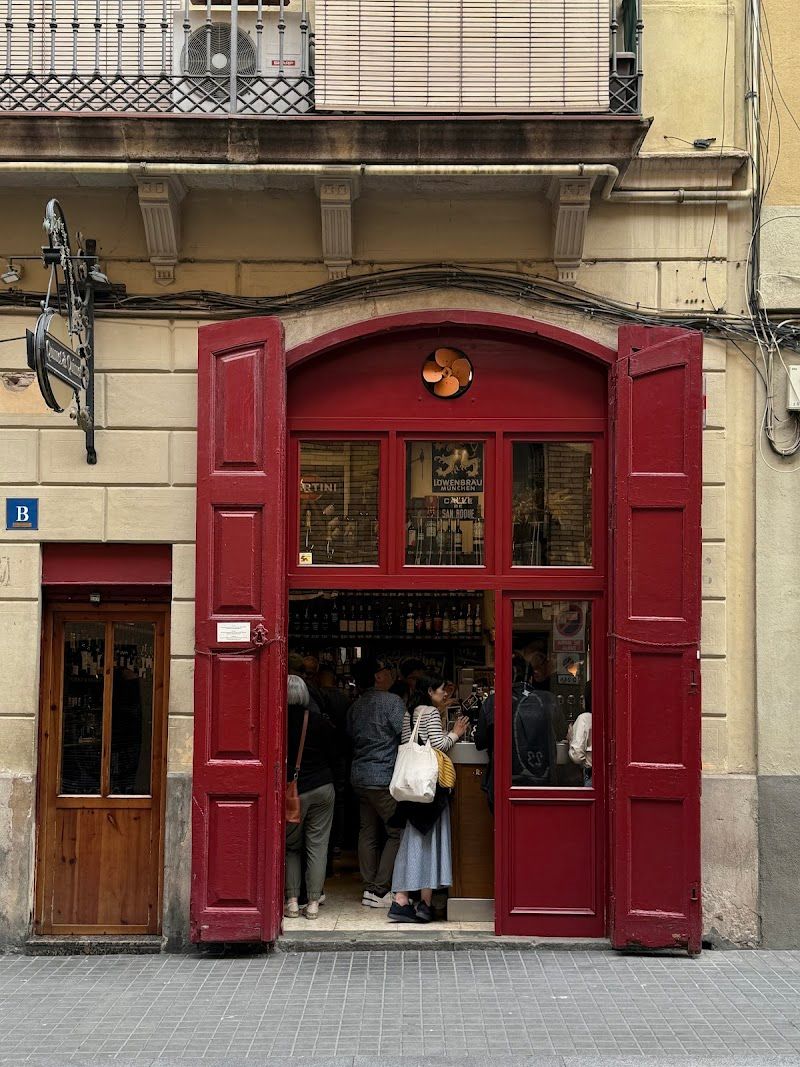
Authentic Barcelona food happens in bars where locals drink vermouth at 11 AM and eat tapas standing up. These aren't the sit-down tapas restaurants tourists frequent, but working bars where food serves to accompany alcohol rather than replace meals.
Bar del Pla in the Gothic Quarter serves traditional tapas in a space that fits maybe 15 people comfortably. The anchovy selection changes daily, and the Russian salad represents the standard all others get measured against. Tapas range from EUR 3-8, and most customers order 3-4 plates with drinks.
Quimet & Quimet in Poble Sec operates as both bar and gourmet shop, with shelves of preserves and cured meats serving as decoration and menu. The montaditos (small open sandwiches) combine high-quality ingredients in ways that prove sophisticated food doesn't require white tablecloths. Expect to pay EUR 4-7 per montadito.
Neighborhood Restaurants
Barcelona's best traditional food comes from neighborhood restaurants that serve local families rather than tourists. These establishments typically open at 1 PM for lunch, close at 4 PM, reopen at 8 PM for dinner, and close by midnight.
Can Recasens in Poblenou occupies a former factory building and serves traditional Catalan dishes with modern presentation. The menu changes seasonally, but staples like suquet de peix and butifarra amb mongetes appear year-round. Main courses range from EUR 16-24.
Cal Pep near Born Market defines Barcelona's approach to seafood - simple preparation, perfect ingredients, fair prices. The bar seating forces interaction with other diners and the chef, creating the social atmosphere that makes Barcelona meals memorable. Budget EUR 40-50 per person with wine.
Market Food
Barcelona's markets serve both ingredients and prepared food, making them excellent places to understand local eating patterns. Beyond the tourist-heavy Boqueria, neighborhood markets offer authentic experiences at local prices.
Mercat de Santa Caterina in Born combines a modernist roof with vendors who've been serving the same families for generations. The prepared food counters serve market workers and local residents, keeping both quality high and prices reasonable. A substantial lunch costs EUR 8-12.
Mercat de Sants in the Sants neighborhood operates purely for locals, with no tourist infrastructure or English menus. The food stalls serve simple, excellent meals to market workers and neighborhood residents. It's the best place to understand how locals actually eat daily.
Budget Guide to Barcelona Food
Daily Food Costs by Style
| Budget Level | Daily Food Cost | Typical Meals |
|---|---|---|
| Shoestring | EUR 15-25 | Market food, bakery items, grocery store |
| Budget | EUR 25-40 | Menu del dia, neighborhood bars, some tapas |
| Mid-range | EUR 40-65 | Restaurant dinners, quality tapas, good wine |
| Luxury | EUR 65+ | Upscale restaurants, wine pairings, Michelin venues |
Money-Saving Food Strategies
Menu del dia represents Barcelona's best food value. Available at most restaurants from 1-4 PM, this three-course meal with drink typically costs EUR 12-18. Quality varies dramatically, but neighborhood restaurants in Gracia and Poble Sec consistently deliver excellent versions.
Happy hour vermouth culture saves money and enhances experience. Many bars offer vermouth with complimentary tapas from 6-8 PM, effectively providing dinner for the price of drinks. A glass of vermouth costs EUR 3-4 and often comes with olives, nuts, or small sandwiches.
Market eating costs half of restaurant prices. Food counters in neighborhood markets serve the same dishes as restaurants but charge EUR 6-10 for substantial plates. The trade-off is atmosphere - you're eating in a market, not a restaurant.
Seasonal Barcelona Food Calendar
Winter (December-February)
Calçots season brings these sweet onions to restaurant menus throughout the city. Restaurants organize calçotadas that combine the onions with grilled meats and romesco sauce. Winter is also prime time for hearty stews and braised dishes that rarely appear in summer.
Spring (March-May)
Artichoke season means restaurants feature these vegetables in both traditional preparations and modern interpretations. Spring vegetables like broad beans and peas appear in suquet and rice dishes. The weather makes outdoor eating comfortable without summer crowds.
Summer (June-August)
Cold dishes dominate as temperatures rise. Gazpacho, esqueixada, and various salads replace heavier winter fare. Beach restaurants in Barceloneta serve their best seafood during these months when fish variety peaks.
Fall (September-November)
Wild mushroom season brings Catalans to the mountains and fungi to restaurant menus. Rovellons (a type of wild mushroom) appear grilled, in omelets, and as rice dish components. Fall is also premium time for game dishes that disappear in summer.
Barcelona's food culture rewards curiosity over caution. The best meals happen when you order dishes you can't pronounce, trust neighborhood recommendations over guidebooks, and eat according to local schedules rather than your home country's timing. This approach leads to discovering why locals consider their city's cuisine superior to the rest of Spain, and why visitors leave planning return trips before they've finished their first proper meal.
For comprehensive neighborhood dining recommendations, check our detailed guide on where to eat in Barcelona, which covers the best restaurants, bars, and markets in each area of the city.