The question isn't whether to visit Bologna or Florence. The question is whether you want to eat the best food in Italy or elbow through selfie sticks to see the same Renaissance art everyone else photographs. Both cities sit in Emilia-Romagna and Tuscany respectively, but they couldn't be more different experiences.
Florence draws 16 million visitors annually to see Michelangelo's David and the Uffizi. Bologna draws Italians who want to eat tortellini in brodo the way God intended and university students who've kept this medieval city alive for nearly 1,000 years. One is a museum. The other is a living, breathing Italian city that happens to have food and architecture without the tourist markup.
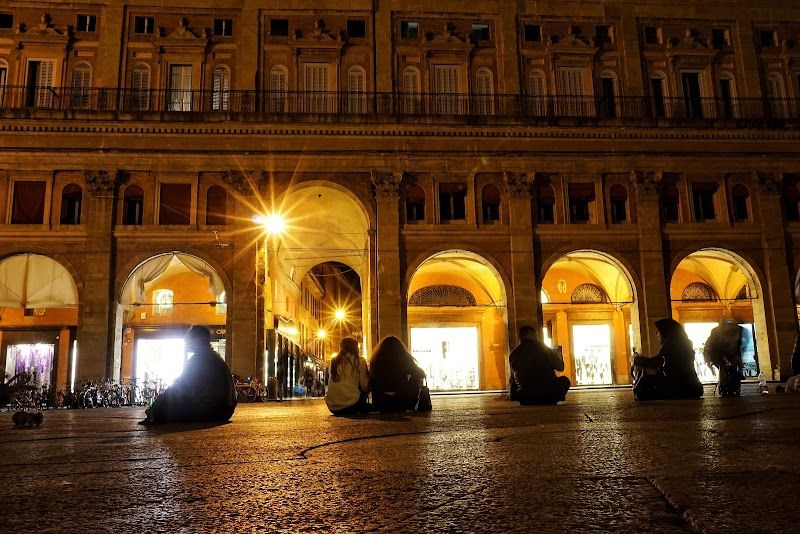
The difference hits you immediately upon arrival. Florence's Santa Maria Novella station dumps you into streets crowded with tour groups following raised umbrellas. Bologna's Centrale station leads to Via dell'Indipendenza, where locals walk purposefully under medieval porticoes toward Piazza Maggiore, carrying fresh bread from morning market runs.
Why Bologna Wins the Bologna vs Florence Food Battle
This isn't even close. Bologna is La Grassa (the fat one) for reasons that become obvious within hours of arrival. This is where ragù was invented, where tortellini in brodo defines the local identity, and where mortadella gets sliced thin on fresh bread instead of coming from a plastic package.
Walk through the Quadrilatero market at 8am and watch nonnas inspect vegetables like they're buying diamonds. At Paolo Atti & Figli on Via Caprarie, the same family has been making fresh pasta since 1868. A proper tagliatelle al ragù costs EUR 12-18 here compared to EUR 22-35 for a tourist-targeted version in Florence.
The food rules in Bologna are non-negotiable. Cappuccino only before 11am. Never spaghetti with ragù - always tagliatelle or lasagne. Tortellini swim in clear broth, never cream sauce. Break these rules and locals will correct you, politely but firmly. At Trattoria da Me on Via San Felice, they've served the same six dishes for 40 years because perfection doesn't need innovation.
Florence has good restaurants, but you'll pay premium prices for Tuscan classics that, while excellent, don't hold a candle to Bologna's culinary depth. A mid-range dinner in Florence runs EUR 35-50 compared to EUR 25-40 in Bologna for arguably better food. The food culture in Bologna isn't performed for tourists - it's how locals actually eat.
Specific Food Experiences: Bologna vs Florence
In Bologna, start your morning at Caffè Terzi on Via Musei for espresso (EUR 1) and watch the barista's technique - no sugar stirring, no milk after noon. Walk to Mercato delle Erbe for market breakfast: mortadella sandwich EUR 4-7, fresher than anything you'll find in Florence's touristy San Lorenzo market.
For lunch in Bologna, Osteria dell'Orsa on Via Mentana serves university students and professors the same gramigna con salsiccia (EUR 9) they've perfected over decades. The atmosphere is communal tables and animated discussions about politics or football.
Florence's equivalent lunch might be at Trattoria Mario near the Mercato Centrale, where tourists queue for EUR 18-22 bistecca while locals eat at the counter. Good food, but the dynamic shifts when half your diners are photographing their plates.
Evening aperitivo culture reveals the deepest differences. Bologna's Osteria del Sole allows you to bring your own food while they provide wine and atmosphere. Locals arrive with cheese, bread, and conversation. Florence's aperitivo bars cater to tourists with expensive cocktails and small plates designed more for Instagram than satisfaction.
The Real Cost Difference Between Bologna vs Florence
Accommodation Comparison:
- Hostel dorm bed: Bologna EUR 25-45, Florence EUR 35-55
- Budget hotel double room: Bologna EUR 60-90, Florence EUR 80-120
- Mid-range hotel double room: Bologna EUR 80-140, Florence EUR 120-180
- Boutique hotel double room: Bologna EUR 150-280, Florence EUR 200-350
- Luxury hotel double room: Bologna EUR 250-500, Florence EUR 350-800
Daily Food Reality:
- Cornetto and cappuccino breakfast: Bologna EUR 3.5-5, Florence EUR 6-9
- Street food lunch (mortadella sandwich): Bologna EUR 4-7, Florence EUR 8-12
- Quality lunch with primi: Bologna EUR 8-15, Florence EUR 15-25
- Mid-range dinner with wine: Bologna EUR 25-40, Florence EUR 35-55
- Upscale dinner experience: Bologna EUR 50-80, Florence EUR 70-120
Museum and Activity Costs:
- Major museum entry: Bologna EUR 5-6, Florence EUR 12-20
- Church entry fees: Bologna mostly free, Florence EUR 3-8
- Tower climb: Bologna EUR 5, Florence EUR 18-25
- Food tour (3 hours): Bologna EUR 45-75, Florence EUR 65-120
Florence's tourist economy inflates prices across the board. A simple pizza al taglio costs EUR 3-4 in Bologna versus EUR 6-8 near Florence's Duomo. Even gelato costs more - EUR 2.5-4 in Bologna versus EUR 4-7 in Florence's center.
The accommodation gap widens during peak season. A decent 3-star hotel room in Bologna's centro might cost EUR 90 in July, while comparable Florence accommodations start at EUR 160. Book Bologna first - it fills up with Italian business travelers and food tourists, but doesn't command Florence's international premium.
Where to Stay: Bologna vs Florence Neighborhoods
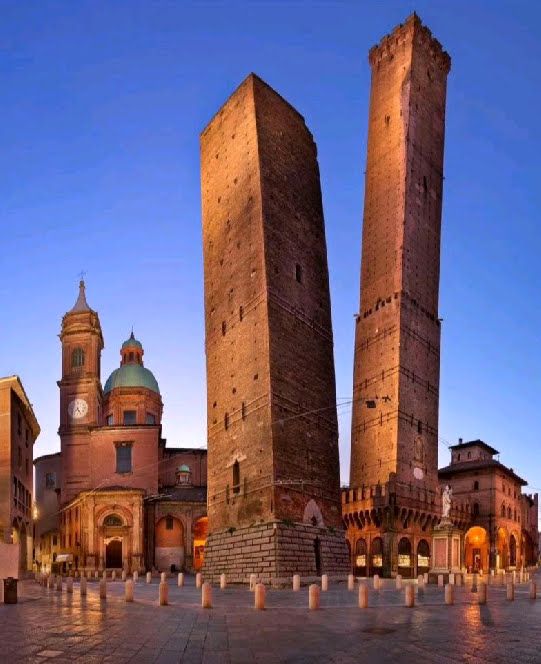
Bologna's Centro Storico puts you within walking distance of everything that matters: Piazza Maggiore, the Two Towers, and the best restaurants. The entire historic center spans about 2km, so location matters less than in sprawling Florence.
Stay near Via del Pratello for nightlife access and authentic restaurants. The Hotel Orologio faces the medieval clock tower and costs EUR 120-180 for doubles with historic character. Budget travelers should consider the University Quarter - student-friendly pricing, late-night energy, and 10-minute walks to major sights.
Florence forces harder choices. Stay near the Duomo and pay premium rates while dealing with constant crowds. The Hotel Davanzati charges EUR 200-300 for small rooms that would cost EUR 100-150 in Bologna. Stay in Oltrarno for better value but add 20-30 minutes walking to major sights. Santo Spirito offers the best compromise, but you're still looking at significantly higher costs than anywhere in Bologna.
The Quadrilatero provides Bologna's most atmospheric accommodation. Medieval streets named after trades - Via Drapperie (cloth), Via Clavature (keys), Via Orefici (goldsmiths). These same streets house restaurants that have served the same families for generations. Stay here and you're living inside Bologna's food culture, not observing it from hotel chains.
What Bologna vs Florence Actually Offers Visitors
Bologna's Real Advantages
Bologna isn't trying to be a tourist city. That's exactly what makes it brilliant. The 38km of UNESCO-listed porticoes weren't built for Instagram - they were built so medieval merchants could conduct business rain or shine. They still serve that purpose.
The University of Bologna, founded in 1088, remains Europe's oldest continuously operating university. This isn't a historical footnote - 85,000 students keep the city young, affordable, and authentic. Lectures still occur in the Archiginnasio's carved wooden halls where Copernicus once studied. Tours cost EUR 3, compared to EUR 15-20 for similar historical sites in Florence.
Climbing the Torre degli Asinelli costs EUR 5 and requires advance booking - not because of tourist demand, but because they limit access to preserve the 12th-century structure. The 498-step climb rewards you with views over terracotta rooftops stretching to the Apennine foothills. Florence's Duomo dome climb costs EUR 18-25 and involves hour-long queues even with reservations.
Bologna's museums focus on local culture rather than international masterpieces. The Medieval Museum displays armory and artifacts from the city's independent republic period. The Modern Art Museum (MAMbo) showcases contemporary Italian artists for EUR 6. Neither attracts tour bus crowds, allowing genuine appreciation rather than rushed photo opportunities.
What Florence Does Better
Florence owns the Renaissance. The Uffizi houses the world's greatest collection of Italian Renaissance painting - Botticelli, Leonardo, Michelangelo, Raphael. The Palazzo Pitti complex contains multiple museums with Medici treasures. Michelangelo's David at the Accademia represents artistic achievement that changed Western culture.
These aren't just tourist attractions - they're cultural experiences that justify premium pricing and advance planning. Seeing Botticelli's Birth of Venus in person reveals brushwork details no reproduction captures. The scale and craftsmanship of Brunelleschi's Duomo dome demonstrates Renaissance engineering genius.
The Tuscan countryside surrounding Florence offers easier day trip access to Chianti wine regions, hilltop towns like San Gimignano and Montepulciano, and scenic drives through cypress-lined hills. Bologna sits in flatter Emilia-Romagna, though the San Luca hills provide surprising elevation and the 3.8km portico walk to San Luca Basilica offers excellent city views without Tuscan postcard perfection.
Florence's compact Renaissance center makes it easier to see major sights in 2-3 days. Walk from the Duomo to Palazzo Vecchio to the Uffizi to Ponte Vecchio in 20 minutes. Bologna rewards slower exploration - the food culture demands multi-course meals and extended aperitivo sessions that don't fit rushed itineraries.
Seasonal Considerations: Bologna vs Florence Weather and Crowds
Florence suffers severely from overtourism between April and October. July and August bring suffocating crowds, 35°C heat reflecting off Renaissance stones, and restaurant prices that spike 30-40% above winter rates. The Ponte Vecchio becomes impassable between 10am-6pm.
Bologna's student population creates different seasonal rhythms. September through May brings university energy - packed bars, late-night conversations under porticoes, and restaurants full of locals rather than tourists. Summer (June-August) actually offers Bologna's best weather for visitors as students disperse and locals take seaside holidays, leaving the city pleasantly quiet.
Winter reveals both cities' true characters. Florence's outdoor restaurant terraces close, leaving expensive indoor dining and museums as primary activities. Bologna's covered porticoes and osteria culture shine - warm bars serve hot broth tortellini while winter fog creates atmospheric medieval streetscapes.
Bologna vs Florence Transportation and Accessibility
Both cities offer excellent rail connections throughout Italy. High-speed Frecciarossa trains reach Rome in 2 hours from Florence, 2.5 hours from Bologna. Milan sits 2 hours from Florence, just 1 hour from Bologna. Bologna's position makes it superior for exploring northern Italy - Venice (1.5 hours), Parma (1 hour), and Ravenna (1.5 hours) for easy day trips.
Bologna Marconi Airport handles more European destinations than Florence's Peretola. The Marconi Express monorail connects the airport to Centrale station in 20 minutes for EUR 8.7. Florence's airport requires 30-45 minute bus journeys costing EUR 6-8, though many international travelers use Pisa airport (1 hour by train) instead.
Within the cities, both centers are completely walkable. Bologna's TPER bus system serves outlying neighborhoods with single tickets at EUR 1.5 (75-minute validity) or day passes at EUR 5. Florence's ATAF system costs similarly but most visitors never need buses given the compact historic center.
Bologna's bicycle culture surpasses Florence's. Flat terrain and extensive bike lanes make cycling practical for visitors. Rental bikes cost EUR 10-15 daily from shops near Centrale station. Florence's hills and tourist-crowded streets make cycling more challenging.
Should You Visit Bologna or Florence: The Detailed Verdict
Choose Bologna if you:
- Care more about food than famous art
- Want authentic Italian city life over tourist experiences
- Prefer exploring at your own pace without fighting crowds
- Value better prices for accommodation and dining (20-40% savings)
- Enjoy university town energy and nightlife
- Want easy access to northern Italian cities
- Appreciate medieval architecture without Renaissance crowds
- Seek experiences locals actually recommend to friends
Choose Florence if you:
- Renaissance art and architecture are non-negotiable priorities
- You're comfortable with tourist-focused pricing and crowds
- Tuscany countryside access matters for your trip
- You have limited time and want concentrated world-famous sightseeing
- Instagram-worthy backdrops outweigh authentic experiences
- You're willing to pay premium prices for internationally recognized attractions
- Art history education justifies logistical hassles
The Middle Ground: Bologna and Florence Combined
High-speed Italo and Trenitalia trains connect the cities in 35-40 minutes for EUR 15-45 depending on booking timing and train type. Regional trains take 90 minutes for EUR 8-15 but require connections in Prato or Pistoia.
Spending 3-4 days in Bologna followed by 2-3 days in Florence gives you the best of both worlds - authentic food culture and art without choosing sides. This combination works better than the reverse because Bologna's slower pace helps you adjust to Italian rhythms before tackling Florence's intensive sightseeing demands.
Start in Bologna to establish your Italian routine with proper coffee timing, aperitivo culture, and evening dining schedules. Learn to appreciate pasta texture, wine regions, and conversation pace. Then tackle Florence's artistic treasures with a better understanding of Italian life beyond tourist attractions.
Book Bologna accommodation first - it's harder to find authentic neighborhood experiences in Florence, but you can always find another Renaissance palace to photograph. The first-timer's guide to Bologna helps plan those crucial first days properly, while the complete Bologna itinerary maximizes your time in Italy's most underrated major city.
Bologna vs Florence: Final Price and Experience Comparison
| Category | Bologna | Florence | Winner |
|---|---|---|---|
| Daily Food Budget | EUR 25-40 | EUR 40-65 | Bologna |
| Mid-range Hotel | EUR 80-140 | EUR 120-180 | Bologna |
| Tourist Crowds | Low-Moderate | High-Extreme | Bologna |
| Art/Museums | Good | Florence | |
| Food Quality | Exceptional | Good-Very Good | Bologna |
| Authentic Experience | High | Low-Moderate | Bologna |
| Transportation Hub | Excellent | Very Good | Bologna |
| UNESCO Sites | 1 (Porticoes) | 1 (Historic Center) | Tie |
| Student Energy | High | Moderate | Bologna |
| Day Trip Options | Northern Italy | Tuscany | Preference |
The choice comes down to what you value more: eating like a local Italian or seeing Renaissance masterpieces everyone talks about. Bologna offers the Italy most tourists never experience - the one where food culture drives daily rhythms, where university students debate politics over wine, where medieval porticoes shelter modern Italian life.
Florence offers the Italy everyone expects to find - Renaissance art that changed civilization, postcard-perfect architecture, and cultural experiences that justify premium prices and tourist hassles. Both experiences are valid, but they serve different travel motivations.
For first-time Italy visitors seeking authentic experiences over famous attractions, Bologna provides better value, more genuine interactions, and food that will ruin Italian restaurants everywhere else. For culturally focused travelers who prioritize world-famous art over local experiences, Florence delivers irreplaceable encounters with human artistic achievement.
The honest answer for most travelers: if you can only choose one, choose based on whether you travel primarily to eat or to see famous things. Bologna wins decisively for food and authentic culture. Florence wins decisively for art and internationally recognized sights. Both cities deserve visits, but Bologna deserves consideration from travelers who never knew it was an option.