The question of whether to visit Cordoba or Seville splits travelers down the middle, and rightfully so. Both cities ruled vast empires, both showcase extraordinary Islamic-Christian architecture, and both serve excellent tapas. But they offer completely different experiences.
Cordoba is intimate and focused - you'll spend your time in a compact historic center anchored by the world's most unusual religious building. Seville is expansive and varied - a major city with multiple monuments spread across diverse neighborhoods. The choice depends on what kind of traveler you are and how much time you have in Andalusia.
After living in both cities and guiding hundreds of travelers through this decision, I'll break down exactly when to choose each one.
Size and Scale: Cordoba vs Seville
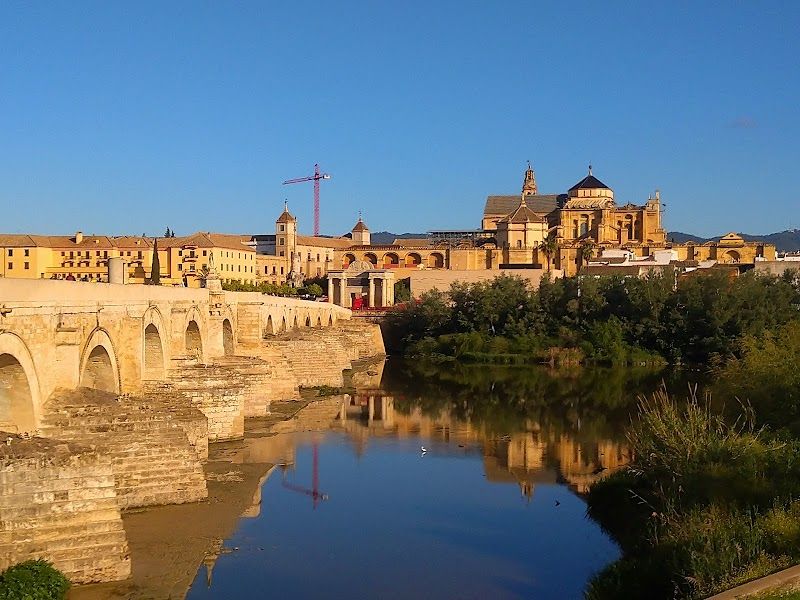
Cordoba feels like a large town (population 325,000) with everything centered around the Mezquita-Catedral. You can walk from the train station to the Roman Bridge in 15 minutes. The entire historic center spans roughly 1 square kilometer, making it travelers who prefer exploring on foot without constantly consulting maps.
Seville operates like a proper city (population 690,000) with distinct neighborhoods, metro lines, and monuments scattered across a much larger area. The Cathedral and Alcazar sit in the center, but you'll need trams or buses to reach places like the Metropol Parasol or Triana neighborhood efficiently.
This size difference affects your entire experience. In Cordoba, you'll likely stay in the Mezquita & Juderia neighborhood and rarely venture beyond walking distance. In Seville, you'll cover more ground and need to plan transportation between sites.
Verdict: Choose Cordoba for walkability, Seville for urban energy.
The Monuments: Where History Hits Hardest
Cordoba's Mezquita: Unmatched and Unmissable
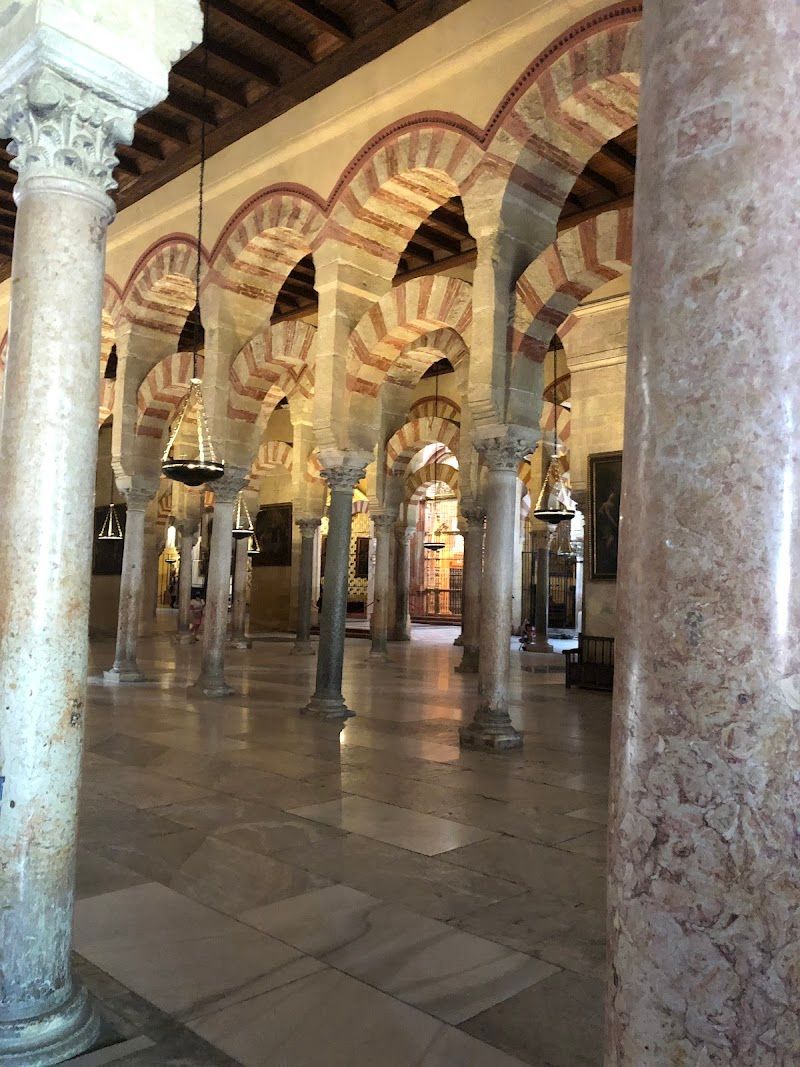
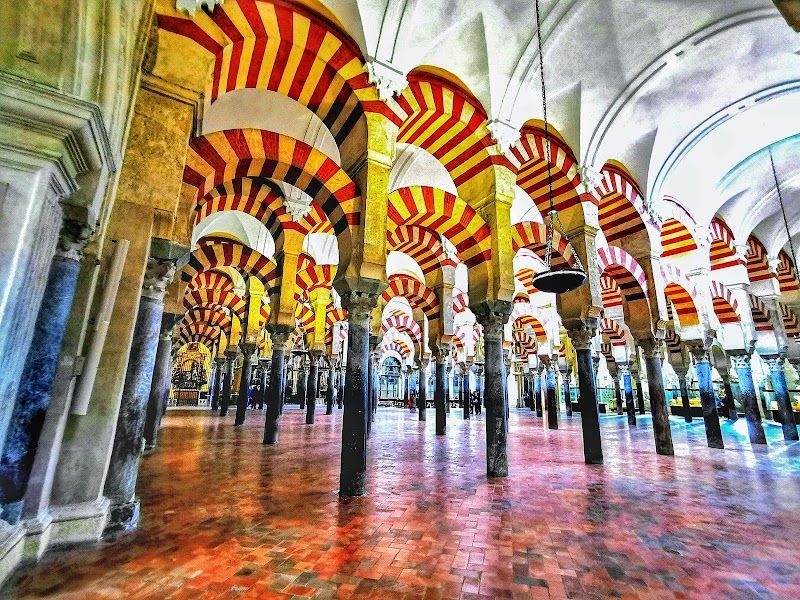
The Mezquita-Catedral stands alone in the world. Built as a mosque in 785 CE, it contains 856 columns creating a forest of red-and-white striped arches that seems to extend infinitely. When Christians conquered Cordoba in 1236, they built a full Renaissance cathedral inside the mosque - which sounds like architectural vandalism but creates something neither religion could have produced alone.
Entry costs EUR 13 and requires 90 minutes minimum. Go at 8:30 AM opening when morning light hits the columns and you have the space mostly to yourself. By 10 AM, tour groups arrive and the magic diminishes.
Seville's Triple Threat: Cathedral, Alcazar, and Archive
Seville counters with three UNESCO World Heritage sites. The Cathedral houses Christopher Columbus's tomb and the world's largest Gothic interior. The Royal Alcazar showcases the finest mudéjar architecture in Spain with intricate tile work and peaceful gardens. The General Archive of the Indies documents Spanish colonial history.
Combined tickets cost around EUR 25-30 and require a full day. Each monument demands 2-3 hours, making Seville more time-intensive but offering greater architectural variety.
Supporting Cast
Cordoba's secondary sites cluster within walking distance: the Alcazar de los Reyes Cristianos (EUR 5), Palacio de Viana with 12 courtyards (EUR 12), and the compact Jewish Quarter. You'll see everything significant in 1-2 days.
Seville spreads its attractions across the city: Plaza de España, Metropol Parasol, Torre del Oro, and the Triana neighborhood. You need 3-4 days minimum to see the major sites without rushing.
Verdict: Cordoba offers one transcendent experience, Seville provides architectural variety.
Should I Stay in Cordoba or Seville?
Accommodation Quality and Location
Cordoba's hotels concentrate in the historic center with most properties within 200 meters of the Mezquita. Budget hotels cost EUR 45-75, mid-range options EUR 80-150, and luxury properties EUR 200-400. The Mezquita & Juderia neighborhood puts everything at your doorstep but limits variety.
Seville offers accommodation across multiple neighborhoods with different vibes. Santa Cruz (historic), Triana (authentic), and Centro (modern) each provide distinct experiences. Similar price ranges but much greater selection and neighborhood character.
Staying in Cordoba means waking up to views of the Mezquita's bell tower and walking medieval streets to dinner. Staying in Seville means choosing between riverside apartments, converted palaces, or modern business hotels.
Transportation and Day Trip Access
Cordoba sits perfectly positioned for Andalusian exploration. High-speed trains reach Madrid (1h 45m), Seville (45 minutes), and Malaga (1 hour). The compact size means you spend less time navigating within the city and more time exploring.
Seville functions as Andalusia's transport hub with more frequent connections but requires more time moving between neighborhoods. The larger size means 30-45 minutes getting across town during busy periods.
For day trips, both cities work well. From Cordoba, you can easily reach the remarkable ruins of Madinat Al-Zahra (EUR 1.5), while Seville provides access to Jerez, Cadiz, and white villages.
Verdict: Stay in Cordoba for simplicity, Seville for variety and connections.
Food Scene: Cordoba vs Seville Dining
Both cities excel at traditional Andalusian cuisine, but with different approaches and specialties.
Cordoba's Culinary Identity
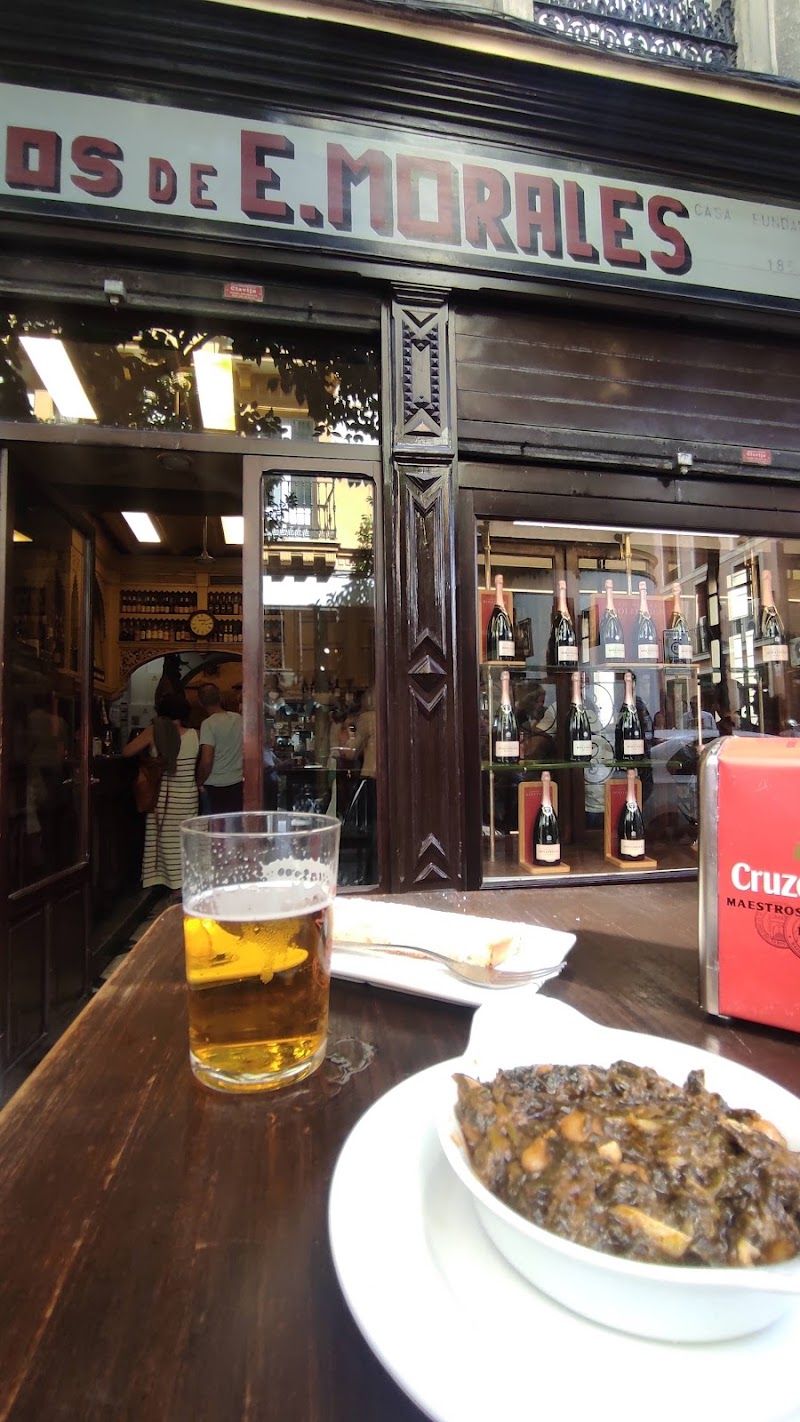
Cordoba owns salmorejo - the local cold soup that's thicker and richer than gazpacho. Every bar serves it for EUR 4-8, but Bar Santos near the Mezquita makes the definitive version. The city also specializes in flamenquín cordobés (rolled pork dish, EUR 12-18) and rabo de toro (oxtail stew, EUR 16-24).
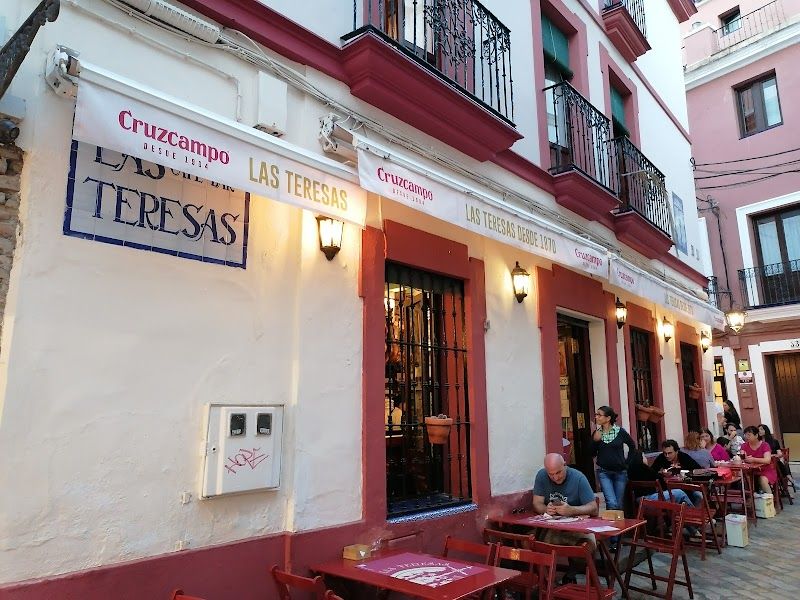
Traditional taverns like Taberna Salinas and Bodegas Campos serve authentic Cordoban dishes in atmospheric settings with ceramic tiles and wooden barrels. The dining scene stays traditional with fewer international options.
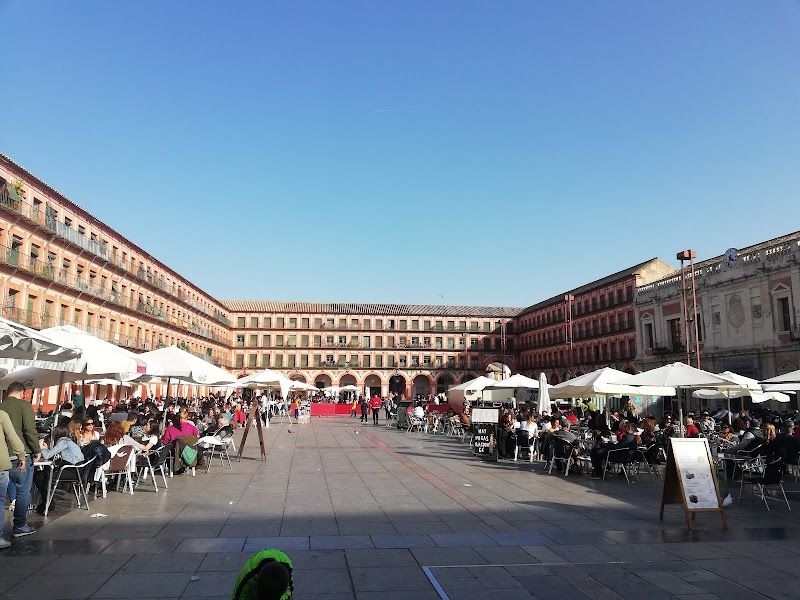
Tapas culture works differently here - many bars still give free tapas with drinks, especially around Plaza de la Corredera.
Seville's Diverse Dining
Seville offers greater culinary variety with traditional tapas bars, modern fusion restaurants, and international cuisine. The larger population supports more dining options across all price ranges.
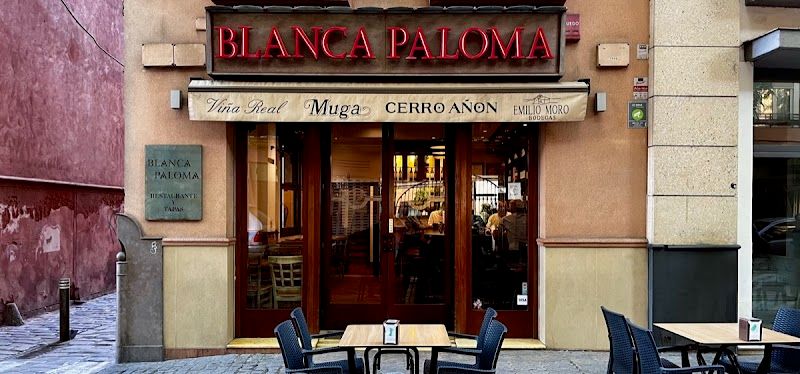
The city excels at pescaíto frito (fried fish), jamón ibérico, and gazpacho, but also embraces culinary innovation. Neighborhoods like Triana and Alameda provide authentic local dining, while Santa Cruz caters more to tourists.
Restaurant density differs significantly - Cordoba's compact center means 20+ quality restaurants within 300 meters, while Seville spreads dining across neighborhoods requiring more planning.
Budget Breakdown: Cordoba vs Seville Costs
Daily Expenses Comparison
| Category | Cordoba | Seville |
|---|---|---|
| Budget breakfast | EUR 2.5-4 | EUR 3-5 |
| Lunch menú del día | EUR 12-18 | EUR 15-22 |
| Dinner (mid-range) | EUR 25-40 | EUR 30-45 |
| Coffee | EUR 1.2-2.5 | EUR 1.5-3 |
| Beer at bar | EUR 2-3.5 | EUR 2.5-4 |
| Local transport | EUR 1.3 | EUR 1.4 |
| Mid-range hotel | EUR 80-150 | EUR 90-160 |
Cordoba runs 10-15% cheaper across most categories, with the biggest savings on accommodation and dining. The compact size also reduces transport costs - you'll walk everywhere instead of taking buses or taxis.
Seville's larger scale increases expenses through transport needs and higher restaurant prices in tourist areas. However, the greater competition also provides more budget options.
Monument Costs
Cordoba's major sites cost EUR 35 total: Mezquita (EUR 13), Alcazar (EUR 5), Palacio de Viana (EUR 12), and Madinat Al-Zahra (EUR 1.5). Most visitors see everything significant in 1-2 days.
Seville's monuments require around EUR 45-60 for comprehensive visits: Cathedral and Giralda (EUR 12), Royal Alcazar (EUR 13.5), and various other sites. The higher total reflects more attractions but also longer time requirements.
Verdict: Cordoba costs less and requires less time, Seville offers more value for longer stays.
When to Choose Cordoba Over Seville
Choose Cordoba if you:
- Have 1-2 days in Andalusia and want maximum impact
- Prefer intimate, walkable cities over large urban centers
- Want to experience the world's most extraordinary religious building
- Value authentic local atmosphere over variety
- Travel on a tighter budget
- Appreciate focused experiences over diverse options
- Plan to use the city as a base for exploring other Andalusian destinations
Cordoba works perfectly for travelers seeking a concentrated dose of Spanish-Islamic history. The Mezquita alone justifies the visit, and the compact historic center creates an immersive medieval experience.
This city particularly suits:
- First-time visitors to Andalusia with limited time
- Architecture enthusiasts focused on Islamic monuments
- Travelers who prefer depth over breadth
- Anyone seeking authentic Spanish town atmosphere
- Budget-conscious visitors
When to Choose Seville Over Cordoba
Choose Seville if you:
- Have 3+ days and want architectural variety
- Enjoy urban energy, nightlife, and cultural events
- Prefer multiple monuments over one extraordinary site
- Want diverse dining and accommodation options
- Travel with varied interests requiring different activities
- Appreciate both historic sites and modern city amenities
- Plan longer stays with day trips to surrounding areas
Seville functions as Andalusia's cultural capital with museums, theaters, festivals, and neighborhoods beyond the historic center. The city offers depth for longer visits.
Seville particularly suits:
- Repeat visitors to Spain seeking urban sophistication
- Travelers staying 4+ days who want variety
- Groups with diverse interests
- Anyone prioritizing nightlife and cultural events
- Visitors planning extensive Andalusian exploration
The Cordoba vs Seville vs Granada Question
Many travelers ask whether to visit Cordoba or Seville or Granada, treating them as mutually exclusive. This oversimplifies the choice.
If you can only visit one: Choose based on your primary interest. Granada's Alhambra competes with Cordoba's Mezquita for architectural supremacy, while Seville offers the most complete urban experience.
If you have 4-5 days: Visit two cities. Cordoba combines perfectly with either Seville (contrasting scales) or Granada (complementary Islamic architecture).
If you have a week or more: See all three. Each offers distinct perspectives on Andalusian history and culture.
The high-speed train connecting these cities makes multi-city visits practical. Cordoba sits 45 minutes from Seville and 90 minutes from Granada, allowing efficient exploration.
Is Cordoba Worth Visiting from Seville?
Absolutely yes. Cordoba makes an excellent day trip from Seville, though I recommend staying overnight to experience the city properly.
Day trip logistics: Trains run hourly between cities (45 minutes, EUR 25-35). Leave Seville at 8 AM, visit the Mezquita at opening time, explore the Jewish Quarter, have lunch, and return by 6 PM. This covers the essentials but feels rushed.
Overnight stay benefits: You'll see the Mezquita in different light conditions, experience the city's evening atmosphere, and have time for the Palacio de Viana or Madinat Al-Zahra.
Many travelers combine both approaches - day trip first to gauge interest, then return for a longer stay if Cordoba captivates them.
Making Your Decision: A Practical Framework
Ask yourself these questions:
-
How much time do I have? Less than 3 days = Cordoba. More than 4 days = Seville or both.
-
What matters most? One transcendent experience = Cordoba. Architectural variety = Seville.
-
Do I prefer intimate or urban? Small-town charm = Cordoba. City energy = Seville.
-
What's my budget? Tighter budget = Cordoba. More flexible = either works.
-
Is this my first time in Andalusia? Yes, with limited time = Cordoba for maximum impact.
The honest truth: You can't go wrong with either choice. Both cities showcase extraordinary Spanish-Islamic architecture, serve excellent food, and provide authentic Andalusian experiences. The decision comes down to personal travel style and time constraints.
My recommendation for first-time visitors: Start with our 1-2 Days in Cordoba itinerary to see if the intimate scale appeals to you. If you're drawn to larger cities with more variety, Seville awaits 45 minutes away by train.
The beauty of Andalusia lies in having both options available. Choose the one that matches your travel style, and save the other for your next Spanish adventure.