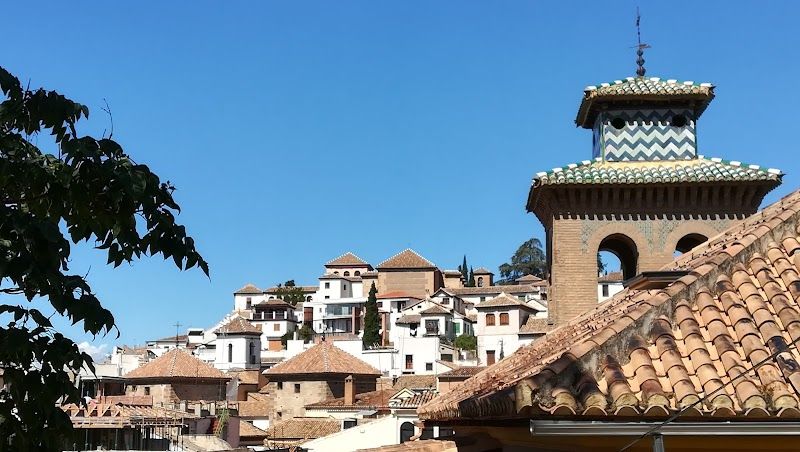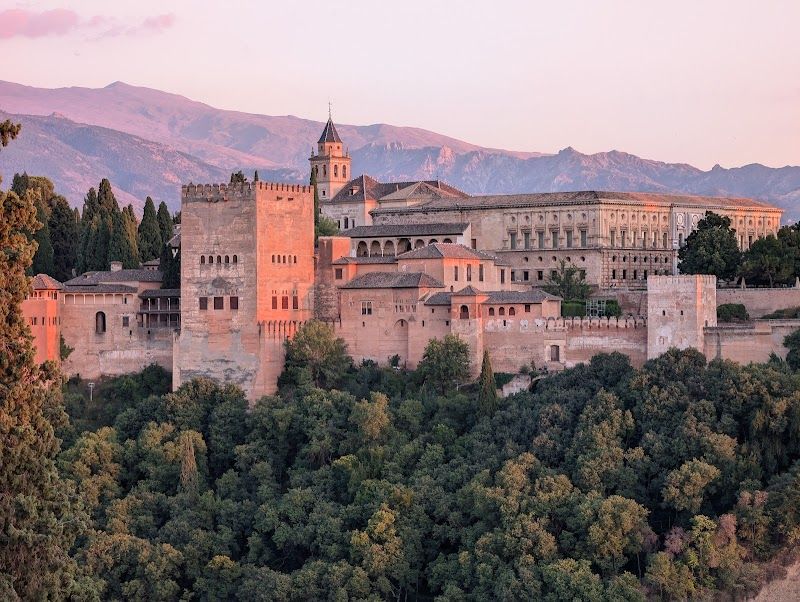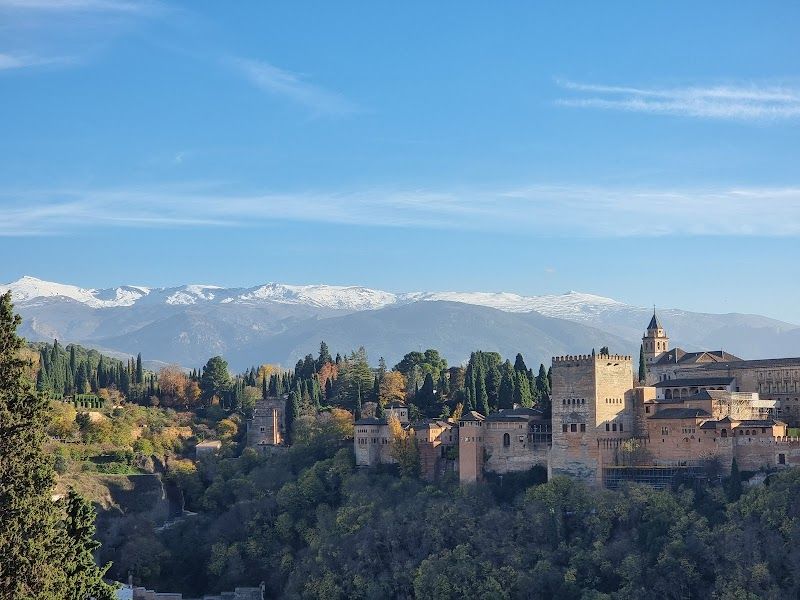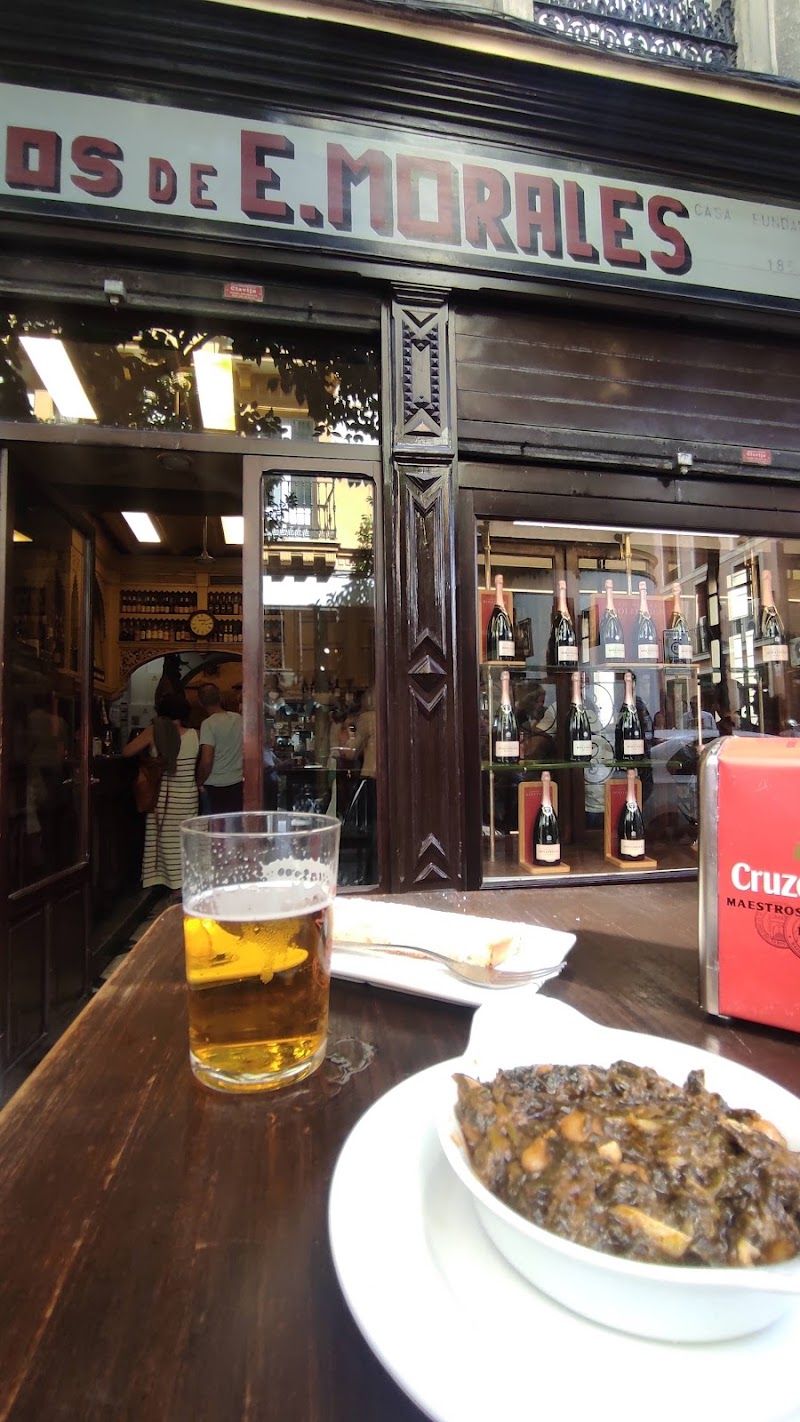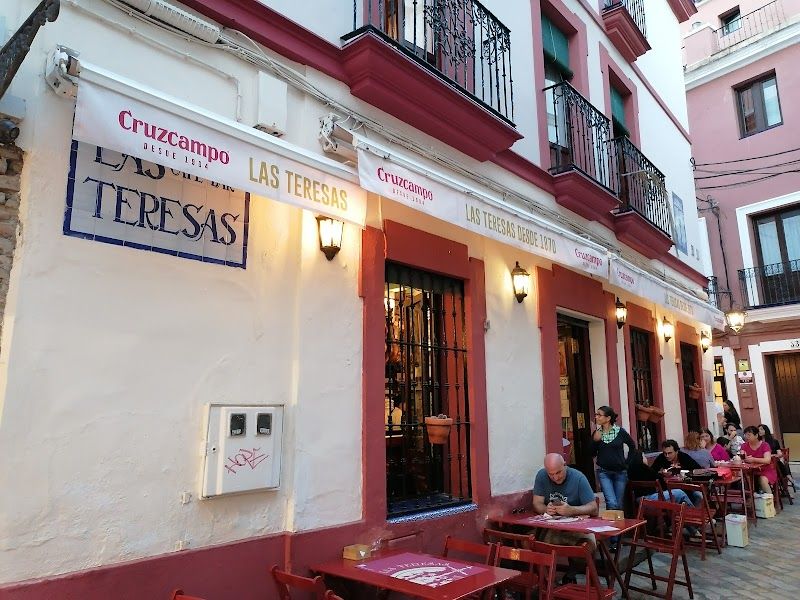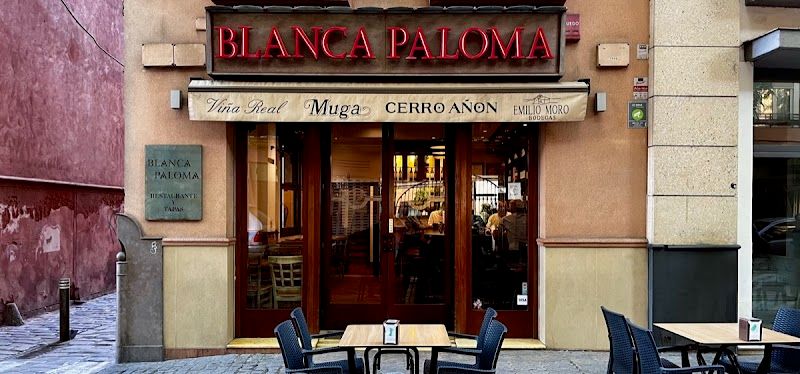
Granada offers something no other Spanish city can match: a food culture where tapas are still genuinely free with every drink. This isn't a tourist gimmick or a watered-down version of Spanish tradition. Order a beer for EUR 2-3.5 at any local bar and receive a proper tapa alongside it, from jamón ibérico to grilled prawns to traditional stews.
The granada food scene extends far beyond free tapas, though that's certainly the main attraction. This Andalusian city's position at the crossroads of Christian, Jewish, and Islamic cultures created a unique culinary identity. You'll find Moorish-influenced dishes served alongside traditional Spanish fare, North African tea ceremonies in the Albaicín, and mountain specialties from the nearby Sierra Nevada.
The key to eating well in Granada is understanding where to go for what. The Centro neighborhood offers the most concentrated tapas scene, while the Albaicín serves up Moorish-influenced cuisine with Alhambra views. Sacromonte specializes in cave restaurants and traditional Roma dishes.
Granada Tapas Culture: How Free Tapas Actually Work
Granada's free tapas system operates on simple principles that most tourists misunderstand. You don't choose your tapa. The bartender selects it based on what they're making, what's fresh, and how much they like you. First-time visitors often make the mistake of asking "what tapas do you have?" The correct approach: order your drink and wait.
The basic rules: Order a beer (caña), wine, or proper cocktail and receive a free tapa. Soft drinks and coffee don't count. The first tapa is usually simple - olives, potato chips, or bread with toppings. Order a second drink and the tapa improves. By your third drink, you might receive grilled meat, seafood, or a substantial stew.
The best tapas bars concentrate in specific streets. Calle Elvira runs from Plaza Nueva toward the Albaicín and offers the highest concentration of quality tapas bars. Calle Navas parallels Calle Elvira and provides slightly more tourist-friendly options with English menus. The area around Plaza del Carmen serves local workers at lunchtime, meaning excellent value and authentic preparations.
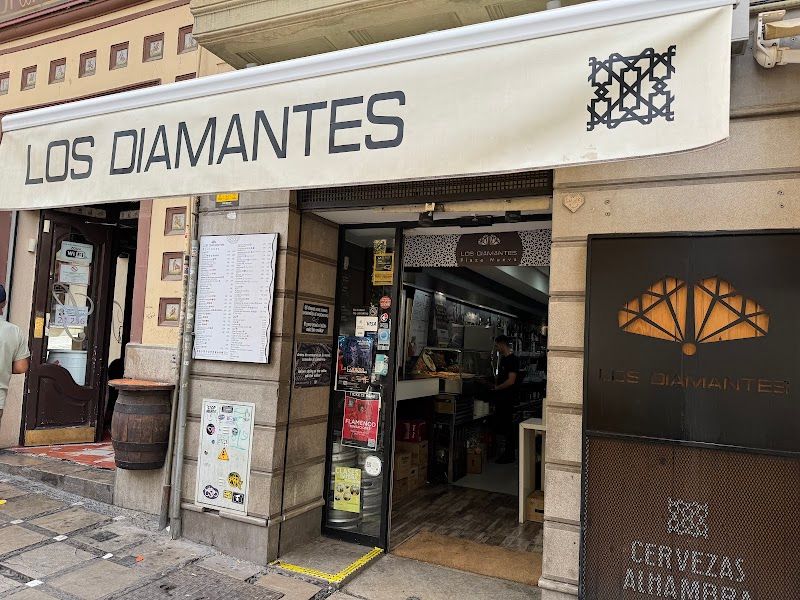
Bar Los Diamantes on Calle Navas represents the gold standard. Their fried fish is exceptional, portions are generous, and the atmosphere is properly chaotic. Expect to wait for a table during peak hours (2-4 PM and 8-11 PM). Bodegas Castañeda on Calle Almireceros offers a more traditional experience with excellent jamón and local wines.
Free Tapas Bar Hopping in Granada provides a structured approach to experiencing this culture, though the best discoveries happen when you wander and follow the locals.
Traditional Granada Local Dishes You Must Try
Granada traditional food reflects its complex history through specific dishes you won't find elsewhere in Spain. The Moorish occupation left lasting influences, while mountain proximity and Jewish heritage added additional layers.
Tortilla del Sacromonte tops the list of essential local dishes. This omelet contains lamb brains, sweetbreads, ham, and vegetables - not for the squeamish, but absolutely authentic. The dish originated in the Roma caves of Sacromonte and remains a point of local pride. Restaurante Jardines de Zoraya in the Albaicín serves an excellent version alongside flamenco performances.
Habas con jamón (broad beans with ham) appears on most Granada menus from March through June when the beans are fresh. The preparation is simple: young broad beans sautéed with jamón serrano, garlic, and sometimes mint. The quality depends entirely on the beans' freshness, making this a seasonal specialty worth timing your visit around.
Remojón granadino offers a refreshing salad hot afternoons. Orange segments, cod, olives, onions, and hard-boiled eggs combine with olive oil and vinegar. The dish demonstrates Moorish influence through its use of oranges and the Jewish heritage through the prominent role of cod.
Pionono serves as Granada's signature dessert, created in honor of Pope Pius IX. These small, cylindrical sponge cakes are soaked in syrup and topped with cream and cinnamon. Casa Isla near the Cathedral has produced piononos since 1897 using the original recipe.
Olla de San Antón appears during winter months as a hearty stew containing white beans, rice, pork, chorizo, and vegetables. Each family has their own variation, but the base remains consistent. Traditional bars serve this as a substantial tapa with third or fourth drinks.
Moorish-Influenced Cuisine in the Albaicín
The Albaicín neighborhood preserves Granada's Islamic culinary heritage through restaurants that specialize in North African and Middle Eastern dishes. This isn't fusion cuisine or modern interpretation - these are traditional preparations passed down through generations.
Moroccan tea ceremony represents the most accessible introduction to this cuisine. Numerous teterías (tea houses) along Calle Calderería Nueva serve authentic mint tea with traditional sweets. The tea is prepared tableside in ornate glasses and served with dates, baklava, and Moroccan pastries. Tetería Al-Faguara on Calderería Nueva offers the most authentic experience with proper ceremony and excellent pastries.
Cuscús appears on many Albaicín menus, prepared with lamb, chicken, or vegetables according to traditional Moroccan methods. The grain is steamed separately and served with a rich stew containing preserved lemons, olives, and aromatic spices. Restaurante Arrayanes on Cuesta Marañas specializes in this preparation and offers vegetarian versions.
Lamb tagine cooked in traditional earthenware pots creates the tender, aromatic dishes that characterize North African cuisine. The slow cooking method, combined with spices like cinnamon, cumin, and saffron, produces complex flavors that reflect Granada's Islamic heritage.
Pastela (also spelled bastilla) represents the most sophisticated Moorish dish available in Granada. This pastry pie contains pigeon or chicken with almonds, eggs, and spices, wrapped in thin pastry and dusted with cinnamon and powdered sugar. Few restaurants attempt this dish due to its complexity, making it a true discovery when found.
Tea houses also serve traditional sweets like chebakia (sesame cookies with honey), gazelle horns (almond pastries), and makroudh (semolina cakes with dates). These desserts pair perfectly with mint tea and provide authentic flavors rarely found elsewhere in Spain.
Best Granada Restaurant Guide by Neighborhood
Each Granada neighborhood offers distinct dining experiences, from traditional tapas bars to upscale restaurants with Alhambra views. Understanding where to eat what makes the difference between tourist meals and authentic experiences.
Centro & Realejo: Traditional Tapas Territory
The Centro provides the highest concentration of traditional tapas bars serving local workers and university students. Prices remain reasonable and quality stays high due to local competition.
La Tana on Placeta del Agua offers exceptional wine selection with sophisticated tapas. Their cheese selection focuses on Spanish artisanal varieties, while their jamón ibérico comes from carefully selected producers. Expect to pay EUR 3.5-5 per glass of wine with substantial tapas included.
Bar Casa Julio represents old-school Granada tapas culture. The bar hasn't changed in decades, neither has the clientele. Order beer or wine and receive generous portions of traditional dishes like lentil stew, grilled sardines, or potato salad. The atmosphere is authentically local with minimal English spoken.
Bar Los Manueles on Plaza Nueva provides a more tourist-friendly introduction to tapas culture while maintaining quality and tradition. Their tortilla española ranks among the city's best, and they offer English menus without compromising authenticity.
Budget dinner strategy: Start at 8 PM with beer and tapas, move between 3-4 bars over 2-3 hours, and you'll have a complete dinner for EUR 10-15 per person.
Albaicín: Moorish Cuisine with Views
The historic Moorish quarter offers unique dining experiences combining traditional cuisine with spectacular Alhambra views. Prices are higher than Centro bars but the atmosphere justifies the cost.
Restaurante Jardines de Zoraya combines excellent Andalusian cuisine with nightly flamenco performances. Their mid-range dinner costs EUR 25-40 per person and includes dishes like tortilla del Sacromonte and lamb stew. The terrace offers Alhambra views, though arriving early (7:30 PM) secures the best tables.
Mirador restaurants along Carrera del Darro capitalize on river and Alhambra views. Quality varies significantly, with some offering excellent food while others rely entirely on location. El Agua Casa de Vinos provides the best combination of food quality and views, though expect to pay premium prices for the location.
Small teterías scattered throughout the neighborhood serve authentic Moroccan food at reasonable prices. Most offer fixed-price couscous meals for EUR 12-18 including tea and dessert.
Sacromonte: Cave Dining Experiences
The Roma neighborhood above the Albaicín specializes in cave restaurants that combine traditional architecture with local cuisine. The experience is unique, though food quality varies between establishments.
Cave restaurants charge premium prices for the unique setting. Expect EUR 35-50 per person for dinner including flamenco show. The food focuses on traditional Granada dishes like tortilla del Sacromonte and grilled meats. Sacromonte Cave Flamenco Show experiences typically include dinner and cost EUR 45-65 per person.
Venta El Gallo offers cave dining without flamenco at more reasonable prices. Their grilled meats and traditional stews represent good value at EUR 20-30 per person for complete meals.
Traditional Andalusian Specialties Beyond Tapas
While tapas culture dominates Granada's food scene, the city offers excellent examples of broader Andalusian cuisine. Understanding regional specialties helps identify quality restaurants and authentic preparations.
Jamón ibérico reaches exceptional quality in Granada due to proximity to mountain regions where the pigs roam. The difference between standard jamón serrano and premium jamón ibérico de bellota is substantial - the latter costs EUR 8-15 per portion but offers incomparable flavor and texture.
Gazpacho appears on summer menus throughout the city. The best versions use perfectly ripe tomatoes, good olive oil, and proper proportions of vegetables and bread. Avoid restaurants serving bright red, thin gazpacho - authentic versions have body and complex flavors.
Pescaíto frito (fried fish) showcases Andalusian coastal influence despite Granada's inland location. Fresh fish arrives daily from Motril and Málaga. The preparation involves light flour coating and quick frying in olive oil. Bar Los Diamantes serves exceptional pescaíto frito as their signature tapa.
Flamenquín consists of pork tenderloin wrapped in ham, coated in breadcrumbs, and fried. This Córdoba dish appears frequently on Granada menus and provides a substantial tapa option. Quality versions use tender pork and avoid excessive breading.
Salmorejo differs from gazpacho through its thicker consistency and garnishes of hard-boiled egg and ham. Granada versions often include local variations like the addition of almonds or different proportions of bread.
Where to Find the Best Local Food Markets
Mercado Central San Agustín on Calle San Agustín serves as Granada's main food market. The building dates from the 1940s and houses traditional vendors selling fresh produce, meat, fish, and prepared foods. Visit in the morning (9-11 AM) when selection is best and vendors are most willing to offer samples.
The fish section offers excellent value and quality. Vendors will clean and prepare fish for immediate cooking or provide recommendations for preparation. Jamón vendors offer tasting samples and can vacuum-pack purchases for travel.
Alcaicería near the Cathedral recreates Granada's historic silk market. While most stalls now sell tourist goods, several traditional food vendors remain. The spice shops offer high-quality saffron, paprika, and North African spices at reasonable prices.
Saturday organic market on Plaza Larga in the Albaicín showcases local producers from the Granada province. Vendors sell olive oil, mountain cheeses, seasonal vegetables, and artisanal bread. The market operates year-round but selection peaks during spring and autumn harvests.
Farmers market on Plaza de la Romanilla operates Thursday mornings and focuses on seasonal produce from nearby villages. Prices are lower than supermarkets and quality is exceptional, particularly for tomatoes, peppers, and stone fruits.
Essential Granada Food Experiences by Budget
Budget Options (Under EUR 15 per person)
Traditional bar crawl: Start at 2 PM when locals lunch, order beer or wine at 4-5 different bars, and rely on free tapas for food. Total cost: EUR 10-15 including substantial food portions.
Market picnic: Shop at Mercado Central for cheese, jamón, bread, and olives, then picnic in Carmen de los Mártires gardens with Alhambra views. Cost: EUR 8-12 per person.
Menu del día: Many restaurants offer fixed-price lunch menus for EUR 12-18 including starter, main course, dessert, and drink. Quality varies but value is excellent.
Mid-Range Options (EUR 15-40 per person)
Moroccan dinner in Albaicín: Complete couscous or tagine meal with mint tea and desserts at traditional tetería. Atmospheric and authentic.
Traditional restaurant dinner: Sit-down meal at established restaurant focusing on Granada specialties like tortilla del Sacromonte and habas con jamón.
Wine and tapas evening: Visit upscale tapas bars like La Tana for quality wine and sophisticated small plates.
Luxury Options (Over EUR 40 per person)
Fine dining with Alhambra views: Restaurants like Parador de Granada offer refined Andalusian cuisine in historic settings. Upscale dinners cost EUR 50-80 per person including wine.
Cave restaurant with flamenco: Complete evening experience combining unique architecture, traditional food, and live performance in Sacromonte caves.
Gourmet market tour: Guided experiences combining market visits, cooking classes, and wine tastings provide comprehensive food education.
Practical Dining Tips for Granada Food Culture
Timing matters significantly in Granada. Lunch occurs 2-4 PM, with peak tapas activity from 1:30-2:30 PM when locals grab quick meals between work. Evening tapas begin around 8 PM and continue past midnight on weekends.
Language helps but isn't essential. Point to food you see others eating, use simple Spanish phrases, or rely on the bartender's judgment. The best tapas often come to those who trust local recommendations.
Tipping conventions: Round up small bills or leave EUR 1-2 at casual bars. Restaurant meals warrant 5-10% tips for good service. Overtipping marks you as a tourist and can be counterproductive.
Dress codes: Most Granada restaurants are casual, though upscale establishments appreciate neat appearance. Cave restaurants and flamenco venues often require reservations, particularly during peak season.
Dietary restrictions: Vegetarian options exist but require specific requests. Many traditional tapas contain ham or anchovies. Gluten-free options are limited outside of modern restaurants.
Granada's food scene rewards exploration and local integration over tourist-focused dining. The city's unique combination of free tapas culture, Moorish influences, and traditional Andalusian cuisine creates experiences unavailable elsewhere in Spain. Plan time for spontaneous discoveries alongside must-visit establishments, and prepare for a food culture that operates on its own distinctive rhythms.