Marseille food culture is what happens when 90 nationalities cook in the same city for 2,600 years. This is not Paris dining with its rigid rules and hushed tones. This is a Mediterranean port where Senegalese grandmothers sell thieboudienne next to Italian nonnas making fresh pasta, where Lebanese bakeries compete with Moroccan pastry shops, and where the morning fish market at the Vieux-Port has been running since Greek sailors founded Massalia in 600 BC.
Yes, bouillabaisse is the signature dish (EUR 35-65, always order 24 hours ahead), but reducing Marseille's food to fish soup misses the point entirely. This city invented fusion cuisine before the term existed, and the results are far more interesting than anything you'll find in France's other major cities.
The Ancient Roots of Marseille Local Cuisine
Marseille food culture begins with geography and ends with immigration. The Greeks who founded this city brought olive oil, wine, and honey-the holy trinity that still defines Mediterranean cooking today. They also brought the concept of the agora, the public marketplace where food becomes social currency.
Today's equivalent is the morning fish market at Vieux-Port, which operates Tuesday through Sunday from 8am to 1pm. The same families have been selling fish here for generations. Marie-Claire at stall number 7 can tell you which boat caught your rascasse this morning and whether the bouillabaisse at Chez Fonfon will be worth EUR 55 per person today.
The Romans added wheat and established the first bakeries. The Arabs introduced spices, almonds, and the concept of street food. Each wave of immigration left its mark, creating layers of flavor that make Marseille traditional dishes impossible to replicate anywhere else.
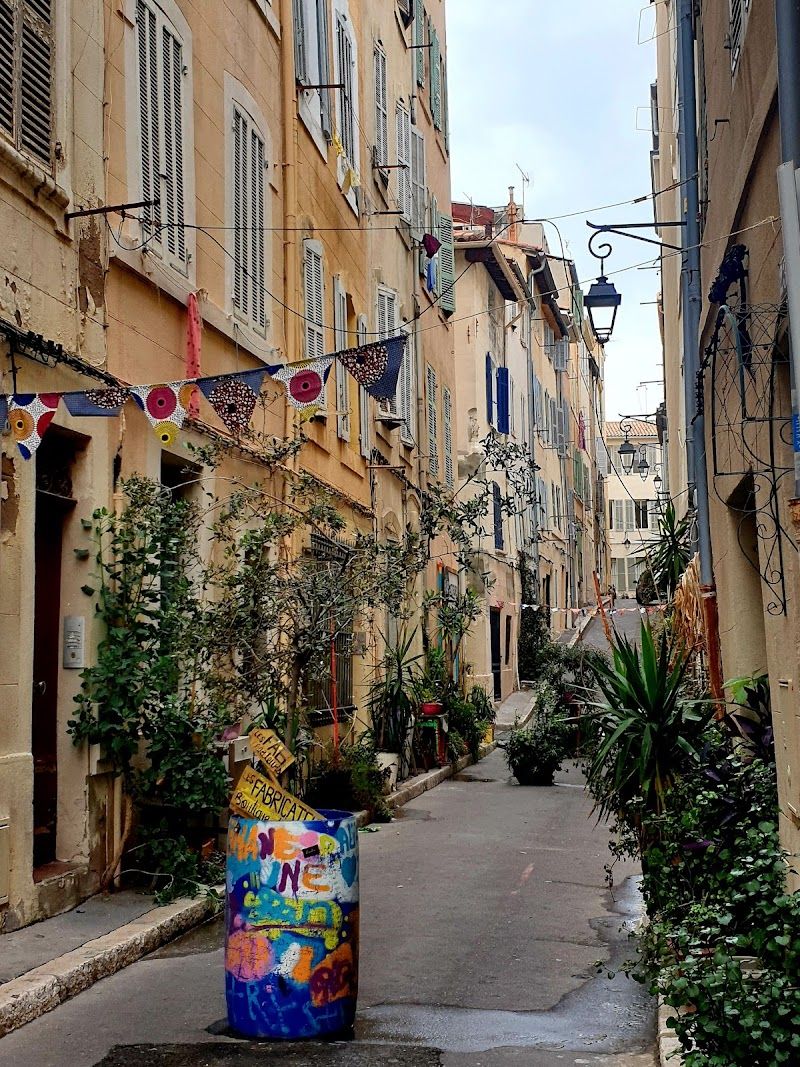
Walk through Le Panier on a Tuesday morning when the markets are in full swing. The smell map tells the story: anise from the pastis distilleries, harissa from the North African groceries, fennel pollen from the fish vendors, and yeast from the bakeries making navette cookies shaped like boats-a direct link to those first Greek sailors.
Why Marseille Multicultural Food Rules France
Marseille is the only major French city where couscous outsells cassoulet, where you can find authentic tajines within walking distance of proper bouillabaisse, and where the best croissant in town (at Boulangerie Julien on rue de la République) is made by a baker whose grandfather came from Algeria.
The secret is that Marseille never pretended to be purely French. Paris spent centuries trying to suppress regional cuisines in favor of haute cuisine orthodoxy. Marseille said "non merci" and kept cooking what it wanted. The result is a food culture that feels more like Istanbul or Palermo than Lyon or Toulouse.
The numbers prove it: Marseille has more Maghrebi restaurants per capita than any city in France, more places serving authentic Lebanese food than Nice or Cannes, and the only Chinatown in southern France that actually serves food Chinese people would recognize. This isn't token multiculturalism-it's economic reality in a port city where 40% of the population has Mediterranean or North African heritage.
The North African Influence
Start your exploration at Marché des Capucins (metro Noailles, open Monday-Saturday 7am-7pm). This is where the city's North African community shops, and it's where you'll find ingredients that don't exist in regular French supermarkets. Ras el hanout spice blends cost approximately EUR 3-6 per 100g here versus EUR 12 at Monoprix downtown.
The best couscous in Marseille is at Restaurant Le Jasmin (24 cours Julien), run by the same Tunisian family since 1987. Their couscous royal (around EUR 18) includes lamb, merguez, chicken, and vegetables, served with a broth so good that regular customers bring their own containers to take home extra. They close Sunday and Monday, and you need reservations Thursday through Saturday.
For everyday eating, try the hole-in-the-wall places around Belsunce district. Chez Toufik (17 rue d'Aix) serves proper Algerian chorba soup (approximately EUR 4) and makes his own harissa daily. The décor hasn't changed since 1995, which is exactly the point.
Lebanese and Middle Eastern Additions
Le Panier neighborhood houses the city's established Lebanese community, centered around the mosque on rue de la Loge. Al Wadi restaurant (41 rue Francis Davso) serves the only decent Lebanese mezze in Marseille that doesn't cost Paris prices-their mixed mezze platter feeds two people for around EUR 24.
The real find is Patisserie Akram (68 rue de la République), where Lebanese sweets share display cases with French pastries. Their ma'amoul cookies filled with dates and pistachios (approximately EUR 2.50 each) sell out by 2pm most days. The owner, Hassan, trained in Beirut before moving to Marseille in 1998, and he'll explain the difference between Lebanese and Syrian baklava if you're genuinely interested.
Marseille Street Food: Beyond Panisse and Socca
Marseille street food reflects the city's working-class roots and Mediterranean influences. Panisse (EUR 3-6) and socca (EUR 3-6) are the tourist favorites-both chickpea-based, both fried, both good when done properly. But the real street food scene happens in places guidebooks miss.
The best panisse in Marseille is at Bar de la Marine (15 quai de Rive Neuve), where they've been making it the same way since 1943. Thick chickpea flour pancakes cut into strips and fried until crispy outside, creamy inside. They serve it with a proper alioli made with Provence olive oil, not mayonnaise from a jar.
For socca, head to Chez Pépé (corner of rue Saint-Saëns and boulevard National). This Niçois-style chickpea pancake cooked in a wood-fired oven is better here than in most places in Nice. The oven runs Tuesday through Saturday from 5pm until they sell out, usually around 8pm.
The Immigrant Street Food Revolution
The more interesting street food happens at the margins. Senegalese women sell thieboudienne (rice and fish stew) from wheeled carts around Belsunce metro station every Friday afternoon-EUR 8 for a container that feeds two people, and it's the most flavorful lunch you'll have in Marseille.
Near the Réformés-Canebière metro stop, Vietnamese vendors operate from 11am to 2pm selling proper bánh mì sandwiches (approximately EUR 5-7) with housemade pâté and pickled vegetables. The bread comes from Boulangerie Nam (23 boulevard d'Athènes), which makes French baguettes with rice flour for extra crispness-a technique that works better than it sounds.
Turkish döner kebab arrived in the 1980s and evolved into something distinctly Marseillais. The best version is at Istanbul Kebab (47 la Canebière), where they marinate the lamb in pastis and serve it with rouille instead of standard garlic sauce. It costs approximately EUR 6.50 and works as dinner, not just late-night drunk food.
Traditional Marseille Dishes That Matter
Beyond bouillabaisse, Marseille traditional dishes reflect the city's maritime identity and working-class heritage. These aren't fancy recipes-they're foods that fed dock workers, fishermen, and their families for generations.
Bourride: The Other Fish Soup
Bourride is bouillabaisse's simpler cousin, made with white fish (usually monkfish) and served with aïoli instead of rouille. It costs around EUR 25-35 per person at most restaurants and doesn't require 24-hour advance notice like proper bouillabaisse. The best version is at Chez Michel in the 6th arrondissement, where they've been making it the same way since 1946.
Pieds et Paquets
This is Marseille's most polarizing dish: lamb tripe stuffed with garlic, parsley, and breadcrumbs, braised with lamb's feet in white wine. It sounds awful, tastes magnificent when done properly, and costs approximately EUR 16-22 at the few places that still make it. Try it at L'Epuisette (158 rue du Vallon des Auffes), where chef Guillaume Sourrieu uses his grandmother's recipe and serves it with proper Provence rosé.
Navette de Marseille
These boat-shaped cookies flavored with orange blossom water are Marseille's official pastry, protected by tradition if not law. Proper navettes are made only at Boulangerie des Navettes (136 rue Sainte), using the same recipe since 1781. They cost approximately EUR 1.50 each, last forever, and taste like edible history.
The connection to maritime culture runs deep-navettes were originally ship's biscuits designed to survive long voyages. Today they're eaten during Candlemas (February 2nd) and sold to tourists year-round, but the authentic versions still have that satisfying hardness that requires proper coffee for dunking.
Pastis: More Than Just a Drink
Pastis isn't technically food, but in Marseille it functions as liquid culture. Real pastis is made in Marseille at Pastis Henri Bardouin distillery (visits by appointment only, approximately EUR 12 per person), using 65 herbs and spices including star anise, licorice, and fennel.
The drinking ritual matters: add cold water slowly until the liquid turns cloudy (about 5 parts water to 1 part pastis), serve with ice cubes on the side, never pre-mixed. A glass of local wine at bar costs EUR 4-8 at most bars, and drinking it before 6pm marks you as either a tourist or an alcoholic.
The Food History Behind Modern Marseille Cuisine
Marseille's food history reads like a condensed version of Mediterranean civilization. Each conquering group brought ingredients and techniques that mixed with existing traditions, creating something entirely new.
Greek Foundations (600 BC - 49 BC)
The Phocaean Greeks who founded Massalia brought more than just olive trees. They introduced the concept of the symposium-communal dining as social bonding-that still defines Marseille food culture. Modern Marseille restaurants serve meals family-style by default, with shared appetizers and communal bread baskets, a direct inheritance from Greek dining customs.
They also brought garum, fermented fish sauce that was the ketchup of the ancient world. Modern pissalat (anchovy paste served with raw vegetables) is garum's direct descendant, still made the same way 2,000 years later.
Roman Efficiency (49 BC - 476 AD)
Romans introduced wheat cultivation and professional bakeries. They also built the first organized markets and established trade routes that brought spices from across the empire. The weekly market system that still operates in Cours Julien every Tuesday and Saturday follows the Roman schedule established in the 1st century AD.
Arab Innovations (8th - 11th centuries)
Arab traders brought sugar, almonds, and the spice combinations that define modern Marseille cooking. They also introduced the concept of street food-quick, portable meals for working people. The morning pastry culture at places like Boulangerie Julien directly descends from Arab flatbread traditions mixed with French patisserie techniques.
Modern Immigration Waves
The 20th century brought three major immigration waves that reshaped Marseille cuisine: Italians (1900-1930), North Africans (1950-1980), and Southeast Asians (1970-1990). Each group brought complete food cultures, not just individual dishes.
The result is a city where you can eat authentic food from six different Mediterranean cultures within a 10-minute walk of the Vieux-Port. This isn't fusion cuisine-it's parallel evolution happening in the same geographic space.
Where Food Culture Lives Today
Modern Marseille food culture operates on multiple levels: tourist restaurants serving standardized bouillabaisse, neighborhood bistros feeding regulars, ethnic restaurants serving immigrant communities, and street vendors filling gaps in between.
The Tourist Layer
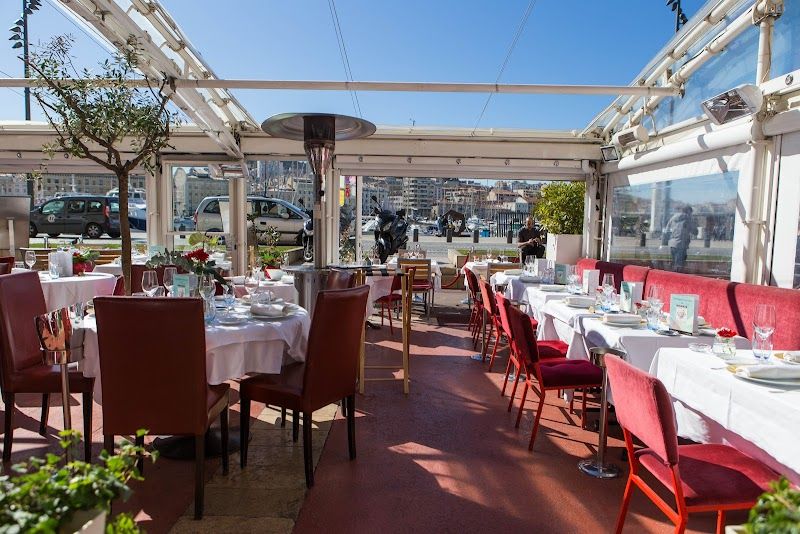
Bouillabaisse restaurants around the Vieux-Port cater to visitors expecting an "authentic" Marseille experience. Most charge EUR 35-65 per person for fish soup that locals consider overpriced and underseasoned. The exceptions are Chez Fonfon at Vallon des Auffes (reservation essential) and Chez Michel near Notre-Dame du Mont metro.
The Neighborhood Level
Real food culture happens in neighborhood bistros that have been serving the same families for decades. These places don't advertise, don't have English menus, and close for vacation in August like clockwork. They're also where you'll eat better and spend less than anywhere designed for tourists.
Try L'Aromat (3 rue du Relais) in the 3rd arrondissement, where the budget lunch plat du jour (EUR 12-18) changes based on what's good at the morning markets. The décor hasn't changed since 1987, the owner remembers what you ordered last time, and the wine list consists of whatever his brother-in-law is making in the Luberon this year.
The Ethnic Restaurant Reality
Marseille's ethnic restaurants exist primarily to serve their own communities, not to introduce French people to exotic cuisines. This means authenticity by necessity-if the Moroccan community won't eat at your couscous restaurant, you'll fail.
The best ethnic restaurants are in neighborhoods where those communities actually live: Lebanese food in Le Panier, North African cuisine around Belsunce, Vietnamese restaurants near the train station, and Italian places in the 1st arrondissement where Neapolitan immigrants settled in the 1920s.
Planning Your Marseille Food Culture Experience
To understand Marseille food culture, you need a strategy that goes beyond restaurant reviews. This is a city where the best meals happen at markets, where street food vendors operate on unofficial schedules, and where the most authentic experiences require local knowledge.
Start with the morning fish market any day except Monday. Arrive by 9am when the selection is best and vendors have time to explain what they're selling. Buy something-even if it's just olives-and ask where they eat lunch. Fish vendors know every good restaurant in the city.
For comprehensive coverage, plan three different food experiences: one bouillabaisse dinner (budget EUR 35-65 per person), one ethnic meal in the appropriate neighborhood (budget mid-range dinner with wine EUR 25-40 per person), and one street food exploration session (budget EUR 10-15 total).
The weekly rhythm matters: markets operate Tuesday and Saturday, many ethnic restaurants close Monday, and street food vendors work around prayer schedules and family obligations that don't follow French business hours.
Time your visit for maximum impact: Tuesday through Thursday for markets and neighborhood restaurants, Friday afternoon for Senegalese street food, Saturday for the big market in Cours Julien, and Sunday morning for Lebanese pastries when families stock up after church.
Marseille food culture rewards curiosity and punishes preconceptions. This is France's most honest food city, where flavors matter more than presentation and authenticity trumps sophistication every time. The city that gave France bouillabaisse also gave it the courage to admit that good food comes from everywhere, not just from French grandmothers. That might be the most revolutionary thing about Marseille cuisine-not what it includes, but what it refuses to exclude.
For more detailed restaurant recommendations and market guides, check out our comprehensive Marseille food guide and first-time visitor's guide to the city.