Milan vs Rome is Italy's ultimate urban rivalry. Rome built an empire and preserved it in marble. Milan builds profit and displays it in glass towers. The question isn't which city is better - it's which city matches what you want from Italy.
Rome delivers the Italy of guidebook covers: the Colosseum, Vatican frescoes, and pasta that tastes like your grandmother's recipe even though she was from Ohio. Milan delivers the Italy that Italians actually live in: efficient public transport, restaurants that close on schedule, and fashion that costs more than your rent.
For first-time visitors to Italy, this choice shapes your entire perception of the country. Pick Rome and you'll understand why people fall in love with Italy. Pick Milan and you'll understand why Italians succeed in business.
Why Milan Wins for Modern Italy
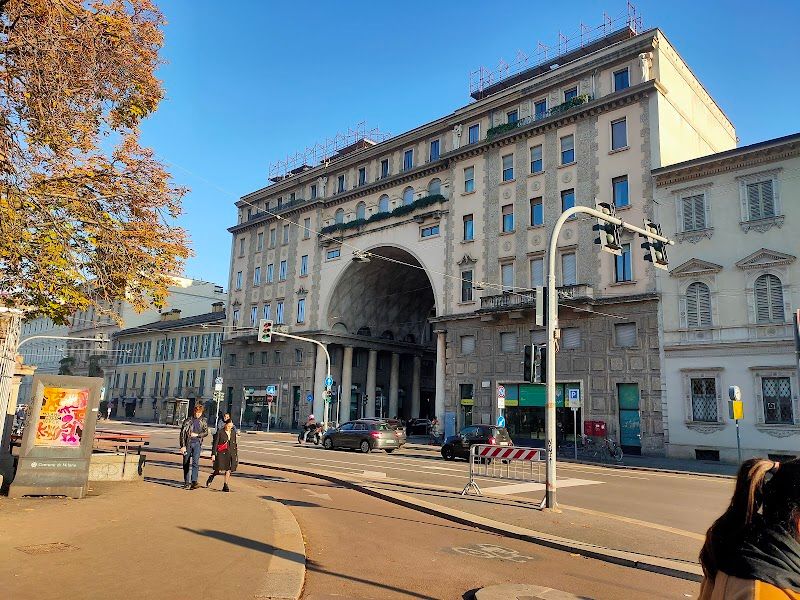
Milan operates like a northern European city that happens to serve excellent coffee. The metro runs every two minutes during peak hours, museum websites actually work, and restaurants take credit cards without sighing dramatically. If you're traveling from London, Berlin, or New York, Milan feels familiar while Rome feels foreign.
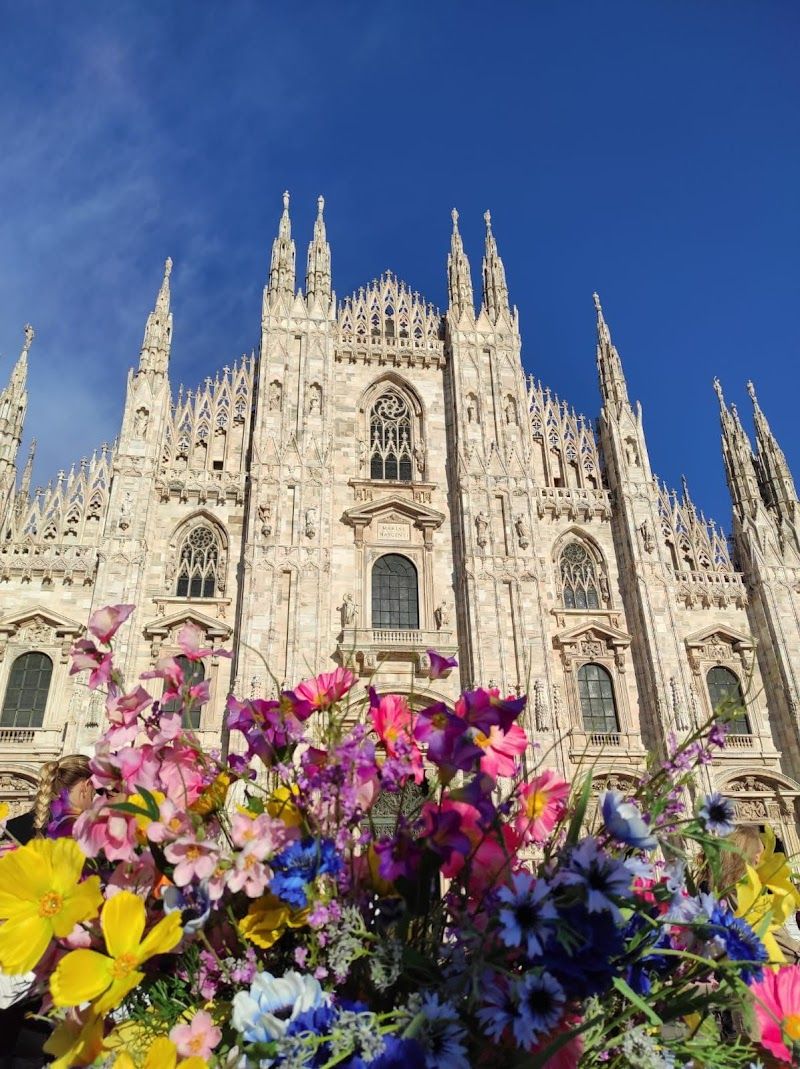
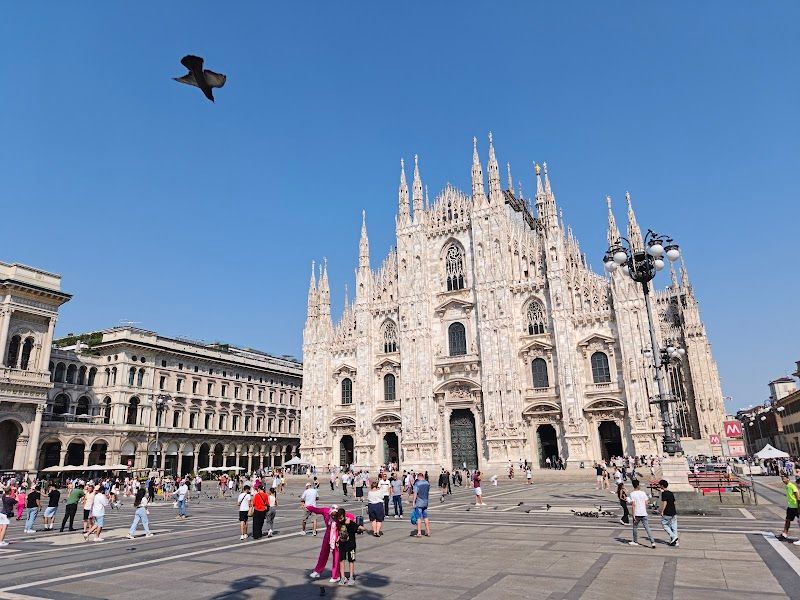
The city center revolves around the Duomo di Milano, a Gothic cathedral that took 600 years to complete and looks like it was designed by committee - if that committee included angels. The rooftop terraces cost EUR 15-25 depending on whether you take the elevator or stairs, and on clear days you can see the Alps between the marble spires.
Next door, the Galleria Vittorio Emanuele II connects the cathedral to La Scala opera house through the most expensive shopping mall in Italy. The central dome rises 47 meters above marble floors that have been polished by millions of tourist shoes. Even window shopping here costs nothing and feels like a museum visit.
Milan's neighborhoods each serve specific functions. Centro Storico handles tourism and business meetings. Brera manages art galleries and overpriced aperitivos. Navigli processes nightlife along canals that Leonardo da Vinci designed with locks. The city doesn't pretend to be quaint - it is efficient, expensive, and excellent at what it does.
Public transport costs EUR 2.2 for 75 minutes of metro, bus, and tram access. A daily pass runs EUR 7.6, and the system actually works as advertised. Rome's public transport operates more like a suggestion than a schedule.
Why Rome Wins for Classic Italy
Rome contains 2,000 years of continuous history layered like an archaeological lasagna. Walk down any street and you'll find Roman columns supporting medieval churches with Renaissance facades and Baroque fountains. The city is an outdoor museum where people happen to live, work, and complain about tourists.
The Vatican Museums alone require a full day and advance booking. The Sistine Chapel ceiling delivers on the hype, but the real revelation is walking through rooms that contain more art than most countries' national collections. Entry costs around EUR 20-25, and the crowds move like a slow river through marble corridors.
The Colosseum and Roman Forum represent ancient Rome's greatest hits. Combined tickets cost around EUR 18-25 and include the Palatine Hill, where emperors once lived in palaces that make modern penthouses look modest. The ruins require imagination to appreciate fully, but standing where gladiators fought and senators debated connects you to history in ways that textbooks cannot.
Roman food follows traditions that predate refrigeration. Carbonara contains eggs, pecorino cheese, guanciale, and black pepper - no cream, no peas, no deviation. Cacio e pepe translates to "cheese and pepper" and contains exactly those ingredients plus pasta water and technique. Romans treat their recipes like religious texts, and the results justify their fundamentalism.
The city operates on Roman time, which runs approximately 30 minutes behind the rest of the world. Restaurants close for three hours at lunch, museums have unpredictable opening times, and the metro occasionally decides to strike without warning. This drives type-A personalities insane and teaches everyone else to slow down.
Cost Comparison: Milan vs Rome Budget Breakdown
Milan costs more than Rome for accommodation, shopping, and dining, but less for efficient experiences. Rome costs less for hotels and food but more for tourist attractions and day trips.
| Category | Milan | Rome | Winner |
|---|---|---|---|
| Budget hotel | EUR 60-90 | EUR 50-80 | Rome |
| Mid-range hotel | EUR 120-200 | EUR 100-180 | Rome |
| Luxury hotel | EUR 350-800 | EUR 300-600 | Rome |
| Budget meal | EUR 6-10 | EUR 8-12 | Milan |
| Mid-range dinner | EUR 30-50 | EUR 25-40 | Rome |
| Coffee at bar | EUR 1.2-2 | EUR 1-1.5 | Rome |
| Metro day pass | EUR 7.6 | EUR 7 | Rome |
| Major museum | EUR 10-15 | EUR 15-25 | Milan |
| Airport transfer | EUR 13 (train) | EUR 8-14 (train/bus) | Rome |
Milan's efficiency saves money on transport and time. Rome's chaos costs time but offers cheaper food and accommodation. For a week-long visit, Milan typically costs EUR 100-150 more per person than Rome, but you'll spend less time waiting in lines and more time actually seeing things.
Milan vs Rome for First-Time Visitors to Italy
First-time visitors should choose based on what they want to learn about Italy. Milan teaches you how modern Italy works. The fashion industry drives the economy, design influences daily life, and northern European efficiency coexists with Mediterranean culture. You'll eat risotto instead of pasta, drink aperitivos instead of wine with lunch, and see how Italians build the future while respecting the past.
Rome teaches you how Italy became Italy. Every neighborhood contains ruins, every church holds masterpieces, and every meal connects to traditions that survived invasions, wars, and tourism. You'll understand why Italians gesture while talking, why family matters more than schedules, and why preserving the past sometimes matters more than embracing change.
For travelers who want their Italy experience to match their expectations from movies and guidebooks, Rome delivers completely. The city looks exactly like the postcards, sounds like the soundtracks, and tastes like the cookbooks. Milan looks like the business district of any major European city that happens to serve exceptional coffee and display art.
Choose Milan if you: appreciate efficiency, enjoy modern art and design, prefer boutique shopping to ancient monuments, like cities that work smoothly, or plan to visit other northern Italian destinations like Lake Como or Venice.
Choose Rome if you: want maximum historical impact, prefer traditional Italian food culture, enjoy crowds and chaos as part of the experience, like exploring without rigid schedules, or plan to visit southern Italy or other Mediterranean destinations.
Getting Around: Milan vs Rome Transportation
Milan's public transport system operates with Swiss precision using Italian design. The metro has four color-coded lines that connect major attractions, business districts, and residential neighborhoods. Trains arrive every 2-3 minutes during peak hours and run until midnight Sunday through Thursday, 1:30 AM on Fridays and Saturdays.
The ATM system integrates metro, buses, trams, and some suburban trains using the same tickets. A single EUR 2.2 ticket provides 75 minutes of unlimited transfers within the urban zone. Weekly passes cost EUR 18 for unlimited travel, making them worthwhile for stays longer than three days.
Rome's public transport system operates with more character than precision. The metro has three lines that connect major tourist sites but don't cover the entire historic center. Buses fill the gaps but follow routes that seem designed by someone who lost a bet with the city planning department.
Roman buses and trams require validation when boarding, but the machines sometimes work and sometimes don't. Romans seem to understand which buses actually arrive and which exist only on paper, but tourists must learn through trial and error. A Roma Pass (around EUR 32-52) includes three days of public transport plus entry to major attractions, making it worthwhile for busy sightseeing schedules.
Walking remains the most reliable transport method in both cities, but Milan's grid-like center makes navigation easier than Rome's medieval street pattern that follows ancient Roman roads and sheep paths with equal logic.
Food Culture: Northern vs Central Italian Cuisine
Milan vs Rome extends to the dinner plate, where northern and central Italian food cultures clash deliciously. Milan represents Lombardy's butter-and-rice tradition, while Rome defends Lazio's olive-oil-and-pasta heritage. Both cities take their food seriously, but they disagree on almost every ingredient.
Milanese cuisine reflects northern Italy's proximity to Switzerland, Austria, and France. Risotto alla milanese contains saffron that turns rice golden yellow and costs EUR 15-25 at traditional restaurants. Cotoletta alla milanese resembles wiener schnitzel because they share Austrian ancestry. Panettone originated here as Christmas bread and now appears year-round in bakeries throughout the city.
Roman cuisine represents central Italy's pastoral traditions of sheep herding and farming. The holy trinity of Roman pasta - carbonara, cacio e pepe, and amatriciana - uses ingredients that survive without refrigeration: eggs, cheese, cured pork, and black pepper. Each dish follows strict rules that Romans learned from their grandmothers and enforce with religious fervor.
Milan's restaurant scene embraces international influences and modern techniques while maintaining respect for Lombard traditions. You'll find excellent Japanese, Indian, and fusion restaurants alongside family-run trattorias that have served the same risotto recipe for four generations. The city's fashion and business communities demand variety and innovation in their dining options.
Rome's restaurant scene centers on traditional Roman-Jewish cuisine, neighborhood trattorias, and pizzerias that have perfected thin-crust Roman-style pizza. International restaurants exist but often feel like afterthoughts compared to the depth and quality of local options. When a city does cacio e pepe this well, why order Thai food?
For food enthusiasts seeking variety and innovation, Milan offers more options. For travelers wanting authentic Italian food culture, Rome provides deeper immersion in traditions that define Italian cuisine globally. Our Where to Eat in Milan guide covers the city's best neighborhoods for different types of dining experiences.
Cultural Attractions: Art, History, and Museums
The Milan vs Rome cultural debate pits contemporary relevance against historical depth. Milan's museums focus on modern art, design, and fashion, while Rome's collections span 2,000 years of Western civilization.
Milan's cultural scene revolves around La Scala, fashion, and contemporary art. The Teatro alla Scala opera house invented modern opera performance and still sets global standards for vocal excellence. Museum entry costs EUR 15 and includes access to theater boxes when performances aren't running. The real experience requires attending an opera, which costs EUR 30-300 depending on seating and production.
The Pinacoteca di Brera contains northern Italy's finest Renaissance paintings, including works by Mantegna, Bellini, and Caravaggio. Entry costs EUR 15, and the collection rivals any in Europe for quality if not quantity. The surrounding Brera neighborhood has evolved into Milan's art district, with galleries, studios, and design shops occupying 18th-century palaces.
Leonardo da Vinci's Last Supper hangs in Santa Maria delle Grazie and requires EUR 15 tickets booked weeks or months in advance for 15-minute viewing slots. The fresco is deteriorating despite climate control and limited access, making each viewing feel precious and temporary.
Rome's cultural attractions overwhelm with quantity and historical significance. The Vatican Museums contain the world's largest art collection, accumulated over 500 years of papal patronage. The Sistine Chapel ceiling represents Michelangelo's greatest achievement, but the surrounding rooms contain works by Raphael, Bernini, and dozens of other masters whose names fill art history textbooks.
The Capitoline Museums house ancient Roman sculptures, including the original Marcus Aurelius equestrian statue and the She-wolf sculpture that symbolizes Rome's founding myth. Entry costs around EUR 15-20, and the collections connect directly to the history that unfolded in the Forum below.
Rome's churches function as free art galleries containing works that would anchor museum collections in other cities. San Luigi dei Francesi houses three Caravaggio paintings in their original setting. Santa Maria sopra Minerva contains Michelangelo's only signed sculpture. Dozens of other churches hold masterpieces by artists whose work sells for millions at auction.
For travelers interested in contemporary culture and design, Milan provides deeper engagement with current Italian creativity. For those seeking historical context and classical art, Rome offers unmatched depth and authenticity. The choice depends on whether you prefer to see how Italian culture developed or where it's heading.
Day Trips and Regional Access
Milan and Rome serve as gateways to completely different Italian experiences. Milan opens northern Italy's lakes, mountains, and sophisticated cities, while Rome connects to central Italy's hilltop towns, ancient sites, and Mediterranean landscapes.
From Milan, you can reach Lake Como in 40 minutes by train for around EUR 5-8. The lake's combination of Alpine scenery, Art Nouveau villas, and George Clooney sightings represents northern Italy at its most photogenic. Bergamo's medieval upper town sits 45 minutes away by bus for around EUR 3-5. Venice is 2.5 hours by high-speed train for EUR 25-45.
The Alps begin 90 minutes north of Milan, making day trips to Switzerland possible and winter skiing accessible. The Franciacorta wine region produces Italy's finest sparkling wine and welcomes visitors for tastings 90 minutes east of the city. Our day trips from Milan guide details transportation and timing for regional excursions.
From Rome, you can reach Florence in 90 minutes by high-speed train for EUR 25-50. Naples and Pompeii lie 75 minutes south by train for EUR 15-30, opening access to the Amalfi Coast and southern Italian culture. Tivoli's Villa d'Este and Hadrian's Villa represent Renaissance and Roman garden design at their peaks, just 45 minutes by regional train.
The Tuscan hilltop towns of Orvieto, Viterbo, and Civita di Bagnoregio make excellent day trips from Rome, each offering different perspectives on medieval Italian life. The Castelli Romani wine region southeast of Rome produces white wines that pair perfectly with Roman cuisine.
Choose Milan as a base for exploring northern Italy's sophistication and natural beauty. Choose Rome for accessing central Italy's history and southern Italy's passion. Both cities offer excellent regional connections, but they lead to entirely different Italian experiences.
Practical Considerations: Weather, Crowds, and Timing
Milan vs Rome timing depends on your tolerance for crowds, heat, and seasonal variations. Both cities have distinct seasonal personalities that affect the visitor experience significantly.
Milan weather follows northern European patterns with cold, foggy winters and hot, humid summers. Spring and fall provide the most pleasant conditions for walking and sightseeing. Winter offers fewer tourists but also shorter daylight hours and occasional snow. Summer brings fashion week crowds and temperatures that make exploring uncomfortable during midday hours.
Rome weather follows Mediterranean patterns with mild winters and scorching summers. Spring and fall are ideal, but even winter provides pleasant sightseeing weather most days. Summer temperatures often exceed 35°C (95°F), making outdoor sightseeing punishing between noon and 4 PM. The city empties in August as Romans flee to the coast.
Milan crowds follow business and fashion calendars rather than tourist seasons. Fashion weeks in February/March and September/October bring international visitors who book hotels months in advance and drive prices upward. Design week in April attracts architecture and furniture enthusiasts. Summer actually provides the calmest period as business travelers avoid the city.
Rome crowds follow traditional tourist patterns with peak seasons in summer and shoulder seasons in spring and fall. The Vatican and Colosseum maintain year-round crowds, but they intensify dramatically from June through August. Easter week brings both religious pilgrims and spring break tourists, creating the year's most crowded conditions.
For avoiding crowds while maintaining good weather, visit Milan in May, June, or October. Visit Rome in November, December, January, or early February. Both cities offer excellent experiences year-round, but timing affects comfort, costs, and crowd levels significantly.
The Verdict: Choose Based on Your Travel Personality
Milan vs Rome ultimately comes down to travel personality rather than objective superiority. Milan suits travelers who appreciate efficiency, contemporary culture, and sophisticated urban experiences. Rome suits travelers who want historical immersion, traditional culture, and authentic Italian chaos.
Milan rewards planning, punctuality, and specific interests in fashion, design, or business culture. The city operates predictably and delivers experiences efficiently. You'll see excellent museums, eat innovative food, and understand how modern Italy functions in a global economy.
Rome rewards spontaneity, patience, and general interest in history and culture. The city operates unpredictably and delivers experiences authentically. You'll see world-famous monuments, eat traditional food, and understand why Italian culture influences the world so profoundly.
For first-time visitors to Italy, both cities provide legitimate introductions to Italian culture, but they teach different lessons. Milan shows you Italy's future while Rome shows you its foundation. Choose the lesson you want to learn, and let that choice guide your Italian adventure.
Both cities deserve longer visits than most tourists allow. Plan at least three full days for either city to move beyond surface attractions and begin understanding local rhythms. Our 3 days in Milan itinerary provides a structured approach to experiencing the city efficiently while allowing time for spontaneous discoveries.
The milan vs rome debate will continue as long as both cities exist, but the real winner is anyone who visits both cities and learns what each teaches about Italian culture, history, and contemporary life.