Naples invented pizza and doesn't care if you believe it. The city treats food with a reverence that borders on religious fervor, and for good reason. A proper margherita costs EUR 8-15 at traditional pizzerias, takes 90 seconds in a 485°C wood-fired oven, and will fundamentally change your understanding of what pizza can be. But Naples food places extend far beyond pizza into a world of sfogliatelle, ragù that simmers for six hours, and coffee culture that makes Milan look amateur.
Finding the best restaurants in Naples requires understanding that locals eat differently here. Breakfast happens standing at a bar counter with a cornetto (EUR 1.2-2.5) and espresso (EUR 0.8-1.2). Lunch is often pizza al taglio (EUR 3-6) grabbed between errands. Dinner starts at 8 PM and can stretch past midnight. The best Naples food places follow these rhythms, not tourist expectations.
Essential Naples Food Places for First-Time Visitors
The Big Four Pizzerias
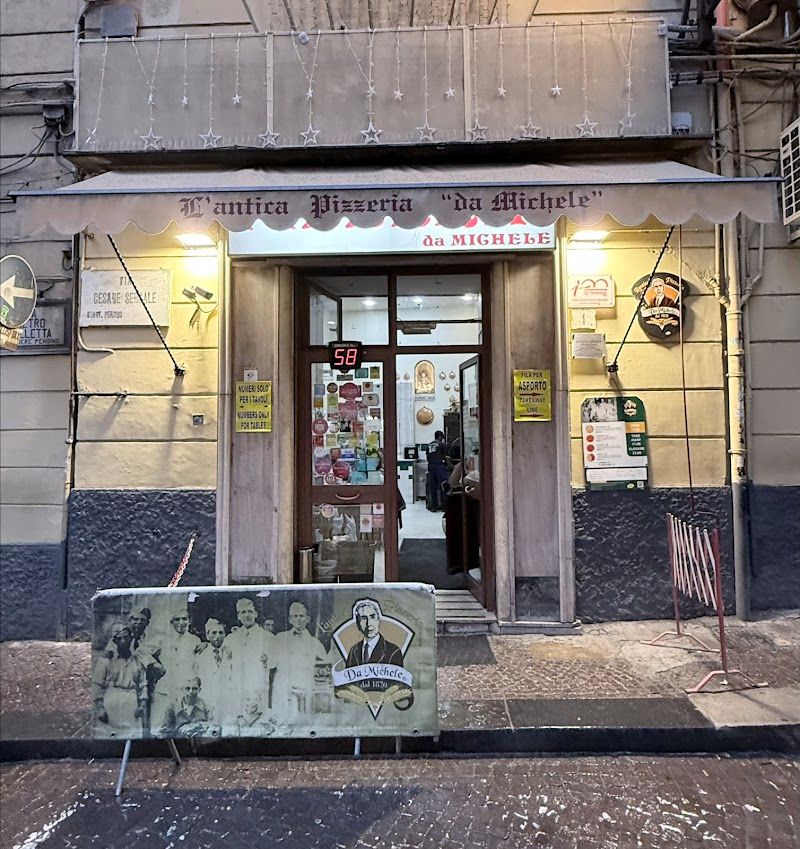
Four pizzerias in Naples have achieved legendary status, and they're all within walking distance of each other in the centro storico. L'Antica Pizzeria da Michele on Via Cesare Sersale has served only margherita and marinara since 1870. The margherita costs EUR 5 and arrives with buffalo mozzarella that's been sitting in water for exactly the right amount of time. No reservations, no substitutions, no complaints.
Pizzeria Gino Sorbillo on Via dei Tribunali offers more variety but maintains the same obsessive standards. The cornicione (crust edge) here achieves a lightness that seems to defy physics. Pizzeria Di Matteo nearby specializes in fried pizza (pizza fritta), a working-class tradition where the dough is stuffed with ricotta and salami, then deep-fried. It costs EUR 4-6 and weighs approximately the same as a small dog.
Pizzeria Starita a Materdei sits slightly north of the centro storico but rewards the metro ride with pizza montanara, where the base is lightly fried before receiving toppings and finishing in the wood oven. This technique creates a texture that's crispy outside and impossibly light inside.
Beyond the Famous Four
Concettina ai Tre Santi in Borgo Marinari serves pizza on the water with Castel dell'Ovo as backdrop. The location adds EUR 2-3 to each pizza, but the sunset timing makes it worthwhile. 50 Kalò near Piazza Dante focuses on high-quality ingredients, sourcing buffalo mozzarella from specific farms and San Marzano tomatoes from single producers. Expect to pay EUR 12-18 per pizza, but the ingredient quality justifies the premium.
Salvatore alla Riviera in Chiaia attracts a well-dressed crowd who don't mind paying EUR 15-20 for pizza with views of the Lungomare. The pizza here is technically perfect, though it lacks the rough charm of the centro storico institutions.
Naples Street Food and Quick Bites
Sfogliatelle and Pastry Culture
Sfogliatelle deserve their own category in any Naples dining guide. These shell-shaped pastries come in two versions: sfogliatella riccia (flaky) and sfogliatella frolla (smooth). Pintauro on Via Toledo has made them since 1785 using a recipe that remains unchanged. Each sfogliatella costs EUR 1.5-3 and should be eaten immediately while the ricotta filling is still warm.
Attanasio on Vico Ferrovia near the train station opens at 5 AM for workers heading to early shifts. Their sfogliatelle disappear by 9 AM, and for good reason. The pastry shatters at first bite, revealing ricotta so light it seems whipped with air. Scaturchio on Piazza San Domenico Maggiore has been family-owned since 1905 and produces pastries that look like architectural models.
Arancini and Street Snacks
Arancini (EUR 2-4) in Naples differ from Sicilian versions in both size and filling. Neapolitan arancini are smaller and often contain ragù that's been simmering since dawn. Friggitioria Vomero on Via Cimarosa serves the city's best versions, with rice cooked to the precise texture that holds together when bitten but doesn't turn gummy.
Pizza a portafoglio (wallet pizza) costs EUR 2-3 and consists of a small pizza folded in quarters for easy eating while walking. Genny ai Quattro Palazzi in the Spanish Quarter has perfected this technique, creating pizzas that stay structurally sound despite being folded and don't drip oil on your clothes.
Traditional Naples Restaurants Worth Seeking Out
Trattorie in the Spanish Quarter
Trattoria da Nennella in the Quartieri Spagnoli operates like a benevolent dictatorship. The owner assigns tables, recommends dishes, and occasionally breaks into song. The ragù napoletano takes six hours to prepare and costs EUR 12-15 for a portion that could feed two people. The restaurant accepts cash only and doesn't take reservations.
Tandem in the same neighborhood specializes in ragù and only ragù. They serve it over pasta, with bread, or simply in a bowl with a spoon. The meat falls apart at the touch of a fork after hours of slow cooking in San Marzano tomatoes. A full meal costs EUR 18-25 and includes more food than any reasonable person should consume.
Seafood Along the Lungomare
La Cantina dei Mille near the port serves seafood that arrives daily from the morning catch. The crudo di ricciola (amberjack sashimi) costs EUR 18 and showcases fish quality that rivals any restaurant in Italy. The spaghetti alle vongole (EUR 16) contains clams so small and sweet they must be eaten shell and all.
Umberto al Mare in Santa Lucia has operated since 1916 and maintains relationships with fishermen who reserve the best catch for the restaurant. The linguine ai frutti di mare (EUR 22) contains langoustines, mussels, clams, and prawns in a tomato sauce that tastes like concentrated ocean. Book ahead or expect to wait.
Upscale Dining Options
Il Comandante atop the Romeo Hotel offers the city's most sophisticated dining with prices to match (EUR 80-120 per person). The tasting menu changes seasonally but always includes modern interpretations of Neapolitan classics. The view encompasses Vesuvius, the bay, and the entire city, though the food stands on its own merits.
George Restaurant at Villa San Martino focuses on ingredients sourced within 50 kilometers of Naples. The menu changes weekly based on what's available, and dishes like sea bass with Piennolo tomatoes (EUR 28) demonstrate what Campanian cuisine can achieve with proper technique and premium ingredients.
Naples Coffee Culture and Breakfast Spots
Coffee Bars That Matter
Neapolitans drink coffee at specific times and in specific ways. Espresso (EUR 0.8-1.2) happens at the bar counter, never at a table unless you want to pay double. Cappuccino exists only before 11 AM. Breaking these rules marks you as a tourist immediately.
Gran Caffè Cimmino in Chiaia has perfected the Neapolitan coffee blend, which is darker and more bitter than northern Italian versions. The crema should be thick enough to hold sugar for three seconds before it sinks. Caffè del Professore near the university roasts beans on-site and serves coffee so strong it requires mental preparation.
Mexicano on Piazza Dante serves coffee in glasses instead of cups, a local quirk that somehow improves the flavor. The glass retains heat differently than ceramic, creating a drinking experience that's unique to Naples.
Breakfast and Morning Pastries
Brunch doesn't exist in Naples. Breakfast means cornetto and coffee, consumed standing up, finished in five minutes. Rizzuti on Via Toledo has made cornetti since 1930 using a laminated dough technique that creates 144 layers. The cornetti emerge from the oven every hour starting at 6 AM.
Pasticceria Capparelli near the Duomo specializes in baba, the rum-soaked cake that Naples adopted from French patissiers in the 18th century. Each baba (EUR 3-6) is soaked to order, ensuring the proper rum-to-cake ratio that makes or breaks the dessert.
Neighborhood Food Specialties by Area
Centro Storico Food Scene
The centro storico contains the highest concentration of essential Naples food places. Via dei Tribunali functions as an outdoor food court, with pizzerias, friggitorie, and pastry shops occupying every third storefront. Walking from Spaccanapoli to the Duomo provides a complete cross-section of Neapolitan food culture.
Peppe ai Due Portali serves cuoppo, a paper cone filled with fried seafood that costs EUR 5-8 and contains enough protein for an entire day. The squid rings achieve a lightness that seems impossible given the amount of oil involved in their preparation.
Vomero's Elevated Dining
Vomero attracts a more affluent clientele, and the restaurants reflect this demographic. Rosiello on Via Morghen serves refined versions of Neapolitan classics in an atmosphere that allows conversation without shouting. The pasta e fagioli (EUR 14) elevates peasant food into something approaching art without losing its essential character.
Chiaia's Aperitivo Culture
Chiaia embraces aperitivo culture more enthusiastically than other Naples neighborhoods. Barril on Via Bisignano serves Aperol spritz (EUR 6-8) with complimentary snacks that constitute a light meal. The crowd skews younger and better dressed than the centro storico, though the food quality remains uncompromisingly high.
Price Guide for Naples Dining
Understanding Naples food prices helps avoid tourist traps and budget properly. Traditional Neapolitan pizza costs EUR 8-15 at authentic pizzerias. Anything significantly higher suggests tourist pricing. Mid-range restaurant dinners run EUR 25-40 per person including house wine. Street food rarely exceeds EUR 6 unless it contains premium ingredients like buffalo mozzarella or fresh seafood.
Upscale dining in Naples costs EUR 50-80 per person, though a few restaurants exceed EUR 100. These prices reflect ingredient quality and technique rather than location or atmosphere. The best value often comes from neighborhood trattorias where EUR 20 buys enough food for two meals.
Essential Food Shopping and Markets
Mercato di Porta Nolana near the train station operates Monday through Saturday and offers ingredients unavailable elsewhere. The mozzarella di bufala here costs EUR 8-12 per kilogram and was made that morning in nearby Caserta. The San Marzano tomatoes come directly from farms in the volcanic soil around Vesuvius.
Antiche Delizie on Via Pasquale Scura specializes in preserved foods like 'nduja from Calabria and aged cheeses from small producers throughout Campania. Prices are higher than supermarkets, but the quality justifies the expense for anyone serious about cooking.
Timing Your Naples Food Experience
Eating well in Naples requires understanding local timing. Breakfast happens from 6 AM to 10 AM at coffee bars. Lunch runs from 12 PM to 3 PM, though many restaurants close between 2 PM and 7 PM. Dinner service begins at 7:30 PM but most locals don't eat until 8:30 PM or later. Many of the best places don't take reservations, so timing becomes crucial for avoiding waits.
Sunday dining follows different rules, with many restaurants closed or operating limited menus. Plan accordingly or risk disappointment when your targeted restaurant is shuttered.
For comprehensive planning of your Naples food adventure, our Naples food guide provides detailed neighborhood breakdowns and daily itineraries. If you're planning a longer stay, our 2-3 days Naples itinerary incorporates the best food experiences with essential sightseeing, ensuring you experience Naples as both a cultural destination and a food paradise.
The best Naples food places operate with standards that would be considered obsessive anywhere else. This attention to detail, passed down through generations, creates food experiences that justify the city's reputation as Italy's most authentic culinary destination. Whether you're grabbing EUR 3 pizza al taglio or splurging on a EUR 80 tasting menu, Naples delivers food that tastes like nowhere else on earth.