Oslo's food scene has exploded in the past decade, and nowhere is this more evident than in its food halls. The oslo food hall movement began with Mathallen Oslo in 2012 and has since expanded across the city, offering everything from traditional Norwegian fare to international street food. While Oslo remains stubbornly expensive, these food markets provide some of the best value eating in the city - and often the most interesting meals too.
Mathallen Oslo: The Pioneer Food Hall
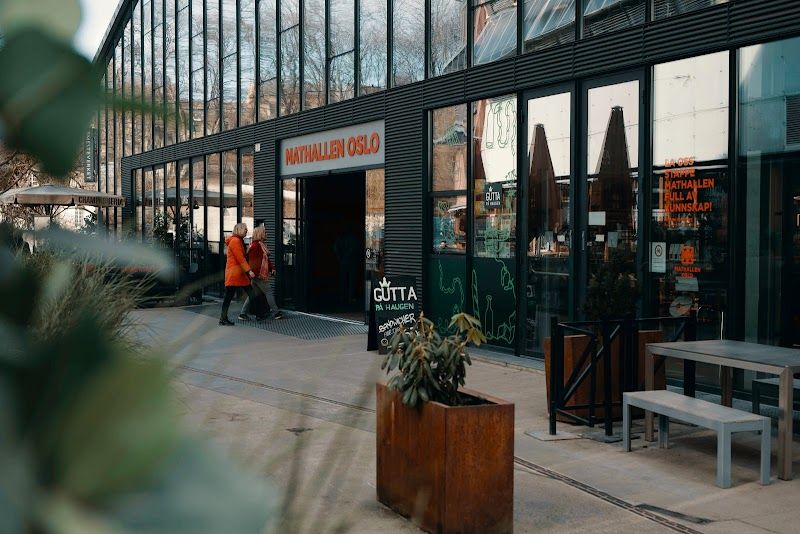
Mathallen Oslo sits in a converted 1950s industrial building on Vulkan in Grünerløkka, a 10-minute walk from Grünerløkka tram station. This is Norway's first dedicated food hall, and it still sets the standard. The space feels authentically industrial - concrete floors, exposed beams, and warehouse-style lighting - without trying too hard to be trendy.
What makes Mathallen special is the quality of vendors. This isn't a typical food court with chain restaurants. Instead, you'll find independent producers, artisan chefs, and specialty importers who actually know their products. The hall operates Tuesday through Saturday (closed Sundays and Mondays), with most vendors open 11:00-22:00.
Best Vendors at Mathallen Oslo
Hitchhiker serves the best Asian fusion in the hall. Their Korean-Norwegian fusion sounds gimmicky but works brilliantly - try the reindeer bulgogi (NOK 180) or the fish soup ramen (NOK 165). The portions are generous and the flavors are bold.
Smalhans focuses on traditional Norwegian ingredients prepared with modern techniques. Their fish soup (NOK 145) is exceptional - thick, creamy, and loaded with chunks of salmon, cod, and Arctic char. This is what fish soup should taste like but rarely does in tourist restaurants.
Folka handles pizza and does it well. The sourdough base has proper tang and chew, and they use quality Norwegian ingredients. Expect to pay NOK 190-240 for a pizza that serves 1-2 people.
Det Norske Kjøkken offers traditional Norwegian dishes executed properly. Their fårikål (lamb and cabbage stew, NOK 195) is the real deal, and their selection of Norwegian cheeses is the best place to try the infamous brown cheese (brunost) without committing to a whole block.
Mathallen Food Market Shopping
The vendors aren't just restaurants - many sell products to take home. Røed specializes in Nordic spirits and has knowledgeable staff who can recommend local aquavit and gin. Stock imports specialty ingredients you won't find elsewhere in Oslo, from proper Italian anchovies to Japanese miso.
Prices at Mathallen run NOK 120-250 for most dishes, making it mid-range for Oslo but excellent value considering the quality. A meal for two with drinks typically costs NOK 500-700.
Vippa: Waterfront Food Court with Character
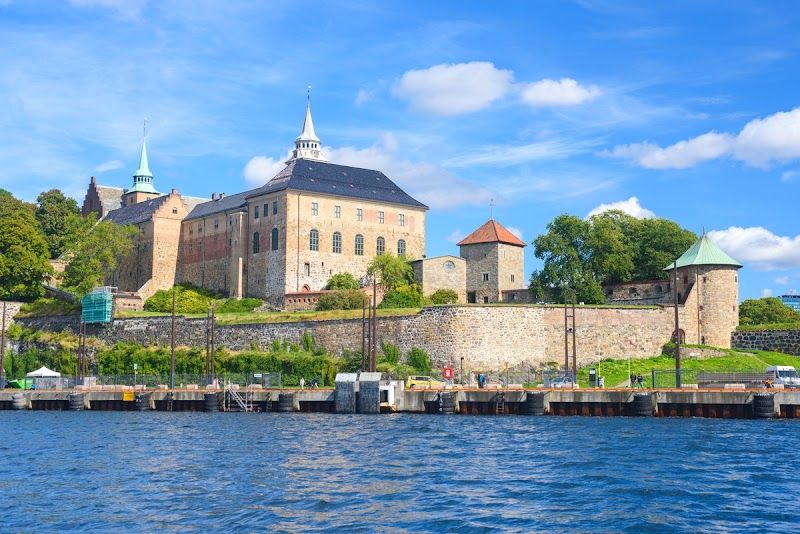
Vippa occupies a former fish market building on the Akershus Peninsula, walking distance from the Akershus Fortress. The location is spectacular - floor-to-ceiling windows overlook Oslo Fjord, and on summer evenings the sunset views are worth the trip alone.
Unlike Mathallen's artisan focus, Vippa positions itself as affordable street food. The vendors here represent Oslo's immigrant communities, offering authentic flavors often missing from the city's restaurant scene.
What to Eat at Vippa
Pink Fish serves the best fish tacos in Oslo (NOK 85-105 each). The fish is fresh, the salsas are bright, and three tacos make a proper meal. Order the cod with mango salsa.
Holy Chicken does Nashville-style hot chicken that actually has heat. Their chicken sandwich (NOK 145) comes with proper spice levels - start with medium unless you handle heat well.
Godt Brød provides excellent sourdough bread and pastries. Their cinnamon buns (NOK 45) are massive and worth the carb load.
Hitchhiker has a second location here with a slightly different menu focused on Korean street food. The Korean corn dog (NOK 85) is ridiculous in the best way - cheese-filled and coated in crispy batter.
Vippa operates seasonally (May through September) with extended summer hours. Winter operations are limited. Most dishes cost NOK 80-180, making this one of the most affordable places to eat well in Oslo.
Food Halls Beyond the Famous Two
Torggata Bad Food Court
Located in the basement of the Torggata Bad swimming complex in Grünerløkka, this small food court flies under the radar. The setting is odd - you're literally eating next to a public pool - but the food is solid.
Bao serves proper Vietnamese banh mi (NOK 95-115) and pho (NOK 135). The broth in their pho has the deep flavor that comes from hours of simmering bones. Rotisserie does Norwegian-style rotisserie chicken with sides (NOK 165-195).
The space is cramped and the acoustics are terrible when the pool is busy, but prices are 20-30% lower than comparable food elsewhere in the city.
Oslo S Food Court
Oslo Central Station's food court isn't destination dining, but it serves a purpose. Open daily until 23:00, it's useful for late arrivals or early departures. Kaffebrenneriet provides decent coffee (NOK 35-50), while Deli de Luca offers sandwiches and salads (NOK 85-140).
Quality varies wildly here - stick to simple items and lower your expectations. This is convenience food, not culinary exploration.
Youngstorget Weekend Markets
Youngstorget hosts weekend food markets from May through October. Saturday's farmers market features local producers selling everything from reindeer sausage (NOK 85) to cloudberry jam (NOK 95 for a small jar).
The Thursday evening market (summer only) focuses on prepared foods. Smalhans has a stall here, as does Godt Brød. Prices are similar to their permanent locations, but the atmosphere is more festive.
Oslo Food Hall Price Comparison
| Location | Average Meal | Beer/Wine | Opening Hours | Best For |
|---|---|---|---|---|
| Mathallen | NOK 150-220 | NOK 95-140 | Tue-Sat 11-22 | Quality, variety |
| Vippa | NOK 120-180 | NOK 85-120 | May-Sep seasonal | Views, affordability |
| Torggata Bad | NOK 110-165 | NOK 80-110 | Mon-Sat 11-21 | Budget option |
| Oslo S | NOK 85-140 | NOK 95-130 | Daily 6-23 | Convenience |
| Youngstorget | NOK 90-160 | NOK 90-125 | Weekends seasonal | Local products |
Making the Most of Oslo's Food Scene
The oslo food market hall scene works best when you approach it strategically. Mathallen and Vippa complement each other - visit Mathallen for innovative takes on Nordic cuisine and Vippa for international flavors and waterfront dining.
Timing matters significantly. Mathallen gets crowded between 12:00-14:00 and 18:00-20:00. Visit mid-afternoon for the best experience and easier seating. Vippa is busiest during sunset hours (varies by season) when everyone wants the water views.
Don't expect American-style portions. Norwegian food culture emphasizes quality over quantity, and portions reflect this. What might seem small initially is usually adequate, especially considering the richness of Nordic cuisine.
Navigating Oslo Food Hall Etiquette
Norwegians are polite but reserved. Don't expect chatty service - efficiency is valued over friendliness. Tipping isn't expected but rounding up is appreciated.
Most vendors accept cards only - cash is rarely used in Oslo. Contactless payment is ubiquitous.
Seating is communal in most food halls. Don't expect to hold tables, and be prepared to share during busy periods.
Beyond Food Halls: Oslo's Broader Food Scene
While food halls offer excellent value and variety, they're part of Oslo's larger culinary evolution. The city's restaurant scene has matured dramatically, moving beyond the stereotype of expensive, mediocre food.
Traditional Norwegian restaurants like those featured in our comprehensive Oslo food guide offer different experiences from food halls. These establishments focus on seasonal Norwegian ingredients and traditional preparation methods.
Coffee culture deserves special mention. Tim Wendelboe and Fuglen represent Oslo's third-wave coffee movement. Both roast their own beans and serve coffee that justifies the NOK 45-60 price point.
Food Halls as Cultural Spaces
Oslo's food halls function as more than just dining venues - they're community spaces where locals gather, work on laptops, and meet friends. This social aspect makes them excellent places for solo travelers to experience local life without the formality of traditional restaurants.
The architecture matters too. Mathallen's industrial aesthetic and Vippa's modernist fish market building represent Oslo's approach to adaptive reuse - preserving functional buildings while giving them new life.
Practical Information for Food Hall Visits
Getting there is straightforward using Oslo's excellent public transport. A single ticket (NOK 40) covers metro, bus, and tram for one hour within central zones. The 24-hour pass (NOK 130) makes sense if you're visiting multiple locations.
Mathallen is closest to Grünerløkka station on tram lines 11, 12, and 13. The walk from the station takes 8-10 minutes through an interesting neighborhood.
Vippa is accessible via bus 60 to Vippetangen or a 15-minute walk from the city center. The walk passes through Akershus Fortress grounds, making it a pleasant route.
Combining visits works well with Oslo's compact city center. You can easily visit multiple food halls in a day, especially if you're staying in Sentrum or near the waterfront.
The Future of Oslo Food Halls
Oslo's food hall scene continues evolving. New venues open regularly, though not all survive - the economics of food service in expensive Oslo are challenging. The successful halls share common elements: interesting architecture, diverse vendors, and prices that provide value within Oslo's expensive context.
Seasonal variations affect all outdoor or partially outdoor venues. Vippa's limited winter operations reflect Norwegian climate realities. Indoor venues like Mathallen maintain consistent year-round operations.
Quality remains high because the market demands it. Oslo diners are sophisticated and well-traveled. Mediocre food doesn't survive long, regardless of location or marketing.
The oslo food court movement represents broader changes in how Norwegians eat and socialize. These spaces offer alternatives to traditional restaurants while maintaining the quality standards Oslo residents expect. For visitors, they provide authentic tastes of both traditional Norwegian cuisine and the international influences shaping modern Oslo.
Whether you're planning a comprehensive Oslo itinerary or just looking for your next meal, the city's food halls deserve serious consideration. They offer some of the best value dining in an expensive city, along with the chance to experience Oslo's evolving culinary culture firsthand.