Planning your Rome budget per day is simpler than most guides make it seem. The real question isn't whether Rome is expensive, it's whether you're going to eat standing at a bar or sitting at a table, whether you'll take the metro or taxis, and how many tourist traps you'll accidentally fall into.
The short answer: budget travelers can see Rome properly on €35-50 per day, mid-range visitors will spend €80-120, and luxury seekers should expect €200+ daily. But these numbers mean nothing without context. A cornetto and cappuccino costs EUR 3.5-5 at breakfast, but that same cappuccino becomes EUR 6 if you sit down at a tourist cafe near the Trevi Fountain.
Rome Budget Travel: €35-50 Per Day
A solid Rome budget trip starts with understanding that the city rewards smart choices over big spending. The biggest wins come from eating like a Roman and walking instead of taking taxis.
Budget Accommodation Breakdown
Hostel dorm beds run EUR 25-45 per night in central neighborhoods. The Generator Rome in Monti charges EUR 35-40 for a 6-bed dorm and puts you walking distance from the Colosseum. Budget hotels offer double rooms for EUR 60-100, meaning EUR 30-50 per person if you're sharing.
Skip hotels near Termini Station unless you're catching early trains. The area is convenient but gritty. Better value lies in Testaccio or San Giovanni, where EUR 70 gets you a clean double room in neighborhoods where Romans actually live.
Transportation Costs That Actually Matter
Rome's ATAC system is your budget hero. A single ticket costs EUR 1.5 and covers 100 minutes of unlimited transfers on metro, buses, and trams. The 24-hour pass at EUR 7 pays for itself after five rides, and the weekly CIS pass at EUR 24 makes sense for stays longer than four days.
Skip the taxi from Fiumicino Airport. The fixed rate of EUR 48 to the city center sounds reasonable until you realize the Leonardo Express train costs EUR 14 and gets you to Termini Station in 32 minutes. From there, metro line B takes you directly to the Colosseum for another EUR 1.5.
Walking saves money and shows you the real Rome. The historic center is compact enough to cover on foot. From the Pantheon to the Spanish Steps takes 15 minutes. From Trastevere to Campo de' Fiori is a 20-minute walk across the river that's more interesting than any guidebook description.
Budget Food Strategy
Rome's food culture works in your favor if you follow local patterns. Breakfast means a cornetto and cappuccino standing at a bar for EUR 3.5-5. Lunch happens between 1-2 PM at places serving EUR 12-18 menu deals. Dinner starts at 8 PM and costs EUR 25-40 for two courses with house wine.
Pizza al taglio (pizza by the slice) costs EUR 2.5-4 and provides legitimate meals, not tourist snacks. Bonci Pizzarium near the Vatican charges EUR 4-5 per slice but serves pizza that justifies the price. Local spots charge EUR 2.5-3.5 for slices that are just as good.
Supplì (fried rice balls) cost EUR 1.5-3 and appear at every Roman bar. They're not appetizers, they're substantial snacks that can replace lunch. The best ones have molten mozzarella centers that stretch when you bite them.
Espresso costs EUR 1-1.5 standing at the bar, EUR 3-4 seated at a table. This isn't a tourist tax, it's Roman culture. Romans drink coffee standing, tourists sit down. Follow the Romans.
Budget Museum and Attraction Strategy
Free attractions form the backbone of a budget Rome itinerary. The Trevi Fountain, Spanish Steps, and Villa Borghese Gardens cost nothing. St. Peter's Basilica is free, though climbing the dome costs EUR 10 with the elevator or EUR 8 if you take the stairs.
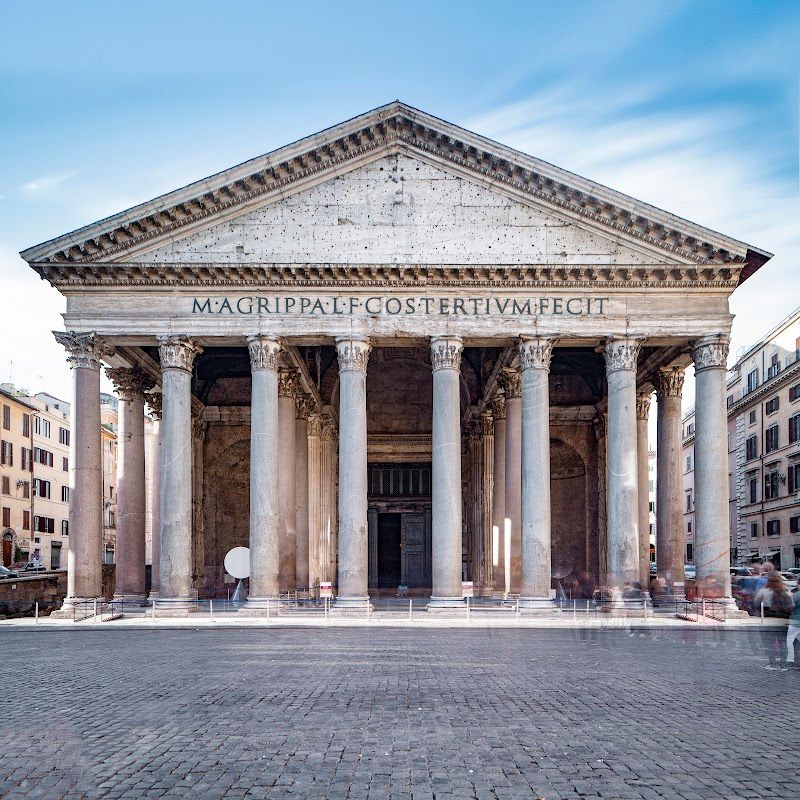
The Pantheon now charges EUR 5 entry, but it's worth every cent. Book online to skip lines. The Roman National Museum sites (Palazzo Massimo, Palazzo Altemps, Terme di Diocleziano, Crypta Balbi) each cost EUR 10 and offer better value than tourist favorites. Palazzo Massimo houses frescoes and mosaics that rival anything in the Vatican Museums.
Skip the Roma Pass for budget trips. At EUR 32 for 48 hours or EUR 52 for 72 hours, it only makes sense if you're hitting expensive attractions quickly. Budget travelers have time to walk between sites and don't need the transport included.
Mid-Range Rome Budget: €80-120 Per Day
Mid-range Rome budgets unlock the city's better restaurants and eliminate most logistics stress. You'll eat at trattorias instead of pizza counters, take taxis when walking doesn't appeal, and book museum tickets in advance instead of hoping for same-day availability.
Mid-Range Accommodation Options
Budget EUR 120-220 per night for 3-4 star hotels in central locations. Hotel Artemide near Termini Station charges EUR 150-200 for doubles with modern amenities and rooftop views. In Centro Storico, Hotel Pantheon sits 50 meters from its namesake monument and costs EUR 180-250 per night.
Trastevere offers boutique options like Hotel Santa Maria, built around a 16th-century cloister, for EUR 160-220 per night. The neighborhood's cobblestone streets and restaurant scene justify the premium over business hotels near train stations.
Enhanced Transportation Budget
Mid-range budgets allow strategic taxi use. Short rides within the historic center cost EUR 8-15, longer trips to neighborhoods like Testaccio or Pigneto run EUR 15-25. Uber operates in Rome but rarely offers significant savings over traditional taxis.
The Roma Pass makes more sense at this budget level. The 72-hour version at EUR 52 includes public transport, two free museum entries, and discounts on additional sites. It pays for itself if you visit the Vatican Museums (EUR 20 + EUR 4 booking fee) and Borghese Gallery (EUR 15 + EUR 2 booking fee), plus use public transport for three days.
Restaurant Upgrade Strategy
Mid-range dining in Rome means eating at neighborhood trattorias where Romans take their parents for Sunday lunch. Budget EUR 25-40 per person for dinner with wine, EUR 15-25 for lunch.
Flavio al Velavevodetto in Testaccio represents this category perfectly. The restaurant sits atop ancient Roman pottery shards, serves traditional Roman dishes, and charges EUR 30-40 per person for dinner with wine. The cacio e pepe arrives properly emulsified, the carbonara contains guanciale instead of bacon, and the wine list favors Lazio producers over international names.
In Centro Storico, Forno Roscioli operates as bakery, deli, and restaurant. Lunch runs EUR 15-20 for pizza bianca sandwiches or pasta dishes. The evening restaurant experience costs EUR 40-60 per person but provides access to ingredients that most Romans consider special occasion food.
Aperitivo culture becomes accessible at this budget level. Quality bars charge EUR 8-15 for drinks with substantial appetizer spreads. Freni e Frizioni in Trastevere offers creative cocktails and full buffets for EUR 10-12. The food often replaces dinner entirely.
Museum and Cultural Site Budget
Mid-range travelers can afford Rome's major museums without agonizing over entry fees. The Vatican Museums cost EUR 24 total (EUR 20 + EUR 4 booking fee) and justify a full morning. Book the earliest entry time to avoid crowds.
The Colosseum standard ticket at EUR 18 includes the Roman Forum and Palatine Hill, valid for 24 hours. Underground chamber tours cost extra but provide access to areas most visitors never see.
Borghese Gallery charges EUR 17 total (EUR 15 + EUR 2 booking fee) for two-hour slots. Reservation is mandatory, and the limited capacity means an intimate viewing experience with Bernini sculptures and Caravaggio paintings.
Day trips become feasible at this budget level. The Tivoli trip to Villa d'Este and Hadrian's Villa costs EUR 30-40 total including train transport and entry fees. Both UNESCO sites sit 30 kilometers east of Rome and provide escape from urban crowds.
Luxury Rome Budget: €200+ Per Day
Luxury Rome budgets eliminate all friction from travel while providing access to experiences unavailable to budget or mid-range visitors. You'll eat at restaurants with Michelin recognition, stay in hotels with concierge services, and book private guides instead of joining group tours.
High-End Accommodation
Luxury hotels in Rome cost EUR 400-800 per night for doubles. Hotel de Russie near Piazza del Popolo charges EUR 500-700 and provides terraced gardens, spa services, and 24-hour room service. The Rome Cavalieri charges EUR 400-600 and sits on Monte Mario with city views and shuttle service to the center.
Boutique options like Hotel Artemide's penthouse suites cost EUR 350-500 per night and provide terraces overlooking the Pantheon or Baths of Diocletian. These properties offer personalized service that chain hotels cannot match.
Premium Transportation and Logistics
Private airport transfers cost EUR 80-120 but eliminate luggage handling and schedule concerns. Private drivers for day use charge EUR 250-400 for 8-hour services, including trips to Tivoli, Castelli Romani, or coastal areas like Sperlonga.
Luxury travelers often book skip-the-line tours with private guides. Vatican Tours with certified guides cost EUR 150-300 per person for small groups. Colosseum underground and arena floor tours cost EUR 45-60 per person but provide access to restricted areas.
Fine Dining and Wine Experiences
Rome's fine dining scene charges EUR 60-120 per person for tasting menus at restaurants like Glass Hostaria in Trastevever or Piperno in the Jewish Quarter. These meals last 3-4 hours and showcase modern interpretations of Roman classics or innovative techniques applied to local ingredients.
Wine bars like Roscioli offer curated tastings with rare Italian wines and artisanal cheeses. Expect EUR 80-150 per person for guided tastings with multiple courses.
Private food tours through companies like Eating Italy cost EUR 120-180 per person for 4-hour experiences including market visits, cooking classes, or meetings with artisanal producers.
Weekly Rome Budget Breakdown
| Budget Level | Daily Average | Weekly Total | Key Savings | Splurge Areas |
|---|---|---|---|---|
| Budget | EUR 35-50 | EUR 245-350 | Hostels, walking, pizza al taglio, free sites | Occasional trattoria dinner |
| Mid-Range | EUR 80-120 | EUR 560-840 | 3-star hotels, public transport, neighborhood restaurants | Museum tickets, aperitivo |
| Luxury | EUR 200+ | EUR 1400+ | 5-star hotels, private guides, fine dining | Everything |
Hidden Costs and Money-Saving Tips
Tourist trap markup is Rome's biggest budget killer. Restaurants with English menus near major attractions charge 2-3x normal prices. A EUR 25 carbonara near the Colosseum costs EUR 12 in Testaccio, and the Testaccio version is probably better.
Sitting fees apply at cafes and restaurants. Standing at the bar costs EUR 1.5 for espresso, sitting at a table costs EUR 3-4 for the same coffee. This isn't a scam, it's standard practice throughout Italy.
Water costs money at restaurants, typically EUR 2-4 per bottle. Tap water is safe and free, and Rome has hundreds of public fountains called nasoni throughout the city. Bring a water bottle and refill constantly.
ATM fees vary significantly. Bank ATMs typically charge EUR 3-5 per withdrawal, while independent machines in tourist areas charge EUR 8-12. Use bank ATMs and withdraw larger amounts less frequently.
Museum booking fees add EUR 2-4 per ticket but ensure availability. Popular sites like the Borghese Gallery sell out weeks in advance during peak season.
Seasonal Budget Considerations
Summer (June-August) brings peak prices and crowds. Hotel rates increase 30-50%, restaurant prices in tourist areas spike, and attractions implement crowd control measures that can mean hours-long waits.
Winter (December-February) offers the best value. Hotel rates drop by 40-60%, restaurants offer seasonal specialties at normal prices, and attractions have minimal crowds. Weather remains mild enough for walking tours and outdoor dining.
Shoulder seasons (March-May, September-November) provide optimal balance of weather, prices, and crowd levels. Book accommodation and major attractions 2-3 weeks in advance for best availability.
Final Budget Reality Check
Your Rome budget per day depends more on dining choices than accommodation or transport costs. The difference between eating at tourist restaurants versus neighborhood spots is EUR 30-50 per day. The difference between budget and mid-range hotels is EUR 30-60 per night.
Budget travelers should focus on free attractions, local food patterns, and walking between sites. EUR 40 per day provides a legitimate Rome experience without sacrifices that diminish the trip.
Mid-range visitors gain significant comfort and dining upgrades for EUR 80-100 daily. This budget eliminates most logistics stress and provides access to better restaurants and museum experiences.
Luxury travelers at EUR 200+ daily buy convenience, exclusive access, and premium dining. The city's luxury infrastructure is excellent, but the core Rome experience remains accessible at much lower budget levels.
The most important budget advice: eat lunch where you see Romans eating lunch, drink coffee standing at bars instead of sitting at tables, and walk between attractions instead of taking taxis. These simple choices can reduce daily costs by EUR 20-30 while providing more authentic experiences than expensive alternatives.