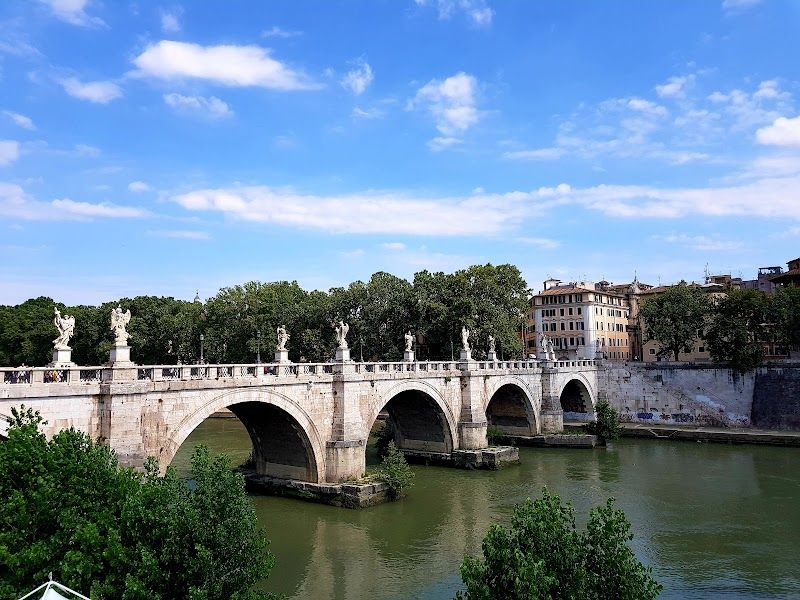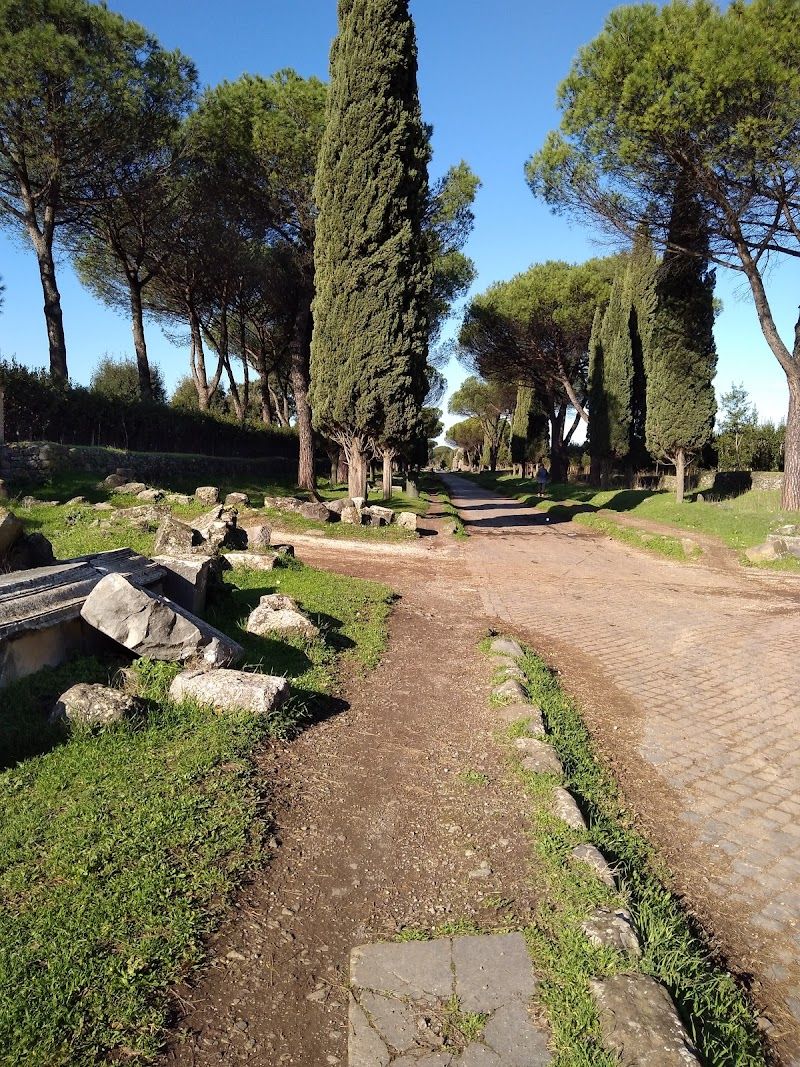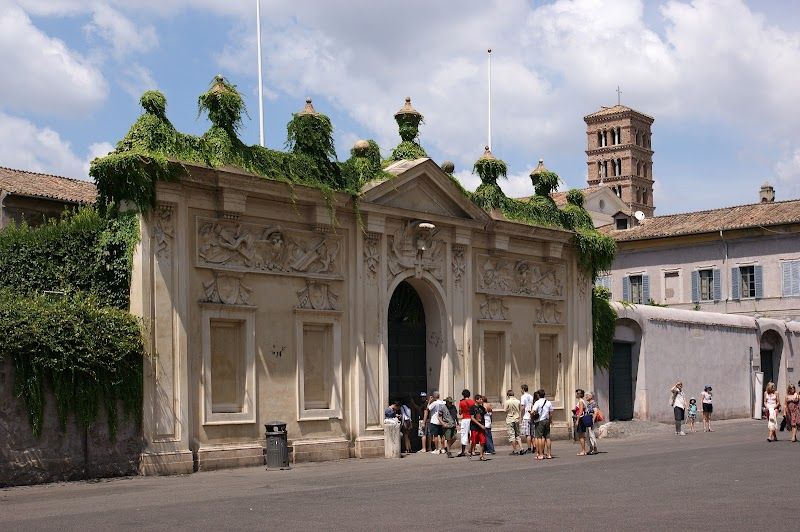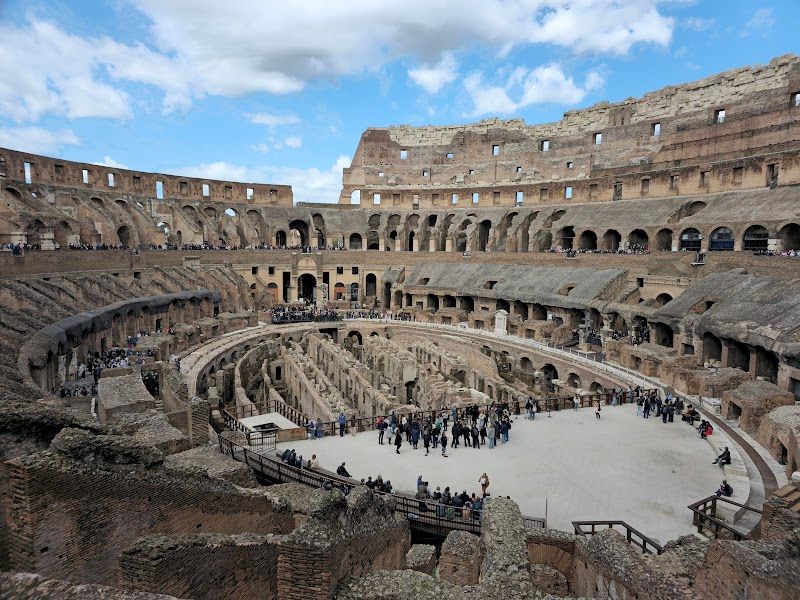
Rome travel packages in 2026 range from bargain-basement EUR 800 deals that dump you at the Colosseum with 40 other tourists to EUR 3,500 luxury experiences that get you into the Vatican Museums before they open to the public. The difference isn't just about money - it's about whether you'll spend your time in Rome or spend your time waiting in line behind people who are in Rome.
The package travel industry has figured out that Rome sells itself. Ancient history, great food, walkable city center - the marketing writes itself. But most Rome vacation packages treat the city like a museum with restaurants attached. They'll get you skip-the-line tickets to the big three (Colosseum, Vatican, Forum) and book you into hotels that could be anywhere. What they won't do is help you understand why Romans eat lunch at 1 PM sharp or where to find the €4 supplì that tastes better than most cities' signature dishes.
What's Actually Included in Rome Travel Packages
Rome trip packages fall into three categories, and the names don't mean what you think they mean. "Budget" packages usually cost EUR 800-1,200 per person for four days and include flights, basic accommodation, and maybe a hop-on-hop-off bus pass. "Mid-range" packages run EUR 1,500-2,500 and add guided tours, better hotels, and some meals. "Luxury" packages start at EUR 2,800 and promise exclusive access, private guides, and hotels where the concierge knows your name.
The problem with these categories is that they measure the wrong things. A EUR 2,500 package might get you a room at the Hassler above the Spanish Steps, but if your guided tour of Trastevere ends at 5 PM, you'll miss the neighborhood when it actually comes alive. A EUR 900 package might stick you in a hotel near Termini station, but if it includes three days of public transport passes (EUR 21 total value) and skip-the-line tickets to the Colosseum (EUR 18), you're already ahead of booking separately.
Package inclusions to actually care about:
- Airport transfers (taxi from Fiumicino costs EUR 48)
- Multi-day Roma Pass (72-hour pass costs EUR 52)
- Skip-the-line tickets to major sites
- At least one food-focused experience
- Accommodation in Centro Storico or walking distance to metro
Rome Holiday Packages: Breaking Down the Real Costs
The math on Rome vacation packages 2026 works like this: if you're traveling solo or as a couple for less than a week, packages rarely beat booking independently. If you're traveling with a group, staying longer than five days, or want guides who actually know Roman history beyond what's on Wikipedia, packages can save both money and sanity.
Budget Rome Packages (EUR 800-1,200)
Budget packages get you to Rome and give you a bed. They don't get you into Rome. Most budget Rome tour packages include:
- Round-trip flights from major European cities
- 3-4 nights in 2-star hotels or hostels
- Airport transfers
- Maybe a walking tour or hop-on-hop-off bus
The hotels are usually near Termini station, which puts you 20 minutes by metro from anything you came to Rome to see. You'll save EUR 200-400 compared to mid-range options, but you'll spend that much extra on taxis, restaurant meals (no breakfast included), and attraction tickets.
Budget package reality check: A hostel dorm bed costs EUR 25-45 per night. Budget hotel rooms run EUR 60-100. If your package includes four nights of accommodation for EUR 800, that's EUR 200 per night - either you're getting a better deal than booking direct, or the math doesn't add up.
Mid-Range Rome Packages (EUR 1,500-2,500)
Mid-range packages are where Rome trip packages start making sense. They typically include:
- Flights and airport transfers
- 4-6 nights in 3-4 star hotels in decent locations
- Daily breakfast
- 2-3 guided tours including Colosseum and Vatican
- Some meals and a food tour
The sweet spot is packages around EUR 1,800-2,200 that put you in Centro Storico or near a metro station. At this price point, you're looking at mid-range hotel rooms that normally cost EUR 120-220 per night, plus the value of guided tours that range from EUR 35-80 per person.
What to look for: Packages that include food experiences in Trastevere or Testaccio, not just tourist restaurants near the Pantheon. The difference is eating where Romans eat versus eating where Romans work.
Luxury Rome Packages (EUR 2,800+)
Luxury Rome vacation packages earn their price when they provide access you can't buy independently. Private after-hours tours of the Vatican Museums (normally EUR 20 with crowds), early morning access to the Colosseum (normally EUR 18 but you'll wait in line), or tables at restaurants that don't take reservations from tourists.
Luxury packages worth the premium include:
- Private guides with actual expertise (not just scripts)
- Exclusive access to sites or experiences
- Hotels in historic buildings in prime locations
- Airport transfers in luxury vehicles
- Concierge services that work with Roman contacts
The best luxury packages focus on one or two neighborhoods intensively rather than hitting every major site superficially. A package that gives you three days exploring Vatican & Prati with a guide who knows which papal apartments are actually worth seeing beats a package that marches you through 15 sites in five days.
Best Rome Tour Packages by Interest
Ancient Rome Focus Packages
Packages built around Rome's ancient sites should include the Colosseum, Roman Forum, and Palatine Hill as a single experience, not three separate tours. The standard ticket costs EUR 18 and covers all three sites for 24 hours. Good packages add the Domus Aurea (EUR 16) and day trips to Tivoli's Villa d'Este and Hadrian's Villa (EUR 10 each).
The best ancient Rome packages include time at the Roman National Museum locations - Palazzo Massimo (EUR 10) has frescoes that put the Sistine Chapel in perspective, and Palazzo Altemps (EUR 10) has sculptures that explain what all those broken statues in the Forum used to look like.
Skip packages that: rush you through the Forum in 90 minutes or don't include the Palatine Hill. The Forum makes no sense without understanding that emperors lived above it, and 90 minutes isn't enough time to understand why this pile of rocks controlled the Mediterranean.
Food and Culture Packages
Rome food packages should take you to multiple neighborhoods, not multiple restaurants in Centro Storico. The best food-focused packages include market visits in Testaccio, cooking classes in Trastevere, and wine tastings in Monti - neighborhoods where food culture is daily life, not tourist performance.
Look for packages that include:
- Eating Italy Food Tours or equivalent neighborhood-specific tours
- Visits to markets like Campo de' Fiori (morning) or Testaccio Market (lunch)
- Cooking classes that teach Roman specialties (cacio e pepe, carbonara, amatriciana)
- Wine tastings that focus on Lazio regional wines
Packages that take you to Forno Roscioli and Bonci Pizzarium understand that Rome's best food isn't always served at tables. Romans eat standing up, walking around, and at weird hours. Your package should too.
Art and Museums Packages
Art-focused Rome packages work when they solve the reservation problem. The Borghese Gallery requires advance booking and limits visits to two hours (EUR 15 plus EUR 2 booking fee). The Vatican Museums cost EUR 20 plus EUR 4 booking fee and involve crowds that make viewing art impossible without strategy.
Good art packages include:
- Early morning or late afternoon time slots at major museums
- Smaller museums like Galleria Doria Pamphilj that most tourists skip
- Context that connects different sites (Renaissance Rome, Baroque Rome, Ancient Rome)
- Transportation between distant sites
The Capitoline Museums (EUR 15) have the original Marcus Aurelius statue and views over the Forum that put everything in perspective. Packages that skip them in favor of more time at the Vatican don't understand that Rome's art story isn't just Christian.
When Rome Travel Packages Make Sense (And When They Don't)
Skip packages if:
- You're traveling for less than four days
- You want to eat most meals at neighborhood places Romans frequent
- You prefer discovering the city at your own pace
- You're comfortable navigating public transportation (ATAC day passes cost EUR 7)
- You don't mind waiting in lines or booking tickets individually
Rome rewards wandering. The city center is small enough to walk across in 30 minutes, and some of the best experiences - like stumbling into Sant'Eustachio Il Caffè for perfect espresso (EUR 1.10) - can't be scheduled. If your ideal trip involves following your nose and your appetite, packages add structure you don't want.
Choose packages if:
- You're traveling with a group of 4+ people
- You want skip-the-line access to major sites without research
- You prefer guided context for historical sites
- You're staying longer than five days and want variety in activities
- You want restaurant reservations made for you
Packages work best for Rome when they handle logistics while leaving room for spontaneity. The sweet spot is packages that schedule your mornings (when major sites are less crowded) and leave afternoons and evenings unstructured (when Romans actually eat and socialize).
Booking Rome Vacation Packages: What to Look For
Location Matters More Than Star Ratings
Hotel star ratings in Rome often reflect amenities (gym, concierge, room service) rather than location or character. A 3-star hotel in Centro Storico puts you walking distance from the Pantheon (EUR 5 entry), Trevi Fountain (free), and dozens of restaurants. A 4-star hotel near Termini requires metro rides (EUR 1.50 per trip) to reach the same sites.
Packages that put you in Monti, Centro Storico, or Trastevere understand that Rome is about being in the city, not just visiting it. You'll pay EUR 30-50 more per night for central locations, but you'll save that much in transportation and gain hours each day.
Group Size and Guide Quality
Most Rome tour packages use guides who speak multiple languages and lead groups of 15-25 people. These tours hit the major points but skip the stories that make Roman history comprehensible. Better packages limit group sizes to 8-12 people and use guides who specialize in specific periods or neighborhoods.
The best Rome packages include at least one private or semi-private experience. A private tour of the Vatican Museums costs EUR 300-500 for up to six people - expensive per person for couples, reasonable for families, and worth it for anyone who wants to actually see Michelangelo's ceiling rather than the backs of other tourists' heads.
Meal Inclusions vs. Food Freedom
Rome vacation packages typically include breakfast and 2-3 dinners. This sounds convenient until you realize that Romans eat dinner at 9 PM, package dinners usually start at 7 PM, and the restaurants that cater to package tours aren't where locals eat.
Better packages include:
- Breakfast at your hotel (EUR 8-15 value)
- One group dinner at a family-run trattoria
- Food tours that double as meals
- Market visits with tastings
- Cooking classes that end with eating what you made
Skip packages that include lunch every day. Roman lunch culture happens between 1-3 PM, and the best meals are found by wandering into places that look busy with locals. A mid-range lunch at a neighborhood trattoria costs EUR 12-18 - not expensive enough to need packaging.
Alternative Approaches to Rome Trip Packages
Hybrid Approach: Book Essentials, Wing the Rest
The smartest approach to Rome travel packages 2026 might be booking individual components rather than complete packages. Book flights and accommodation independently, then add:
- Roma Pass (EUR 52 for 72 hours) for transportation and museum entries
- One guided tour for historical context
- One food tour for neighborhood insights
- Skip-the-line tickets for Borghese Gallery and Vatican Museums
This approach costs EUR 200-300 more than budget packages but EUR 500-800 less than luxury packages, while giving you more flexibility than either.
Neighborhood-Specific Packages
Some operators offer packages focused on specific Roman neighborhoods rather than greatest-hits tours. A Trastevere package might include accommodation in the neighborhood, food tours, cooking classes, and evening walks - giving you depth instead of breadth.
These specialized packages work well for return visitors or travelers who prefer understanding one area thoroughly rather than checking boxes across the entire city. They typically cost EUR 1,200-2,000 for 4-5 days and include experiences you'd struggle to book independently.
Family Rome Packages
Rome with kids requires different logistics than adult-focused travel. Family packages should include:
- Hotels with family rooms or connecting rooms
- Activities that engage children (gladiator experiences, pizza-making classes)
- Shorter walking distances between sites
- Flexible timing that accommodates nap schedules
- Restaurant reservations at places with high chairs and patience
Family Rome packages typically cost EUR 1,500-2,500 for a family of four for 4-5 days. The value comes from solving the logistics of traveling with children in a city built for adult attention spans.
Making Rome Travel Packages Work for You
The best Rome vacation packages recognize that the city has two speeds: ancient (which requires guides and context) and contemporary (which requires freedom and flexibility). Good packages give you both. They get you into the Colosseum with skip-the-line access and historical context, then turn you loose in Trastevere to find dinner on your own.
Rome travel packages 2026 work when they enhance rather than constrain your experience of the city. They should solve the problems that frustrate independent travelers - long lines, sold-out restaurants, confusing public transport - without creating new problems like rigid schedules and tourist-trap restaurants. The city rewards both planning and spontaneity. The best packages give you tools for both.
Choose packages that understand Rome's rhythm: productive mornings at major sites, leisurely afternoons wandering neighborhoods, and dinners that start late and end later. Avoid packages that try to fit Roman experiences into non-Roman schedules. The city has been here for 2,700 years. It's not changing its pace for your itinerary.