The restaurants on La Rambla serve paella at 3 PM and charge EUR 25 for what locals get for EUR 12. Real Barcelona food recommendations start with understanding that locals eat lunch at 2 PM and dinner at 9 PM, and they've never set foot in most places with English menus posted outside.
This guide takes you to the places Barcelona residents actually frequent - from the morning coffee spot in El Born where regulars read newspapers in Catalan to the late-night tapas bar in Poble Sec where the bartender knows your order after two visits.
Breakfast Like a Barcelona Local
Barcelona locals don't do elaborate breakfasts. They stand at a bar counter, drink cortado (EUR 1.5-3.5), eat a croissant (EUR 1.5-3), and read the newspaper. The ritual takes exactly 15 minutes.
Granja M. Viader in the Gothic Quarter has served the same breakfast since 1870. Order the suizo (hot chocolate with whipped cream) and melindros (delicate cookies). The marble tables and glass cases haven't changed in decades because they don't need to. Carrer de Xuclà, 6. Open 8 AM-1:30 PM, closed Sundays.
Satan's Coffee Corner in the Gothic Quarter roasts their own beans and serves proper espresso to locals who work in the neighborhood offices. No laptop policy keeps it focused on actual coffee drinking. Arc de Sant Ramon del Call, 11. Open Monday-Friday 7:30 AM-7 PM, weekends 9 AM-7 PM.
In Gracia, Syra Coffee attracts neighborhood regulars with beans roasted weekly and cortados that cost EUR 2.20. The owner, Marc, worked in specialty coffee in Australia before bringing proper extraction techniques back to Barcelona. Carrer de Sant Pere Màrtir, 5. Open Tuesday-Friday 8 AM-4 PM, weekends 9 AM-5 PM.
The Real Barcelona Lunch Scene
Menu del dia (EUR 12-18) defines Barcelona lunch culture. Every neighborhood restaurant serves this three-course lunch with wine from 1-4 PM. Locals judge restaurants by their menu del dia quality because it represents their actual cooking skills, not tourist presentations.
Gothic Quarter Hidden Lunch Spots
Los Caracoles gets all the guidebook mentions, but locals eat at Restaurant Agut, which has served Catalan cuisine since 1924. Their canelones and bacalao al pil pil come from recipes unchanged for three generations. Menu del dia EUR 16, dinner mains EUR 18-24. Carrer de Gignàs, 16. Closed Sunday evenings and Mondays.
Cafe de l'Academia fills with neighborhood office workers who know to arrive by 1:30 PM for the best selection. The parrillada de verduras and lubina a la plancha represent market-driven Catalan cooking without tourist markup. Menu del dia EUR 15. Carrer dels Lledó, 1. Reservations essential for dinner.
Poble Sec: The Neighborhood Food Insiders Know
Poble Sec has Barcelona's highest concentration of quality restaurants per square meter. Locals call it "the best eating neighborhood" and they're right.
Xemei serves arroz meloso con bogavante (creamy rice with lobster) that makes locals argue it's better than beachfront restaurants charging double. The dining room fits 30 people maximum, and half are neighborhood regulars. Dinner mains EUR 22-28. Passeig de l'Exposició, 85. Closed Sundays.
Taverna Can Margarit looks like nothing special - formica tables, fluorescent lights, wine from the barrel. Their butifarra amb mongetes (sausage with white beans) is what Catalans eat at home, prepared by a chef who worked at Michelin restaurants before opening this deliberately unpretentious place. Menu del dia EUR 14. Carrer de la Concordia, 21. Cash only.
El Born Authentic Tapas Culture
El Born has tourist tapas bars and local ones. The difference is obvious once you know what to look for.
Bar del Pla serves pan con tomate that locals consider the neighborhood standard. The tomato comes from specific suppliers, the bread from a baker two streets away. Their anchoas del Cantábrico cost EUR 8 but represent actual quality, not tourist portions. Carrer de Montcada, 2. Open daily 6 PM-1 AM.
Cal Pep requires standing at the bar, speaking to Pep himself, and accepting whatever he recommends. Locals line up because his percebes (gooseneck barnacles) and gambas de Palamós come from the best suppliers in Catalonia. Expect EUR 40-50 per person. Plaça de les Olles, 8. Closed Sunday evenings and Mondays.
Neighborhood Secrets for Authentic Barcelona Food
Gracia: Village Food Culture
Gracia maintains small-town restaurant culture despite being inside Barcelona. Locals eat at places their grandparents frequented.
La Pepita serves bravas with sauce made from a recipe the owner's grandmother created in 1952. The calamares a la plancha costs EUR 9 and feeds two people easily. Locals bring dates here because the atmosphere feels intimate without trying too hard. Carrer de Còrsega, 343. Closed Monday lunch.
Con Gracia attracts neighborhood families with cannelloni recipes from traditional Catalan home cooking. Their crema catalana gets made fresh daily, and locals order it even when they're full. Menu del dia EUR 16, weekend brunch until 4 PM. Carrer de Martinez de la Rosa, 8.
Barceloneta: Beyond the Tourist Fish Restaurants
Barceloneta tourist restaurants serve "paella" with chorizo and charge beachfront prices. Locals eat at places their fishing families have used for generations.
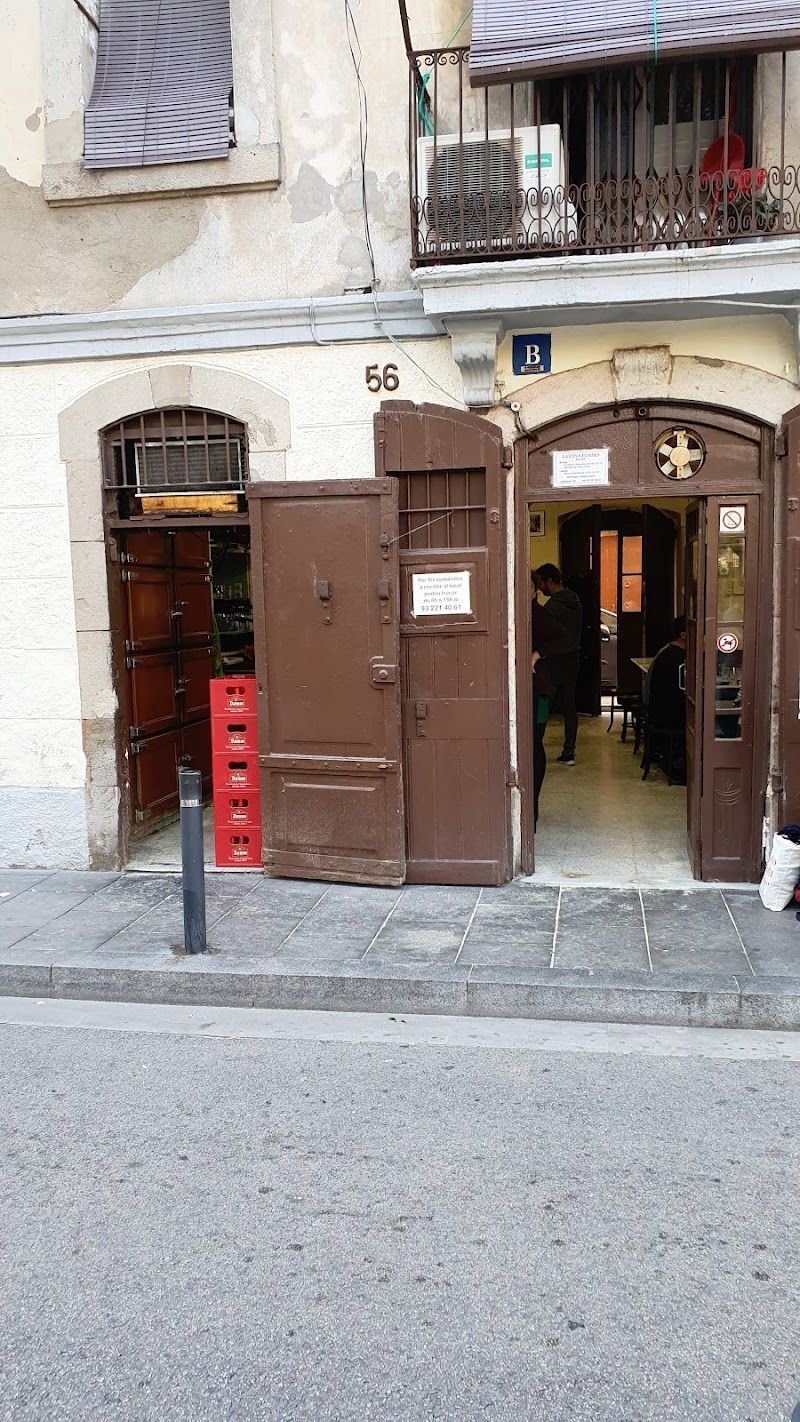
La Cova Fumada invented the bomba (potato ball with spicy sauce) in 1963. Four generations of the same family run this 20-seat bar where locals order sardinas a la plancha and pulpo gallego. No reservations, cash only, closes when they run out of fish. Carrer del Baluard, 56. Open Monday-Wednesday 9 AM-3:30 PM, Thursday-Saturday until 8:30 PM.
Can Maño serves fideuá (noodle paella) to locals who know to arrive by 1 PM or 8:30 PM. The tiny kitchen produces authentic seafood dishes using recipes from when this was a genuine fishing neighborhood. Mains EUR 15-22. Carrer del Baluard, 12. Closed Sunday dinner and Mondays.
Poblenou: The Art District's Food Evolution
Poblenou mixes old Barcelona bars with new restaurants serving locals who work in design studios and tech companies.
Can Recasens hasn't changed since 1963 - same family, same recipes, same regulars drinking vermouth at 11 AM. Their fricandó amb bolets represents traditional Catalan stewing techniques. Menu del dia EUR 13. Rambla del Poblenou, 102. Closed Sundays.
Els Pescadors serves seafood to locals who remember when Poblenou had actual fishermen. Their suquet de peix (fish stew) uses recipes from fishing families, prepared with daily market ingredients. Dinner mains EUR 24-35. Plaça de Prim, 1. Reservations essential weekends.
Market Culture: Where Locals Actually Shop and Eat
Barcelona's market culture extends beyond La Boqueria (which locals avoid due to tourist crowds). Neighborhood markets reveal authentic Barcelona food recommendations through daily shopping habits.
Santa Caterina Market
This Enric Miralles-designed market in El Born serves locals from surrounding apartments. Bar Joan inside the market serves bocadillos to construction workers and office employees. Their tortilla española gets made fresh every hour. Bocadillos EUR 4-7. Avinguda de Francesc Cambó, 16. Closed Sundays.
Cuines Santa Caterina offers cooking classes where locals learn traditional Catalan techniques. Their morning market tours (EUR 35) include tastings at vendors who supply neighborhood restaurants. Tours start 10 AM Tuesday-Saturday.
Mercat de Sant Antoni
This renovated 1882 market attracts locals from Eixample and Poble Sec. La Barra del Mercat serves vermut and tapas using ingredients from market vendors. Locals stop here after Saturday shopping. Tapas EUR 3-6, vermouth EUR 3.5. Carrer del Comte Borrell, 112.
Mercat de la Concepció
Eixample residents shop here daily because it maintains neighborhood character despite central location. Tapas 24 creator Carles Abellan sources ingredients here for his restaurants. The flower stalls outside create Barcelona's most beautiful market entrance. Carrer de València, 311.
Evening Food Culture: How Locals Navigate Barcelona Nights
Barcelona evening eating happens in three phases: aperitivo (7-8 PM), cena ligera (9-10 PM), and late tapas (11 PM-1 AM). Tourists eat dinner at 8 PM while restaurants are still preparing for local dinner service.
Aperitivo Culture in Eixample
Eixample bars serve vermouth and olives to locals finishing work. This ritual bridges afternoon and evening, preparing for late Spanish dinner timing.
Bar Mut attracts publishing and design professionals with gin tonics made using local Gin Mare and conservas (preserved seafood) from Galicia. Their anchoas de l'Escala cost EUR 12 but represent genuine Catalan coastal products. Carrer de Pau Claris, 192. Open daily 7 PM-2:30 AM.
Monvínic focuses on Spanish wines with tapas designed to complement specific bottles. Locals trust sommelier recommendations because the wine selection represents smaller Spanish producers rarely exported. Wine tastings EUR 15-25, food pairings EUR 35-45. Carrer de la Diputació, 249. Closed Sundays.
Late Night Tapas: The Real Barcelona Experience
Barcelona's authentic tapas culture happens after 10 PM when locals finish dinner and migrate to bars for copas and small plates.
Quimet & Quimet in Poble Sec serves montaditos (elaborate canapés) in a space barely fitting 15 people standing. Fourth-generation owner Quim creates combinations like foie gras with fig jam or smoked salmon with quail egg. Montaditos EUR 3-8. Carrer del Poeta Cabanyes, 25. Closed Sunday evenings and Mondays.
Bar Cañete near the port serves late tapas to restaurant industry workers finishing shifts. Their jamón ibérico and tortilla maintain quality until 1 AM because locals demand consistency regardless of hour. Tapas EUR 4-12. Carrer de la Unió, 17. Open Tuesday-Saturday until 1:30 AM.
Seasonal Barcelona Food Recommendations
Local eating patterns follow seasonal ingredients and cultural traditions tourists rarely encounter.
Spring: Calçots and Market Abundance
March-April brings calçots (grilled spring onions) season. Locals drive to farmhouses for calçotades but city restaurants serve them with romesco sauce. Can Culleretes, Barcelona's oldest restaurant (1786), serves traditional calçots amb romesco when available. Carrer d'en Quintana, 5.
Summer: Neighborhood Festival Food
Each neighborhood celebrates festes majors with temporary food stalls serving botifarra (Catalan sausage) and pan con tomate. Gracia's August festival offers authentic festival food without tourist markup.
Fall: Mushroom Season
October-November brings rovellons (wild mushrooms) to neighborhood restaurants. Restaurant Windsor in Eixample serves risotto de rovellons using mushrooms from Catalan forests. Dinner mains EUR 28-38. Carrer de Còrsega, 286.
Winter: Hearty Stews and Comfort Food
Escudella i carn d'olla (Catalan pot-au-feu) appears on winter menus. Can Culleretes serves this traditional stew exactly as Catalans have eaten it for centuries.
Barcelona Food Recommendations by Budget
Budget Eating (Under EUR 15)
Menu del dia represents Barcelona's best food value. Every neighborhood has restaurants serving three-course lunches with wine for EUR 12-18. Quality depends on location - avoid tourist areas, focus on residential neighborhoods.
Tapas portions at traditional bars cost EUR 3-8. Pan con tomate (EUR 3-5), patatas bravas (EUR 4-6), croquetas (EUR 6-8) provide authentic tastes without tourist pricing.
Mid-Range Dining (EUR 20-40)
Neighborhood restaurants in Gracia, Poble Sec, and Poblenou serve dinner mains EUR 20-35 with wine. These places cook for locals who eat there weekly, maintaining quality and fair pricing.
Special Occasion (EUR 50+)
Disfrutar, Moments, and ABaC represent Barcelona's Michelin dining scene, but locals celebrate at neighborhood restaurants with excellent wine lists and creative Catalan cooking at half the price.
Practical Tips for Eating Like Barcelona Locals
Restaurant timing matters more than reservations. Lunch service runs 1-4 PM, dinner 8:30 PM-midnight. Arrive within these windows or face closed kitchens.
Cash works better than cards at traditional bars and markets. Many family-run places don't accept credit cards, especially for small purchases.
Service differs from tourist expectations. Barcelona servers don't check on tables frequently because locals prefer uninterrupted conversations. Signal when ready to order or pay.
Tipping isn't mandatory but locals round up bills or leave 5-10% at restaurants they frequent. Bar service doesn't expect tips for drinks and tapas.
Spanish and Catalan menus indicate local clientele. English menus usually signal tourist pricing and simplified cooking. Learn basic food vocabulary or ask servers for recommendations.
These barcelona food recommendations reflect actual local eating habits, not tourist interpretations of Spanish cuisine. The difference becomes obvious once you experience neighborhood restaurants where regulars greet servers by name and seasonal menus change based on market availability rather than tourist expectations.