Most Barcelona travel card guides tell you to buy the tourist cards. Here's what they don't tell you: the locals use something completely different, and it's usually cheaper. The T-casual 10-trip card at EUR 13 beats every tourist pass for stays under a week, and the math isn't even close.
Barcelona's transport system covers metro, buses, trams, and regional trains across multiple zones. The city center sits in Zone 1, which is where you'll spend 90% of your time. The airport requires Zone 2 coverage, which changes the equation entirely. Understanding this zone system is the difference between spending EUR 13 or EUR 51 on transport for three days.
The Barcelona Travel Card Landscape: What You're Actually Choosing Between
Barcelona offers four main transport passes. The T-casual is what locals buy - it's not marketed to tourists but gives you 10 trips for EUR 13 in Zone 1. The Hola Barcelona Travel Card comes in 48-hour (EUR 17.50), 72-hour (EUR 25.50), 96-hour (EUR 32.50), and 120-hour (EUR 38.50) versions. These include airport transport but cost more per day.
Single tickets cost EUR 2.55 per journey, making the T-casual worthwhile after just 5 trips. Most tourists take 6-8 metro journeys daily when exploring neighborhoods like the Gothic Quarter and El Born, so single tickets become expensive fast.
The T-dia gives unlimited daily travel for EUR 10.50 but only covers Zone 1. Airport trips require Zone 2 coverage, which means buying supplements. This creates confusion that tourist cards avoid by including airport transport upfront.
Zone 1 vs Zone 2: The Airport Factor
Barcelona's Zone 1 covers all neighborhoods where tourists actually go. From Barceloneta beach to Park Güell, from Sagrada Familia to the Gothic Quarter - it's all Zone 1. The only time you need Zone 2 is getting to/from the airport on metro Line 9.
This matters because a T-casual Zone 1 card costs EUR 13 for 10 trips, while the Zone 2 version costs EUR 25.50. Tourist cards include airport transport, but if you're taking a taxi or Aerobus anyway, paying double for Zone 2 coverage you won't use makes no sense.
Barcelona Travel Card Price Breakdown: The Real Math
| Card Type | Price | Duration | Trips Included | Airport Transport | Cost Per Day |
|---|---|---|---|---|---|
| T-casual (Zone 1) | EUR 13 | 10 trips | 10 single journeys | No | Varies by usage |
| T-casual (Zone 2) | EUR 25.50 | 10 trips | 10 single journeys | Yes | Varies by usage |
| Hola 48h | EUR 17.50 | 48 hours | Unlimited | Yes | EUR 8.75 |
| Hola 72h | EUR 25.50 | 72 hours | Unlimited | Yes | EUR 8.50 |
| Hola 96h | EUR 32.50 | 96 hours | Unlimited | Yes | EUR 8.13 |
| Hola 120h | EUR 38.50 | 120 hours | Unlimited | Yes | EUR 7.70 |
| Single ticket | EUR 2.55 | 1 journey | 1 trip | No (supplement required) | N/A |
The break-even point is clear: if you're taking more than 7 metro/bus trips per day, the Hola cards win. If you're taking fewer than 7, the T-casual saves money. Most tourists fall into the 4-6 trips per day range, making the T-casual the better choice.
Real Usage Scenarios: Barcelona Travel Card for 3 Days
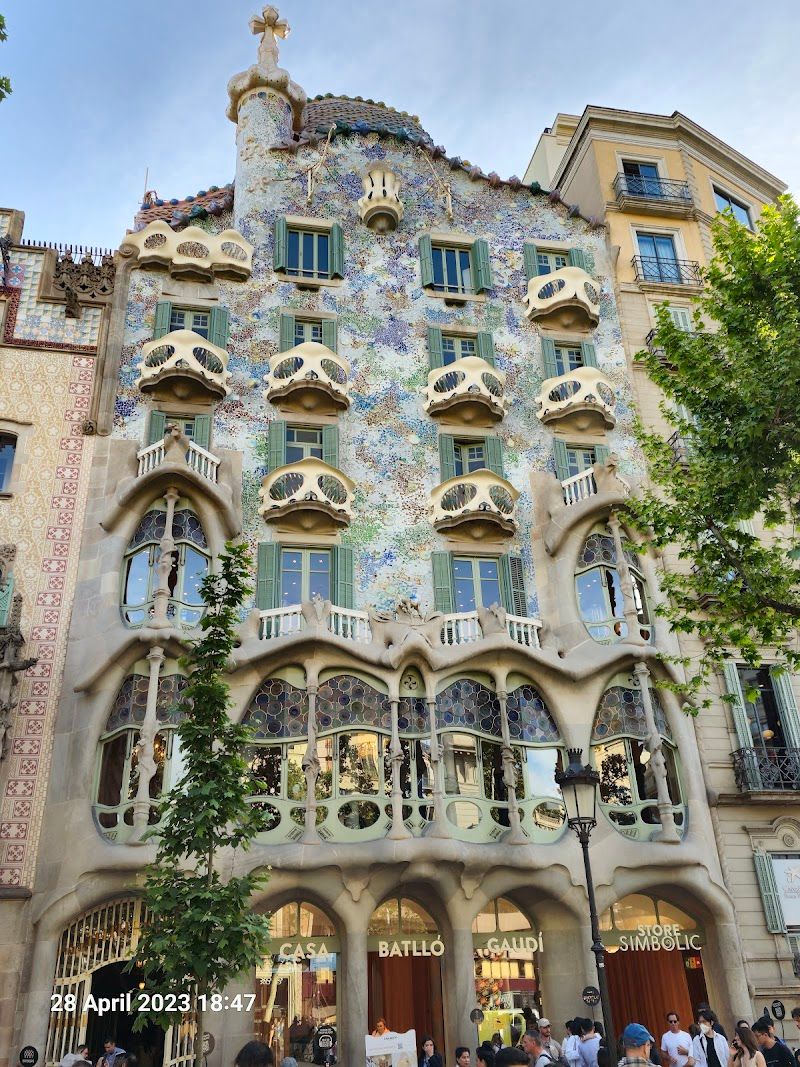
For a typical 3-day Barcelona visit, you'll likely take 15-18 total transport trips. That's metro from your hotel to Sagrada Familia, then to lunch in El Born, then to Casa Batlló, then back to your hotel. Four trips in a morning, repeated across three days.
Option 1: Two T-casual Zone 1 cards = EUR 26 for 20 trips, plus EUR 5.50 for airport metro or EUR 7.75 for Aerobus. Total: EUR 31.50-33.75
Option 2: Hola Barcelona 72h = EUR 25.50 including airport transport. Total: EUR 25.50
The Hola card wins for 3-day stays, but barely. If you're planning to walk more and take fewer metro trips, the T-casual becomes cheaper again. Barcelona is extremely walkable - you can walk from the Gothic Quarter to Barceloneta in 20 minutes.
Barcelona Metro Pass vs Tourist Cards: When Locals Are Right
The T-casual isn't technically a "metro pass" - it works on metro, buses, trams, and FGC trains within your zone. Locals prefer it because it's transferable between people and doesn't expire if unused. Buy one T-casual card and share it with your travel partner, as long as you're not traveling together simultaneously.
Tourist cards are personal and expire after their time limit regardless of usage. If you buy a 72-hour Hola card but only use transport for 36 hours of your stay, you've overpaid. The T-casual trips never expire, making it shorter visits or less transport-heavy itineraries.
The Airport Transport Decision Changes Everything
Airport transport costs shift the entire calculation. Metro Line 9 to/from the airport costs EUR 5.50 with the required supplement. Aerobus costs EUR 7.75 for a single trip (EUR 13.65 return). A taxi runs EUR 39-47 depending on which terminal.
If you're planning to take taxis anyway, don't pay extra for airport-inclusive travel cards. Two T-casual Zone 1 cards (EUR 26 total) plus taxis might cost less than Hola cards plus the convenience is worth it when you're carrying luggage.
For budget travelers, the airport metro is cheapest but takes 35-45 minutes and requires a change at Zona Universitària. The Aerobus takes 35 minutes direct to Plaça de Catalunya and runs every 5-10 minutes. Factor this into your decision.
Barcelona Tourist Card Analysis: Beyond Transport
Some Barcelona tourist cards bundle transport with attraction discounts. The Barcelona Card includes transport plus museum entries, but the math rarely works unless you're visiting 4-5 paid attractions daily. Most worthwhile Barcelona experiences are free or cheap: walking the Gothic Quarter, browsing La Boqueria market, drinking vermouth in El Born.
The ArticketBCN gives entry to six major museums for EUR 35, but doesn't include transport. Compare this to individual tickets: Picasso Museum (EUR 12), MNAC (EUR 12), Fundació Miró (EUR 15). You need to visit at least three museums to break even, and most tourists visit one or two.
For families following our Barcelona with Kids guide, transport costs multiply quickly. Children under 4 travel free, but kids 4-12 need their own T-casual cards. Family-specific tourist cards exist but the savings are minimal compared to multiple T-casual cards.
Practical Barcelona Transport Pass Buying Guide
Buy T-casual cards at any metro station using the red machines. They accept cards and cash, with instructions in multiple languages. Airport machines sell all card types, making it easy to decide on arrival. Don't buy from unofficial vendors - stick to metro stations, tobacco shops (estancos), or authorized retailers.
Validate your T-casual every time you board metro, bus, or tram. One validation = one trip used. The card shows remaining trips on the validation screen. For buses, validate when boarding. For metro, validate at the turnstiles.
Hola Barcelona cards activate on first use and run for consecutive hours from that moment. If you validate at 2pm on Monday, your 72-hour card expires at 2pm on Thursday. Plan your first journey accordingly - don't validate late in the day if you won't use transport again until morning.
Where to Buy and What to Avoid
Official sales points include metro stations, FGC stations, some bus stops, tobacco shops displaying TMB stickers, and tourist information centers. Avoid buying from street vendors or unofficial tourist shops - cards may be expired or counterfeit.
The TMB app lets you buy digital versions of some cards, but physical cards remain more reliable. You can't buy T-casual digitally, only through machines or authorized retailers. Keep your card until the end of your trip - inspectors check regularly and fines start at EUR 100.
Making the Right Choice: Barcelona Travel Card Recommendations
For 1-2 day visits: Buy T-casual Zone 1 cards. Take Aerobus or taxi from airport. You won't use enough transport to justify tourist cards.
For 3-4 day visits: Hola Barcelona 72h or 96h cards win if you're taking metro 5+ times daily. If you prefer walking and will take fewer trips, stick with T-casual.
For 5+ day visits: Multiple T-casual Zone 1 cards are almost always cheaper. Tourist cards become expensive per day for longer stays.
For airport-heavy itineraries: If you're visiting Montserrat or other regional destinations requiring Zone 2+ transport, Hola cards or T-casual Zone 2 cards make sense.
The honest answer is that most tourists overthink transport passes. Barcelona is compact and walkable. You can follow our 3-day Barcelona itinerary with minimal metro use if you choose central accommodation and enjoy walking between neighborhoods.
Special Considerations for Different Travel Styles
Budget backpackers staying in Gràcia or Poble Sec hostels will take more transport to reach tourist areas. Factor 6-8 daily trips into your calculation. Mid-range travelers staying in Eixample can walk to most attractions and need fewer transport trips.
Business travelers often prefer taxis for time efficiency, making transport cards unnecessary. Families with young children might prefer metro over walking long distances, justifying tourist cards with unlimited use.
The Barcelona transport system is excellent - metro trains run every 2-5 minutes during peak hours, and the network connects all major neighborhoods. Whether you choose T-casual or Hola cards, you'll have reliable transport throughout the city.
Bottom line: Most tourists should buy T-casual Zone 1 cards and take Aerobus from the airport. You'll save money compared to tourist cards and have more flexibility. Only choose Hola cards if you're certain you'll take metro/bus more than 7 times per day, which is more than most visitors actually do when they track their usage honestly.