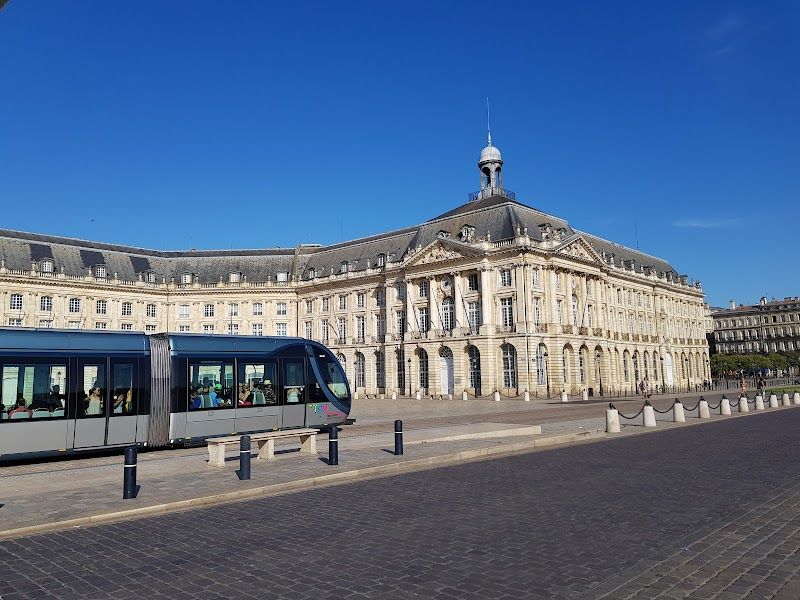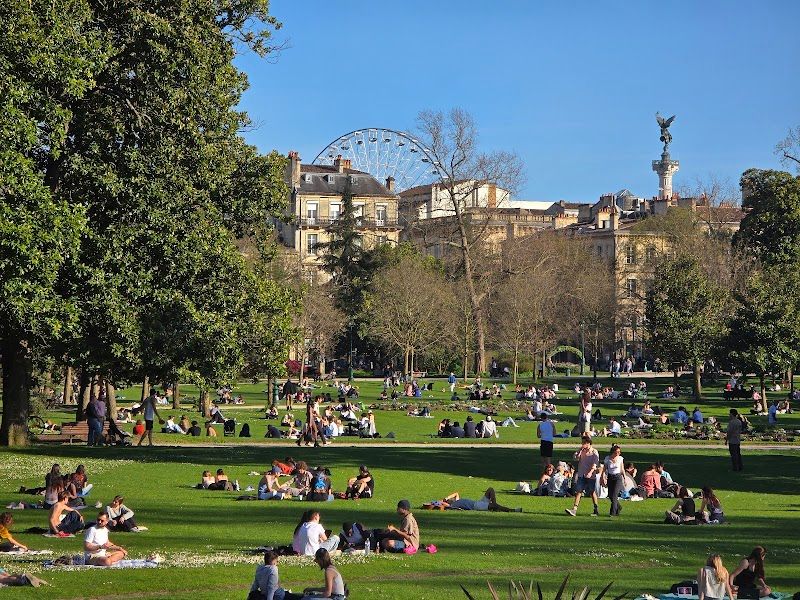
Most travelers visit Bordeaux in summer, fighting crowds at the Place de la Bourse and paying premium prices for everything. They're making a mistake. Bordeaux in January offers the city at its most authentic: wine bars with space to breathe, châteaux with time for proper tastings, and hotel rates that won't drain your travel budget. The weather stays mild enough for comfortable sightseeing, and you'll experience Bordeaux as locals do - focused on wine, food, and the slower pace that makes this city special.
January brings Bordeaux's real wine season. While tourists chase the harvest in September, serious wine lovers know January is when the previous year's wines start showing their character. The Bar à Vin du CIVB on Cours du 30 Juillet becomes your personal tasting room rather than a crowded tourist stop. You can work through Bordeaux's appellation map at your own pace, glass by glass, without jostling for space at the bar.
Bordeaux January Temperature and What to Expect
Bordeaux winter weather is surprisingly mild for northern France. January temperatures typically range from 3°C to 10°C (37°F to 50°F), with occasional spikes to 15°C on sunny days. Rain comes in short bursts rather than all-day downpours, usually clearing within a few hours. Pack layers: a waterproof jacket, warm sweater, and comfortable walking shoes with good grip for wet cobblestones.
The real advantage of Bordeaux's January temperature is that it's wine tasting. Your palate stays sharp in cool weather, unlike the heat-dulled senses of summer visits. Inside the limestone caves of Saint-Emilion or the climate-controlled cellars of Médoc châteaux, the consistent 12°C temperature feels comfortable rather than shockingly cold.
What January Weather Means for Sightseeing
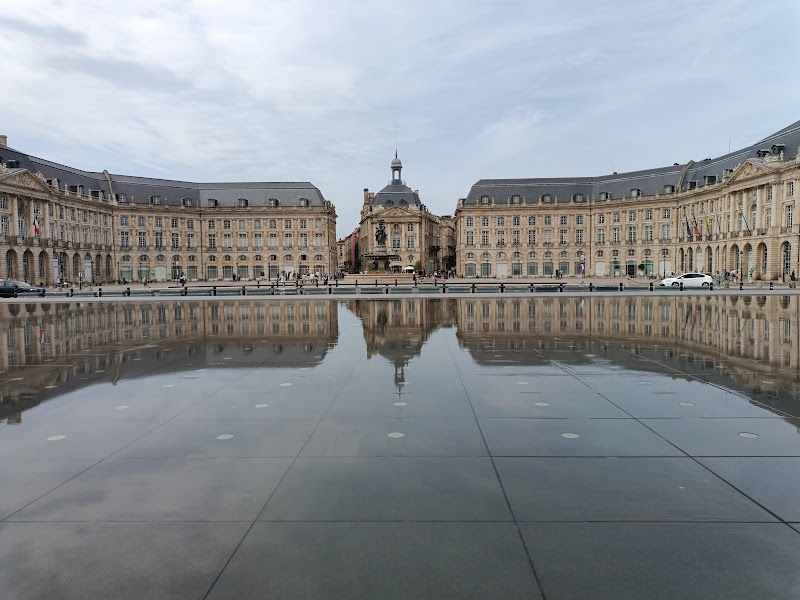
The shorter daylight hours (sunrise around 8:30 AM, sunset by 5:30 PM) actually work in your favor. Bordeaux's UNESCO-listed architecture looks better in winter's softer light, and the Miroir d'Eau creates more dramatic reflections without the harsh summer glare. The mist cycle still operates every 23 minutes, but you'll have the world's largest reflecting pool mostly to yourself for photos.
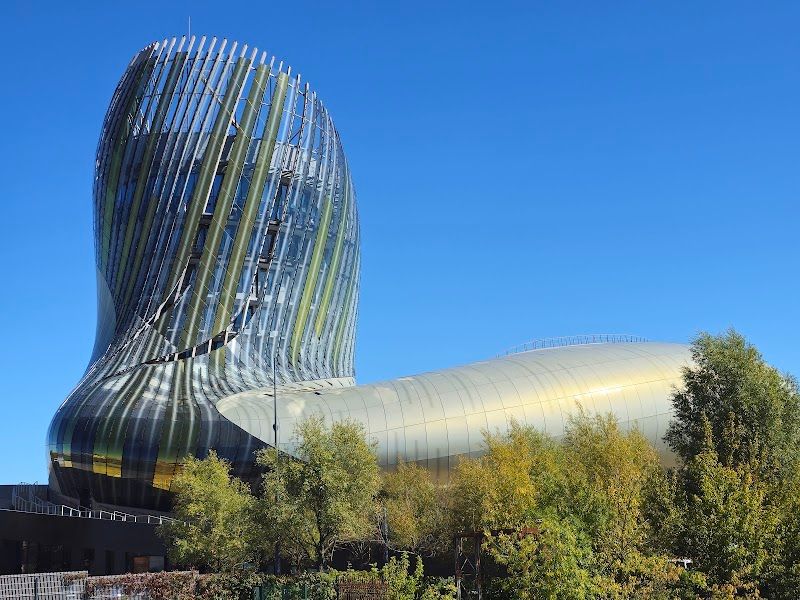
Museums become genuine refuges rather than tourist obligations. La Cité du Vin feels more contemplative in January, when you can spend proper time with each exhibit instead of rushing through crowds. The panoramic tasting bar on the 8th floor offers the same views of the Garonne, but with space to actually appreciate them.
Why January is Bordeaux's Best Wine Season
Forget everything you've heard about visiting Bordeaux during harvest. January is when the wine industry comes alive again after the holiday break. Winemakers have time to talk, cellars are accessible, and the previous vintage is ready for serious evaluation. This is when Bordeaux shows its professional face rather than its tourist mask.
The Médoc wine route operates year-round, but January visits feel like private consultations. Château visits include proper cellar tours and extended tastings, not the rushed affairs of peak season. Many estates offer their older vintages for tasting in January, wines that are locked away during busy summer months.
Wine Bar Culture in Winter
Bordeaux's wine bars hit their stride in January. The Chartrons neighborhood becomes a wine lover's playground, with bars like Wine More Time and La Vinotheque offering serious tastings rather than quick glasses for passing tourists. Locals return from holiday breaks ready to explore new vintages, and wine bar owners have time for proper recommendations.
Prices drop significantly. A glass of quality Bordeaux wine that costs EUR 8-12 in summer often drops to EUR 4-6 in January. Restaurant wine lists become more adventurous, featuring expensive bottles at reasonable prices to attract local clientele during the slow season.
Bordeaux January Events and Cultural Activities
January brings Bordeaux's cultural calendar to life. The city's theaters, galleries, and music venues schedule their most ambitious programming for locals rather than tourists. CAPC Musée d'art contemporain in the Chartrons often opens major exhibitions in January, taking advantage of smaller crowds and more focused attention.
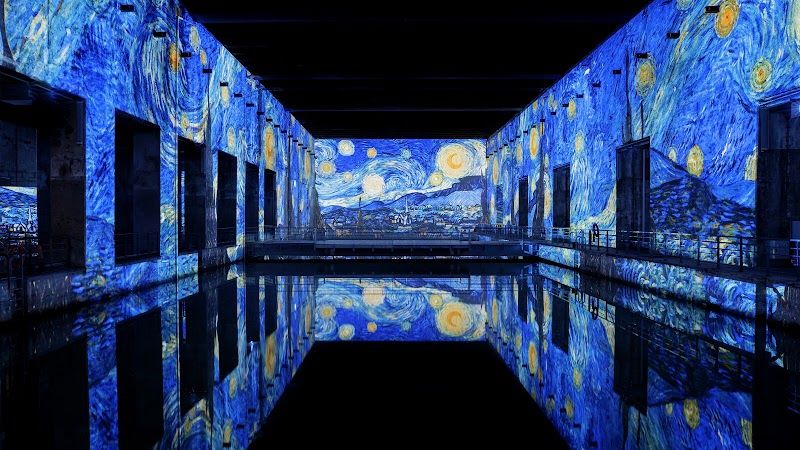
The Bassin des Lumières in the former submarine base becomes genuinely immersive in winter. The digital art projections feel more impactful in a half-empty space, and you can experience the full cycle of exhibitions without fighting for viewing positions.
Food Markets and Winter Specialties
Bordeaux's markets adapt brilliantly to winter. The Marché des Capucins focuses on seasonal specialties: winter vegetables, preserved foods, and hearty soups cool weather. Market vendors have time to explain their products and offer tastings, something impossible during summer's tourist rush.
January is truffle season in southwestern France. Bordeaux's restaurants feature fresh truffle menus, and the Marché des Chartrons often has truffle vendors on weekends. Prices remain high (EUR 800-1200 per kilo), but restaurants offer truffle tastings and smaller portions that make this luxury accessible.
Getting Around Bordeaux in Winter
Bordeaux's tram system operates normally in January, and the reduced tourist load means reliable schedules and available seats. A single TBM ticket costs EUR 1.7, valid for one hour with transfers across the network. The weekly pass at EUR 17.5 makes sense if you're staying longer than four days and planning extensive exploration.
Walking remains the best way to experience Vieux Bordeaux & Saint-Pierre, but wet cobblestones require attention. The limestone facades of the UNESCO district look particularly beautiful in winter light, and you can photograph empty streets and squares impossible to capture in summer.
Transportation to Wine Regions
January is ideal for wine region visits because roads are clear and châteaux are accessible. The train to Saint-Emilion runs every two hours (EUR 8.50 each way), and January visits often include extended cellar tours impossible during peak season. Many châteaux offer appointment-only tastings in January, providing access to wines and areas restricted during tourist season.
Car rental rates drop significantly in January. Major companies charge EUR 25-35 per day for economy cars, compared to EUR 50-70 in summer. This makes Médoc wine route exploration affordable, and you'll find parking at châteaux that's impossible during harvest season.
Where to Stay in Bordeaux in January
January hotel rates represent Bordeaux's best value. Boutique hotel double rooms that cost EUR 250-350 in summer drop to EUR 150-220 in January. You get the same service and amenities with none of the booking pressure or inflated pricing.
The Chartrons neighborhood becomes particularly attractive in January. Hotels here offer proximity to wine bars and the Jardin Public without the tourist density of central Bordeaux. Mid-range hotel double rooms cost EUR 110-150, often including breakfast deals unavailable during peak season.
Budget Options That Actually Work
January makes budget accommodation viable in Bordeaux. Hostel dorm beds cost EUR 25-35, and budget hotel double rooms run EUR 65-85. Most importantly, these properties aren't overbooked, so you get clean facilities and helpful staff rather than the overwhelmed service common in summer.
Airbnb availability increases dramatically in January, with local hosts offering monthly discounts and flexible check-in arrangements. Apartments in residential areas like Saint-Michel & Capucins provide authentic neighborhood experiences at EUR 40-60 per night.
Bordeaux Winter Activities Beyond Wine
While wine dominates any Bordeaux visit, January offers cultural activities that summer tourists miss. The Musée d'Aquitaine provides context for Bordeaux's development without summer crowds rushing through exhibits. The EUR 5 admission includes access to special exhibitions often focused on local history and culture.
Darwin Ecosystème in the Chartrons operates year-round but feels more authentic in winter when locals use it as intended - a community space for alternative culture rather than a tourist attraction. The converted military barracks hosts markets, exhibitions, and events that provide insight into contemporary Bordeaux culture.
Architecture and Photography
January light makes Bordeaux's limestone architecture particularly photogenic. The Cathédrale Saint-André and Tour Pey-Berland appear more dramatic against winter skies, and you can climb the bell tower (EUR 6) without queuing.
The UNESCO-listed city center reveals its 18th-century planning most clearly in winter, when you can see the sight lines and urban design without visual clutter from crowds and summer outdoor dining. Place du Parlement and the surrounding streets showcase the architectural coherence that earned UNESCO recognition.
Practical January Travel Tips
Book restaurant reservations, even for lunch. January is when locals reclaim their city, and popular spots like Le Petit Commerce and Symbiose fill with Bordelais rather than tourists. The advantage is better service and more authentic atmosphere, but you need to plan ahead.
Most shops and attractions maintain winter hours (typically 10 AM to 6 PM), but some smaller wine shops and galleries close on Mondays or reduce weekday hours. Check current schedules rather than assuming summer operating times.
Money and Costs in January
January represents Bordeaux's best value season. Restaurant prices often include winter promotions: fixed-price menus at EUR 20-25 that would cost EUR 35-40 in summer. Wine by the glass sees dramatic markdowns as restaurants move inventory and attract local customers.
The Bordeaux City Pass (EUR 29 for 24 hours) provides better value in January because you'll actually have time to visit multiple attractions without rushing. Summer visitors often skip museums due to time constraints, but January's relaxed pace makes the pass worthwhile.
Is January Right for Your Bordeaux Trip?
Bordeaux in January works best for travelers prioritizing wine, culture, and authentic local experiences over perfect weather and extended daylight. If you want to photograph empty streets, have serious wine conversations, and experience Bordeaux as locals do, January delivers experiences impossible during peak season.
The city's compact size works in January's favor - everything worth seeing fits within walking distance or a short tram ride, and indoor attractions provide warm refuges when needed. Your first time in Bordeaux will be more memorable for the personal attention and relaxed pace than any summer visit could provide.
January suits travelers who appreciate wine over weather, culture over crowds, and substance over Instagram moments. If that describes your travel style, Bordeaux in January offers the city at its most rewarding - when wine flows freely, conversations last longer, and the city reveals why it's been perfecting the art of living well for three centuries.