The question isn't whether you should visit a French wine region - it's which one deserves your limited vacation days. Both Bordeaux and Burgundy offer wines, but they deliver completely different experiences. Bordeaux gives you grand châteaux, a UNESCO city, and accessible logistics. Burgundy offers intimate villages, smaller domains, and arguably better food. After extensive time in both regions, here's the verdict on bordeaux vs burgundy to visit.
The City vs Village Experience
This fundamental difference shapes everything else about your trip. Bordeaux is a proper city with 250,000 people, while Burgundy centers around villages like Beaune (population 21,000) and dozens of smaller wine communes.
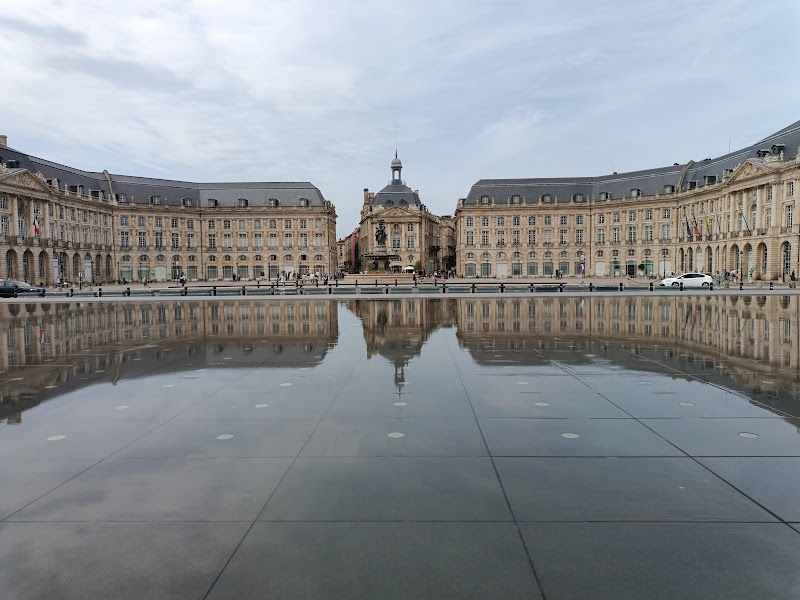
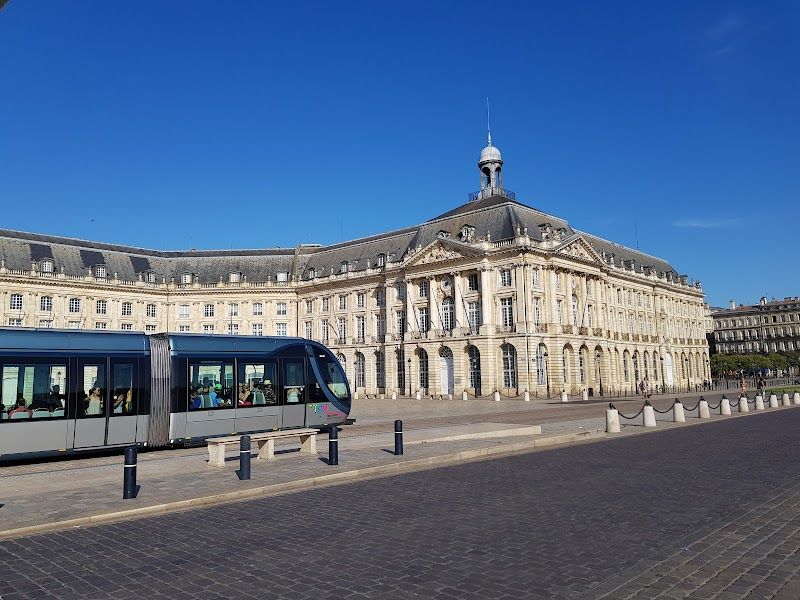
Bordeaux's Place de la Bourse and the Miroir d'Eau create one of Europe's most photogenic city centers. The 18th-century limestone architecture spans entire neighborhoods, not just a historic core. You can spend days exploring the Vieux Bordeaux & Saint-Pierre area alone, with proper museums, restaurants, and nightlife.
The city's scale means real variety. Morning coffee at Place du Parlement leads to afternoon wine tastings in Chartrons, then dinner in the multicultural Saint-Michel & Capucins area. The Marché des Capucins buzzes until late afternoon, while L'Apollo keeps the party going past midnight.
Burgundy's charm lies in its human scale. Beaune feels like a wine lover's theme park, with ramparts you can walk in 20 minutes and cellars beneath half the city. Villages like Gevrey-Chambertin and Meursault have more wine shops than grocery stores. In Chassagne-Montrachet, population 350, you'll find three Michelin-starred restaurants within walking distance.
The trade-off is obvious: by 9 PM, most Burgundy villages go quiet. Restaurants stop serving by 8:30 PM, and entertainment means discussing terroir over digestifs. This appeals to wine purists but frustrates travelers seeking variety.
Verdict: Choose Bordeaux if you want urban sophistication with your wine. Choose Burgundy for intimate, village-focused wine immersion.
Wine Culture and Accessibility
The bordeaux vs burgundy wine comparison extends beyond what's in the bottle to how you experience it. Bordeaux wine culture is more democratic - you can taste excellent wines without connections or appointments.
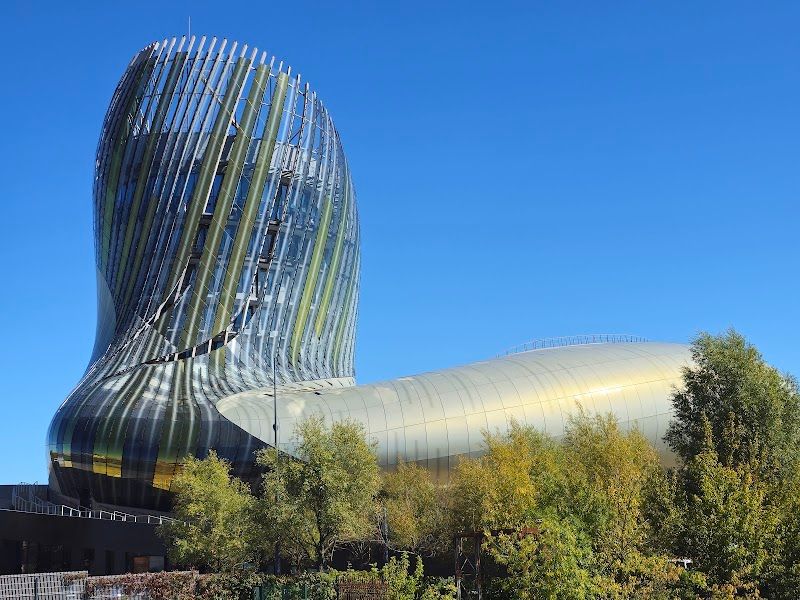
The Bar à Vin - Ecole du Vin - CIVB on Cours du 30 Juillet offers EUR 4-12 glasses from across all Bordeaux appellations. Their flight system lets you compare Médoc against Saint-Émilion, or taste vertical vintages from specific châteaux. La Cité du Vin provides context with its EUR 22 admission (including tasting), featuring wine culture from around the world, not just Bordeaux.
The city has dozens of natural wine bars and bottle shops where you can explore without formality. Comptoir Bordelais stocks 300+ local wines with knowledgeable staff who pour tastings without pretension. Utopia, a converted church, sells rare bottles in theatrical surroundings.
Bordeaux châteaux operate on larger scales with more visitor-friendly policies. Château Margaux charges EUR 30 for tours but doesn't require advance booking months ahead. Many estates offer walk-in tastings during summer months, especially in Saint-Émilion where the medieval setting adds atmosphere to wine education.
Burgundy demands more effort. The best domaines require appointments, often months in advance for famous names like Domaine de la Romanée-Conti or Armand Rousseau. Village tastings cost EUR 5-15 per estate, but you need to book ahead or risk closed doors. The region's fragmented ownership means understanding the difference between négociants (who buy grapes) and domaines (who grow their own) becomes essential.
Maison Louis Jadot offers accessible tastings in Beaune, but smaller producers like Domaine Hudelot-Noëllat in Vougeot might squeeze you in only if they're not busy with harvest or bottling. This creates authentic experiences but requires patience and flexibility.
That said, Burgundy's wine quality ceiling is higher. Grand cru sites like Romanée-Conti and Chambertin represent pinnacles of winemaking that Bordeaux can't match, even if accessing them requires more planning. The precision of single-vineyard wines from legendary producers justifies the effort for serious collectors.
Getting Around: Logistics Matter
This is where bordeaux vs burgundy tourism shows its biggest practical difference. Bordeaux wins on accessibility by a landslide.
Bordeaux-Mérignac Airport connects directly to European capitals, with the EUR 2 shuttle bus reaching the city center in 30 minutes. The TGV from Paris takes 2 hours 15 minutes, arriving at Gare Saint-Jean just south of the historic center. Once there, trams (EUR 1.7 per trip) connect all neighborhoods, and you can walk most of the historic center.
The city's compact size means everything wine-related sits within walking distance or short tram rides. Château tastings in the city include Château Les Carmes Haut-Brion (actually within city limits) and multiple urban wine bars. The weekly TBM pass (EUR 17.5) covers unlimited city transport if you're staying longer.
Wine tourism works via organized tours or rental cars. The Route des Châteaux - Médoc Wine Route offers group tours from EUR 45-85, hitting famous estates like Margaux and Pauillac. These tours handle logistics, appointments, and transportation while providing English-speaking guides who explain appellation differences.
Saint-Émilion sits just 35 minutes by regional train (EUR 8 each way), making it independent day trips. The hilltop village centers around Place du Marché, with tastings at Maison du Vin and cellar tours beneath the medieval streets.
Burgundy requires a car, period. The wine villages stretch along a narrow strip from Dijon to Mâcon with minimal public transport. Regional buses connect major towns but run infrequently, making château visits nearly impossible without wheels.
Beaune serves as the logical base, reachable via TGV from Paris in 2 hours 30 minutes. But you'll spend EUR 40-60 daily on car rental plus fuel to properly explore. Village roads are narrow, parking limited, and GPS essential since many domains lack obvious signage.
The Route des Grands Crus follows D974 through famous villages, but covering Gevrey-Chambertin to Chassagne-Montrachet takes a full day of driving with tasting stops. Factor in appointment scheduling, and you'll manage maybe 3-4 domains daily.
Verdict: Bordeaux for car-free wine tourism. Burgundy only if you're comfortable driving narrow village roads and managing complex logistics.
Cost Comparison: Budget Reality Check
Should i visit bordeaux or burgundy often comes down to budget, and Bordeaux costs significantly less for equivalent experiences.
Accommodation Costs
| Category | Bordeaux | Burgundy (Beaune) |
|---|---|---|
| Budget hotel | EUR 65-95 | EUR 80-120 |
| Mid-range hotel | EUR 110-180 | EUR 140-220 |
| Luxury hotel | EUR 280-500 | EUR 350-600 |
Bordeaux's larger hotel supply keeps prices competitive. Chain hotels like Ibis or Mercure offer reliable mid-range options, while boutique properties in converted 18th-century buildings provide luxury without Paris prices.
Burgundy's limited luxury options command premium rates, especially during harvest season (September-October). Hotel Le Cep in Beaune or Maison Lameloise in Chagny charge accordingly for their Michelin-starred restaurants and wine cellar access.
Wine and Dining Breakdown
Bordeaux restaurant meals cost EUR 12-18 for lunch (plat du jour at neighborhood bistros) and EUR 28-45 for dinner with wine. Le Petit Commerce exemplifies quality local dining without pretension. Quality Bordeaux wines by the glass range EUR 4-12, with excellent options under EUR 8.
Upscale dining at Le Quatrième Mur or Symbiose runs EUR 65-120 for three courses with wine, but you can eat well for half that at neighborhood spots.
Burgundy's restaurant prices start higher - EUR 15-25 for lunch and EUR 35-60 for dinner. Local wines cost EUR 8-20 per glass, reflecting the region's premium positioning. A bottle of village-level Burgundy in a restaurant easily costs EUR 45-80, while premier cru selections reach EUR 100-200.
The region's restaurant density means fierce competition, resulting in exceptional quality even at higher prices. Bistros in Beaune serve better food than many Paris establishments, but you'll pay accordingly.
Transportation and Activities
Bordeaux château tours include transportation, typically costing EUR 45-85 for half-day experiences. Independent tastings at châteaux range EUR 10-30, with many offering free tastings if you purchase bottles.
Burgundy requires car rental (EUR 40-60 daily) plus fuel and parking fees. Domain visits cost EUR 5-15 each, but appointment requirements mean careful planning to maximize value. Premium domains charge EUR 25-50 for tastings of their top wines.
Daily budget estimate for wine-focused travel:
- Bordeaux: EUR 120-180 per person (including accommodation, meals, transport, tastings)
- Burgundy: EUR 160-240 per person (same inclusions)
Food Culture: Beyond Wine
Both regions offer excellent cuisine, but with different strengths that reflect their geography and culture.
Bordeaux benefits from Atlantic proximity with fresh oysters from Arcachon Bay (EUR 8-15 per dozen), fish from the Gironde estuary, and the city's multicultural influences. The Marché des Capucins showcases regional products alongside North African, Asian, and Caribbean options reflecting the port city's trading history.
Local specialties include cannelés (small custard cakes with caramelized crusts), entrecôte à la bordelaise (steak with red wine sauce and shallots), and lamproie (lamprey eel in red wine). Modern chefs interpret these classics while incorporating international influences.
Restaurants like Le Petit Commerce serve classic Bordelais dishes in convivial settings, while newer spots in Chartrons offer contemporary French cuisine with global touches.
Burgundy's food culture centers on classic French techniques perfected over centuries. Dishes like coq au vin, beef bourguignon, and escargot originated here, utilizing the region's exceptional wines as cooking ingredients. Local ingredients include Chaource cheese, Dijon mustard, cassis liqueur, and Bresse chicken.
The region's restaurant density per capita rivals anywhere in France. Even tiny villages sport Michelin-recommended establishments where chefs earned their stars in Lyon or Paris before returning home. Ingredient sourcing focuses on hyperlocal suppliers - vegetables from specific gardens, cheeses aged in particular caves.
Restaurant culture emphasizes leisurely meals with proper wine pairings. Three-hour lunches aren't unusual, and sommeliers discuss terroir differences between neighboring vineyards. This appeals to food enthusiasts but can frustrate time-pressed tourists.
Verdict: Bordeaux for variety and innovation. Burgundy for classic French gastronomy at its finest.
Cultural Attractions Beyond Wine
When comparing bordeaux burgundy travel comparison, consider what happens when you need a break from wine tasting.
Bordeaux offers substantial cultural attractions that justify the trip even for non-wine lovers. The Musée d'Aquitaine (EUR 5 admission) covers regional history from prehistory through colonialism, with excellent sections on medieval Bordeaux and the slave trade that funded much 18th-century architecture.
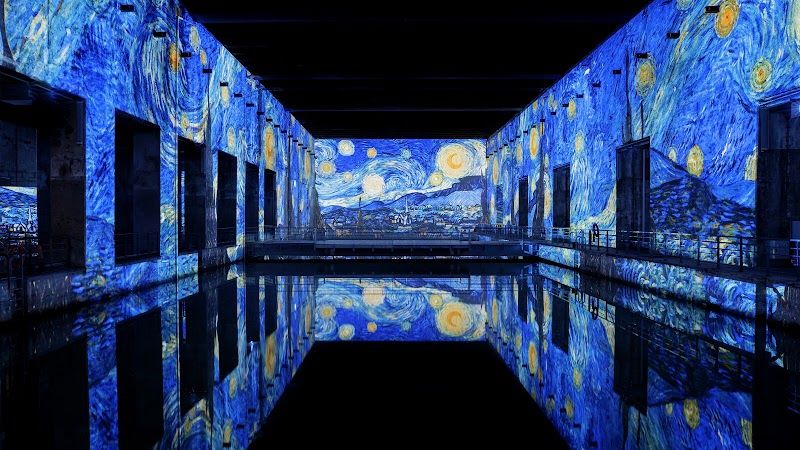
CAPC Musée d'Art Contemporain (EUR 7) occupies a converted warehouse, showcasing international contemporary art in industrial spaces. Bassin des Lumières provides immersive digital art in a former submarine base - one of the world's largest digital art centers.
The Cathédrale Saint-André and Tour Pey-Berland (EUR 6 to climb) anchor the historic quarter, offering panoramic city views. For something different, Darwin Écosystème offers alternative culture in a repurposed barracks with skate parks, urban farms, and creative spaces.
The waterfront transformation along the Garonne provides kilometers of walking paths, riverside parks, and the Cité du Vin's distinctive architecture. Evening river cruises (EUR 15-25) showcase the UNESCO cityscape from water level.
Burgundy's cultural offerings center on wine itself, but with impressive historical depth. The Musée du Vin in Beaune occupies the former Ducs de Bourgogne palace, displaying centuries of winemaking tools and techniques. Historic sites include the Hospices de Beaune with its colorful tile roof and annual wine auction, and the Château du Clos de Vougeot, headquarters of the Confrérie des Chevaliers du Tastevin.
The region compensates with ** Romanesque architecture**. Churches in Tournus, Autun, and Vézelay rank among France's finest, though they require dedicated trips from wine country. Dijon offers ducal palaces and medieval streets, while Chalon-sur-Saône provides river commerce history.
Monastic heritage runs deep, with Abbey de Cîteaux (birthplace of the Cistercian order) and numerous medieval churches scattered through wine villages. This religious history directly influenced winemaking development, as monks selected and cultivated the best vineyard sites.
Seasonal Considerations for Wine Travel
Both french wine regions to visit have distinct seasonal personalities that significantly affect your experience and costs.
Spring (March-May)
Bordeaux: Mild weather averaging 15-20°C, fewer crowds at châteaux, vine budbreak provides educational opportunities. Many estates reopen after winter closures, and restaurant terraces become viable. Accommodation rates drop 20-30% from peak season.
Burgundy: Cool and wet with temperatures around 10-15°C, limited outdoor activities, quiet season means easier domain appointments. Some restaurants close for annual breaks, but serious wine lovers find this the best time for unhurried tastings.
Summer (June-August)
Bordeaux: Hot and dry with temperatures reaching 25-30°C, peak tourist season means advance bookings essential. All attractions operate full schedules, outdoor markets thrive, but château tours can feel rushed with large groups. Accommodation rates peak.
Burgundy: Perfect weather with warm days (22-28°C) and cool evenings, busy villages require advance planning. Expensive accommodation (50% premium over spring), but ideal for outdoor dining and vineyard walks. This is prime time for cycling tours between domains.
Autumn (September-November)
Bordeaux: Harvest season brings grape-picking activities, warm days with crisp evenings, wine activity peaks with fermenting tours available. September offers ideal weather without peak crowds.
Burgundy: Harvest magic transforms the region - golden vine leaves, grape picking, fermenting vat tastings. Beautiful colors justify highest prices and crowds. Book accommodation months ahead for harvest season, especially late September/early October.
Winter (December-February)
Bordeaux: Mild temperatures (8-12°C), many châteaux closed or operate reduced schedules, good city exploration weather. Restaurant focus shifts to hearty regional dishes, wine bars provide cozy tasting venues.
Burgundy: Cold with temperatures near freezing, limited winery access as many close January-February. Restaurant closures common, but serious collectors find this the time for cellar visits and barrel tastings at domains that remain open.
Verdict: Bordeaux offers more consistent year-round appeal. Burgundy's autumn harvest justifies the premium but requires advance planning.
Specific Itinerary Recommendations
Bordeaux: 3-Day Wine and City Break
Day 1: Historic center walking tour starting at Place de la Bourse, lunch at Marché des Capucins, afternoon wine tasting at CIVB bar, dinner in Saint-Pierre quarter.
Day 2: Cité du Vin morning session (EUR 22), Saint-Émilion afternoon by train (EUR 8 each way) with village walking tour and château tastings.
Day 3: Médoc château tour (EUR 65) or independent Chartrons neighborhood exploration with wine shops and galleries.
This itinerary works car-free using public transport and walking. Budget EUR 350-500 per person including accommodation, meals, and activities. Add EUR 50-80 for premium château visits or Michelin dining.
Burgundy: 4-Day Village Wine Tour
Day 1: Beaune exploration - Hospices visit, Patriarche cellar tour, dinner at Ma Cuisine for traditional cooking.
Day 2: Côte de Nuits villages - morning appointments in Gevrey-Chambertin (Domaine Rossignol-Trapet), afternoon in Chambolle-Musigny and Vosne-Romanée with village walks between tastings.
Day 3: Côte de Beaune - Meursault morning (Domaine Matrot for white wines), Puligny-Montrachet afternoon, evening in Chassagne-Montrachet.
Day 4: Chablis day trip (45 minutes north) for comparison tasting, or explore Côte Chalonnaise for value discoveries.
Requires rental car and advance winery appointments (book 2-4 weeks ahead). Budget EUR 600-900 per person for equivalent experience including car rental, accommodation, meals, and domain visits.
The Final Verdict: Which Should You Choose?
Choose Bordeaux if you want:
- Car-free wine tourism with excellent public transport
- Urban attractions beyond wine (museums, architecture, nightlife)
- Better value for money across all categories
- Year-round accessibility with consistent weather
- Grand château experiences without complex logistics
- Easier planning with walk-in opportunities
- International cuisine alongside regional specialties
Choose Burgundy if you want:
- Intimate village experiences in postcard settings
- World's finest pinot noir and chardonnay from legendary sites
- Classic French countryside immersion
- Traditional winemaking culture with centuries of history
- Superior gastronomy with hyperlocal ingredients
- Willing to pay premium prices for pinnacle quality
- Patient enough for advance planning and appointment scheduling
For first-time french wine regions visitors, Bordeaux provides better overall value and accessibility. The city offers multiple ways to engage with wine culture without requiring deep knowledge or advance planning. You can explore independently using our 2-3 Days in Bordeaux guide or dive deeper with our Bordeaux Wine & Food Guide.
Burgundy rewards the dedicated wine lover willing to invest time and money for pinnacle experiences. But unless you're seriously committed to wine education and have a flexible budget exceeding EUR 200 daily per person, Bordeaux delivers more satisfaction per euro spent.
The honest answer: if you can only choose one, start with Bordeaux. It provides excellent wine experiences within a complete destination that works for various travel styles and budgets. Save Burgundy for your second French wine region - it's worth the wait when you can properly appreciate what makes it special and justify the premium costs for truly exceptional experiences.