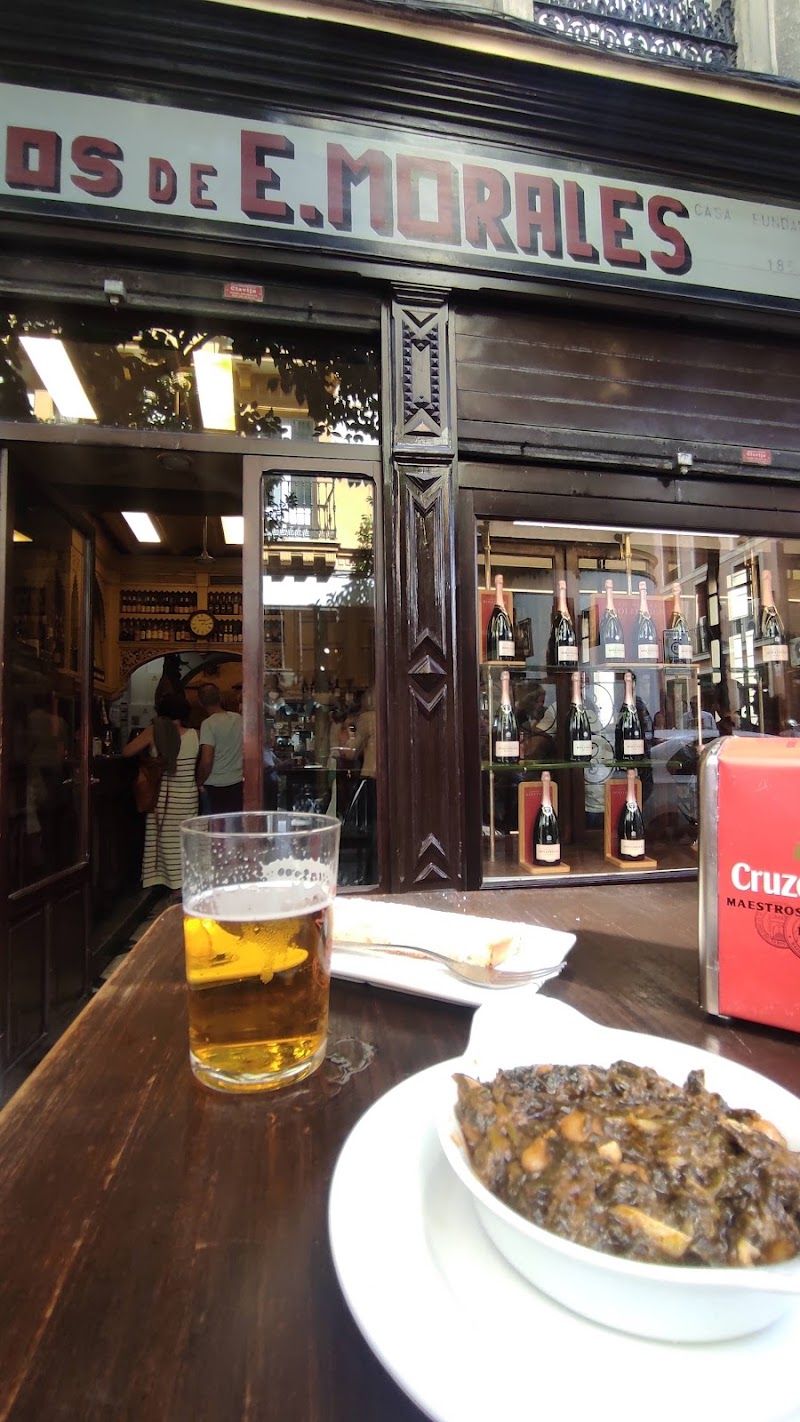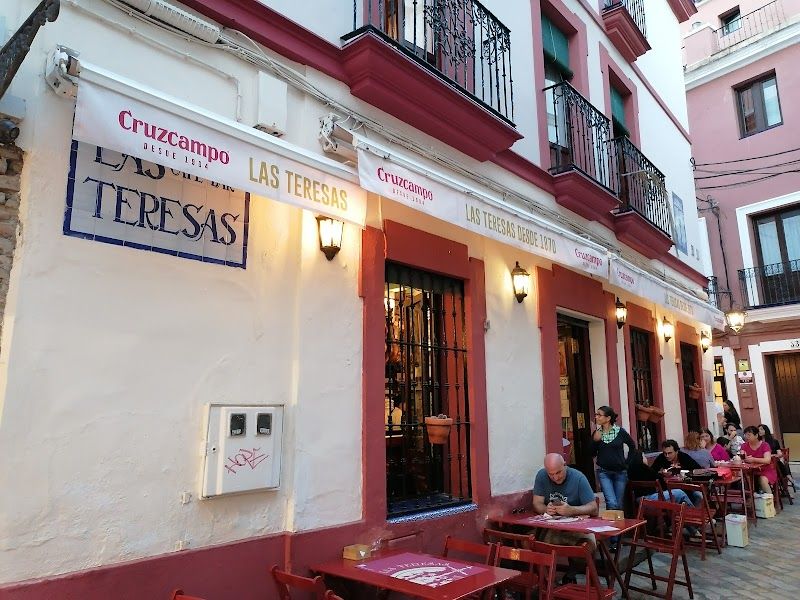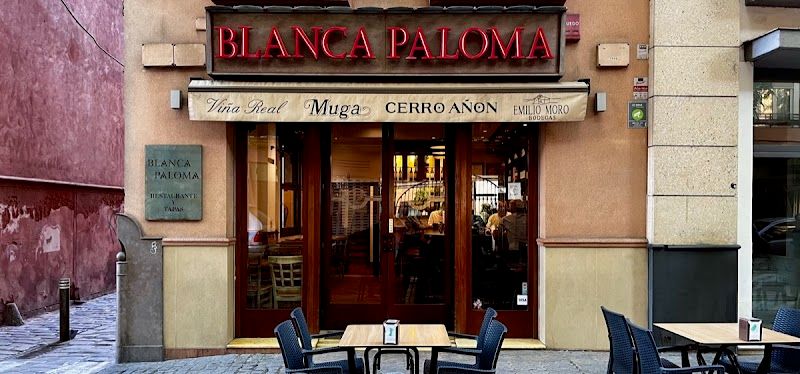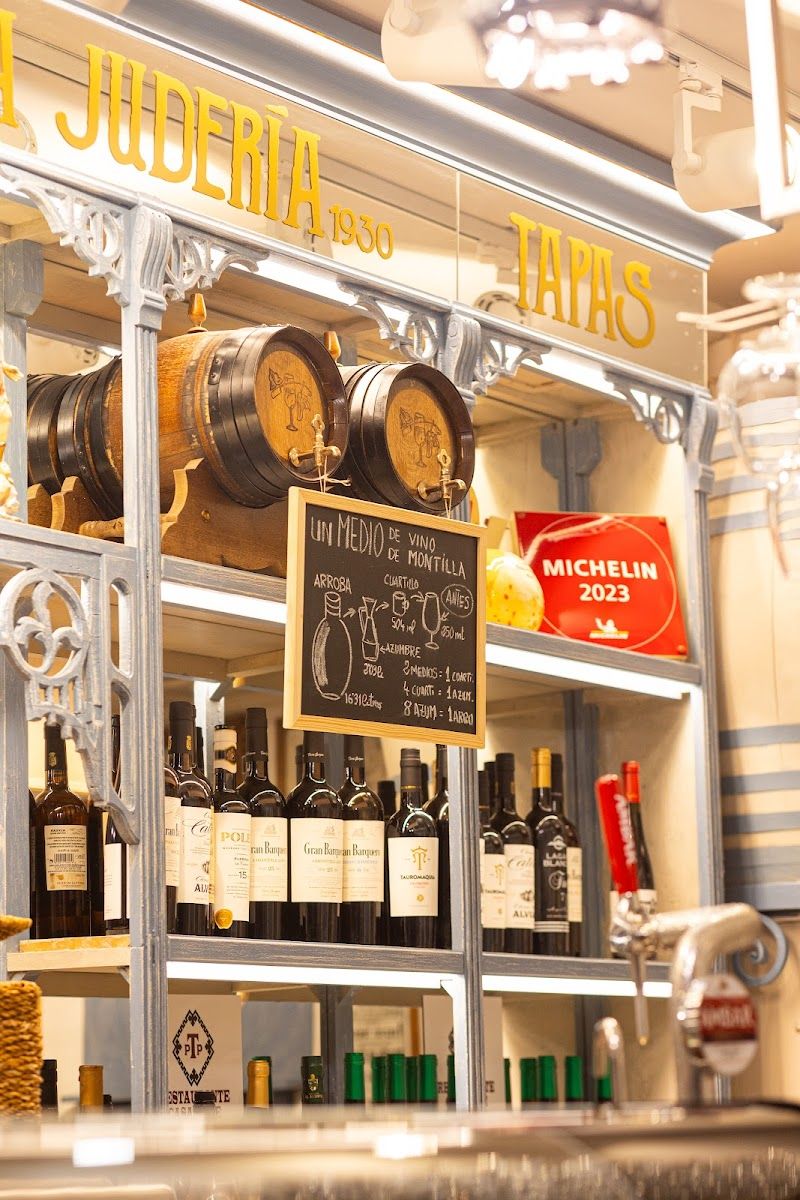
Cordoba food recommendations from guidebooks usually steer you toward overpriced restaurants clustered around the Mezquita. That's not where locals eat. The real Cordoba food scene lives in century-old tabernas where regulars argue over football while demolishing plates of flamenquín cordobés, in neighborhood bars that serve salmorejo thick enough to stand a spoon in, and in family-run restaurants that have been perfecting their rabo de toro for three generations.
After living in Cordoba for two years and eating my way through every barrio, I can tell you that the city's best restaurants aren't necessarily the prettiest or the most Instagram-friendly. They're the ones where the waiter knows your order before you sit down, where the wine comes from unmarked bottles, and where the only tourists are the ones smart enough to follow locals through unmarked doors.
The Best Traditional Cordoba Restaurants for Local Cuisine
Taberna Salinas
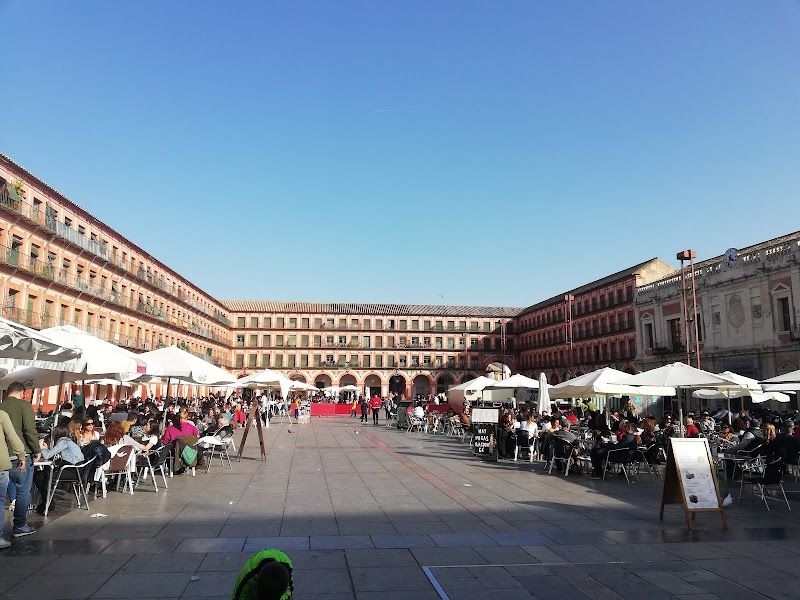
Located at Calle Tundidores 3 near Plaza de la Corredera, Taberna Salinas has been serving the same recipes since 1879. The flamenquín cordobés here costs EUR 16 and arrives as a telephone pole-sized roll of ham and pork loin, breaded and fried to golden perfection. The interior feels like stepping into your Cordoban grandmother's dining room, complete with dusty bottles, faded bullfighting posters, and marble-topped tables worn smooth by 140 years of elbows.
What sets Salinas apart isn't just longevity but consistency. The salmorejo (EUR 6) arrives in the same thick, orange consistency it has for decades, topped with hard-boiled egg and jamón bits. Order the rabo de toro (EUR 20) if you want to understand why this dish became Cordoba's signature. The oxtail falls apart at the touch of a fork, swimming in a rich sauce that tastes of sherry, bay leaves, and patience.
Salinas fills up by 2 PM for lunch, so arrive by 1:30 PM or prepare to wait. No reservations, cash only.
Bodegas Campos
At Calle Lineros 32 in the Plaza de la Corredera area, Bodegas Campos occupies a 16th-century mansion with multiple dining rooms that feel like different restaurants under one roof. The bodega section, with its wooden barrels and ceramic tiles, serves traditional tapas alongside wines from their own vineyard. The house wine starts at EUR 2.5 per glass and comes from grapes grown 30 kilometers outside the city.
The restaurant's strength lies in its execution of Cordoban classics without tourist markup. Salmorejo costs EUR 5 here, served properly cold with the right balance of bread, tomato, and olive oil. The berenjenas con miel (EUR 8) arrives as thin slices of eggplant drizzled with local honey, a dish that sounds simple but requires perfect timing to avoid soggy disasters.
Their rabo de toro (EUR 22) takes four hours to prepare and it shows. The meat separates into tender strands while maintaining enough structure to stay on your fork. Pair it with a bottle of their Montilla-Moriles wine (EUR 18) for the full Cordoban experience.
Casa Pepe de la Judería
Tucked into Calle Romero 1 in the heart of the Jewish Quarter, Casa Pepe serves what many locals consider the city's best traditional cooking in a setting that tourists love but locals frequent anyway. The restaurant occupies a renovated 17th-century house with dining rooms arranged around a central patio filled with orange trees and ceramic tiles.
The menú del día costs EUR 25 and changes based on what's best at the market that morning. Don't expect choices; the chef decides what you eat based on seasonal ingredients and decades of experience. Tuesday might bring cordero al horno (roasted lamb) with white beans, while Thursday could feature rape con gambas (monkfish with shrimp) in a saffron sauce.
The wine list focuses on local producers, with bottles ranging from EUR 15 to EUR 45. Ask for recommendations; the staff knows which wines pair with each dish and won't steer you toward expensive bottles unless they genuinely improve your meal.
Where to Find the Best Cordoba Food Scene Beyond Tourist Areas
Taberna San Miguel - Casa El Pisto
Located at Plaza San Miguel 1, this taberna has operated continuously since 1880 in what locals call the most authentic square in Cordoba. The pisto cordobés (EUR 9) that gives the restaurant its nickname arrives as a thick vegetable stew that changes with the seasons but always includes tomatoes, peppers, and zucchini from nearby farms.
The tapas here follow old Cordoba traditions: order a drink and receive a small plate of food automatically. A caña (small beer) costs EUR 2.5 and comes with whatever the kitchen prepared that day, usually tortilla española, chorizo, or manchego cheese. Order three drinks and you've had lunch without seeing a menu.
The dining room centers around a massive wooden bar where regulars gather for the 7 PM news and animated discussions about Real Madrid's latest performance. Tourists are welcome but shouldn't expect English menus or patient explanations of local customs.
El Churrasco
At Calle Romero 16 in the Mezquita area, El Churrasco built its reputation on one dish: perfectly grilled meat. The churrasco (grilled steak) costs EUR 24 and arrives with a chimichurri-style sauce that the restaurant has refined over 40 years. The meat comes from cattle raised in the Cordoban countryside and aged for 28 days.
The restaurant's success lies in simplicity executed flawlessly. The grill runs constantly, producing steaks with proper char marks and pink centers that require no sauce beyond coarse salt and good olive oil. Side dishes cost EUR 5-8 and include roasted peppers, grilled asparagus, and patatas bravas made with potatoes from specific farms in nearby villages.
Reservations essential for dinner; lunch operates on a first-come basis. The wine list includes bottles from Ribera del Duero and Rioja, but locals order the house red (EUR 16 per bottle) that complements the grilled meat perfectly.
Mercado Victoria
This modern food market at Jardines de la Victoria combines traditional Cordoba ingredients with contemporary presentations. Individual stalls charge EUR 8-15 for dishes that range from deconstructed salmorejo served in shot glasses to flamenquín cordobés presented as sliders.
The market works best for lunch when local office workers fill the communal tables and create an authentic atmosphere despite the tourist-friendly format. Craft beer starts at EUR 3.5 and includes selections from Cordoban breweries that have emerged in recent years.
Standout stalls include La Tapa, which serves traditional dishes with modern twists, and Cordoba Gourmet, which specializes in local products prepared simply. The jamón ibérico here (EUR 12 per plate) comes from specific producers in the Sierra de Cordoba and represents some of the best ham in Andalusia.
Traditional Cordoba Restaurant Guide: Century-Old Establishments
Taberna La Montillana
At Calle Cruz Conde 3, La Montillana has specialized in Montilla-Moriles wines since 1954. The wine selection includes 40 different bottles from the Cordoba wine region, ranging from EUR 3 per glass to EUR 60 per bottle for aged amontillados that compete with the best sherries from Jerez.
The food menu focuses on dishes that pair with fortified wines: jamón ibérico (EUR 14), manchego cheese (EUR 8), and marcona almonds (EUR 4). The combination creates a perfect afternoon experience for locals who understand that wine tasting doesn't require formal ceremonies or lengthy explanations.
The house specialty, wine with tapas pairing, costs EUR 18 and includes five small plates matched with five different wines. The progression moves from light finos through rich olorosos, with foods that complement each wine's characteristics. This represents one of the best values in Cordoba for understanding local wine culture.
Bodegas Mezquita
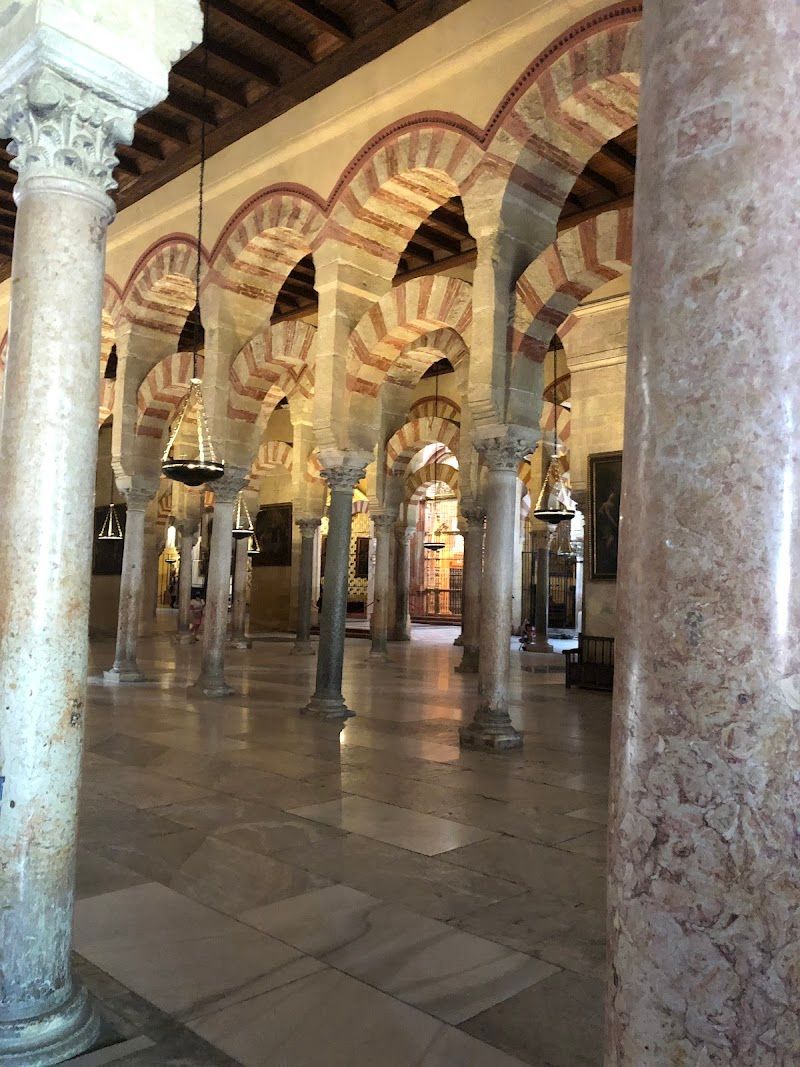
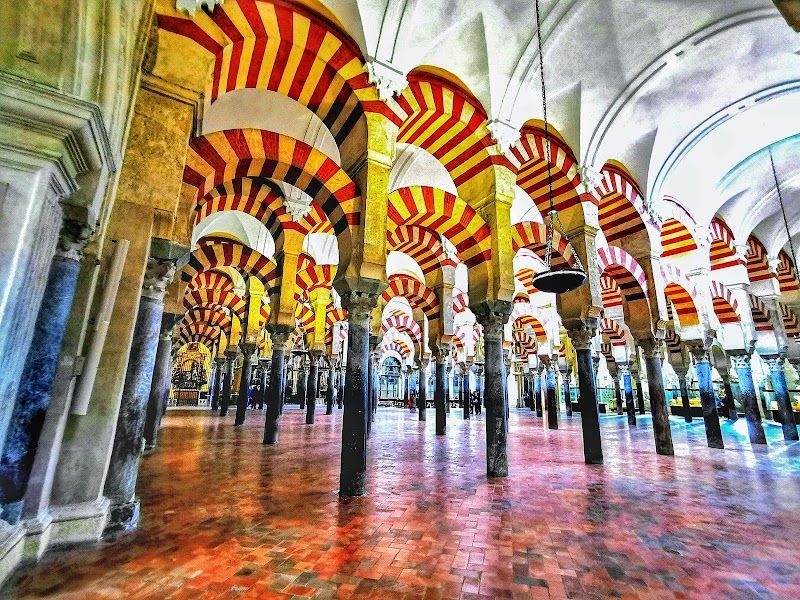
Situated at Calle Corregidor Luis de la Cerda 73 near the Mezquita, this restaurant operates from a building that served as a private residence until 1965. The dining rooms retain original Moorish architectural details including horseshoe arches and geometric tile work that provide authentic atmosphere without theme park artificiality.
The restaurant's version of salmorejo (EUR 6) includes a secret ingredient that regulars claim makes it superior to competitors: a small amount of aged sherry vinegar that adds complexity without overwhelming the tomato base. The dish arrives with precise garnishes of hard-boiled egg and jamón that demonstrate attention to traditional presentation.
Their seafood selection focuses on fish from the Barbate coast, delivered fresh three times weekly. The urta a la roteña (EUR 26) features sea bream prepared with tomatoes, peppers, and onions in a style borrowed from Cadiz but adapted to Cordoban tastes with local olive oil and wine.
Where Locals Eat: Neighborhood Gems for Authentic Cordoba Food
Bar Santos
Located at Calle Magistral González Francés 3 in a residential area near the Jewish Quarter, Bar Santos looks unremarkable from the street but serves what many Cordobeses consider the city's best tortilla española. The tortilla costs EUR 3 per portion and arrives as a thick wedge with perfectly runny center that requires skill and timing to achieve.
The bar operates on neighborhood rhythms: coffee and tostadas (EUR 2.5) from 7 AM to 10 AM, beer and tapas from noon to 4 PM, and wine with cheese and olives from 7 PM to midnight. The house wine costs EUR 2 per glass and comes from unmarked bottles filled directly from barrels stored in the basement.
Regulars include construction workers, retirees, and office employees who appreciate consistent quality without pretension. The conversation flows in rapid Cordoban Spanish that incorporates Arabic-influenced vocabulary dating back 800 years.
Casa Rubio
At Calle Puerta de Almodóvar 5, Casa Rubio occupies a narrow building wedged between tourist shops but maintains its identity as a locals' restaurant through stubbornly traditional approach. The menu changes daily based on what the owner's wife decides to cook, usually including one meat dish, one fish option, and seasonal vegetables prepared simply.
Lunch costs EUR 15-20 per person including wine, bread, and dessert. The portions reflect working-class expectations: generous plates that satisfy physical laborers rather than delicate presentations aimed at Instagram documentation. The wine comes from large glass jugs that the owner fills from barrels purchased directly from producers.
The clientele includes taxi drivers, shop owners, and longtime residents who remember when the entire neighborhood served locals rather than tourists. Conversations happen across tables, strangers share opinions about local politics, and everyone knows the owner's children by name.
Modern Cordoba Restaurants Doing Traditional Food Right
La Taberna del Rio
This newer restaurant at Calle Cardenal Herrero 28 opened in 2018 but follows traditional formulas with contemporary execution. The chef trained at established tabernas before opening his own place, bringing technical skills to recipes that haven't changed in generations.
The tasting menu costs EUR 45 and includes modern interpretations of Cordoban classics: salmorejo served at three different temperatures, flamenquín deconstructed and reassembled, and rabo de toro served with the bone marrow exposed and seasoned separately. The presentations look contemporary but the flavors remain authentically Cordoban.
Wine pairings add EUR 25 and focus exclusively on Andalusian producers, including several natural wines from the Sierras de Málaga that pair surprisingly well with traditional dishes. Reservations required; the restaurant seats only 30 people in a dining room designed around an open kitchen.
Restaurante Arbequina
Located at Calle Deanes 11 near the Cathedral, Arbequina combines traditional Cordoba recipes with ingredients sourced from specific producers. The olive oil comes from trees planted in 1742, pressed using methods that preserve maximum flavor complexity. This attention to sourcing elevates familiar dishes to restaurant-quality standards while maintaining authentic flavors.
The menu del día costs EUR 28 but includes ingredients that justify the price: jamón from pigs fed exclusively on acorns, tomatoes from heritage varieties grown without chemicals, and bread baked daily using flour milled from wheat grown in the Campiña Cordobesa.
The restaurant works directly with farmers, ensuring seasonal menus that reflect what grows best at specific times. Spring brings dishes featuring asparagus from Huétor Tájar, summer includes tomatoes from Palma del Río, and autumn features mushrooms from the Sierra Subbética.
Cordoba's restaurant scene rewards curiosity over convenience. The best experiences come from following locals into places that look unremarkable, ordering dishes you can't pronounce, and trusting centuries of collective wisdom about what tastes good. These 12 restaurants represent starting points for deeper exploration of a food culture that values substance over style, tradition over innovation, and conversation over quick consumption.
For more detailed information about Cordoba's dining scene and local specialties, check out our comprehensive food guide or our first-time visitor guide for broader context about the city.