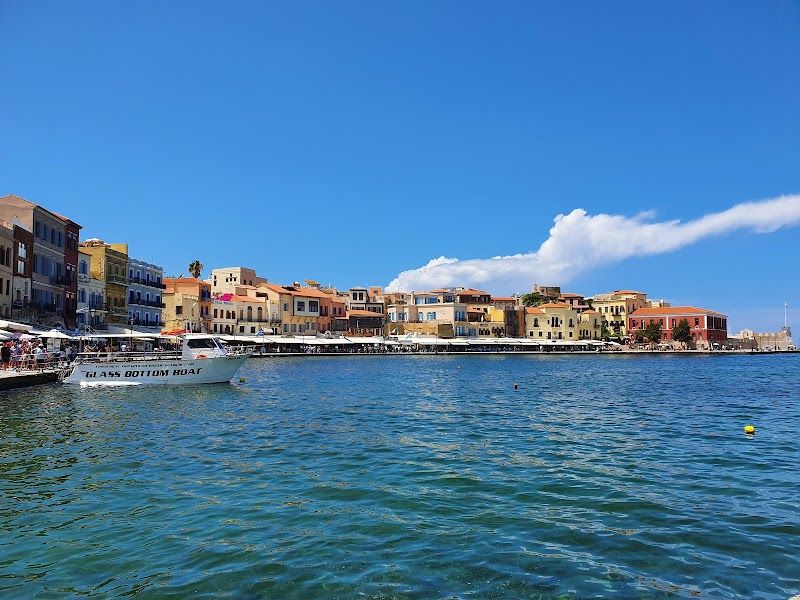
The choice between Crete vs Santorini splits travelers into two camps: those who want an island that feels like a destination and those who want an island that feels like a postcard. These two Greek islands share the Aegean Sea but approach tourism in fundamentally different ways. Crete stretches 260 kilometers east to west, houses 630,000 year-round residents, and offers hiking trails, ancient palaces, and beaches where locals still outnumber tourists. Santorini measures 18 kilometers at its widest point, hosts 2 million visitors annually, and delivers the exact cliff-top sunset experience you've seen on Instagram.
We've spent months on both islands, and the verdict is straightforward: your choice depends on whether you want to explore or pose. If you seek adventure, history, and authentic Greek culture, Crete wins decisively. If you prioritize dramatic scenery, luxury hotels, and photo opportunities, Santorini delivers exactly what you expect.
Why Crete Beats Santorini for Active Travelers
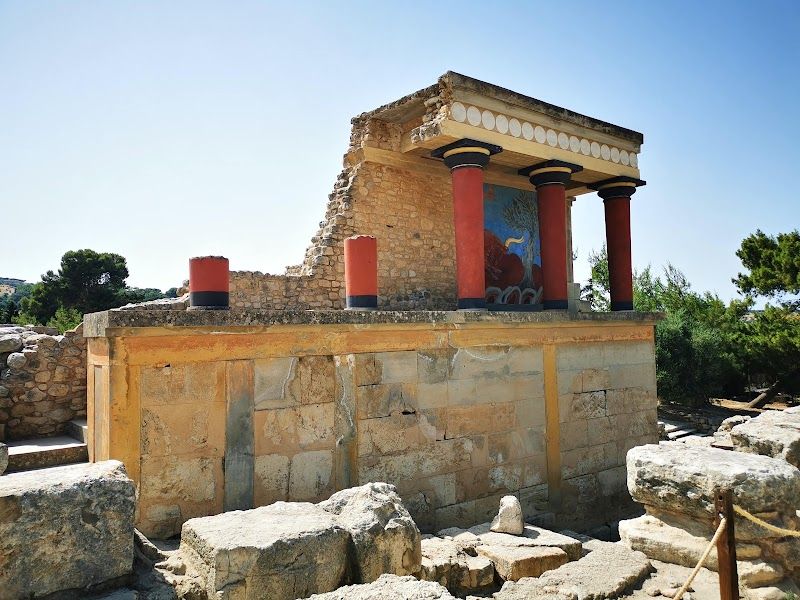
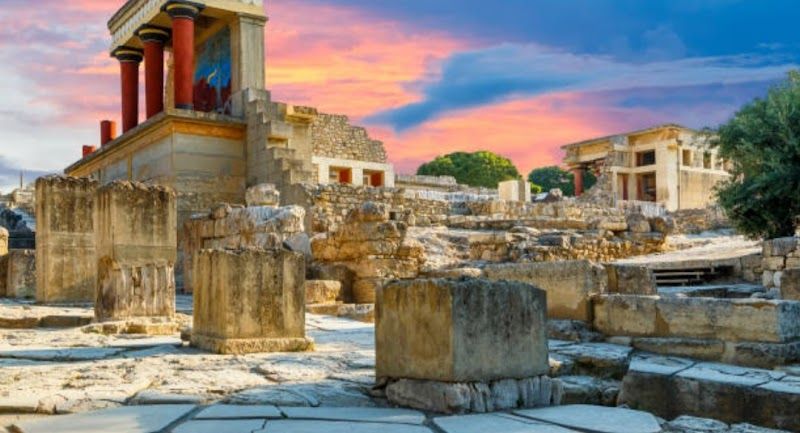
Crete vs Santorini becomes a simple decision when you consider scale. Crete spans five distinct regions, each with different landscapes, dialects, and specialties. The Palace of Knossos near Heraklion preserves Europe's oldest civilization through frescoes and throne rooms from 1700 BCE. The White Mountains in the west rise to 2,453 meters, creating the 16-kilometer Samaria Gorge that requires a full day to complete (EUR 10 entry, 5-7 hours hiking time).
Santorini's highest point reaches 567 meters. The island has one major archaeological site (Akrotiri), two main towns (Fira and Oia), and beaches that range from acceptable to actively unpleasant. The famous black sand beaches heat up so intensely in summer that you need shoes to walk on them.
Crete's activity advantage:
- 16-kilometer gorge hikes through national parks
- Ancient Minoan palaces with 4,000-year-old frescoes
- Mountain villages where Cretans speak their own dialect
- Beaches ranging from pink sand lagoons to palm forest coves
- Cooking classes with village grandmothers (EUR 60-95)
Santorini's limitations:
- Two-hour walking tours cover the main sights
- Beaches require ferry trips to nearby islands for quality
- Activities center on wine tours and sunset viewing
- Hiking limited to the caldera rim (3-4 hours maximum)
The numbers tell the story: Crete offers 1,046 square kilometers to explore versus Santorini's 76 square kilometers. This isn't just about size; it's about depth of experience. Our 5-7 day Crete itinerary covers ancient palaces, mountain gorges, traditional villages, and multiple beach regions. A week in Santorini requires serious creativity to fill the time.
Beach Quality: Crete Dominates This Category
The debate over Crete vs Santorini beaches isn't close. Crete delivers Elafonisi Beach with pink sand created by crushed seashells, water so shallow you wade 50 meters before reaching waist depth, and a protected lagoon environment. Balos Lagoon requires a 20-minute scramble down cliff paths but rewards you with turquoise water surrounded by white sand and dramatic rock formations.
Falassarna Beach on Crete's west coast faces the sunset with 3 kilometers of golden sand and reliable wind for kitesurfing. Vai Beach in the east features Europe's largest natural palm forest growing directly behind the shoreline.
Santorini's beaches tell a different story. The volcanic origin creates black sand that becomes painfully hot in direct sunlight. Red Beach offers dramatic cliff backdrops but uncomfortable pebbles and overcrowding issues. White Beach requires a boat trip and delivers exactly what the name suggests: white cliffs and stones, but no actual sand.
Crete beach scorecard:
- Pink sand lagoons (Elafonisi)
- Turquoise water bays (Balos)
- Palm forest beaches (Vai)
- Sunset-facing golden sand (Falassarna)
- Family-friendly shallow water throughout
Santorini beach reality:
- Black volcanic sand that burns feet
- Limited beach space due to cliff geography
- Better beach experiences require island-hopping
- Crowds concentrated in few accessible locations
For sunbed and umbrella costs, Crete charges EUR 8-15 per day for two sunbeds, while Santorini beach clubs start at EUR 20-35 for basic setups. The difference reflects demand, not quality.
Cultural Depth: Where Crete vs Santorini Isn't Even Close
Crete maintained independence from Ottoman rule until 1898, developing its own traditions, music, and cuisine distinct from mainland Greece. The island's size supports genuine local communities where tourism supplements rather than replaces traditional livelihoods. Villages like Kritsa and Argyroupoli preserve Byzantine churches, traditional crafts, and family tavernas serving recipes passed down through generations.
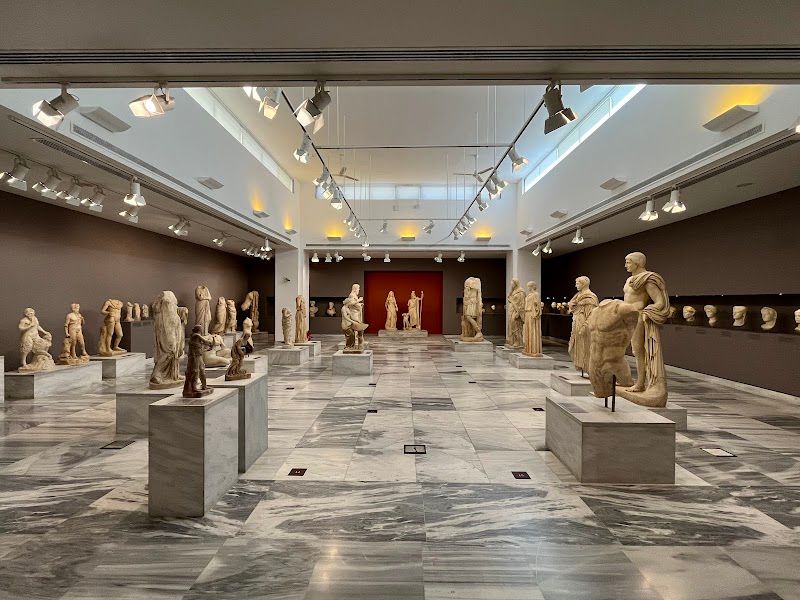
The Minoan civilization reached its peak on Crete 3,500 years ago, leaving behind the Palace of Knossos and the Heraklion Archaeological Museum collection. Combined tickets (EUR 25) let you trace the progression from palace frescoes to museum artifacts, understanding how ancient Cretans lived, worked, and worshipped.
Santorini's cultural offerings center on the Akrotiri archaeological site (a Minoan settlement preserved by volcanic ash) and traditional cycladic architecture in Oia village. Both are worth seeing, but they represent a weekend's exploration rather than a week's immersion.
Crete cultural advantages:
- Multiple ancient civilizations (Minoan, Roman, Venetian, Ottoman)
- Living traditions in mountain villages
- Distinct cuisine featuring lamb, wild greens, and local cheeses
- Traditional crafts (leather work, weaving, pottery)
- Music and dance festivals throughout summer
Santorini cultural focus:
- Single major archaeological site
- Architecture tourism (blue domes and white walls)
- Wine culture on volcanic soil
- Sunset ritual in Oia
- Gallery scene in Fira
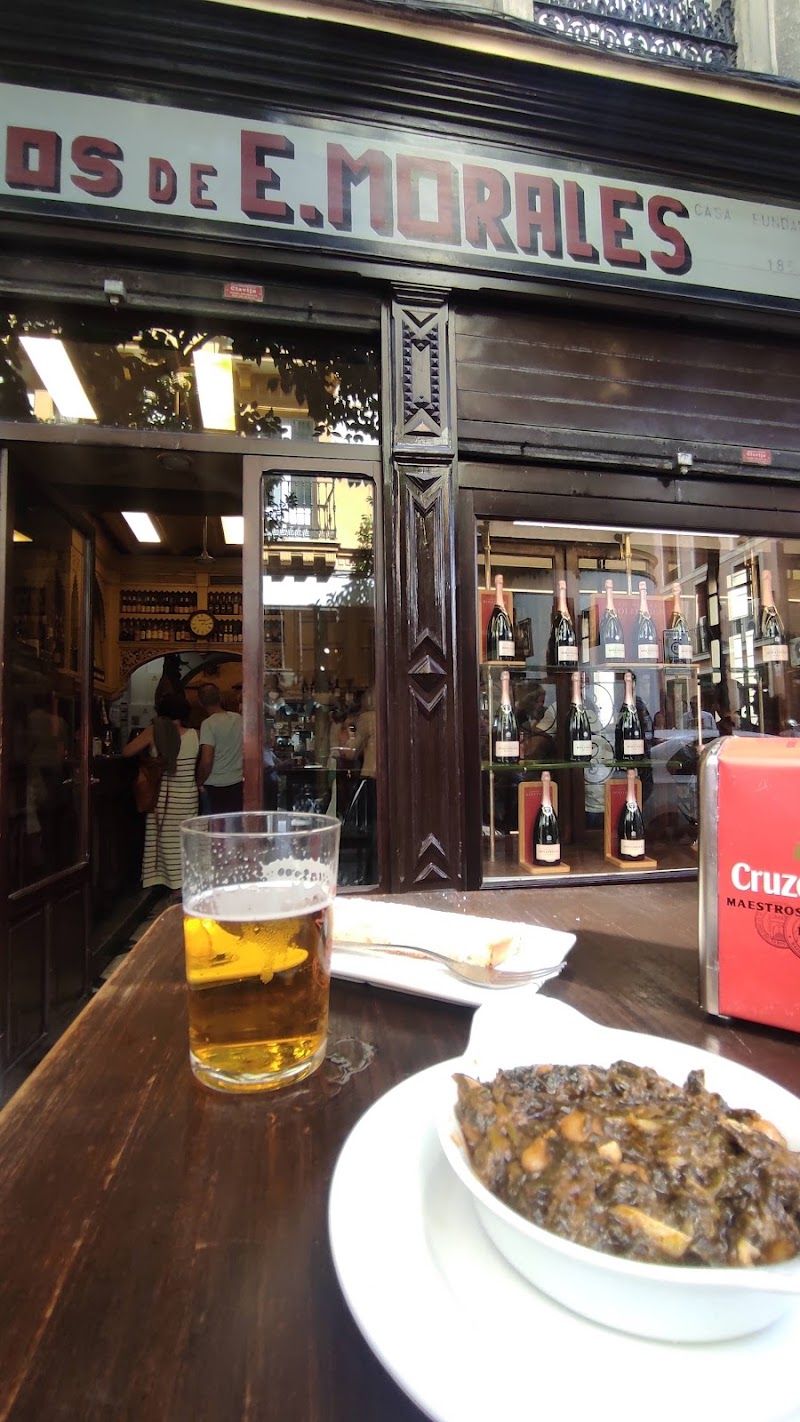
Our Crete food guide explores dishes you won't find elsewhere in Greece: dakos (barley rusk salad with tomatoes and cheese), antikristo (lamb slow-roasted around an open fire), and marathopita (fennel pie). Santorini offers excellent restaurants, but the cuisine follows standard Greek patterns rather than regional specialties.
Practical Travel: Getting There and Getting Around
Both islands connect to Athens by air and sea, but the experience differs significantly. Crete operates two major airports (Heraklion and Chania) with multiple daily flights from Athens, direct European connections, and reasonable taxi costs (EUR 15-20 from Heraklion airport to city center). Santorini's single airport handles massive crowds during peak season, creating delays and higher costs.
Inter-island travel favors different approaches. The ferry from Heraklion to Santorini costs EUR 60-85 and takes 2.5 hours, making day trips possible but exhausting. Full-day Santorini packages from Crete (EUR 120-180) handle all logistics but limit your time to 6-7 hours on Santorini.
Transportation costs comparison:
| Route | Crete | Santorini |
|---|---|---|
| Airport to center | EUR 15-20 | EUR 25-35 |
| Car rental (summer) | EUR 55-95/day | EUR 70-120/day |
| Local bus rides | EUR 1.20 | EUR 2-3 |
| Island-hopping ferry | EUR 60-85 | EUR 45-75 |
Crete's size makes car rental almost essential for proper exploration. The KTEL bus network connects major towns (Heraklion to Chania EUR 15.10, 2h 45m), but reaching the best beaches and mountain villages requires private transport. Santorini's compact size makes buses and taxis viable for most destinations.
Scooter rental (EUR 20-35/day) works well on Santorini's shorter distances but becomes impractical for Crete's cross-island journeys. A 125cc scooter can't handle the mountain passes between Chania and Rethymno safely.
When to Visit: Crete vs Santorini Seasonal Considerations
The best time to visit Crete and Santorini depends on your priorities, but the islands peak at different times. Crete's longer season runs from April through October, with perfect conditions in May-June and September-October. July-August brings intense heat but also the full cultural calendar of village festivals and summer events.
Santorini's shoulder seasons (April-May, September-October) offer the best value and weather combination. Summer brings crowds that transform Oia's sunset viewing into a competitive sport requiring arrival 90 minutes early for decent positions.
Crete seasonal breakdown:
- April-May: Wildflowers, perfect hiking weather, lower accommodation costs
- June: Warm but comfortable, ideal for beach and culture combination
- July-August: Peak heat and crowds, but full summer energy
- September-October: Warm sea, fewer tourists, harvest season activities
- November-March: Mountain snow, fewer services, authentic local life
Santorini seasonal patterns:
- April-May: Cool evenings, uncrowded viewpoints, limited ferry schedules
- June: Perfect temperatures, increasing crowds, higher prices
- July-August: Extreme crowds, highest prices, guaranteed sunshine
- September-October: Still warm, better sunset viewing, lower costs
- November-March: Many hotels closed, limited activities, rough seas
Accommodation costs reflect these patterns. Mid-range Crete hotels charge EUR 90-160 in summer but drop to EUR 40-75 in shoulder seasons. Santorini's premium cliff-top hotels start at EUR 300 in peak season versus EUR 150 in May or October.
Crete vs Mykonos vs Santorini: The Three-Way Comparison
Travelers often expand the question to include Mykonos, creating a three-way debate between Greece's most popular islands. Each serves different traveler types, making the choice clearer when you understand the distinctions.
Crete targets travelers who want substance over style. The island delivers ancient history, natural landscapes, authentic culture, and genuine Greek experiences away from tourism's influence. You come to Crete to learn, explore, and understand Greek civilization's depth.
Santorini serves travelers prioritizing scenery and romance over activities. The caldera views, sunset rituals, and cliff-top hotels create the Greece of tourism posters. You visit Santorini to see, photograph, and experience postcard Greece.
Mykonos attracts party-focused travelers seeking nightlife, beach clubs, and social scenes. The island's reputation for clubs, DJs, and all-night energy makes it Greece's Ibiza equivalent.
Budget considerations separate these clearly:
- Crete: EUR 40-80/day for comfortable independent travel
- Santorini: EUR 100-200/day for decent experiences
- Mykonos: EUR 150-300/day for club culture participation
Activity variety also differs dramatically. Crete fills two weeks easily with different regions, historical sites, hiking trails, and beach exploration. Santorini requires creativity to fill more than four days meaningfully. Mykonos focuses on beach culture and nightlife rather than sightseeing.
Food and Drink: Regional Specialties vs Tourist Menus
Should you visit Crete or Santorini for culinary experiences? Crete wins decisively through regional specialties unavailable elsewhere in Greece. The island's size and agricultural diversity support unique dishes, local wine varieties, and traditional preparation methods.
Cretan tavernas serve dakos (EUR 5-8) as a signature starter: barley rusks topped with grated tomato, mizithra cheese, and local olive oil. Antikristo lamb, slow-roasted around open fires, appears at village festivals and traditional tavernas. Wild greens (horta) gathered from mountain slopes create pies and salads impossible to replicate elsewhere.
Restaurant Peskesi in Heraklion exemplifies modern Cretan cooking, sourcing ingredients from their own farm and preparing forgotten recipes with contemporary techniques. Traditional tavernas in villages serve family recipes passed down through generations, often finishing meals with complimentary raki (tsikoudia) and seasonal desserts.
Santorini's volcanic soil produces distinctive wines, particularly Assyrtiko whites and sweet Vinsanto dessert wine. The island's restaurants serve high-quality Greek cuisine but follow standard patterns rather than regional variations. Fava beans grow well in volcanic soil, creating santorini's signature fava dish, but this represents the island's only major culinary specialty.
Crete culinary highlights:
- Dakos: barley rusk salad with tomatoes and mizithra
- Antikristo: open-fire roasted lamb
- Marathopita: wild fennel pies
- Graviera cheese aged in mountain caves
- Raki (tsikoudia): grape-based spirit served complimentary
Santorini food focus:
- Fava: yellow split peas grown in volcanic soil
- Tomato keftedes: fried tomato balls
- Fresh seafood with caldera views
- Assyrtiko wine from volcanic vineyards
- Fine dining with sunset settings
Typical meal costs favor Crete significantly. Traditional tavernas charge EUR 15-25 per person for complete lunches including wine, while Santorini's cliff-top restaurants start at EUR 35-50 per person for similar portions.
Accommodation: Village Pensions vs Cliff-Top Suites
The accommodation choice between Crete vs Santorini reflects each island's character. Crete offers everything from mountain village guesthouses (EUR 40-75/night) to luxury beach resorts (EUR 200-450/night), with most options providing authentic Greek hospitality and reasonable value.
Chania old town preserves Venetian mansions converted into boutique hotels, placing you within walking distance of the harbor, restaurants, and morning markets. Rethymno offers similar charm in a smaller, more intimate setting.
Santorini's accommodation focuses on the caldera view premium. Hotels carved into cliff faces charge EUR 300-800/night for suites with private pools and sunset views. Properties without caldera views often feel disappointing after seeing the marketed imagery.
Budget travelers find more options on Crete. Family-run pensions in villages, apartments in residential areas, and guesthouses near beaches provide comfortable stays without premium tourism pricing. Santorini's limited land area and massive demand push even basic accommodation above EUR 100/night in summer.
Accommodation advantages:
Crete benefits:
- Wide price range from budget to luxury
- Authentic village stays available
- Beachfront options without cliff-view premiums
- Year-round availability in most areas
- Local hospitality and family-run properties
Santorini appeal:
- Unique cliff-carved architecture
- Infinity pools with caldera views
- Luxury amenities and service standards
- Instagram-worthy design details
- Sunset viewing from private terraces
The decision often comes down to whether you want accommodation as a base for exploration (Crete) or accommodation as the primary experience (Santorini).
Transportation and Day Trips: Island Hopping Considerations
Crete's central location in the southern Aegean makes it an excellent base for exploring multiple Greek islands, but its size means you need time to see Crete itself properly. Ferry connections link Crete to Santorini (EUR 60-85, 2.5 hours), Athens/Piraeus, and smaller islands like Gavdos and Koufonisia.
Santorini's compact size makes it ideal for island-hopping itineraries. You can see the main sights in 2-3 days, then ferry to Mykonos, Naxos, Paros, or back to Athens. The Cycladic ferry network operates more frequently than connections to Crete.
For visitors asking whether to visit Crete or Santorini as part of a larger Greek itinerary, consider your time allocation. Crete deserves a minimum of 5-7 days to experience different regions properly. Santorini works well as a 2-4 day addition to multi-island trips.
Island-hopping scenarios:
- Crete first: Use as a base, take day trips to Santorini
- Santorini first: Classic island-hopping through the Cyclades
- Combined trip: Fly into Crete, ferry to Santorini, fly home from Santorini
- Athens connection: Both islands connect easily to Athens by air and sea
Flight availability also differs. Crete operates year-round direct flights to major European cities, while Santorini's flights concentrate in the summer season. Winter visitors often route through Athens.
The Verdict: Choose Based on Your Travel Style
The Crete vs Santorini decision ultimately reflects what you want from a Greek island experience. Choose Crete if you want to explore, learn, and experience authentic Greek culture with plenty of activities to fill your time. The island rewards active travelers who appreciate history, enjoy hiking, and prefer destinations where locals outnumber tourists.
Choose Santorini if you prioritize dramatic scenery, luxury accommodation, and relaxed sightseeing focused on photography and sunset viewing. The island delivers exactly the Greek island experience featured in tourism marketing, with the costs and crowds that accompany such popularity.
Neither choice is wrong, but they serve fundamentally different travel styles. Crete offers depth and discovery. Santorini provides beauty and relaxation. Your personality and vacation priorities will make the decision obvious.
For first-time visitors to Greece wondering whether to visit Crete or Santorini, we recommend Crete for travelers who want to understand Greek civilization and Santorini for travelers who want to photograph it. Both islands succeed at their respective strengths, but they're not interchangeable destinations.
The practical answer for many travelers is both islands during longer trips, but start with the one that matches your primary interests. Use our comprehensive Crete guide for detailed planning if you choose exploration over postcards.