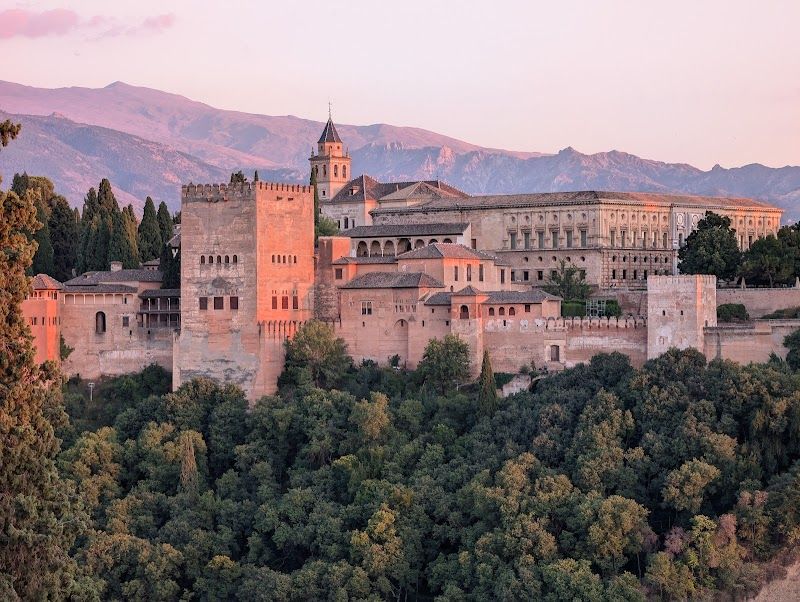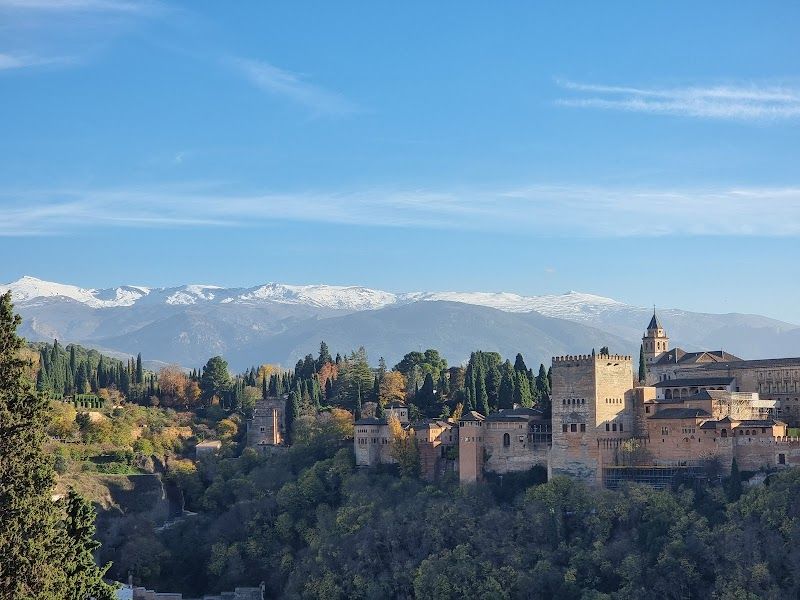
Granada is the city where the Alhambra sits on a hill above the old town and the Sierra Nevada sits behind it with snow on the peaks, and the combination of Islamic palace, Baroque cathedral, and mountain backdrop is so improbable that it takes a day to believe you are actually standing there. This Granada travel guide cuts through the tourist fluff to give you the practical information you need to make the most of your visit.
The brutal truth about Granada: most people come for the Alhambra and leave thinking they've seen the city. They haven't. Granada rewards travelers who dig deeper into its neighborhoods, embrace its free tapas culture, and understand that this is a city built on layers - Islamic, Jewish, Christian, and Roma - each visible if you know where to look.
Getting Your Alhambra Tickets: The Non-Negotiable First Step
Before you book flights or hotels, book your Alhambra palace tickets. The Alhambra General Ticket costs EUR 19.09 and includes the Nasrid Palaces, Generalife Gardens, and Alcazaba fortress. Tickets sell out 2-3 months in advance during peak season (April-October), and there's no walking up and buying them at the gate.
Book through the official website only - third-party sellers charge EUR 40-60 for the same ticket. Your ticket comes with a specific time slot for the Nasrid Palaces (30-minute window, strictly enforced), but you can visit the other areas anytime during your chosen day.
If Alhambra tickets are sold out, you have three options: buy a Generalife Gardens only ticket for EUR 10.61 (still beautiful, but you'll miss the main event), try for last-minute cancellations the day before your visit, or extend your trip by a day when tickets are available.
Granada's Essential Neighborhoods: Where to Base Yourself
Granada's neighborhoods each serve different purposes, and understanding this shapes where you should stay and eat.
Albaicin: The Moorish Quarter That Actually Delivers
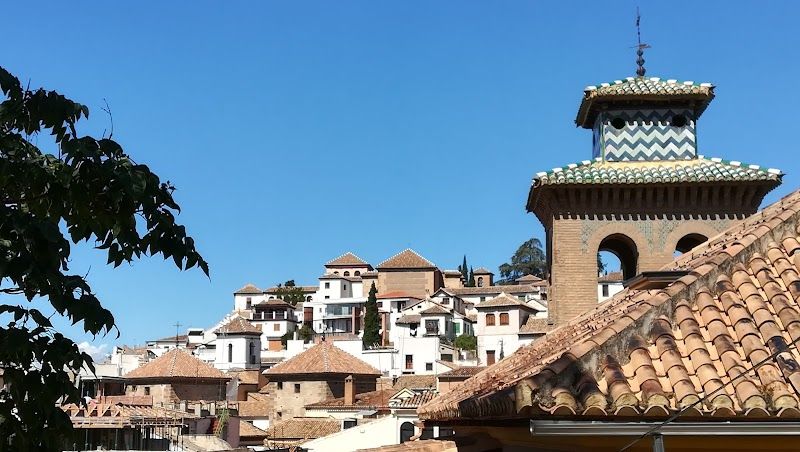
The Albaicin is Granada's former Moorish quarter and a UNESCO World Heritage Site. Unlike many "historic quarters" in Spanish cities, the Albaicin still feels lived-in rather than museumified. The narrow cobblestone streets climb steeply up the hill opposite the Alhambra, lined with white houses behind wooden doors that hide internal courtyards called carmenes.
Stay here if you want atmosphere over convenience - the streets are too narrow for cars, so you'll be walking everywhere on steep slopes. The Mirador de San Nicolás offers the postcard view of the Alhambra with the Sierra Nevada behind it, best at sunset when the light turns the palace walls golden.
The Albaicin also contains Granada's best preserved Arab baths, the Bañuelo, dating from the 11th century. Entry costs EUR 5 and takes 20 minutes - worth it for the horseshoe arches and original star-shaped ceiling openings.
Centro: Where Granada Actually Happens
The Centro is flat Granada between the hills, centered around the cathedral and running south to the Realejo (former Jewish quarter). This is where locals live, work, and eat, making it the best neighborhood for experiencing Granada's famous free tapas culture.
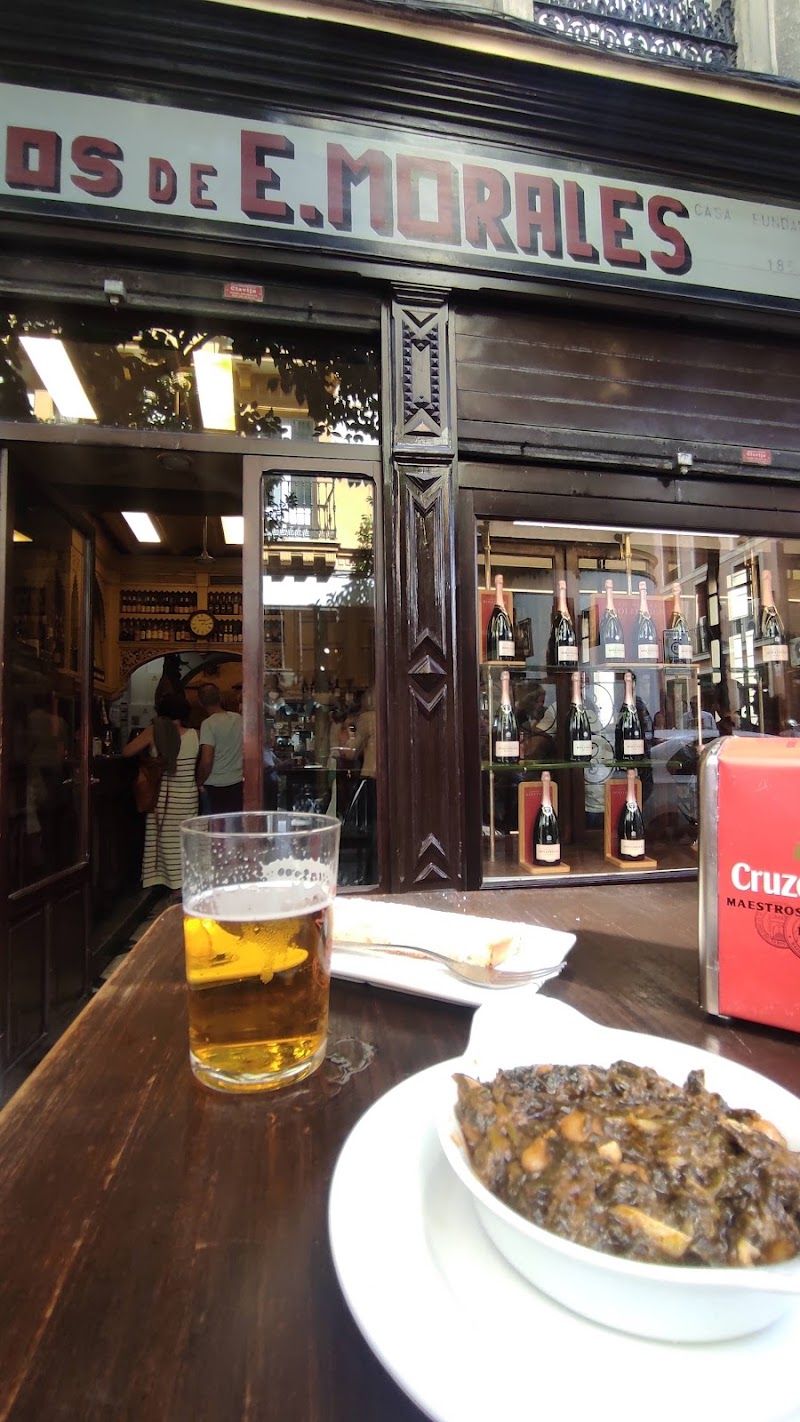
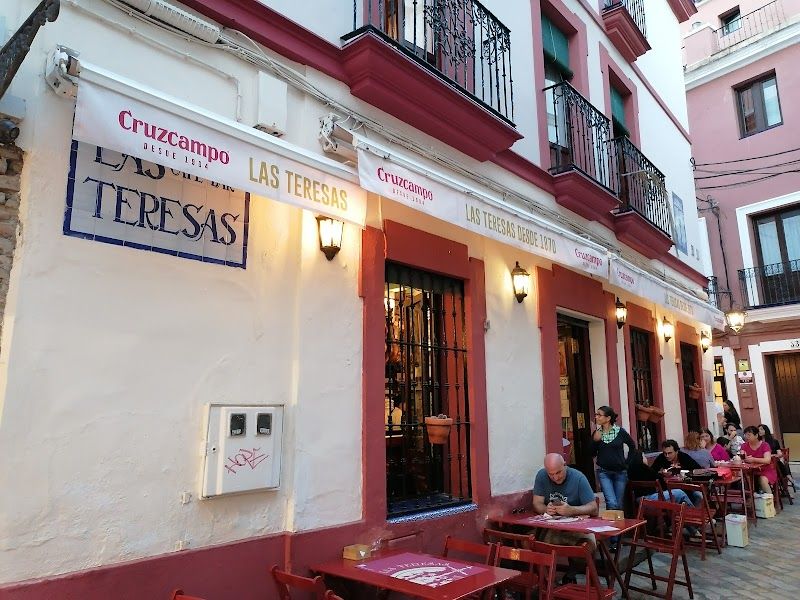
Granada remains the last major Spanish city where tapas are genuinely free - order a beer (EUR 2-3.5) or wine (EUR 2.5-4) and the bartender brings a small plate of food automatically. The quality ranges from olives and cheese to elaborate mini-dishes that constitute a full meal if you bar-hop strategically.
Key tapas streets in Centro include Calle Elvira (student-heavy, cheap drinks), Calle Navas (more upscale, better food), and Plaza del Carmen (local crowd). The free tapas bar hopping experience works best between 8-10pm when locals eat dinner.
Sacromonte: The Cave Neighborhood
Sacromonte climbs the hill above the Albaicin in a series of white caves carved into the rock. This is Granada's Roma neighborhood, famous for flamenco but also home to a community that has lived here for 500 years.
The flamenco shows in Sacromonte caves cost EUR 25-45 including a drink, but choose carefully - some venues cater entirely to tour groups and lack authenticity. The Museo Cuevas del Sacromonte explains how families lived in these caves until the 1960s and why they chose this seemingly inhospitable location (it's warmer in winter, cooler in summer than regular houses).
Granada Spain Guide: Getting Around the City
Granada's layout confused urban planners - the historic center sits in a valley between two hills (Albaicin and Alhambra), making logical navigation impossible. Embrace getting lost rather than fighting it.
City buses cost EUR 1.4 per ride or EUR 9.3 for a 10-trip card. The most useful lines are C1 (connects the city center to the Alhambra), C2 (city center to Albaicin), and the LAC lines that circle the city center.
Walking remains the best way to understand Granada's geography. The Paseo de los Tristes (free to walk) follows the river between the Albaicin and Alhambra hills - start here to orient yourself before exploring the neighborhoods above.
Parking in the center costs EUR 1.5-2.2 per hour in blue zones, but many streets in the Albaicin and Sacromonte are too narrow for cars anyway. The airport bus (Line SN1) costs EUR 3 and takes 45 minutes to reach the city center, while taxis charge EUR 25-35.
Essential Granada Tourist Information: What to See Beyond the Alhambra
Granada Cathedral and Royal Chapel: Spain's Power Politics in Stone
The Granada Cathedral and Royal Chapel cost EUR 7 for a combined ticket and tell the story of Christian Spain's triumph over Islamic Al-Andalus. The Royal Chapel contains the tombs of Isabella and Ferdinand, the Catholic Monarchs who completed the Reconquest by capturing Granada in 1492.
The cathedral, built on the site of Granada's main mosque, represents Renaissance ideals imposed on Islamic space. The result feels awkward but historically significant - this is where Spain's imperial identity was forged.
Free Attractions That Prove Granada's Value
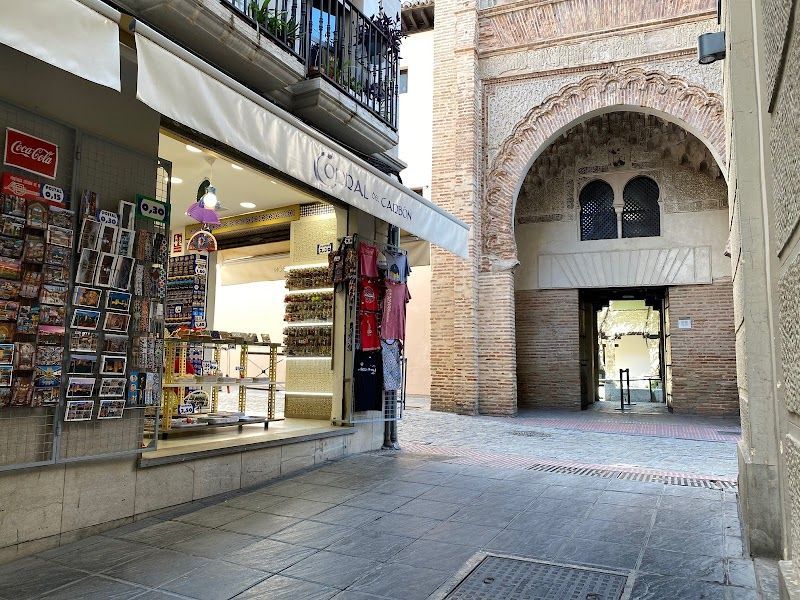
Granada offers exceptional free attractions that most cities would charge for. The Carmen de los Mártires gardens provide Alhambra views without crowds, the Albaicin neighborhood walk reveals Islamic urban planning principles still in use, and the Alcaicería (historic silk market) maintains its medieval layout.
The Mirador de San Nicolás offers the classic Alhambra view for free, though it gets crowded at sunset. For a similar view with fewer people, climb 10 minutes higher to Mirador de la Lona.
Granada Vacation Guide: Where to Eat and Drink
Granada's food culture divides into two categories: traditional Andalusian cuisine and North African influences from the city's Moroccan community.
The Free Tapas Circuit
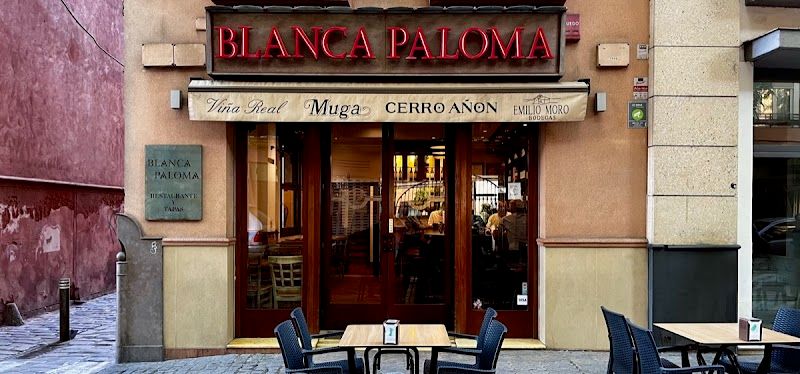
Start your Granada food education with the free tapas circuit. Bodegas Castañeda serves excellent jamón ibérico and local cheeses with each drink - order wine to get better tapas than beer. Bar Casa Julio offers hot tapas (tortilla española, croquetas) that constitute a full meal.
La Tana attracts a local crowd with creative tapas and an extensive wine list. The key to the free tapas system: order drinks individually rather than rounds, and the tapas improve as the night progresses.
Sit-Down Restaurants Worth the Cost
Restaurante Jardines de Zoraya in the Albaicin serves refined Andalusian cuisine with Alhambra views from its terrace. Expect to pay EUR 50-80 for upscale dinner with wine, but the setting justifies the cost.
For Moroccan influences, head to Calle Elvira where several restaurants serve North African dishes adapted to Spanish tastes. A mid-range dinner costs EUR 25-40 and provides a break from endless jamón and cheese.
Granada Trip Planning: When to Visit and How Long to Stay
Timing Your Visit
Granada works year-round, but each season offers different advantages. Spring (April-May) and fall (September-October) provide ideal weather and reasonable crowds, though Alhambra tickets are hardest to get. Summer (June-August) brings intense heat but longer daylight hours for evening neighborhood walks. Winter (December-February) offers the possibility of snow on the Sierra Nevada mountains behind the Alhambra - a spectacular backdrop that few visitors see.
Avoid Granada during Semana Santa (Holy Week) unless you specifically want to see the religious processions. The city fills with domestic tourists, prices rise, and many restaurants close.
How Many Days You Actually Need
Most visitors allocate one day for Granada, seeing only the Alhambra before rushing to their next destination. This misses the point entirely. Granada rewards slow exploration - two full days minimum, three if you want to understand the city beyond its famous palace.
Day one: Alhambra in the morning (book the earliest time slot to avoid crowds), Granada Cathedral and Royal Chapel in the afternoon, tapas crawl in Centro at night.
Day two: Albaicin neighborhood walk in the morning, free museums and gardens in the afternoon, Sacromonte exploration and flamenco show at night.
Day three (if you have it): Day trip to the Sierra Nevada mountains or deeper exploration of Granada's lesser-known museums and gardens.
Our comprehensive 2-3 days in Granada itinerary provides detailed daily schedules for different travel styles.
Practical Granada Travel Tips
Money and Budgeting
Granada offers exceptional value compared to other major Spanish tourist cities. A budget lunch menu del día costs EUR 12-18 including starter, main course, dessert, and drink. Coffee costs EUR 1.2-2.5 and often includes a small tapa.
Budget accommodation ranges from EUR 18-35 for hostel dorms to EUR 45-80 for budget hotels. Mid-range hotels cost EUR 85-150, while luxury options reach EUR 200-500 per night.
The free tapas culture means you can eat well for the cost of drinks - budget EUR 15-20 per person for a full evening of bar-hopping that includes substantial food.
Transportation from Other Spanish Cities
Granada connects to major Spanish cities by bus rather than train. ALSA buses run direct services from Madrid (4.5 hours), Seville (3 hours), and Barcelona (12 hours overnight). The bus station sits 3km northwest of the city center with regular bus connections.
Granada-Jaén Airport serves mainly domestic flights and some European destinations. Most international visitors fly into Malaga (1.5 hours by bus) or Madrid (4.5 hours) and continue overland.
What to Pack
Granada's elevation (738 meters) makes it cooler than coastal Andalusia - pack layers even in summer. The Albaicin and Sacromonte require comfortable walking shoes for steep, uneven cobblestones. Bring a day pack for the Alhambra visit (large bags aren't allowed in the Nasrid Palaces).
The city's Islamic heritage means modest dress is appreciated at religious sites, though this isn't strictly enforced. A hat and sunscreen are essential year-round due to the high altitude and strong sun reflection off white buildings.
Final Verdict: Is Granada Worth Your Time?
Granada earns its reputation as one of Spain's essential destinations, but only if you approach it correctly. Treat it as a one-day Alhambra stop and you'll leave disappointed - the palace, while magnificent, can't carry an entire city experience alone.
Stay at least two nights, embrace the free tapas culture, explore the neighborhoods on foot, and Granada reveals why Spanish writers have called it "the most beautiful sadness in the world." The combination of Islamic sophistication, Christian triumph, and mountain drama creates an atmosphere unmatched anywhere else in Europe.
The city works best for travelers who enjoy walking, appreciate layered history, and understand that the best experiences often happen in the margins rather than the headline attractions. If you prefer beaches, nightlife, or modern conveniences, choose coastal Andalusia instead.
But if you want to understand how Islamic and Christian Spain created something entirely new from their collision, Granada remains the place where that story is written in stone, carved in plaster, and served free with every glass of wine.
For more specific guidance on your first visit, check our detailed first-time Granada guide, and our comprehensive Granada food and tapas guide to make the most of the city's legendary free tapas culture.