Lyon food specialties represent the most concentrated expression of French regional cooking you'll find anywhere. This isn't Paris restaurant theater or Provence's market-driven simplicity. Lyon's cuisine developed from centuries of silk merchants demanding hearty, sophisticated meals and mothers (les mères lyonnaises) who turned cheap cuts into legendary dishes. The result is a canon of lyon traditional food that has influenced French cooking far beyond the city's borders.
The city's culinary reputation rests on precision, not pretension. A proper quenelle de brochet requires three days of preparation. Saucisson de Lyon follows recipes that predate the Revolution. Even the simplest salade lyonnaise involves technique most French regions never mastered. Understanding what to order means understanding how Lyon's location at the confluence of two rivers created a cuisine unlike anywhere else in France.
Essential Lyon Food Specialties at Traditional Bouchons
Bouchons are Lyon's most distinctive restaurant type, and ordering at one requires specific knowledge. These traditional bistros serve lyon cuisine guide classics that often confuse first-time visitors. The key is knowing which dishes represent authentic local cooking versus tourist-friendly adaptations.
Quenelles: Lyon's Signature Pike Dumpling
Quenelles de brochet are Lyon's most technically demanding dish and the one that separates authentic bouchons from pretenders. These are not simple dumplings. Proper quenelles require pike (brochet) fish that's been minced, mixed with choux pastry, formed by hand, and poached in fish stock before being covered in Nantua sauce (crayfish cream sauce). The texture should be light enough to cut with a fork but substantial enough to justify the EUR 18-28 price tag at most bouchons.
At Café Comptoir Abel on rue Guynemer, they prepare quenelles the way Paul Bocuse learned as an apprentice. The pike comes from Dombes ponds north of Lyon, and they make the sauce with Rhône Valley crayfish. Lesser bouchons use frozen quenelles or substitute cream sauce, which produces a heavier, less delicate result.
Tablier de Sapeur: The Ultimate Test Dish
Tablier de sapeur (literally "fireman's apron") is breaded and grilled beef tripe that looks like leather firefighting equipment. This is lyon local dishes at its most authentic and divisive. The tripe is marinated in white wine, coated in breadcrumbs, and grilled until crispy outside while remaining tender inside. Proper preparation takes two days.
Order this dish to gauge a bouchon's authenticity. Tourist-oriented restaurants rarely serve it because foreign visitors typically refuse to eat tripe. Locals eat it with mustard sauce and consider it comfort food. Daniel et Denise Créqui serves an excellent version for EUR 22, alongside their famous saucisson chaud.
Saucisson Chaud: Lyon's Morning Sausage
Saucisson chaud aux pommes à l'huile is boiled Lyon sausage served warm with oil-dressed potatoes. This sounds simple but requires specific technique. The sausage must be cervelas de Lyon (a cooked pork sausage specific to the region), poached gently to avoid bursting, and served immediately. The potatoes are dressed with walnut oil from nearby Dauphiné while still warm.
At Chez Paul on rue Major-Martin, they serve this for EUR 16 as part of their prix fixe menu. The sausage comes from Charcuterie Sibilia, which has supplied Lyon bouchons since 1958. This dish appears on menus as early as 10 AM because Lyon silk workers ate it for breakfast during their pre-dawn shifts.
What to Eat in Lyon's Food Markets
Lyon's food markets reveal ingredients that create the city's distinctive cuisine. Halles de Lyon Paul Bocuse on Cours Lafayette functions as both tourist destination and working market where local chefs shop for restaurant supplies.
Saint-Marcellin and Regional Cheeses
Saint-Marcellin cheese from the Dauphiné region defines Lyon's cheese culture more than any Burgundian or Alpine variety. Proper Saint-Marcellin arrives firm and ages at the market until it becomes liquid inside its rind. At the Halles, Mère Richard cheese counter sells Saint-Marcellin at perfect ripeness for EUR 8-15 per piece, depending on size and aging.
The cheese should be so ripe it runs when cut, requiring a spoon to eat properly. This terrifies tourists but represents the pinnacle of French cheesemaking to locals. You'll find similar preparation at Laurent Dubois cheese shop on rue du Président Carnot in Presqu'île, where they explain the aging process and offer tastings.
Lyon Sausages and Charcuterie
Cervelas de Lyon, Jesus de Lyon (dry sausage), and rosette de Lyon represent the city's charcuterie tradition that predates refrigeration. These aren't generic French sausages - each follows specific recipes protected by regional designation. At Charcuterie Sibilia inside the Halles, prices range from EUR 12-25 per kilogram depending on the sausage type.
Jesus de Lyon requires six weeks of air-drying in Lyon's specific climate. The humidity from two rivers and protection from Fourvière hill creates conditions that can't be replicated elsewhere. This explains why authentic Lyon sausages taste different from similar products made in other French regions.
Modern Lyon Cuisine: Beyond Traditional Bouchons
Lyon's contemporary restaurant scene builds on traditional techniques while incorporating modern presentations and international influences. This evolution respects classic lyon famous food while adapting to current dining preferences.
Neo-Bouchon Movement
Restaurants like Le Bouchon des Filles on rue Sergent Blandan represent the neo-bouchon movement that maintains traditional cooking techniques while updating presentations and ingredients. Their quenelles use the same three-day preparation method but incorporate seasonal vegetables and lighter sauces.
Their menu changes monthly but always includes at least three classic Lyon specialties alongside modern interpretations. A typical dinner costs EUR 35-45 for three courses, positioning neo-bouchons between traditional bouchons (EUR 18-28) and fine dining restaurants (EUR 50-85).
International Influences on Lyon Cooking
Lyon's silk trade history created early international connections that influenced local cuisine. North African spices, Italian pasta techniques, and Asian cooking methods appear in contemporary Lyon restaurants while maintaining French foundations.
Restaurants in Croix-Rousse, the former silk-weaving district, particularly embrace this fusion approach. The neighborhood's immigrant communities introduced techniques that local chefs have adapted to work with regional ingredients.
Lyon Restaurant Types: Where to Find Specific Dishes
Understanding Lyon's restaurant categories helps you locate specific dishes and avoid tourist traps. Each type serves particular portions of the local cuisine canon.
Traditional Bouchons: The Complete Experience
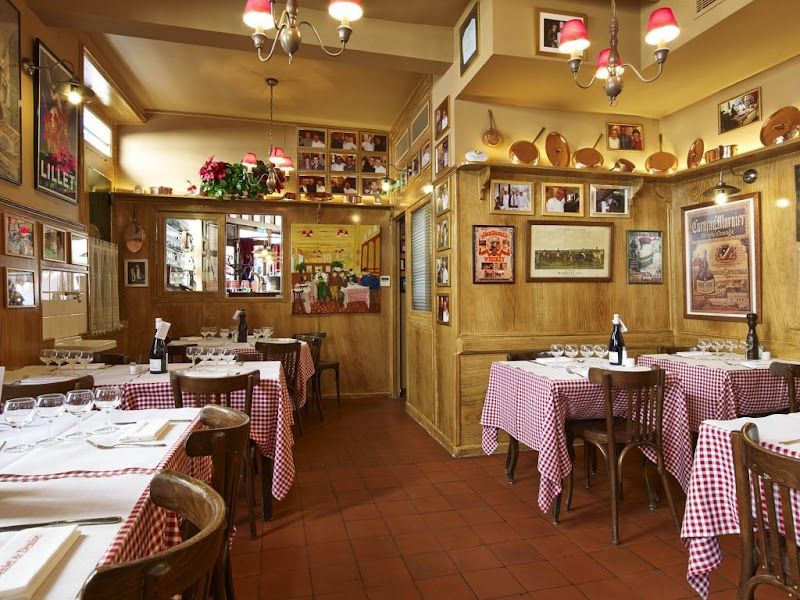
Certified bouchons (look for the official plaque by the door) serve the full range of Lyon specialties in settings that haven't changed significantly in decades. Checkered tablecloths, handwritten menus, and servers who assume you know what you're ordering characterize authentic bouchons.
Expect to spend EUR 18-28 for lunch and EUR 25-35 for dinner. Wine is typically Côtes du Rhône or Beaujolais served in traditional pot bottles. The atmosphere prioritizes food over ambiance, though many tourists find the no-nonsense approach refreshing after Paris restaurant formality.
Bistros and Brasseries: Casual Lyon Eating
Lyon bistros serve simplified versions of traditional dishes alongside standard French brasserie fare. While less authentic than certified bouchons, good bistros offer accessible introductions to local cuisine without intimidating presentations or unusual ingredients.
Prices range from EUR 12-18 for lunch menus and EUR 20-30 for dinner. Most serve quenelles, salade lyonnaise, and at least one saucisson option. The quality varies significantly, so choose bistros recommended by locals or with obvious local clientele.
Gastronomy Restaurants: Lyon's Fine Dining Legacy
Lyon's Michelin-starred restaurants elevate traditional techniques and ingredients to fine dining standards. These restaurants often require reservations weeks in advance and represent the evolution of Paul Bocuse's influence on French cooking.
Expect EUR 50-85 for tasting menus that reinterpret classic Lyon dishes using molecular gastronomy techniques, seasonal ingredients, and artistic presentations. While impressive, these restaurants serve Lyon-inspired cuisine rather than authentic local food.
Neighborhood Food Specialties and Where to Find Them
Each Lyon neighborhood developed distinct food cultures based on its historical population and economic activities. Understanding these differences helps you locate specific dishes and experiences.
Presqu'île: Commercial Dining Hub
Presqu'île contains Lyon's highest concentration of restaurants, from tourist-oriented brasseries near Place Bellecour to authentic bouchons on side streets. The neighborhood's commercial character means competitive pricing and diverse options.
Lunch menus typically cost EUR 12-18, making Presqu'île ideal for budget-conscious travelers wanting to sample Lyon cuisine. The area around Place des Terreaux offers particular variety, though quality varies significantly.
Vieux Lyon: Tourist-Focused Traditional Food
Vieux Lyon restaurants cater primarily to tourists visiting the UNESCO World Heritage site, which affects both pricing and authenticity. However, several excellent traditional restaurants operate alongside tourist traps.
Restaurants here charge EUR 20-35 for traditional Lyon menus, about 20% more than equivalent meals in other neighborhoods. The premium pays for historic settings and convenient locations near major attractions like Basilique Notre-Dame de Fourvière.
Croix-Rousse: Neighborhood Bistros
The former silk-weaving district maintains working-class dining traditions that emphasize hearty, affordable meals. Small bistros serve generous portions of traditional dishes at prices that reflect the neighborhood's artisan heritage.
This area offers the best value for authentic Lyon food, with complete meals available for EUR 15-22. The atmosphere feels more local and less performance-oriented than restaurants in tourist districts.
Lyon Food Markets and Street Food
Lyon's market culture provides access to ingredients and prepared foods that define local cuisine. Understanding market schedules and customs enhances both shopping and eating experiences.
Les Halles de Lyon Paul Bocuse: The Culinary Cathedral
The indoor food market at 102 Cours Lafayette operates Tuesday through Saturday, 7 AM to 7 PM, Sunday until 1 PM. This isn't just a tourist destination - local chefs shop here for restaurant ingredients, and food stalls serve meals throughout the day.
Budget EUR 8-15 for prepared foods from market stalls. Standout vendors include Maison Pignol for pâtés and terrines, Cellerier for oysters and seafood, and Giraudet for authentic quenelles. The market atmosphere provides education about Lyon ingredients unavailable elsewhere.
Outdoor Markets: Neighborhood Food Culture
Marché de la Croix-Rousse (Tuesday, Friday, Saturday mornings) and Marché Saint-Antoine (Monday, Wednesday, Friday, Saturday mornings) serve local neighborhoods rather than tourists. Prices are lower and selection focuses on daily cooking ingredients rather than gourmet specialties.
These markets offer insight into how locals actually eat versus restaurant presentations. Prepared food vendors serve sandwiches and simple hot dishes for EUR 6-12, providing authentic alternatives to restaurant meals.
Practical Guide to Ordering Lyon Specialties
Successfully ordering Lyon food requires understanding both menu terminology and local customs that differ from standard French restaurant practices.
Essential Menu Terms
Lyonnaise preparations indicate dishes prepared with onions, often caramelized or sautéed as a base for other ingredients. Salade lyonnaise combines frisée lettuce, lardons (bacon pieces), poached egg, and croutons with Dijon vinaigrette. This appears on virtually every Lyon menu and costs EUR 8-12 as a starter.
Mâchon refers to the traditional Lyon breakfast eaten by silk workers, now served as brunch featuring sausages, cheese, bread, and wine. Several restaurants offer mâchon menus on weekends for EUR 15-20, providing cultural context alongside food.
Wine Pairings with Lyon Dishes
Lyon cuisine pairs specifically with regional wines from Côtes du Rhône, Beaujolais, and Condrieu. These wines developed alongside local dishes and complement rich, sauce-heavy preparations better than Burgundy or Bordeaux alternatives.
Beaujolais Villages works with most bouchon dishes due to its light tannins and bright acidity that cuts through cream sauces and rich meats. Côtes du Rhône blanc pairs with quenelles and fish dishes. Most bouchons serve wine in traditional pot bottles (46cl) for EUR 12-18.
Seasonal Considerations
Lyon specialties vary by season due to ingredient availability and historical preservation methods. Winter menus emphasize preserved meats, aged cheeses, and cream-based sauces. Summer offerings include more vegetables and lighter preparations, though core dishes remain available year-round.
Plan visits between October and March for the fullest range of traditional preparations. This period coincides with truffle season, game availability, and optimal aging conditions for local cheeses.
Understanding Lyon food specialties requires appreciating the city's unique position in French culinary history. These aren't dishes you'll find elsewhere in France - they represent centuries of local innovation and technique refinement. Whether ordering at a traditional bouchon or exploring contemporary interpretations, focus on dishes that showcase Lyon's distinctive ingredients and preparation methods. The city's cuisine rewards adventurous eaters willing to try unfamiliar preparations and trust local expertise over tourist-friendly adaptations.