The question isn't which Nordic capital is prettiest-they all have their postcard moments. The question is which one matches your travel style, budget, and how much tourist nonsense you can tolerate. After spending significant time in all three, here's the honest breakdown of Oslo vs Stockholm vs Helsinki that travel guides won't tell you.
Oslo costs the most but delivers the most rewarding urban experience. Stockholm looks like a movie set but feels increasingly sanitized for tourism. Helsinki punches above its weight with genuine local culture and reasonable prices. Your choice depends on whether you prioritize Instagram moments, authentic experiences, or bang for your buck.
The Money Question: What Each City Actually Costs
Let's address the elephant in the room first. Oslo isn't just expensive-it's shocking until you adjust your expectations and spending patterns accordingly.
Oslo: Expensive But Worth Planning For
Oslo operates on a different pricing scale entirely. A beer at a bar costs NOK 90-140, which means you'll spend EUR 8-12 per drink. A mid-range dinner runs NOK 450-650 per person-that's EUR 40-60 before you add wine. Budget lunch options start at NOK 150-220 (EUR 14-20) even at food courts.
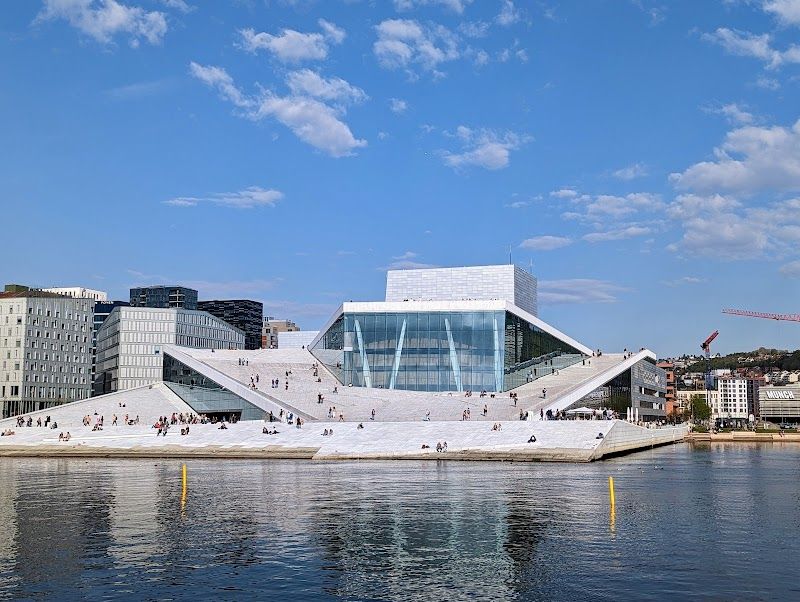
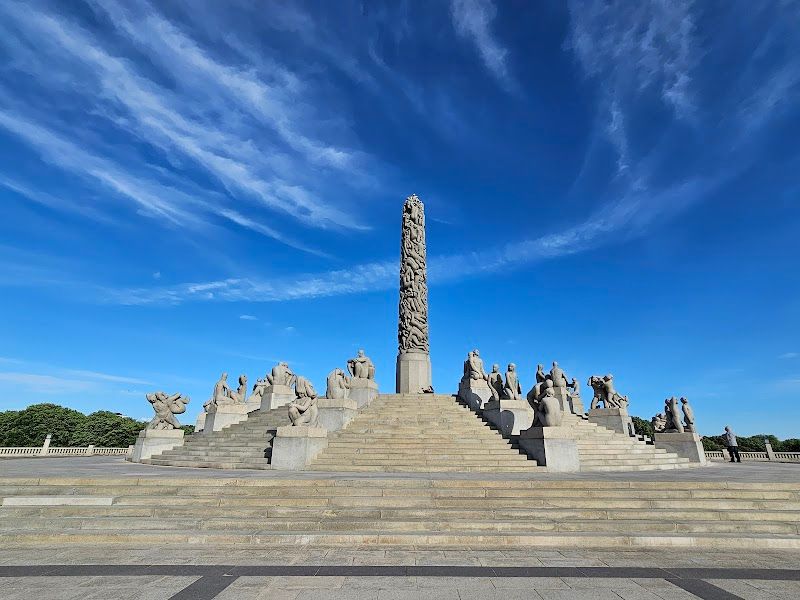
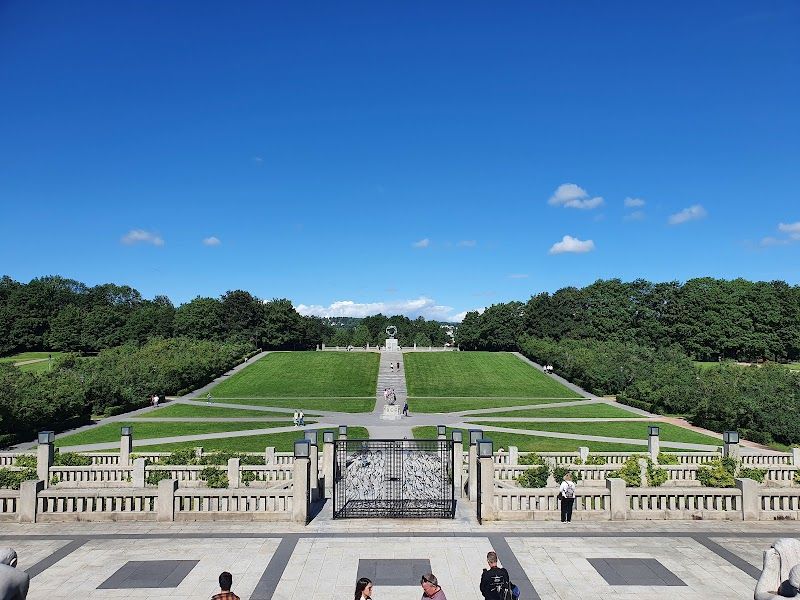
However, many of Oslo's best experiences cost nothing. The Oslo Opera House roof walk is free, Vigeland Sculpture Park never charges admission, and the waterfront promenade along Aker Brygge costs nothing but provides better people-watching than most museums.
The Oslo Pass at NOK 495 (EUR 45) for 24 hours makes economic sense if you plan to visit three or more paid attractions, since individual museum tickets run NOK 150-180 each.
Stockholm: Mid-Range with Tourist Tax
Stockholm sits in the middle price-wise, but tourist-focused areas like Gamla Stan inflate costs significantly. A beer in the Old Town costs SEK 80-120 (EUR 7-11), while the same drink in residential neighborhoods costs SEK 60-80.
Restaurant prices vary wildly by location. Tourist restaurants around the Royal Palace charge EUR 25-35 for mediocre lunch plates, while genuine local spots in Södermalm serve better food for EUR 15-20.
The Stockholm Pass costs SEK 769 (EUR 70) for 24 hours, which only makes sense if you visit multiple expensive attractions like the Vasa Museum (SEK 190) and Skansen (SEK 220).
Helsinki: The Budget-Friendly Surprise
Helsinki consistently costs 30-40% less than Stockholm for comparable experiences. A beer costs EUR 5-7 at regular bars, while restaurant meals rarely exceed EUR 20-25 for quality options. Even upscale dining stays reasonable by Nordic standards-expect EUR 35-45 for three courses at respected restaurants.
The Helsinki Card at EUR 39 for 24 hours covers public transport plus major attractions like the Design Museum and Market Square area tours.
Architecture and Urban Design: Where Each City Excels
Oslo: Modern Waterfront Transformation
Oslo underwent the most dramatic urban transformation of any Nordic capital over the past 15 years. The formerly industrial waterfront now showcases some of Europe's most successful urban planning. The angular white marble slopes of the Opera House merge seamlessly with the fjord, creating an amphitheater where locals gather with wine at sunset.
The Tjuvholmen district features Renzo Piano's Astrup Fearnley Museum alongside waterfront apartments that actually enhance rather than block public access to the shoreline. This isn't accidental-Norwegian law requires public waterfront access, resulting in continuous walking paths despite luxury development.
The new Munch Museum in Bjørvika rises 13 floors above the harbor, with viewing terraces that frame the city and fjord. Inside, multiple versions of The Scream hang alongside lesser-known works that reveal Munch's full artistic range.
Stockholm: Fairy Tale Setting with Modern Challenges
Stockholm's setting remains unmatched-14 islands connected by bridges, with medieval Gamla Stan rising from the water like something from a Hans Christian Andersen story. The Royal Palace and Parliament buildings create impressive silhouettes, especially when photographed from the water.
However, Stockholm's Old Town has become a victim of its own success. Västerlånggatan and surrounding streets now cater primarily to cruise ship passengers, with souvenir shops replacing local businesses. The authentic Stockholm experience happens in neighborhoods like Södermalm and Östermalm, away from the postcard views.
The newer districts like Hammarby Sjöstad showcase innovative sustainable development, but these areas feel more like showcases than lived-in neighborhoods.
Helsinki: Understated Nordic Modernism
Helsinki takes a quieter approach to urban design, with less dramatic topography but more coherent architectural vision. The Design District around Punavuori demonstrates how Finnish modernism creates livable rather than Instagram-worthy spaces.
Market Square functions as an actual marketplace where locals shop, not just a tourist photo opportunity. The surrounding Art Nouveau buildings house working businesses alongside cultural attractions.
Temppeliaukio Church, carved directly into bedrock, represents Helsinki's approach-impressive through innovation rather than scale or ornamentation.
Cultural Attractions: Quality vs Quantity
Oslo's Cultural Heavyweight Status
Oslo concentrates serious cultural institutions within walking distance of each other. The Munch Museum houses the world's largest collection of Edvard Munch's work, including four versions of The Scream plus paintings, prints, and stage designs that reveal his evolution beyond the famous anxiety-ridden images.
The National Museum combines Norway's former National Gallery and Museum of Decorative Arts into a comprehensive collection spanning medieval religious art through contemporary installations. The Viking Ship Museum, currently closed for renovation until 2026, will reopen with expanded exhibits explaining Norse exploration and daily life.
Vigeland Sculpture Park contains over 200 sculptures by Gustav Vigeland, creating the world's largest sculpture park by a single artist. The central Monolith, carved from a single block of granite, took 14 years to complete and depicts human figures in an eternal upward struggle.
Stockholm's Museum Concentration
Stockholm's Skansen combines outdoor museum with zoo, featuring traditional Swedish buildings relocated from across the country. While educational, the presentation feels somewhat sanitized compared to Norway's Folk Museum equivalents.
The Vasa Museum houses a 17th-century warship that sank on its maiden voyage, preserved by Baltic Sea conditions. The ship itself impresses, but the museum focuses heavily on Swedish naval power rather than broader maritime culture.
Moderna Museet showcases Nordic contemporary art alongside international pieces, though the collection lacks the depth of comparable museums in larger European capitals.
Helsinki's Design Focus
Helsinki leverages its design heritage more effectively than either Stockholm or Oslo. The Design Museum explains Finnish design philosophy through furniture, textiles, and everyday objects that influenced global modernist movements.
The Temppeliaukio Church demonstrates Finnish innovation-architects Timo and Tuomo Suomalainen carved the sanctuary directly into bedrock, with a copper dome supported by rock walls. The natural acoustics make concerts here genuinely memorable.
Ateneumin taidemuseo houses Finland's largest art collection, focusing on Finnish Golden Age painters alongside international works. The collection feels more curated and less encyclopedic than Stockholm's major museums.
Food Scenes: From Traditional to Contemporary
Oslo: Nordic Cuisine at Its Peak
Oslo's restaurant scene underwent dramatic evolution alongside its urban transformation. Mathallen Oslo functions as both food hall and cultural center, with vendors selling everything from reindeer sausages to Ethiopian injera bread.
Traditional Norwegian cuisine appears in refined forms at restaurants like Statholdergaarden, where historical recipes get contemporary presentations. Fish soup (fiskesuppe) at quality restaurants showcases Nordic ingredients-Arctic char, root vegetables, and dill-without pretension.
Coffee culture rivals Melbourne or Vienna in seriousness. Tim Wendelboe roasts beans on-site and serves espresso that justifies the NOK 35-55 price point. Fuglen combines coffee roasting with vintage furniture sales, creating uniquely Oslo hybrid businesses.
Maaemo represents Nordic fine dining at its most ambitious, with tasting menus that cost NOK 2000+ but demonstrate techniques and ingredients unavailable elsewhere.
Stockholm: Traditional with Tourist Traps
Stockholm's food scene splits dramatically between authentic local spots and tourist-focused restaurants. Gamla Stan restaurants charge premium prices for mediocre Swedish meatballs, while real Swedish cuisine happens in residential neighborhoods.
Smörgåsbord at traditional restaurants like Operakällaren provides genuine Swedish culinary experience, though expect to pay SEK 400-600 for quality versions. Herring preparations, gravlax, and aquavit pairings showcase Sweden's preservation traditions.
Östermalms Saluhall, Stockholm's historic food hall, underwent renovation that increased prices while decreasing authenticity. Many vendors now cater to tourists rather than local shoppers.
Helsinki: Unexpected Culinary Depth
Helsinki's restaurant scene surprises visitors accustomed to bland Nordic stereotypes. Karelian pies (karjalanpiirakka) sold at Market Square represent authentic Finnish comfort food-rice-filled pastries topped with egg butter.
Restaurants like Olo and Grön demonstrate contemporary Finnish cuisine without copying Danish or Swedish approaches. Local ingredients like cloudberries, reindeer, and Baltic herring appear in innovative preparations that respect traditional flavors.
Cafe culture focuses on substance over style. Kaffa Roastery serves coffee that competes with Oslo's best while charging Finnish rather than Norwegian prices.
Transportation and Getting Around
Each capital handles urban transportation differently, affecting your daily experience and budget.
Oslo: Efficient but Expensive
Oslo's public transport covers the city comprehensively through metro (T-bane), trams, and buses. A single ticket for zones 1-2 costs NOK 40 and covers most tourist attractions within the city center. The 24-hour unlimited pass at NOK 130 makes sense if you plan multiple trips per day.
The Flytoget airport express train costs NOK 230 but reaches Central Station in just 19 minutes. Regular trains cost NOK 130 and take 23 minutes-the time difference rarely justifies the price premium.
Walking remains the best option for central Oslo. The waterfront promenade connects major attractions from the Opera House through Aker Brygge to Tjuvholmen, providing better city views than any bus or tram route.
Stockholm: Comprehensive Coverage
Stockholm's public transport integrates buses, metro (Tunnelbana), trams, and ferries into a single system. The SL Access card costs SEK 25 plus credit for individual trips, with single journeys costing SEK 39.
Ferry connections between islands make transportation part of the sightseeing experience. The route from Gamla Stan to Djurgården provides harbor views while accessing multiple museums.
Arlanda Airport connects to central Stockholm via Arlanda Express (SEK 320, 20 minutes) or regular commuter trains (SEK 150, 40 minutes).
Helsinki: Simple and Affordable
Helsinki's compact size makes public transport less essential than in Stockholm or Oslo. Single tram or bus tickets cost EUR 3.20, while day passes cost EUR 9. Most attractions cluster within walking distance of Market Square and the Design District.
The airport bus (Finnair City Bus) costs EUR 6.80 and takes 30 minutes to reach the city center, making it the most affordable airport connection of the three capitals.
Seasonal Considerations: When Each City Shines
Summer: The Great Equalizer
All three capitals transform during Nordic summer, with outdoor dining, waterfront festivals, and extended daylight creating similar experiences. Oslo benefits most from summer weather-the fjord setting and outdoor sculpture parks reach their full potential when you can actually spend time outside without thermal underwear.
Stockholm's archipelago becomes accessible during summer, with ferry connections to over 50,000 islands and skerries. However, summer also brings peak cruise ship crowds to Gamla Stan.
Helsinki's Design District comes alive with outdoor markets and street festivals, while the Baltic Sea warming enough for swimming (barely) in August.
Winter: Character Differences Emerge
Winter reveals each capital's true personality. Oslo embraces winter sports culture-cross-country ski trails begin at city limits, and locals actually use them. The Holmenkollen Ski Jump overlooks the city, with ski slopes visible from downtown hotels.
Stockholm's winter darkness feels more oppressive due to the city's island geography, which creates wind tunnels and reduces sunlight exposure. However, Christmas markets in Gamla Stan provide authentic seasonal atmosphere.
Helsinki handles winter with Finnish stoicism-saunas become essential rather than optional, and design-focused cafes provide warm refuges from Baltic winds.
The Verdict: Choosing Your Nordic Capital
Choose Oslo If:
You want the most successfully designed modern city in Europe, don't mind paying premium prices for quality experiences, and appreciate art museums with collections. Oslo works best for travelers who plan carefully, book accommodations in advance, and focus on a few high-quality experiences rather than checking items off a list.
The city rewards visitors who explore beyond central attractions-take the metro to Holmenkollen for panoramic views, or ferry to Bygdøy peninsula for multiple museums in park settings. Our 2-3 day Oslo itinerary provides specific recommendations for maximizing your time and budget.
Choose Stockholm If:
You prioritize photogenic settings over authentic local culture, don't mind tourist-focused areas, and want the most recognizable Nordic capital experience. Stockholm works for travelers who enjoy guided tours, appreciate historical architecture, and want Instagram-worthy photos.
The city excels at presenting Swedish culture in accessible packages, even if those packages sometimes feel sanitized. Summer visits work best, when archipelago access and outdoor dining offset the tourist crowds.
Choose Helsinki If:
You want genuine Nordic culture without the tourist markup, appreciate good design in everyday contexts, and prefer discovering a city that doesn't appear on every European travel bucket list. Helsinki rewards curious travelers who enjoy wandering design districts, talking to locals in cafes, and experiencing Nordic culture that hasn't been packaged for tourism.
The city works year-round, with saunas providing winter relief and summer bringing genuine local festivals rather than tourist performances.
Oslo vs Stockholm vs Copenhagen: The Broader Context
While not the focus here, Copenhagen often enters Nordic capital discussions. It sits between Stockholm and Helsinki in terms of cost, with better restaurant scenes than Stockholm but higher prices than Helsinki. However, Copenhagen feels more Continental European than genuinely Nordic-useful context when making comparisons.
Oslo offers the most dramatic urban transformation and best integration of nature with city life. Stockholm provides the most recognizable Nordic tourist experience. Helsinki delivers the most authentic Nordic culture at reasonable prices.
Your choice depends on what you value most: Instagram moments, authentic experiences, or managed expectations about cost. For first-time Nordic visitors, Helsinki provides the best introduction to the region's culture and values without the sticker shock or tourist crowds that define Stockholm and Oslo respectively.
The honest answer for most travelers: if you can only visit one Nordic capital, choose based on your travel style rather than recommendations from people whose priorities don't match yours. All three cities offer quality experiences-they just deliver them in very different packages.