The Strasbourg vs Colmar debate splits Alsace travelers into two camps. Strasbourg advocates point to the Gothic cathedral, European Parliament, and year-round energy. Colmar supporters counter with fairy-tale architecture, intimate wine culture, and easier access to vineyards. Both cities serve the same tarte flambée and Gewürztraminer, but the experience differs dramatically.
After visiting both multiple times, here's the truth: Strasbourg works better for first-time Alsace visitors who want urban energy alongside traditional culture. Colmar suits travelers seeking concentrated charm and easy vineyard access. The choice depends on whether you prefer a full-sized city with layers of history or a compact town that looks like it escaped from a Brothers Grimm story.
Size and Scale: Big City vs Small Town Character
Strasbourg operates at European capital scale. The Grande Île historic center covers 5 square kilometers, surrounded by modern districts housing 280,000 people. You need the CTS tram system (EUR 1.8 per journey) to move efficiently between neighborhoods. The European Quarter sits 3 kilometers from Petite France, making day-long walking tours ambitious.
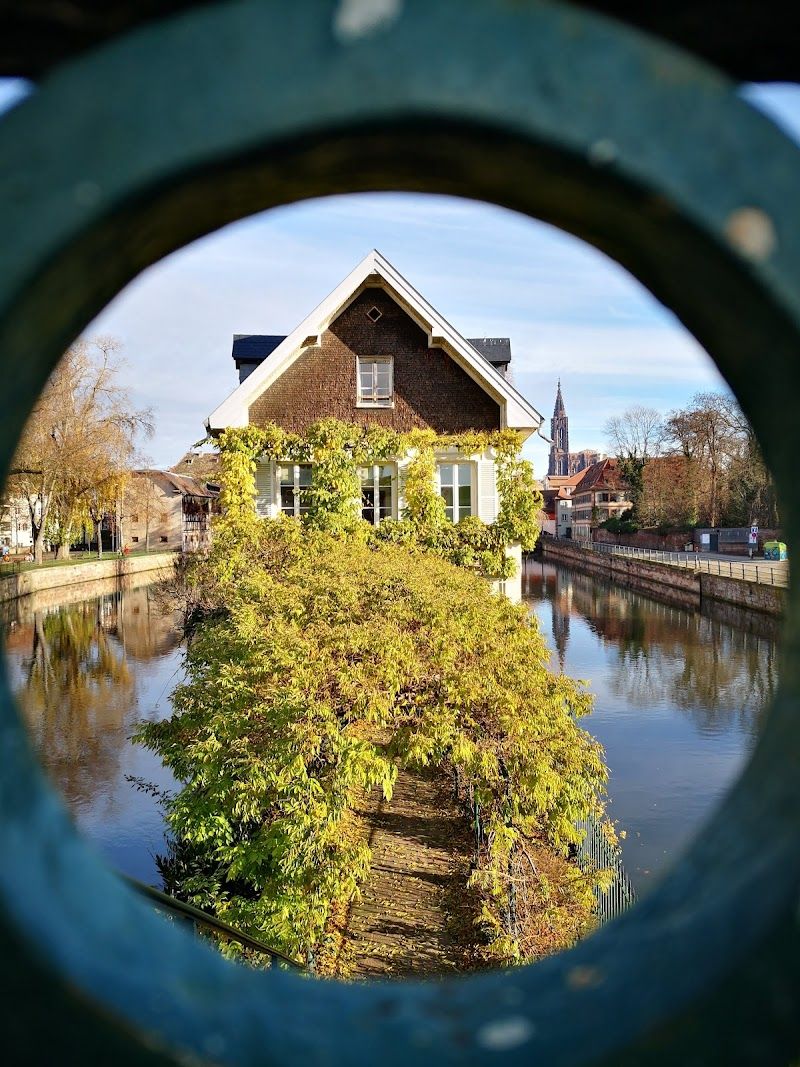
Colmar compresses everything into 2 square kilometers. The entire old town fits within a 15-minute walk radius from the central Place de l'Ancienne Douane. This 67,000-person city operates on foot-friendly scales where you stumble from the Unterlinden Museum to Little Venice to the covered market without planning routes or checking tram schedules.
The verdict: Strasbourg rewards longer stays (3-4 days minimum) while Colmar delivers maximum impact in 1-2 days. First-time Alsace visitors often underestimate Strasbourg's size and rush through neighborhoods that deserve individual attention.
Architecture and Atmosphere: Gothic Drama vs Timber-Frame Fantasy
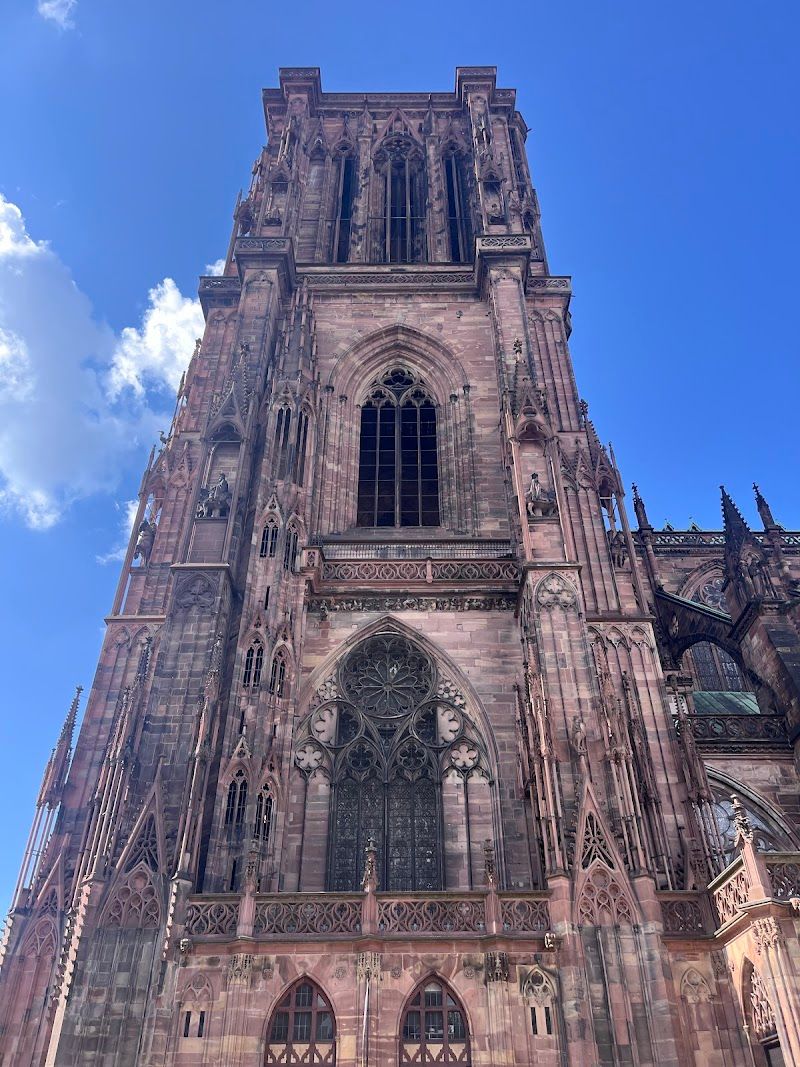
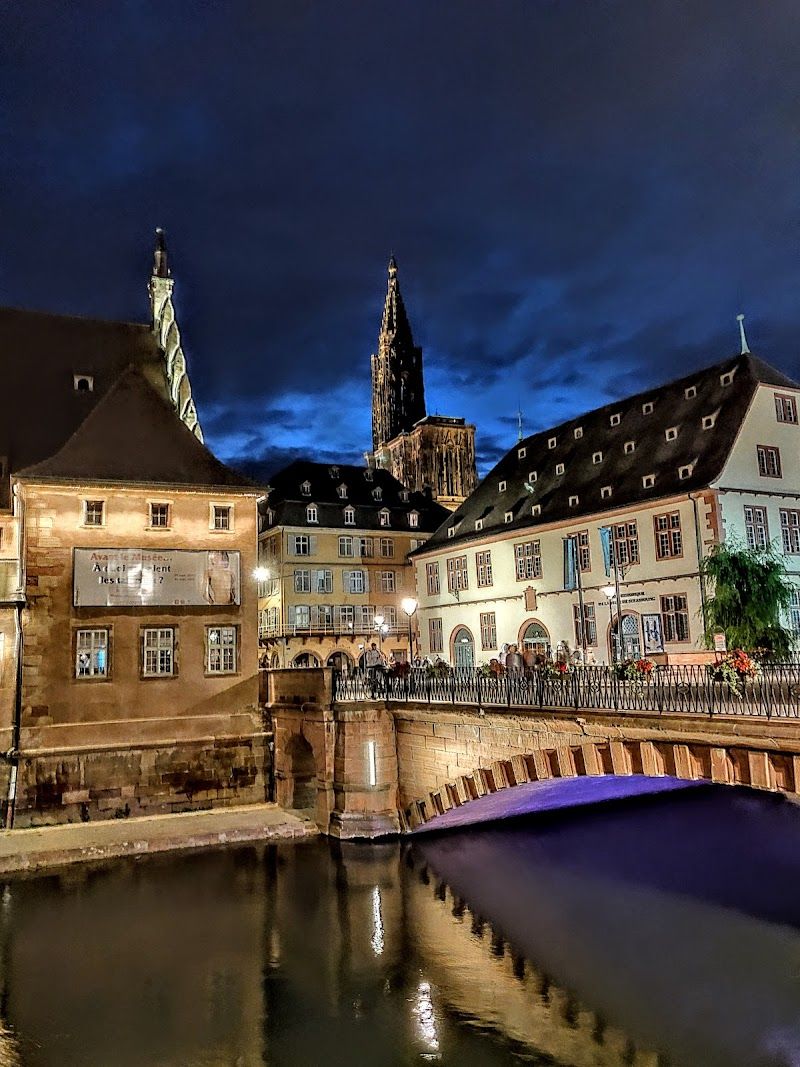
The Strasbourg Cathedral dominates skylines for kilometers. This Gothic masterpiece took 300 years to build, resulting in architectural layers from Romanesque foundations to elaborate 15th-century spire work. The astronomical clock performs daily at 12:30 PM, drawing crowds who fill the nave to witness mechanical apostles parade past Christ. Climbing the 330 steps to the platform (EUR 8) provides Rhine Plain views stretching to the Black Forest.
Colmar's architecture operates on human scale. The Pfister House (1537) showcases Alsatian timber-framing at its most elaborate, with painted wooden galleries and corner turret. Little Venice (Petite Venise) lines canals with pastel-painted houses that reflect in still water. The Unterlinden Museum occupies a 13th-century Dominican convent, housing Matthias Grünewald's Isenheim Altarpiece in Gothic halls that complement the masterpiece.
Street atmosphere differs substantially. Strasbourg's Place Kléber bustles with shoppers, students, and office workers throughout the day. Evening brings restaurant crowds and bar hoppers who keep neighborhoods active until midnight. Colmar's squares empty by 9 PM except during peak summer and Christmas market seasons, creating peaceful evening strolls but limiting nightlife options.
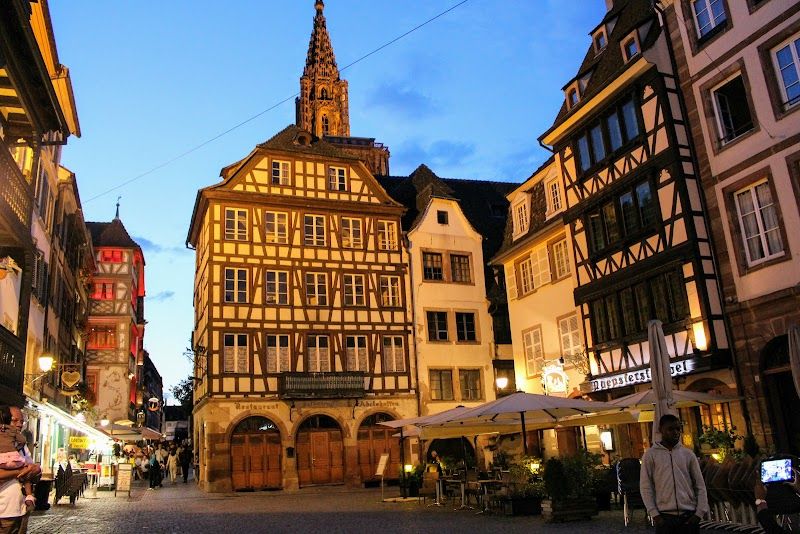
The architectural comparison: Strasbourg offers monument-scale Gothic architecture mixed with Belle Époque boulevards and modern European institutions. Colmar concentrates Alsatian timber-frame architecture in Instagram-ready concentrations without urban distractions.
Food Scene: Traditional Winstubs vs Tourist-Focused Restaurants
Both cities serve identical Alsatian specialties, but restaurant culture varies significantly. Strasbourg's winstub tradition remains alive in neighborhood establishments where locals gather for choucroute garnie (EUR 16-22) and local Riesling (EUR 4-8 per glass). Chez Yvonne maintains authentic atmosphere with communal tables and wine served in traditional ribbed glasses. Le Clou occupies a 16th-century building where tarte flambée (EUR 8-14) arrives paper-thin and properly charred.
Colmar's restaurant scene caters heavily to day-trippers and tourists. Many establishments along Rue des Marchands offer "Alsatian specialties" with English menus and tourist-friendly service. Authentic winstubs exist but require seeking beyond the most photographed streets. Prices run 10-15% higher than Strasbourg equivalents due to concentrated tourism demand.
The dining verdict: Strasbourg provides better value and more authentic local dining culture. Colmar offers convenience and tourist-friendly service but at premium prices with less local atmosphere.
Museums and Cultural Sites: Major Collections vs Focused Exhibits
Strasbourg operates 11 municipal museums covered by a EUR 12 annual pass that pays for itself after visiting two sites. The Musée d'Art Moderne et Contemporain (EUR 7) houses significant 19th and 20th-century collections in a purpose-built contemporary building. Palais Rohan (EUR 6.5) combines three museums showcasing fine arts, decorative arts, and archaeology in former episcopal palace rooms.
Colmar concentrates cultural offerings in the Unterlinden Museum (approximately EUR 13), which alone justifies the city visit. Grünewald's Isenheim Altarpiece ranks among European art's greatest religious works, displayed in a medieval setting that enhances the mystical impact. The museum also houses significant Alsatian folk art and medieval sculpture collections.
Museum comparison: Strasbourg offers breadth across multiple specialized collections. Colmar provides one museum experience that overshadows everything else in the city.
Christmas Markets: European Capital vs Fairy-Tale Setting
The Strasbourg vs Colmar Christmas market debate generates passionate arguments. Strasbourg's Christkindelsmärik claims status as France's oldest Christmas market (dating to 1570) and spreads across 11 separate squares throughout the historic center. The main market at Place Broglie features 300 vendors selling everything from handmade ornaments to vin chaud (mulled wine, approximately EUR 3-4). Crowds peak on weekends when visitor numbers approach theme park levels.
Colmar's Christmas markets occupy five squares in the compact old town, creating concentrated atmosphere without Strasbourg's overwhelming scale. The Little Venice market provides the most photogenic setting with half-timbered houses reflecting in canal waters. Crowds remain manageable even on peak December weekends, allowing leisurely browsing without elbow-to-elbow navigation.
Christmas market verdict: Strasbourg delivers scale and tradition with overwhelming weekend crowds. Colmar offers intimate fairy-tale atmosphere with easier logistics and better photo opportunities.
Practical Considerations: Transportation and Logistics
Strasbourg connects to major European cities via TGV high-speed rail, with Paris reachable in 1 hour 45 minutes and Frankfurt in 2 hours 30 minutes. The airport handles international flights but remains secondary to nearby alternatives. Local transportation relies on efficient tram and bus networks (EUR 4.6 for 24-hour unlimited travel).
Colmar sits on regional rail lines requiring connections through Strasbourg or Mulhouse for long-distance travel. The train journey from Paris takes 2 hours 20 minutes with one connection. No commercial airport serves the city, though EuroAirport Basel-Mulhouse-Freiburg sits 45 minutes away by car. The compact city center makes walking the primary transportation method.
Transportation verdict: Strasbourg works better for travelers arriving by international transport or planning multi-city European itineraries. Colmar suits regional exploration and road trip itineraries through Alsace wine country.
Wine and Vineyard Access: Urban Wine Culture vs Countryside Immersion
Both cities provide access to Alsace wine region, but approaches differ substantially. Strasbourg wine bars and winstubs showcase local vintages in urban settings where you compare Rieslings from different producers while eating traditional food. The city serves as base for organized wine tours heading to Route des Vins villages 30-45 minutes away.
Colmar sits directly within wine country, surrounded by vineyard villages reachable by bicycle or short drives. Riquewihr, Kaysersberg, and Eguisheim all lie within 15 kilometers, making independent vineyard visits practical without tour companies. Many Colmar hotels provide bicycle rentals for vineyard exploration.
Wine access comparison: Strasbourg offers curated wine experiences in urban comfort. Colmar provides direct vineyard access for independent exploration and countryside immersion.
Budget Breakdown: Costs and Value Comparison
| Category | Strasbourg | Colmar |
|---|---|---|
| Budget hotel double room | EUR 65-90 | EUR 75-100 |
| Mid-range hotel double room | EUR 110-180 | EUR 130-200 |
| Lunch set menu | EUR 12-18 | EUR 15-22 |
| Dinner with wine | EUR 25-40 | EUR 30-45 |
| Museum admission | EUR 6.5-7 | EUR 10-15 |
| Daily transportation | EUR 4.6 (unlimited) | EUR 0 (walkable) |
| Coffee | EUR 2.5-4 | EUR 3-5 |
Strasbourg provides better value for accommodation and dining, while Colmar eliminates transportation costs through walkable scale. Tourism concentration inflates Colmar prices across most categories.
Seasonal Considerations: When Each City Works Best
Strasbourg maintains consistent energy year-round thanks to university students, European Parliament sessions, and business activity. Spring and fall offer pleasant weather for walking between neighborhoods, while winter brings Christmas market crowds and cozy winstub atmosphere. Summer heat makes Gothic cathedral visits more comfortable in morning hours.
Colmar depends heavily on seasonal tourism patterns. Christmas markets (late November through December) and summer vineyard season (May through September) bring peak crowds and higher prices. Winter months outside Christmas market period see many restaurants and attractions operate reduced hours or close entirely. Spring vineyard cycling works best from April through June.
Seasonal verdict: Strasbourg works consistently across all seasons. Colmar performs best during Christmas market season and summer vineyard period but offers limited appeal during off-season months.
The Final Decision: Choosing Between Strasbourg and Colmar
Choose Strasbourg if you want:
- First comprehensive introduction to Alsace culture and history
- Urban energy combined with traditional atmosphere
- Multiple days of diverse activities and neighborhoods
- Better restaurant value and authentic local dining
- Year-round travel flexibility
- Major transportation connections for longer European trips
Choose Colmar if you prefer:
- Concentrated fairy-tale architecture in walkable area
- Direct vineyard access for wine-focused trips
- Intimate Christmas market experience without overwhelming crowds
- Photography opportunities in picturesque settings
- Shorter 1-2 day visits with maximum visual impact
- Quiet evenings and peaceful atmosphere
Creating a Strasbourg Colmar Itinerary: Visiting Both Cities
Many travelers solve the Strasbourg or Colmar dilemma by visiting both cities during a 4-5 day Alsace trip. Base in Strasbourg for 3 nights, taking day trips to Colmar and wine villages. This approach provides urban amenities and transportation connections while allowing Colmar exploration without tourist accommodation premiums.
Sample combined itinerary:
- Day 1-2: Explore Strasbourg neighborhoods and major attractions
- Day 3: Day trip to Colmar and Little Venice
- Day 4: Wine village exploration from either city
- Day 5: Final Strasbourg discoveries or departure
Train connections between cities take 30 minutes (approximately EUR 8-12), making day trips practical for travelers staying in either location.
Beyond the Comparison: What Both Cities Share
Despite their differences, Strasbourg and Colmar share fundamental Alsatian character that makes both worthwhile destinations. Both serve the same regional wines from identical grape varieties grown on the same hillsides. Traditional architecture appears in both cities, though concentrated differently. The complex French-German cultural heritage shapes both urban and small-town experiences.
The real question isn't whether to visit Strasbourg vs Colmar, but which city aligns better with your travel style and available time. Urban explorers who appreciate layers of history and contemporary culture find more to discover in Strasbourg's varied neighborhoods. Travelers seeking concentrated beauty and wine country access prefer Colmar's focused offerings.
Both cities deliver authentic Alsatian experiences that differ from typical French destinations. The choice comes down to scale, duration, and personal preferences rather than objective superiority of either location. Consider your transportation needs, accommodation budget, and desired activity mix when making the final decision between these two compelling Alsatian cities.