Most travelers skip Amsterdam in winter, and they're making a mistake. The city that gets overrun with tourists from April through September reveals its true character once the temperatures drop. Amsterdam in winter things to do include exploring museums without crowds, settling into brown cafes that have been warming locals for centuries, and walking canal-lined streets that look like they were designed for December fog.
The reality: Amsterdam winter weather averages 3-7°C (37-45°F) from December through February. Yes, it's cold. No, it's not unbearable. Pack a decent coat and waterproof shoes, and you'll be fine. What you get in return is a city that feels like it belongs to the people who actually live there.
Why Amsterdam in Winter Is Worth Visiting
Amsterdam in winter transforms from a tourist destination into a lived-in city. The canal ring looks better under grey December skies than it does crowded with tour groups in July. Museum lines disappear. Restaurant reservations become possible. Hotel prices drop by 30-50% compared to peak season.
The weather works in your favor. Amsterdam winter temperature rarely drops below freezing for extended periods, so you're not dealing with brutal cold or dangerous ice conditions. Rain is common, but that's true year-round. The difference in winter is that everything indoors feels more welcoming because of the contrast.
December through February offers the best value. Mid-range hotels that cost EUR 250 per night in summer drop to EUR 150-180 in winter. Restaurants have tables available. Museum admission prices stay the same (the Rijksmuseum is still EUR 22.5), but you'll spend half as much time in line.
Amsterdam Winter Activities That Beat the Summer Crowds
Museums Without the Madness
The Rijksmuseum in January feels like a private viewing. You can stand in front of Rembrandt's "The Night Watch" for as long as you want without someone elbowing past for a selfie. The same goes for the Van Gogh Museum, where winter means you can actually read the wall text without being rushed along by crowds.
Museum timing in winter: Most major museums open at 9 AM and stay open until 5 or 6 PM. The Anne Frank House requires advance booking year-round, but winter slots are easier to secure.
Temperature-controlled advantages: Museums maintain consistent temperatures year-round, making them perfect winter refuges. Plan museum visits for the coldest parts of the day (usually morning), then spend afternoons in heated cafes.
Brown Cafes: Amsterdam's Original Winter Solution
Brown cafes (bruine kroegen) exist because Dutch winters require warm, dimly lit places to drink beer and complain about the weather. These aren't tourist attractions, they're necessities. Café 't Smalle in the Jordaan has been serving locals since 1786. The wood paneling, low ceilings, and persistent smell of cigarettes (even though smoking indoors has been banned for years) create exactly the atmosphere winter afternoons demand.
What to order: Local beer costs EUR 4-7, and the bartender will judge you if you order anything complicated. Heineken is fine, but try Grolsch or Amsterdam's local brew, Brouwerij 't IJ.
Café etiquette in winter: These places function as neighborhood living rooms. Claim a table and stay as long as you want. Order food if you're hungry (most serve simple dishes like bitterballen or cheese plates), but drinking is the primary activity.
Walking When It Actually Makes Sense
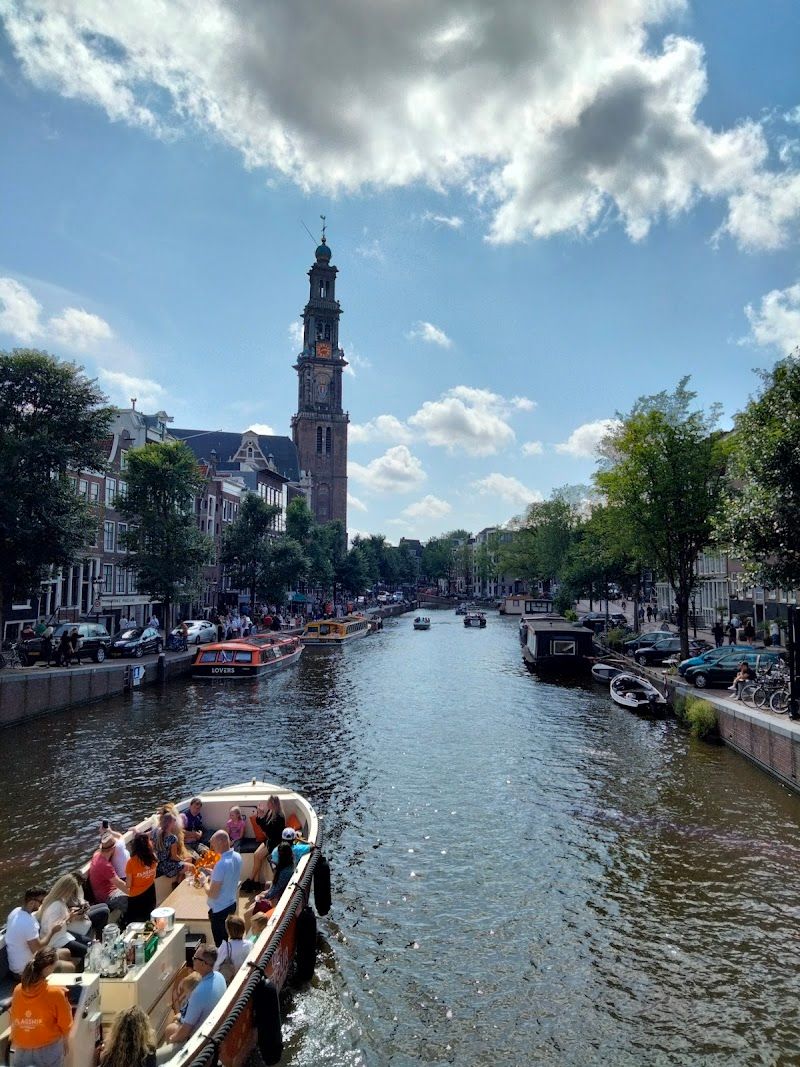
Amsterdam in December means the city belongs to people willing to bundle up and walk. The tourist bike rental shops reduce their hours, the canal cruise boats run half-empty, and you can actually cross bridges without navigating selfie photographers.
Best winter walking routes: Start at Dam Square and head west through the Jordaan. The narrow streets and tall buildings provide wind protection, and every few blocks offers a café for warming up. The route from Nieuwmarkt through the Plantage stays interesting even when the trees are bare.
Winter walking gear: Waterproof shoes are essential. Amsterdam's cobblestones become slippery when wet, and they're wet often between December and February. A good rain jacket works better than an umbrella, which becomes useless in the wind.
December in Amsterdam: Christmas Markets and Seasonal Attractions
Amsterdam in December combines Dutch practicality with just enough Christmas atmosphere to feel festive without becoming cloying. The city doesn't go overboard with decorations like some European capitals, which means the holiday spirit feels genuine rather than manufactured for tourists.
Christmas Markets That Don't Insult Your Intelligence
Nieuwmarkt Christmas Market runs from mid-December through early January. Unlike the tourist-heavy markets in Cologne or Vienna, this one primarily serves locals buying actual Christmas presents rather than overpriced souvenirs. Expect handmade crafts, local food vendors, and mulled wine that costs EUR 4-5 instead of EUR 8-10.
Museum Quarter Holiday Market operates weekends in December around the Concertgebouw. The focus stays on local artisans and food rather than mass-produced Christmas decorations. Quality is higher, prices are reasonable, and you won't feel like you're being marketed to.
Ice Skating: When It Happens, It's Magic
Amsterdam's canals freeze maybe once every five years, and when they do, the entire city transforms. Ice skating on the canals is legal only when the city declares the ice safe (usually requiring at least 10cm of thickness). This rarely happens, but when it does, it's the closest thing to magic you'll find in a major European city.
More reliable: the temporary ice rinks that pop up in December and January. Museumplein Ice Rink operates from late November through February, weather permitting. Admission costs around EUR 8-12 including skate rental.
January and February: The Real Amsterdam Winter
January and February represent Amsterdam winter at its most honest. The holidays are over, the tourists are gone, and what remains is a city designed for people who live there year-round. This is when Amsterdam winter activities reveal themselves as lifestyle choices rather than tourist attractions.
Restaurant Season: When You Can Actually Get Reservations
Winter is Amsterdam's restaurant season. Places like Moeders in the Jordaan, which require reservations weeks in advance during summer, often have same-day availability in January. The food doesn't change, but the atmosphere improves dramatically when restaurants aren't rushing to turn tables for the next wave of tourists.
De Pijp in winter: The neighborhood's restaurant scene works better when you can walk into places without planning ahead. Katsu serves the same excellent Indonesian food, but with tables available and servers who have time to explain the menu.
Budget advantage: Many restaurants offer winter set menus or special deals during their slow season. Three-course meals that cost EUR 40-50 in summer often drop to EUR 25-35 in January and February.
Cultural Amsterdam: Concerts, Theater, and Real Local Life
Amsterdam's cultural calendar runs year-round, but winter is when locals actually attend events rather than tourists checking items off lists. Concertgebouw and Stedelijk Museum programming in January and February focuses on what Amsterdam residents want to see rather than what travel guides recommend.
Jazz cafés in winter: Bimhuis in Amsterdam Noord becomes a legitimate destination when you're not competing with summer festival crowds. The programming stays consistent year-round, but the audience shifts from tourists to jazz enthusiasts.
Winter theater: English-language performances at venues like DeLaMar Theater and Stadsschouwburg increase in January and February, partly because international touring shows prefer the winter months for European runs.
Practical Winter Planning: What Actually Matters
Amsterdam Winter Weather: The Real Numbers
December averages: High 6°C (43°F), Low 2°C (36°F), 18 rainy days
January averages: High 5°C (41°F), Low 0°C (32°F), 17 rainy days
February averages: High 7°C (45°F), Low 0°C (32°F), 13 rainy days
Daylight hours: December offers about 7 hours of daylight, increasing to 10 hours by the end of February. The short days work in your favor for indoor activities like museums and cafés.
What to pack: Waterproof shoes, warm layers, and a jacket that handles both wind and rain. Skip the heavy winter coat unless you're coming from a tropical climate. Amsterdam winter rarely requires arctic gear.
Transportation in Winter
Public transportation runs normally year-round. GVB passes cost the same (EUR 8.5 for 1-day, EUR 36 for 7-day), but winter weather makes trams and buses more appealing than biking or walking long distances.
Bike rental in winter: Most tourists skip bikes between December and February, which is smart. Dedicated cyclists continue year-round, but casual riders will find Amsterdam's bike infrastructure less pleasant in cold, wet weather.
Walking vs. transport: Distances that feel reasonable in summer become less appealing in January rain. Plan routes that include indoor stopping points every 15-20 minutes.
Accommodation: Winter's Best Value
Winter hotel prices drop significantly, especially in January and February. Mid-range hotels that cost EUR 200-250 per night in summer often drop to EUR 120-160 in winter. Boutique hotels in neighborhoods like the Jordaan or Oud-West offer their best rates and availability during these months.
Heating considerations: Most Amsterdam hotels heat adequately, but older buildings in historic neighborhoods can feel chilly. Properties built after 1990 generally handle winter better than converted canal houses.
Winter Food and Drink: What Locals Actually Eat
Amsterdam winter food culture revolves around warm, filling dishes that make sense when it's 3°C and raining. This isn't tourist food, it's survival food that happens to taste excellent.
Dutch Winter Classics
Erwtensoep (split pea soup) appears on menus city-wide from November through March. The traditional version includes smoked sausage and is thick enough to eat with a fork. Café Restaurant Amsterdam serves a version that locals approve of.
Stamppot (mashed potatoes mixed with vegetables) represents Dutch winter eating at its most practical. Variations include stamppot with sauerkraut, kale, or carrots. It's comfort food that makes sense when you've been walking in December weather.
Winter drink culture: Hot chocolate and coffee become serious business. Lot Sixty One Coffee Roasters in Oud-West serves coffee that justifies walking through winter weather.
Market Season: What's Actually Available
Albert Cuyp Market in De Pijp operates year-round but shifts focus in winter. Fresh produce from the Netherlands includes root vegetables, preserved foods, and greenhouse-grown items. The stroopwafel stands become more important when you need something warm and sweet.
Winter specialties at markets: Dutch cheese vendors offer aged varieties that pair well with winter weather. Expect to pay EUR 3-6 for sample portions, and vendors often provide tasting opportunities when business is slow.
Is Amsterdam in Winter Worth It? The Honest Assessment
Amsterdam in winter works if you prefer cities over tourist destinations. The weather isn't brutal, the prices are better, and the experience feels more authentic. You'll spend more time indoors, which means discovering Amsterdam's café culture, museum collections, and restaurant scene without competing with summer crowds.
Amsterdam winter activities suit people who enjoy urban exploration over outdoor adventures. If your ideal trip involves lots of walking, museum visits, good food, and authentic local experiences, winter delivers better than summer.
What you sacrifice: Long days, outdoor dining, easy bike riding, and guaranteed good weather for canal walks. If your Amsterdam vision involves sitting by canals in the sunshine, wait until April.
What you gain: Lower prices, available restaurant tables, museums you can enjoy, and a city that feels like it belongs to residents rather than tourists. For many travelers, especially those planning their first time in Amsterdam, winter offers the better introduction to what makes this city worth visiting.
The verdict: Amsterdam in December through February reveals the city's actual character rather than its tourist-season performance. If that interests you more than optimal weather, book the winter trip.