The best way to understand Berlin is through its food. Not the pristine restaurant scene that food magazines love to write about, but the stuff people actually eat: currywurst dripping with sauce at 2am in Kreuzberg, döner kebab wrapped in paper on Warschauer Straße, or eisbein at a century-old restaurant where the waiters still wear bow ties.
Berlin food stories are not pretty. They are about making do, about immigrants adapting their recipes to what they could find, about a city that has been destroyed and rebuilt so many times that its cuisine is basically a collection of survival strategies. The result is a food culture that refuses to take itself too seriously while somehow becoming one of Europe's most interesting.
The Berlin Food Culture That Built Itself From Rubble
Berlin food culture started over from scratch in 1945. The city was rubble, supplies were scarce, and millions of displaced people needed feeding. What emerged was not refined cuisine but practical food that could feed large numbers of people cheaply.
The defining characteristic of Berlin food is its complete lack of pretension. While Munich developed a beer hall culture around specific dishes and Hamburg built its identity around fish, Berlin became the city where street food mattered more than restaurant food. This was not by choice but by necessity, and it shaped everything that followed.
The post-war food scene operated on three principles: it had to be cheap, it had to be filling, and it had to be fast. These constraints created dishes that became Berlin classics not because they were sophisticated but because they worked. A currywurst costs EUR 3.5-6 and fills you up. A döner kebab costs EUR 4.5-7 and provides a complete meal. This is food designed for people who work hard and do not have time or money for elaborate dining experiences.
What makes Berlin different from other German cities is how immigration shaped its food culture. The city became home to Turkish workers in the 1960s, Vietnamese refugees in the 1980s, and Russian-Germans after reunification. Each group brought recipes that got adapted to local ingredients and tastes. The result is a culinary landscape that reflects Berlin's role as a city of constant arrival and departure.
The Currywurst Chronicles: How a Sauce Changed Everything
The most famous Berlin food story starts with Herta Heuwer standing at a food cart in Charlottenburg in 1949. She had acquired ketchup, Worcestershire sauce, and curry powder from British soldiers and decided to pour the mixture over sliced bratwurst. The result became currywurst, and Berlin has not been the same since.
This story gets told as if Heuwer invented currywurst out of pure inspiration, but the reality is more practical. Post-war Berlin was full of food carts because restaurants were expensive to operate and supplies were unreliable. Street vendors could adapt quickly to whatever ingredients became available. Heuwer's sauce was brilliant because it transformed cheap sausage into something that tasted special.
The sauce itself tells the story of 1940s Berlin. British soldiers had supplies that Germans could not get through official channels. The black market was how most people acquired anything beyond basic rations. Heuwer's innovation was recognizing that these foreign ingredients could create something entirely new rather than trying to recreate traditional German flavors with inadequate substitutes.
Currywurst spread through Berlin because it solved multiple problems at once. It was cheap protein that tasted good, it could be eaten quickly without utensils, and it provided enough calories to fuel manual labor. By the 1960s, currywurst stands were essential infrastructure in working-class neighborhoods across both East and West Berlin.
The dish became political during the Cold War. East Berlin developed its own version using different spices because Western ingredients were not available. West Berlin currywurst became associated with American-style fast food culture, while East Berlin currywurst was marketed as socialist street food for workers. Both sides claimed to have the authentic recipe.
Today, currywurst remains Berlin's most democratic food. You can find it at gas stations for EUR 3.5 or at upscale restaurants for EUR 12, but the basic concept never changes: sliced sausage covered in tomato-curry sauce. The best version is still from street carts in Kreuzberg where vendors have been perfecting their sauce recipes for decades.
Traditional Berlin Dishes: The Food of Survival
Before currywurst, before döner kebab, Berlin had traditional dishes that reflected its geography and history. These foods tell different stories than the post-war street food scene, but they are equally shaped by the need to make filling meals from limited ingredients.
Eisbein (pork knuckle) represents Berlin's connection to rural Brandenburg and its tradition of using every part of the pig. The dish originated when Berlin was surrounded by farms and butchers needed to preserve meat without refrigeration. The knuckle was boiled with sauerkraut and served with mashed peas, creating a meal that provided enough calories for physical labor.
Modern Berliners treat eisbein as nostalgic comfort food rather than regular dining, but several restaurants in Mitte still serve traditional versions. Zur Letzten Instanz, which opened in 1621, charges around EUR 16 for eisbein with sides and claims Napoleon once ate there. The food is heavy and unapologetic, designed for people who worked outdoors in winter.
Königsberger Klopse tells the story of German displacement after World War II. The dish originated in Königsberg (now Kaliningrad) but became associated with Berlin after refugees brought the recipe west. Meatballs in caper sauce might sound refined, but it was actually peasant food that used breadcrumbs to stretch expensive meat.
The sauce contains capers because Königsberg was a major Baltic port with access to imported ingredients. When refugees recreated the dish in Berlin, they had to adapt the recipe to available supplies. The result became one of Berlin's most beloved comfort foods, served at traditional restaurants throughout the city.
Berliner Pfannkuchen (Berlin pancakes, known elsewhere as Berliners) originated during Carnival season but became year-round street food. The jam-filled doughnuts could be made with basic ingredients and provided quick energy. During the Berlin Blockade of 1948-49, Allied planes dropped flour specifically so bakers could continue making Pfannkuchen, recognizing their importance to civilian morale.
The Döner Revolution: How Turkish Immigration Transformed Berlin
The döner kebab story begins in 1961 when West Germany signed a labor agreement with Turkey. Turkish workers came to Berlin for factory jobs and brought their food traditions, but adapting those traditions to German tastes and available ingredients created something entirely new.
Mehmet Aygün is credited with inventing the döner kebab sandwich in Berlin in 1972. Traditional döner was served on plates, but Aygün recognized that German workers needed portable food they could eat quickly. He started serving sliced meat in bread with vegetables and sauce, creating the template that spread across Europe.
The genius of Berlin döner was how it combined Turkish cooking techniques with German sandwich culture. The flatbread was adapted from pide but made thinner so it could be folded like a German Butterbrot. The sauces mixed Turkish yogurt with German mayonnaise and herb combinations. The vegetables included cabbage, which was familiar to German palates but prepared with Turkish seasonings.
Mustafa's Gemüse Kebap in Kreuzberg became legendary by taking this concept further. They added roasted vegetables and developed sauce combinations that attracted customers beyond the Turkish community. The lines at Mustafa's now include tourists, but the döner costs the same EUR 4.5-7 as anywhere else in the city.
The döner revolution succeeded because it addressed the same problems as currywurst: cheap, fast, filling food for working people. But döner also introduced Berliners to flavors and ingredients they had never encountered. Garlic sauce, hot peppers, and fresh herbs became standard parts of Berlin street food through döner shops.
By the 1980s, döner kebab was as much a part of Berlin food culture as currywurst. East Berliners could smell döner cooking when they visited West Berlin, and it became one of the foods they most wanted to try after reunification. Today, Berlin has over 1,000 döner shops, more per capita than Istanbul.
Food Markets and Neighborhood Stories
Berlin's food markets tell the story of how different neighborhoods developed their own food cultures. Each market reflects the demographics, economics, and character of its location, creating a map of the city through food.
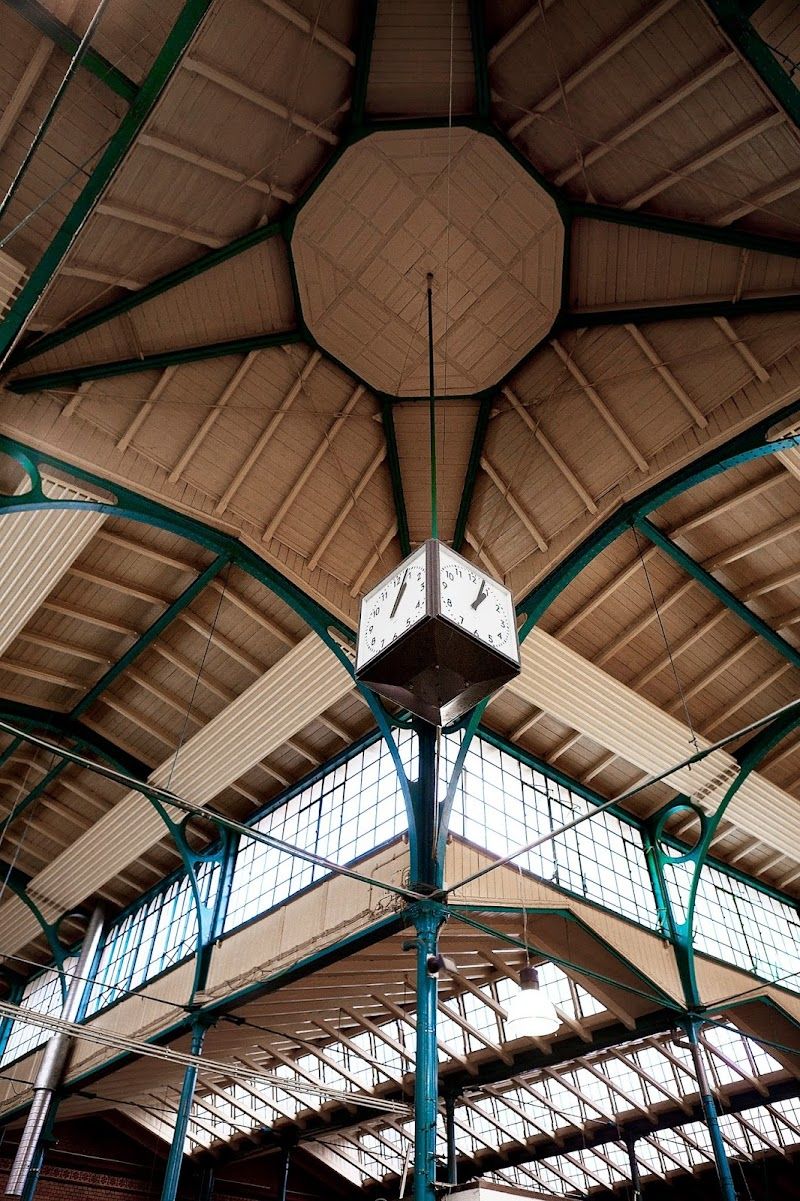
Markthalle Neun in Kreuzberg represents the intersection of old Berlin and new Berlin. The market hall was built in 1891 as part of a citywide effort to improve food hygiene, but it nearly closed in the 2000s before being revived as a gourmet food destination.
The current Markthalle Neun combines traditional German butchers and bakers with international vendors selling Korean kimchi, Italian pasta, and Lebanese pastries. Thursday evening Street Food Thursdays draw crowds for everything from Venezuelan arepas to Vietnamese bánh mì, with most items costing EUR 6-12.
This transformation reflects Kreuzberg's evolution from working-class Turkish neighborhood to international creative hub. The market serves both longtime residents looking for familiar ingredients and newcomers seeking global flavors. The prices remain reasonable because the neighborhood resists complete gentrification.
Turkish Market on Maybachufer tells a different story. Established in the 1980s to serve the large Turkish population in Kreuzberg and Neukölln, it remains focused on practical shopping rather than food tourism. Vendors sell fresh vegetables, spices, olives, and prepared foods at prices that reflect the neighborhood's working-class character.
The market operates Tuesday and Friday mornings, when many vendors from the original Turkish community still work their family stalls. You can buy ingredients for Turkish cooking that are difficult to find elsewhere in Berlin, including specialty cheeses, preserved vegetables, and spice blends that vendors mix on-site.
Hackescher Markt in Mitte represents tourist Berlin food culture. The area around the S-Bahn station includes international food stalls, trendy restaurants, and cafes that cater to visitors rather than residents. Food market lunch costs EUR 6-12, but the focus is on presentation and variety rather than authenticity or value.
This is not necessarily bad food, but it serves a different purpose than neighborhood markets. Tourists want to try multiple cuisines and take photos of colorful displays. Hackescher Markt provides that experience while remaining accessible to people exploring the city on foot.
The East-West Food Divide: How Division Shaped Taste
The Berlin Wall created two separate food cultures that developed in isolation from each other for 28 years. When the city reunified in 1990, these differences became visible in supermarkets, restaurants, and home kitchens across the city.
East Berlin food culture was shaped by central planning and limited imports. Traditional German dishes remained popular because ingredients were available, but international cuisines were rare. East Berliners developed substitution skills that West Berliners never needed, learning to create familiar flavors from whatever supplies were available.
The most famous example was Vita Cola, East Germany's answer to Coca-Cola. Made with different ingredients and a slightly different flavor profile, it became so popular that production resumed after reunification. East Berliners also developed their own currywurst recipe using locally available spices, creating subtle differences that food enthusiasts can still identify.
West Berlin benefited from its connection to international supply chains and American influence. Supermarkets stocked imported ingredients, restaurants served international cuisines, and food culture became more diverse. The presence of American, British, and French military personnel created demand for international foods that shaped West Berlin restaurant scenes.
The Turkish community was concentrated in West Berlin, so döner kebab and other Turkish-German fusion foods developed primarily in neighborhoods like Kreuzberg and Schöneberg. East Berliners encountered these flavors for the first time after reunification, leading to rapid expansion of Turkish restaurants into former East Berlin neighborhoods.
After 1990, East Berlin food culture faced pressure to modernize and Westernize, but many traditional elements survived. Restaurants in Prenzlauer Berg still serve East German dishes alongside international menus, and some ingredients that were common in East Berlin (like certain types of pickled vegetables) have become trendy in unified Berlin.
The lasting impact is visible in how different neighborhoods approach food. Areas that were in East Berlin tend to have more traditional German restaurants and simpler international cuisines. Former West Berlin neighborhoods have more experimental restaurants, fusion concepts, and expensive dining options.
Modern Berlin Food Stories: Immigration and Innovation
Contemporary Berlin food culture reflects the city's role as a destination for immigrants, refugees, and international workers. Each wave of arrivals brings new recipes that get adapted to local tastes and ingredients, continuing the process that created currywurst and döner kebab.
Vietnamese refugees arrived in both East and West Berlin during the 1980s, but their food cultures developed differently. East Berlin Vietnamese restaurants focused on simple, inexpensive dishes that could be prepared with locally available ingredients. West Berlin Vietnamese cuisine had access to imported ingredients and developed more complex flavors.
After reunification, Vietnamese restaurants spread throughout Berlin, creating a cuisine that is distinctly Berlin-Vietnamese rather than authentically Vietnamese. Popular dishes include Vietnamese spring rolls with German-style dipping sauces and pho adapted to German preferences for less spicy broths.
Russian-German immigration after 1990 brought another layer to Berlin food culture. Restaurants serving Russian, Ukrainian, and Central Asian cuisines opened throughout the city, particularly in neighborhoods like Charlottenburg and Marzahn. These establishments serve immigrants from the former Soviet Union but also attract German customers curious about unfamiliar cuisines.
The most recent chapter involves refugees from Syria, Afghanistan, and other conflict zones who have opened restaurants and food stalls throughout Berlin. Many operate informally, selling home-cooked meals at community centers or popup locations, but some have developed into established restaurants that serve both refugee communities and adventurous Berliners.
This pattern repeats the döner story: immigrants adapt their traditional recipes to available ingredients and local tastes, creating fusion cuisines that become part of Berlin food culture. The city's willingness to embrace these adaptations rather than demanding authenticity allows new food traditions to develop organically.
Where Berlin Food Stories Live Today
The best way to experience Berlin food stories is through our comprehensive neighborhood food guide, which maps the city's culinary history onto specific streets and restaurants. But certain places concentrate these stories in ways that make them easy to understand.
Kreuzberg remains the center of Berlin's most important food stories. You can eat döner kebab at the shops where Turkish immigrants first adapted the dish for German tastes, browse ingredients at Turkish Market that reflect decades of cultural exchange, and find currywurst stands that have operated since the 1960s. The neighborhood tells the story of how immigration and adaptation created new German foods.
Mitte preserves traditional Berlin cuisine at restaurants like Zur Letzten Instanz, where eisbein and other pre-war dishes are served in settings that predate division and reunification. These establishments maintain recipes and preparation methods that connect contemporary Berlin to its deeper history, before the city became defined by currywurst and döner kebab.
Prenzlauer Berg showcases how East Berlin food culture adapted after reunification. Traditional East German restaurants operate alongside international establishments, creating a culinary landscape that reflects both preservation and change. The neighborhood demonstrates how reunification affected food culture beyond simply adding Western options to Eastern neighborhoods.
The food markets scattered throughout Berlin provide the most direct connection to ongoing food stories. At markets like Markthalle Neun or Turkish Market, you can observe how different communities maintain their food traditions while adapting to life in Berlin. These are not tourist attractions but working markets where food stories continue to develop.
Berlin food stories are not historical artifacts but living traditions that continue to evolve as the city changes. The currywurst stands and döner shops that define Berlin street food today will be joined by restaurants serving cuisines that reflect whoever arrives in the city next. The pattern established in 1949 with Herta Heuwer's sauce continues: immigrants and locals collaborate to create foods that work for Berlin, regardless of where the recipes originated.
Understanding these food stories provides insight into how Berlin operates as a city of constant reinvention. The food is not sophisticated, but it is honest about what the city offers: practical solutions, cultural mixing, and the willingness to create something new from whatever ingredients are available. This is Berlin food culture, and these are the stories that explain how a divided city learned to feed itself and eventually became one of Europe's most interesting food destinations.