Berlin's food truck revolution happened quietly while everyone was watching the clubs and galleries. The city that gave the world currywurst now serves Vietnamese banh mi from converted Volkswagen buses and Syrian makloubeh from gleaming Airstream trailers. The berlin food truck scene reflects what makes this city work: it takes something traditional, adds immigrants with better ideas, and lets economics sort out the rest.
The best berlin street food does not happen in designated food courts or sanitized markets. It happens on corners where office workers need lunch, at festivals where beer requires ballast, and in neighborhoods where rent is still reasonable enough for someone to park a trailer and serve decent food for EUR 6.
Where Berlin Food Trucks Actually Work
Berlin's food truck geography follows three rules: go where the people are, avoid the tourist traps, and find spots where parking a commercial vehicle will not result in immediate fines. The city's berlin food scene operates differently than London or New York. Permanent street food markets dominate, but mobile operations fill the gaps.
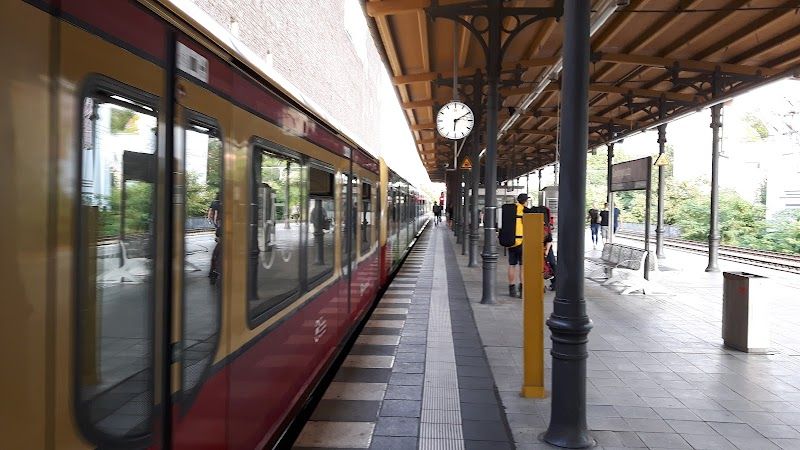
Hackescher Markt (S-Bahn Hackescher Markt) hosts rotating trucks Tuesday through Saturday, usually 11am-8pm. The Turkish börek truck here charges EUR 4.5 for portions that constitute an entire meal. The Korean kimchi burger operation runs Thursday-Saturday and costs EUR 8-10, but the bulgogi is legitimate.
Alexanderplatz sees different trucks depending on events at the Fernsehturm or city festivals. The Vietnamese banh mi truck parks near the fountain when permitted, serving EUR 5-7 sandwiches that beat most restaurant versions. The schedule is unpredictable - follow @banhmiберлин on social media for locations.
Potsdamer Platz allows food trucks during Sony Center events and the weekend markets. The Syrian falafel trailer, operated by a Damascus-trained cook, charges EUR 6 for six pieces with tahini that he makes daily. The German authorities have not yet figured out how to regulate tahini quality, which works in everyone's favor.
The Kreuzberg Circuit
The best concentration of quality berlin food truck operations happens in Kreuzberg, where parking enforcement is relaxed and the customer base appreciates food that does not try to be German. Görlitzer Park (U-Bahn Görlitzer Bahnhof) sees trucks during weekend markets and summer evenings.
The Warschauer Straße area, particularly near the East Side Gallery, hosts trucks serving the club crowd and tourists walking between East Side Gallery and the bridge. The hours run late - some operate until 3am on weekends.
Kottbusser Tor (U-Bahn Kottbusser Tor) is where locals actually eat. The döner trucks here compete with established shops, so quality stays high and prices reasonable. The Egyptian koshari truck charges EUR 5 for rice, lentils, and pasta with tomato sauce that works better than it should.
The Currywurst Truck Hierarchy
Every discussion of berlin street food must address currywurst, the city's contribution to global cuisine: grilled bratwurst sliced and covered in curry-spiced tomato sauce. The dish exists because Berlin was occupied by people who wanted familiar food but had to work with available ingredients.
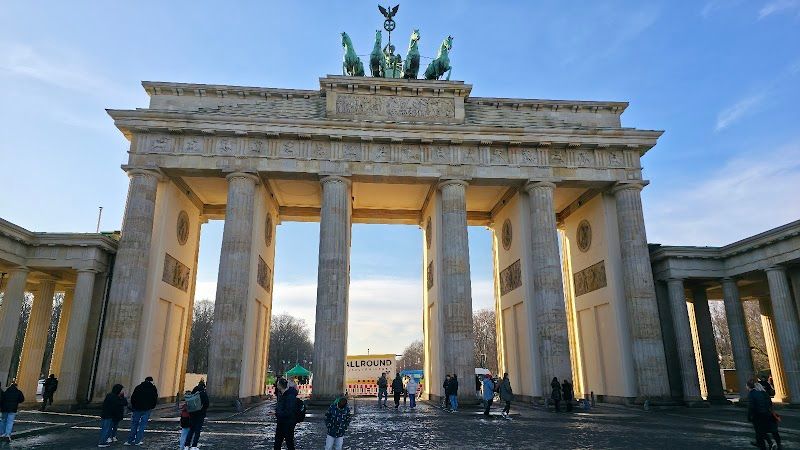
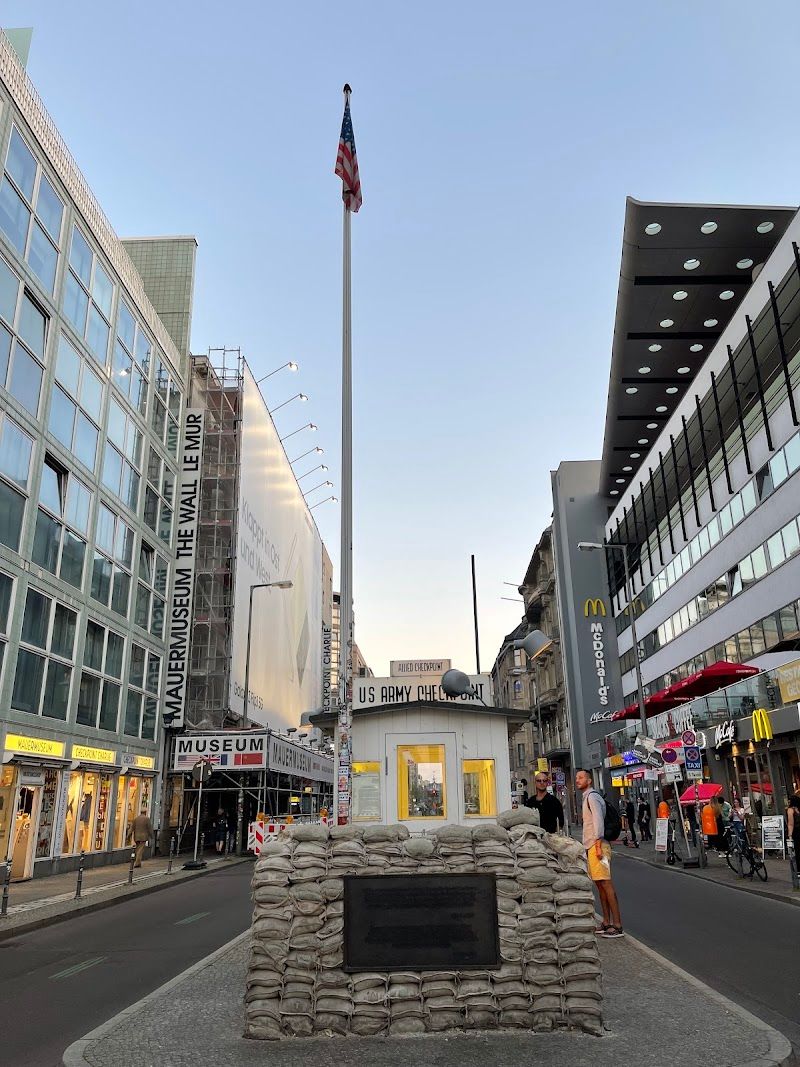
The tourist currywurst stands near Brandenburg Gate and Checkpoint Charlie charge EUR 5-6 for adequate versions. The locals' trucks operate differently.
Curry & Co parks at different U-Bahn stations throughout the week - Friedrichstraße Monday-Tuesday, Oranienburger Tor Wednesday-Thursday, Rosenthaler Platz Friday-Saturday. The owner makes his own curry powder blend and charges EUR 3.5 for currywurst that regulars consider superior to most restaurant versions.
Konnopke's Imbiss is not technically a truck - it is a permanent stand under the U-Bahn tracks at Eberswalder Straße in Prenzlauer Berg. But they operate a mobile version for festivals that maintains the same quality. EUR 4 gets you currywurst mit darm (with casing) that represents what the dish should be.
The Zur Bratpfanne truck follows construction sites in Mitte and serves workers who understand the difference between good and adequate currywurst. The curry sauce includes actual curry leaves, not just curry powder. EUR 3.5, cash only.
International Competition
The currywurst trucks now compete with operations that understand spices better. The Pakistani karahi truck that parks near Hermannplatz (U-Bahn Hermannplatz) serves chicken karahi for EUR 6 that makes curry powder seem quaint. The chef worked in Lahore restaurants before moving to Berlin and applies proper technique to ingredients he can source locally.
Momo Berlin operates from a converted Piaggio Ape and serves Tibetan dumplings for EUR 1 each, minimum order five pieces. The truck appears at weekend markets in Friedrichshain and Neukölln. The momos are steamed to order and come with proper Himalayan hot sauce.
The Vietnamese Invasion
Berlin's Vietnamese population arrived in two waves: contract workers to East Germany in the 1980s, and refugees in the 1990s. Both groups understood that Germans would eat Asian food if it was convenient and reasonably priced. The berlin food culture now includes Vietnamese influences that trucks have perfected.
Banh Mi Saigon operates from a yellow Volkswagen van that appears at different locations daily. The bread comes from a Vietnamese bakery in Charlottenburg, and the pâté is made in-house. EUR 5-7 depending on protein, and the pork version includes proper Vietnamese cold cuts, not German substitutes.
The pho truck that operates near Warschauer Straße serves bowls from 6pm until late, targeting the post-club crowd that needs substantial food. EUR 8-10 for portions that work as complete meals. The broth requires 12-hour preparation, so quality stays consistent.
Fresh Nem sells Vietnamese spring rolls from a compact trailer that parks near office buildings during lunch hours. Two rolls for EUR 4, and the peanut dipping sauce justifies seeking out their location. They post daily spots on Instagram: @freshnemberlin.
The Thai Contingent
Berlin's Thai food trucks operate with more authenticity than most restaurants because truck economics require efficiency over German taste adaptation. Som Tam Berlin serves papaya salad from a red pickup truck, EUR 5 for portions that match Bangkok street vendor sizes. The fish sauce is imported, and the chili level is not adjusted for German preferences.
Pad Thai Express parks near Tempelhofer Feld on weekends and serves proper pad thai for EUR 6-8. The noodles are cooked to order in a wok that reaches actual wok hei temperatures. The tamarind paste is made weekly, not bought from commercial suppliers.
The Mediterranean Mobile Kitchen Scene
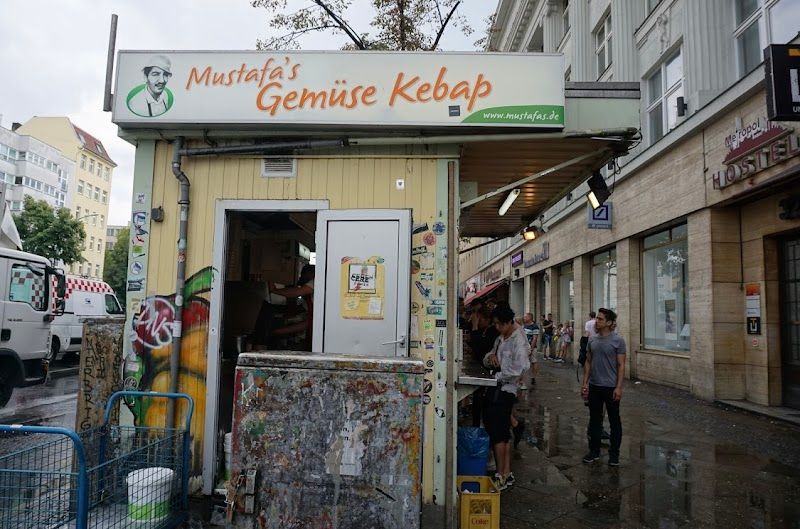
The success of Mustafa's Gemüse Kebap - the legendary Kreuzberg döner stand with permanent lines - inspired mobile Mediterranean operations that serve similar quality without the wait.
Döner Deluxe operates from a converted food truck that parks at different markets throughout the week. The lamb is spit-roasted daily, and the bread is baked by Turkish suppliers. EUR 4.5-6 depending on size, and the vegetable selection includes proper Turkish pickles.
The Syrian mixed grill truck that appears at weekend markets serves kebabs that use imported spices and locally-sourced lamb. EUR 8-12 for mixed plates that include rice, salad, and bread. The owner previously operated a restaurant in Aleppo and maintains proper Middle Eastern technique.
Falafel König serves Palestinian-style falafel from a bright green truck that moves between Schöneberg and Wedding. EUR 5-7 for sandwiches or plates, and the tahini is made fresh daily. The chickpeas are soaked overnight and ground to order.
Greek Options
Berlin's Greek food trucks focus on souvlaki and gyros operations that compete with established Greek restaurants. Akropolis Mobile serves gyros that uses proper Greek pork preparation - the meat is marinated for 24 hours and cooked on vertical spits. EUR 5-8 depending on portion size.
The Greek salad truck that operates near office buildings serves horiatiki that includes proper Greek feta and Kalamata olives. EUR 6-8 for salads that work as complete meals. The olive oil is imported from family suppliers in Crete.
Markets That Matter for Food Trucks
Berlin's berlin food market scene provides the infrastructure that makes food truck operations viable. Unlike cities where food trucks operate independently, Berlin's mobile kitchens depend on established markets for permits, electricity, and customer traffic.
Markthalle Neun in Kreuzberg hosts "Street Food Thursday" events where trucks can park inside the historic market hall. EUR 3-12 for various options, and the quality control is stricter than street operations. The Thursday events run 5pm-10pm and attract crowds that understand the difference between tourist food and actual food.
Turkish Market (Türkenmarkt) at Maybachufer hosts trucks on Tuesday and Friday, 11am-6:30pm. The established vendors sell produce and prepared foods, while trucks fill gaps with options like Lahmacun for EUR 3-4 and Turkish coffee for EUR 2.
Kollwitzplatz Market in Prenzlauer Berg operates Thursday 12pm-7pm and Saturday 9am-4pm. The trucks here serve the neighborhood's families and professionals. Prices are higher - EUR 6-10 for most options - but quality matches the demographic.
Seasonal Markets
Summer markets create temporary opportunities for food truck operations. Zur Letzten Instanz Markt near the oldest restaurant in Berlin hosts weekend trucks that serve crowds walking between DDR Museum and other Mitte attractions.
Tempelhofer Feld allows food trucks during events and festivals. The former airport's open space accommodates large crowds, and trucks can operate without competing with established restaurants. The weekend markets here run April through October.
Mauerpark flea market includes food truck operations on Sundays. The karaoke crowds and tourists provide steady customers for trucks serving EUR 5-8 options. The Turkish gözleme truck here has operated for five years and maintains consistent quality.
The Economics of Berlin Street Food
The best berlin food trucks succeed because Berlin's economics favor small operations over corporate chains. Commercial kitchen rental costs EUR 20-30 per hour, truck permits cost EUR 150-300 per month depending on location, and ingredient costs remain reasonable because the city's immigrant communities maintain wholesale food networks.
Successful truck operations serve 100-200 customers per day at average transactions of EUR 6-8. The math works when preparation is efficient and waste is minimal. Trucks that fail usually attempt German interpretations of ethnic foods instead of serving their communities first and expanding to German customers second.
Insurance costs for food truck operations range from EUR 200-400 monthly depending on coverage and location permits. Health department inspections occur irregularly, but violations result in immediate closure. The Syrian falafel operations generally pass inspections because Middle Eastern food safety practices exceed German requirements.
Neighborhood Economics
Different neighborhoods support different price points and food types. Charlottenburg customers pay EUR 8-12 for truck food but expect higher quality and presentation. Wedding customers prefer EUR 4-6 options with larger portions.
Friedrichshain supports experimental trucks - Korean-Mexican fusion, vegan döner, craft beer pairings - because the neighborhood's residents seek novelty. Neukölln customers want authentic ethnic foods at prices that compete with established restaurants.
The tourist areas around Brandenburg Gate and Museum Island support higher prices but require permits that cost EUR 500-800 monthly. Most successful operations avoid these areas and build regular customer bases in residential neighborhoods.
Seasonal Patterns and Operating Hours
Berlin berlin food truck operations follow seasonal patterns that reflect both weather and local customs. Winter operations (November-February) require heating systems and weatherproof serving areas. Many trucks reduce hours or close entirely during December-January.
Summer season (May-September) allows extended hours and outdoor seating. The Vietnamese trucks serve until midnight during summer, targeting beer garden crowds and late diners. The Turkish operations run until 2am on weekends, competing with late-night döner shops.
Festival season creates temporary opportunities. Karneval der Kulturen in May brings trucks from across the city to Kreuzberg. Christopher Street Day in July creates demand for trucks along the parade route. Festival of Lights in October generates tourist traffic that supports higher-priced operations.
Weather Impact
Berlin weather affects food truck operations more than restaurant businesses. Rain stops outdoor dining and reduces foot traffic by 30-40%. Successful trucks plan indoor alternatives - covered markets, shopping center courtyards, U-Bahn station areas with permits.
Snow creates access problems for trucks that depend on street parking. The city's snow removal prioritizes major roads, so trucks operating in residential areas face closure risks during heavy snow periods.
Hot summer days increase demand for cold options - Vietnamese summer rolls, Greek salads, Turkish ayran. The ice cream trucks compete directly with gelato shops during heat waves and often win on convenience and price.
Finding the Best Berlin Food Trucks
The most reliable berlin street food trucks maintain social media presence and regular schedules. @streetfoodberlin on Instagram aggregates truck locations and hours. Facebook groups like "Berlin Food Truck Lovers" share real-time locations and quality updates.
Word of mouth remains the best discovery method. Berlin locals share food truck recommendations the same way they recommend bars or clubs - through personal networks rather than review apps. The best trucks build regular customer bases who follow them to different locations.
Quality indicators include: cash-only operations (suggests local customer base), lines of locals rather than tourists, ingredients prepped visibly, and owners who speak the language of their cuisine fluently.
For visitors planning their Berlin food exploration, consider starting with the comprehensive where to eat in Berlin neighborhood guide before seeking out mobile options. The city's established food scene provides context for understanding why certain trucks succeed while others fail.
The berlin food culture continues evolving as new immigrant communities establish operations and German customers develop more adventurous tastes. The trucks that survive and prosper serve real food to real people, not Instagram-friendly approximations of ethnic cuisines. That honesty is what makes Berlin's mobile food scene worth seeking out.