The Cordoba vs Granada debate splits travelers heading to Andalusia, and for good reason. Both cities showcase Islamic Spain's architectural legacy, but they do it in completely different ways. After spending time in both, here's the truth: if you can only pick one, Cordoba delivers more impact per hour spent, while Granada requires more time investment but offers greater variety.
Cordoba packs its punch into a compact historic center dominated by the Mezquita, the most architecturally significant building in Spain. Granada spreads across hillsides, combining the Alhambra palace complex with a university town atmosphere and mountain backdrop. The choice depends on your priorities, time constraints, and travel style.
Architecture: Mezquita vs Alhambra Showdown
The architectural comparison between Cordoba vs Granada centers on two UNESCO World Heritage sites that represent different peaks of Islamic art in Spain. Both are essential, but they deliver completely different experiences.
The Mezquita: Raw Architectural Power
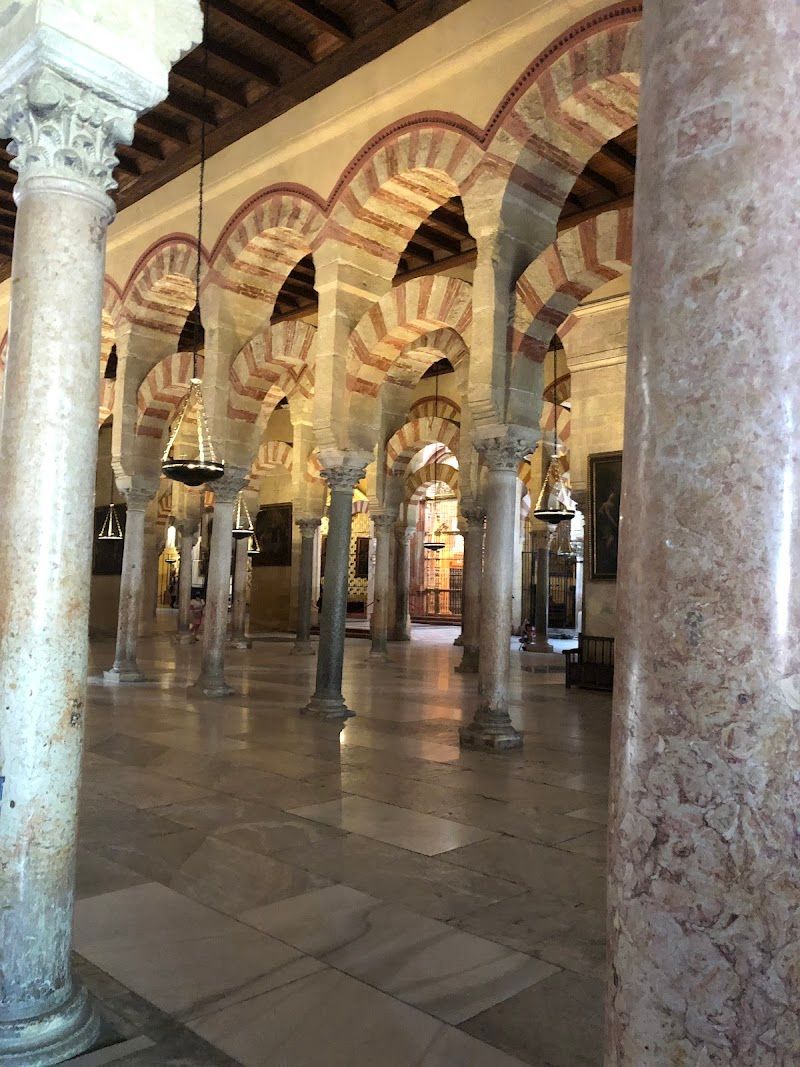
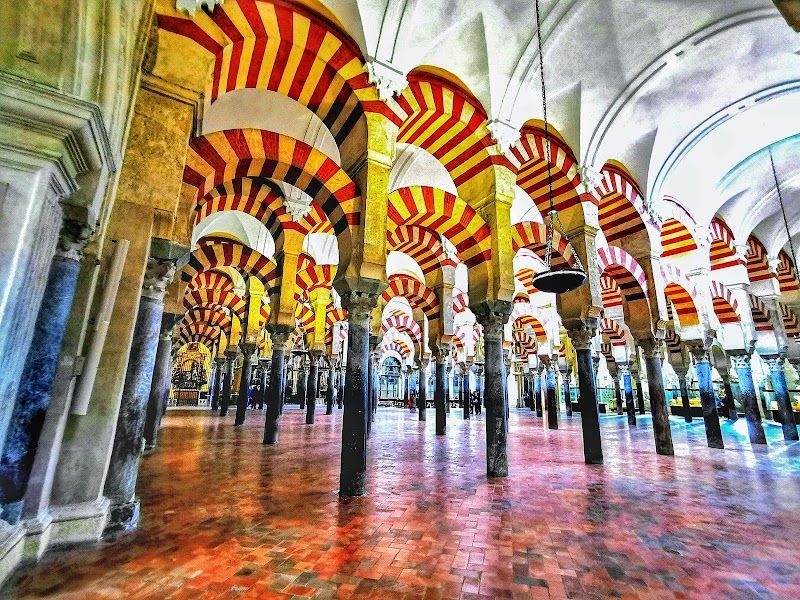
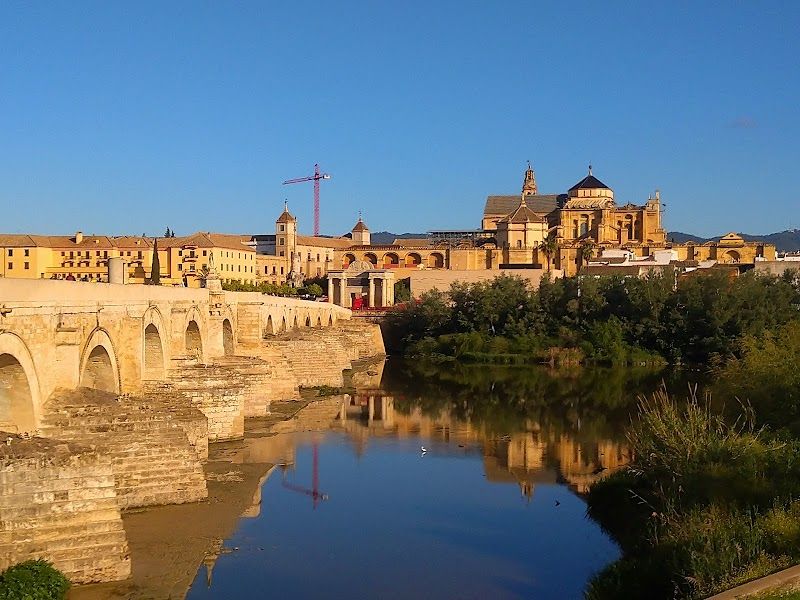
Cordoba's Mezquita-Catedral is unlike anything else in the world. Built in the 8th century when Cordoba was Western Europe's largest city, this mosque contains 856 columns creating a forest of red-and-white striped arches that extends seemingly forever. Entry costs EUR 13, and the building's impact is immediate and overwhelming.
The architectural collision happened in the 13th century when Spanish Christians built a full Renaissance cathedral inside the mosque. This sounds like vandalism and might be, but the result creates something neither religion could have produced alone. Islamic geometry meets Catholic baroque in ways that shouldn't work but absolutely do.
Best visit time: 8:30 AM opening when morning light hits the columns and crowds haven't arrived yet.
The Alhambra: Refined Palace Complex
Granada's Alhambra represents the pinnacle of Islamic palace architecture. This isn't a single building but a complex of palaces, courtyards, and gardens that took centuries to complete. The intricate geometric patterns, reflecting pools, and mountain views create a more refined, delicate beauty compared to the Mezquita's raw power.
Alhambra tickets cost around EUR 14-16 and must be booked weeks in advance, especially for the Nasrid Palaces. This advance planning requirement alone makes Granada less spontaneous than Cordoba.
The verdict: The Mezquita hits harder and faster. The Alhambra rewards deeper exploration but demands more time and planning.
Time Requirements: How Long for Cordoba vs Granada
This is where the Cordoba vs Granada Spain comparison gets practical. Your available time heavily influences which city makes more sense.
Cordoba: Maximum Impact, Minimum Time
Cordoba works perfectly for a day trip or overnight visit. The historic center is compact enough to walk end-to-end in 15 minutes. You can see the Mezquita, wander the Jewish Quarter, cross the Roman Bridge, and eat excellent food in under 24 hours.
A well-planned day in Cordoba includes:
- Morning: Mezquita at opening (1.5 hours)
- Late morning: Jewish Quarter exploration (1 hour)
- Lunch: Salmorejo at Taberna Salinas (EUR 4-8)
- Afternoon: Alcázar de los Reyes Cristianos gardens (EUR 5)
- Evening: Drinks in Plaza de la Corredera
Two days allows you to visit Palacio de Viana (EUR 12) and the Madinat Al-Zahra archaeological site (EUR 1.5) outside the city.
Granada: Minimum Two Days, Better with Three
Granada demands more time due to its spread-out nature and the Alhambra's complexity. The palace complex alone requires 4-5 hours. Add the Albaicín neighborhood, Cathedral, Royal Chapel, and proper tapas crawling, and you need at least two full days.
Granada's geographic spread means more walking uphill and more time between sites. The city also has a stronger evening culture that rewards staying later.
Crowds and Tourism: The Reality Check
Both cities are tourist magnets, but they handle crowds differently in the Cordoba vs Granada comparison.
Cordoba: Cruise Ship Central
Cordoba suffers from cruise ship tourism and day-trippers from Seville (45 minutes by train). The Mezquita gets packed between 10 AM and 4 PM, especially in summer. The Jewish Quarter's narrow streets become bottlenecks.
Crowd avoidance strategy: Visit the Mezquita at 8:30 AM opening or after 6 PM. Eat lunch early (1 PM) or late (3 PM) when restaurants are less busy. Stay overnight to experience the city after day-trippers leave.
Granada: University Town Buffer
Granada's university population (60,000 students) creates a more balanced tourist-to-local ratio. The Alhambra's timed entry system spreads crowds throughout the day. The Albaicín neighborhood feels more authentically lived-in.
However, Alhambra tickets selling out months in advance creates its own frustration. Many visitors arrive in Granada unable to see its main attraction.
Food and Dining: Where to Eat Better
The culinary comparison in Cordoba vs Granada reveals different strengths and approaches to Andalusian cuisine.
Cordoba: Refined Traditional Cuisine
Cordoba's food scene centers on refined versions of traditional dishes. Salmorejo (EUR 4-8), the city's signature cold soup, reaches perfection here. Flamenquín cordobés (EUR 12-18), rolled pork wrapped in breadcrumbs, originated in Cordoba and remains better here than anywhere else.
The city's restaurant scene focuses on quality over quantity. Bodegas Campos serves exceptional rabo de toro (EUR 16-24) in a traditional setting. For a more casual experience, Bar Santos near the Mezquita delivers excellent tortilla española with your beer (EUR 2-3.5).
Cordoba's menú del día offerings (EUR 12-18) consistently deliver three courses with wine at unbeatable value.
Granada: Tapas Culture Supreme
Granada maintains Spain's strongest free tapas tradition. Order a beer (caña for EUR 2-3.5) or wine (EUR 2.5-5) and receive a substantial tapa. By the third round, you've essentially eaten a meal.
The city's Moroccan influence appears in tea houses and North African restaurants around the Albaicín. University students keep prices reasonable and maintain a younger energy in bars and restaurants.
The food verdict: Cordoba for refined traditional cuisine, Granada for quantity and variety through tapas culture.
Getting Around: Transportation and Logistics
Cordoba: Walkable and Simple
Cordoba's compact size makes walking the primary transportation method. The train station sits 15 minutes walk from the Mezquita. Buses (EUR 1.3 single ride, EUR 8.5 for 10 trips) connect outer attractions like Madinat Al-Zahra.
Taxis from the airport cost EUR 15-25, while the airport bus costs EUR 1.3 using regular city bus service.
Granada: Hills and Distance
Granada's hillside location creates challenges. Walking from the city center to the Alhambra involves significant uphill climbs. The Albaicín neighborhood requires more stamina to explore on foot.
Public buses serve major attractions, but routes are less intuitive than Cordoba's simpler layout. Many visitors rely more heavily on taxis or ride-sharing.
Should I Visit Cordoba or Granada: The Decision Matrix
Choose Cordoba If:
- You have limited time (1-2 days)
- You prefer concentrated sightseeing over spread-out exploration
- You're making a Seville-based trip and want an easy day trip
- You're fascinated by Islamic architecture's raw power
- You value efficiency and walkability
- You're traveling with mobility limitations
Choose Granada If:
- You have 3+ days available
- You enjoy varied neighborhoods and longer exploration
- You want stronger nightlife and university town energy
- You prefer free tapas culture over restaurant meals
- You're planning multiple Andalusian cities and want variety
- Mountain scenery appeals to you
Cordoba vs Granada with Kids: Family Considerations
Families face different considerations when choosing between these Andalusian cities.
Cordoba: Compact and Manageable
Cordoba's walkable size works better for families with young children. The Roman Bridge is completely pedestrianized and safe for kids to run around. The Mezquita's forest of columns fascinates children who enjoy counting arches and playing hide-and-seek games.
Plaza de la Corredera, Andalusia's only rectangular enclosed plaza, provides open space for children to play while parents enjoy coffee (EUR 1.2-2.5).
Restaurant portions tend to be more generous, and the traditional menú del día format works well for families watching budgets.
Granada: More Challenging with Rewards
Granada's hills make stroller navigation difficult. The Alhambra requires advance booking and substantial walking, which can challenge families with young children.
However, the Alhambra's gardens and water features captivate children once you're there. The Albaicín's Mirador de San Nicolás offers spectacular views that older children appreciate.
The free tapas culture can work well for families, as children can try various foods without committing to full portions.
Family verdict: Cordoba wins for ease and manageability, especially with children under 8.
Budget Breakdown: Cordoba vs Granada Costs
Cost comparisons help determine which city fits your budget better.
Daily Budget Cordoba
Budget Day (EUR 35-45 per person):
- Accommodation: Hostel dorm (EUR 18-35)
- Mezquita entry: EUR 13
- Breakfast: Tostada con tomate (EUR 2.5-4)
- Lunch: Menú del día (EUR 12-18)
- Dinner: Tapas and beer (EUR 6-12)
- Transportation: Walking (Free)
Mid-Range Day (EUR 75-105 per person):
- Accommodation: Mid-range hotel share (EUR 40-75)
- Mezquita + Alcázar entries: EUR 18
- All meals at restaurants (EUR 35-50)
- Museum entries: EUR 5-8
- Occasional taxi: EUR 5-10
Daily Budget Granada
Budget Day (EUR 40-55 per person):
- Accommodation: Hostel dorm (EUR 20-40)
- Alhambra entry: EUR 14-16
- Breakfast: EUR 3-5
- Lunch/dinner: Tapas crawling (EUR 15-25)
- Bus transportation: EUR 3-5
Mid-Range Day (EUR 85-120 per person):
- Accommodation: Hotel share (EUR 45-85)
- Alhambra + other entries: EUR 20-25
- Restaurant meals: EUR 40-60
- Transportation including taxis: EUR 10-15
Budget winner: Cordoba edges ahead slightly due to better value accommodations and free walking access to all major sites.
Where to Stay: Cordoba vs Granada Neighborhoods
Accommodation location significantly impacts your experience in both cities.
Cordoba's Best Areas
The Mezquita & Juderia neighborhood puts you steps from major attractions but costs more (EUR 120-250 for boutique hotels). Budget options (EUR 45-75) exist near Plaza de la Corredera with easy walking access.
Cordoba's compact size means location matters less than in Granada. Even budget hotels outside the historic center require only 10-15 minutes walking to reach the Mezquita.
Granada's Strategic Positioning
Granada's hills make accommodation location crucial. Stay near Plaza Nueva for central access, in the Albaicín for character and views (but more walking), or near the Alhambra for easy palace access but distance from restaurants and nightlife.
Budget travelers should prioritize bus route access over walking distance due to Granada's geography.
The Final Verdict: Cordoba vs Granada
After comparing every aspect, Cordoba wins for most first-time Andalusia visitors. Here's why:
The Mezquita delivers immediate architectural impact that justifies the entire trip. Cordoba's compact size maximizes sightseeing efficiency while minimizing transportation hassles. The city works perfectly as part of a broader Andalusian itinerary without demanding excessive time commitment.
Granada requires more planning, more time, and more physical effort. While the Alhambra is extraordinary and the city offers more variety, these benefits come with significant logistical complications.
However, Granada becomes the better choice if:
- You have 4+ days for Andalusia
- You're planning to visit both Cordoba and Seville already
- You prioritize nightlife and social atmosphere
- You want to experience authentic Spanish university town culture
For travelers choosing between Cordoba vs Seville vs Granada, the ideal sequence is Cordoba first (efficient impact), then Granada (deeper exploration), finishing with Seville (grand finale). This progression builds from concentrated sightseeing to varied exploration to comprehensive Andalusian experience.
The truth is both cities deserve visits, but if you're forced to choose just one, Cordoba's combination of architectural significance, logistical simplicity, and time efficiency makes it the winner for most travelers. You can always return to Granada when you have more time to do it properly.
Start with our first-time guide to Cordoba to plan your visit, and our 1-2 day Cordoba itinerary for maximum efficiency. When you're ready to eat, our complete food guide ensures you the city's culinary highlights.