Crete food specialties tell the story of an island that has always done things differently. While mainland Greece serves moussaka and souvlaki, Crete offers dakos topped with sun-dried tomatoes and mizithra cheese, wild greens that grow nowhere else in Europe, and raki so strong it could power a small boat. This isn't accident - it's 4,000 years of Minoan, Venetian, and Ottoman influences creating something entirely separate from what tourists expect when they think "Greek food."
The truth about Crete food: it's seasonal, hyperlocal, and built around ingredients that thrive in the island's harsh landscape. Barley grows better than wheat in the dry soil. Wild greens flourish on mountainsides where nothing else survives. Goats produce better milk than cows in this terrain. Every dish has a practical reason for existing, which is why Cretan cuisine has survived essentially unchanged for centuries.
Essential Crete Food Specialties: The Must-Try Dishes
Dakos: The Ultimate Cretan Starter
Dakos (EUR 5-8) appears on every taverna table in Crete, and for good reason - it's the perfect introduction to how Crete food differs from mainland Greek cuisine. The base is a barley rusk (paximadi), not bread, soaked briefly in water to soften without falling apart. Top with grated fresh tomato, crumbled mizithra cheese, capers, oregano, and a generous pour of Cretan olive oil.
The genius is in the barley rusk. Wheat bread goes soggy immediately under wet tomatoes. Barley rusks maintain their structure while absorbing flavors. They keep for months without refrigeration - crucial for an island that historically couldn't rely on regular supply ships.
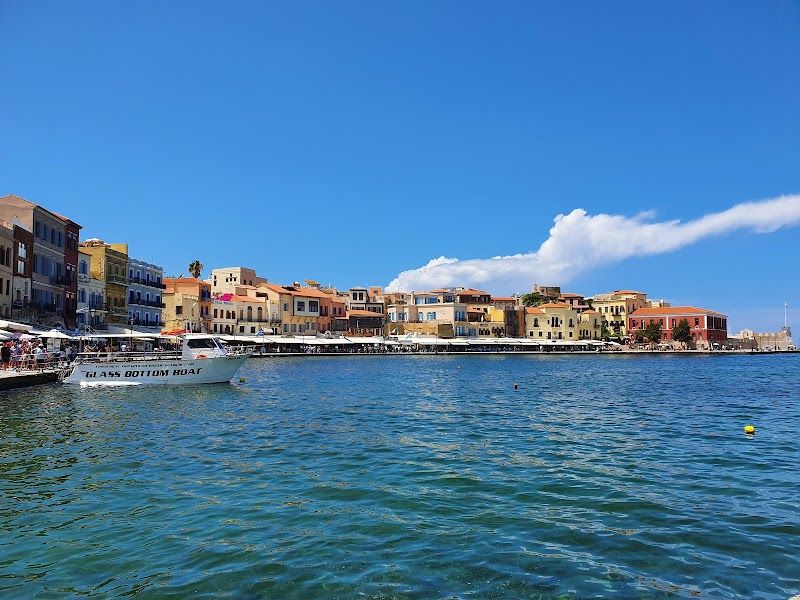
Where to try it: Every taverna serves dakos, but Peskesi in Heraklion makes theirs with heirloom barley varieties and tomatoes from their own farm. In Chania, order it at any taverna near the Venetian harbour - the harbor-front locations aren't tourist traps here like they would be elsewhere.
Antikristo: Lamb Cooked by Fire, Not Heat
Antikristo means "opposite" in Greek, referring to how the lamb is positioned across from (not over) the fire. Whole lamb pieces are skewered vertically and arranged in a circle around a central fire pit. The meat cooks slowly from radiant heat, not direct flame, creating a texture impossible to achieve in a conventional oven.
This isn't restaurant food - it's festival and celebration cooking that requires hours of tending. The result is lamb so tender it pulls apart with a fork, with a subtle smoky flavor that doesn't overpower the meat.
Where to find it: Antikristo appears at village festivals (panigiri) throughout summer, particularly around August 15 (Assumption Day). Some traditional tavernas in the central Crete region serve it on weekends, but call ahead. Approximate price: EUR 25-35 per person for a generous portion.
Boureki: Crete's Answer to Moussaka
Boureki layers thinly sliced zucchini and potatoes with mizithra cheese, mint, and olive oil, then bakes until golden. Unlike moussaka's heavy bechamel sauce, boureki relies on the vegetables' natural moisture and the cheese's creaminess. The result is lighter but more intensely flavored.
The dish showcases two Cretan principles: using what grows locally (zucchini thrives in Cretan gardens) and keeping preparations simple enough that flavors speak clearly.
Taverna price: EUR 8-12 as a main course, EUR 5-7 as a side. Look for it at family-run tavernas rather than tourist-focused restaurants - it's home cooking that doesn't always translate to commercial kitchens.
Crete Food Prices: What You'll Actually Pay
Understanding Crete food prices helps you eat better while spending less. The island operates on a two-tier pricing system that's more pronounced than most Greek destinations.
Budget meals center around street food and simple tavernas:
- Gyros pita: EUR 3-5 (filling lunch, served everywhere)
- Greek coffee: EUR 2-3.5 (morning ritual in village kafeneia)
- Dakos: EUR 5-8 (perfect starter, often large enough to share)
Mid-range taverna dining offers the full Cretan experience:
- Taverna lunch: EUR 15-25 per person (salad, main, house wine)
- Taverna dinner: EUR 25-40 per person (mezedes, main, dessert, wine)
- Bottle of local wine: EUR 12-25 (Vidiano white or Liatiko red)
Premium dining focuses on farm-to-table and elevated traditional cooking:
- High-end restaurants in Chania old town: EUR 45-70 per person
- Agritourism dinners with cooking classes: EUR 60-95 per person
- Wine tasting at local wineries: EUR 20-40 per person
The money-saving secret: many tavernas include complimentary raki (traditional Cretan spirit) at meal's end, often with a small dessert. This isn't optional hospitality - it's cultural tradition. Refusing the first glass is considered rude.
Wild Greens and Mountain Herbs: Crete's Unique Vegetables
Horta: Foraged Greens That Define Cretan Cooking
Horta aren't just "greens" - they're a category of wild plants that Cretans forage from mountainsides, each with distinct flavors and traditional uses. Vlita (amaranth leaves) taste slightly sour and pair with fish. Stamnagathi grows only in Crete and tastes bitter enough to require careful cooking. Kritama (rock samphire) grows on sea cliffs and tastes like concentrated ocean.
These aren't curiosities - they're dinner. Most Cretan families gather horta weekly during spring and early summer, when the plants are tender. Tavernas serve them simply: boiled until tender, dressed with lemon juice and olive oil, served at room temperature.
Restaurant price: EUR 4-7 for a portion. Seasonal availability: March through June for most varieties, year-round for cultivated species like amaranth.
Dittany: The Herb That Only Grows in Crete
Dittany (Origanum dictamnus) grows exclusively on Crete's cliffs and has been harvested since Minoan times. Ancient texts claimed it could heal arrow wounds and ease childbirth. Modern research suggests antiseptic and anti-inflammatory properties.
Cretans use dittany primarily for tea - a pinch of dried leaves steeped in hot water creates a mild, slightly sweet drink. It's also added to meat dishes during the last minutes of cooking for a subtle herbal note.
Where to buy: Central markets in Heraklion and Chania sell dried dittany for EUR 5-12 per 200g package. Avoid the tourist shops - they often sell oregano labeled as dittany.
Crete Food Tours vs. Independent Eating
Organized Food Tours: Worth the Cost?
Crete food tours range from EUR 45-90 per person for 3-4 hours, typically including 5-6 tastings plus wine. The best ones focus on neighborhood markets and family-run establishments rather than tourist restaurants.
Recommended tours:
- Chania walking food tours (EUR 55-75): combine old town history with tastings at local producers
- Village cooking classes (EUR 60-95): learn to prepare traditional dishes with local families
- Market tours in Heraklion (EUR 45-65): focus on ingredient identification and seasonal specialties
What they get right: access to producers who don't normally serve tourists, explanations of cooking techniques, seasonal ingredient availability.
What they miss: the social aspect of Cretan dining, which revolves around long meals with multiple courses arriving slowly.
Independent Eating Strategy
The alternative approach requires more research but offers deeper experiences. Focus on three types of establishments:
- Village tavernas without English menus (ask locals for recommendations)
- Central markets for ingredients and simple preparations
- Family-run establishments that have operated for generations
Key phrases for ordering:
- "Ti exete simera?" (What do you have today?) - gets you seasonal specials
- "Ti proteinete?" (What do you recommend?) - lets the owner choose
- "Horta parakalo" (Greens please) - orders whatever wild greens are available
Our complete guide to eating in Crete covers specific restaurant recommendations by neighborhood and detailed explanations of menu terminology.
Cheese, Honey, and Olive Oil: Crete's Artisan Products
Mizithra and Graviera: Crete's Signature Cheeses
Mizithra is fresh whey cheese similar to ricotta but with a cleaner, more mineral taste. It appears in dakos, boureki, and dozens of other preparations. The texture ranges from creamy (when very fresh) to crumbly (after a few days of aging).
Graviera Kritis holds Protected Designation of Origin status - it can only be made in Crete using local sheep and goat milk. The flavor is nutty and complex, somewhere between Swiss gruyere and Italian pecorino. Age ranges from 3 months (mild) to 2+ years (sharp and granular).
Buying prices: Mizithra costs EUR 8-12 per kilo at local markets. Graviera ranges from EUR 18-35 per kilo depending on aging. Both travel well if properly wrapped.
Thyme Honey from Sfakia
Cretan thyme honey (EUR 12-20 per 500g) comes primarily from the Sfakia region in southern Crete, where wild thyme covers the mountainsides. The flavor is more intense and aromatic than commercial honey, with a slightly medicinal aftertaste that Cretans prize.
Harvesting happens in late spring when thyme flowers are most abundant. The honey crystallizes quickly due to its low moisture content - a sign of quality, not spoilage. Many producers sell directly from roadside stands in the White Mountains.
Single-Estate Olive Oil
Cretan olive oil (EUR 15-25 per 750ml bottle) deserves its reputation as some of the world's best. The Koroneiki olive variety thrives in Crete's climate, producing oil with high polyphenol content and exceptional keeping qualities.
Tasting notes: fresh Cretan oil should taste peppery enough to cause a slight throat burn, with grass and artichoke flavors. Avoid oil that tastes flat or fruity - those characteristics indicate over-ripe olives or poor processing.
Where to buy: Central markets in major cities offer the best selection and prices. Avoid airport shops, which charge tourist premiums for the same products.
Seasonal Specialties and Festival Foods
Spring: Snails and Artichokes
Kohli boubouristi (snails in rosemary and vinegar) appears on taverna menus from March through May, when snails emerge after winter rains. The preparation involves purging the snails in flour for several days, then quick-frying with rosemary, vinegar, and coarse salt.
This isn't exotic food in Crete - it's seasonal protein that families gather from gardens and hillsides. The taste resembles mushrooms more than seafood, with a slightly chewy texture.
Restaurant availability: Ask at traditional tavernas in the Rethymno area, where snail preparation remains common. Approximate price: EUR 8-12 per portion.
Agginares me koukia (artichokes with fava beans) represents Cretan spring cooking at its simplest. Both vegetables are abundant in April and May, when they're tender enough to cook quickly with olive oil, dill, and lemon.
Summer: Goat and Cucumber
Katsiki psito (roast goat) dominates summer celebrations and weekend family meals. Goat meat is leaner and more flavorful than lamb, with none of the gamey taste that puts off some visitors. Proper preparation involves slow roasting with oregano, lemon, and olive oil until the meat falls off the bone.
Availability: Most common at village festivals and Sunday family tavernas. Some restaurants in the Agios Nikolaos area serve it regularly during summer months.
Tzatziki Kritiko differs from mainland versions by including cucumber juice in the yogurt base, creating a thinner, more refreshing consistency hot weather. Many tavernas serve it as a complimentary starter with fresh bread.
Autumn: Grape Must and Preserved Foods
Moustalevria is a pudding made from grape must (freshly pressed juice) thickened with flour and flavored with cinnamon. It appears only during October grape harvest, when wineries have excess must available.
The texture resembles thick custard, and the flavor is intensely grapey without being sweet. Families traditionally make large batches and share with neighbors - finding it in restaurants requires luck and timing.
Where to Find the Best Crete Food Specialties
Heraklion: Markets and Modern Tavernas
Heraklion's central market (near Koules Fortress) offers the island's largest selection of local products. Visit early morning when vendors display the freshest items and prices are most competitive.
Peskesi leads Heraklion's modern taverna scene, serving traditional dishes made with ingredients from their own farm. The tasting menu (EUR 45-65) includes seasonal specialties that showcase proper technique and premium ingredients.
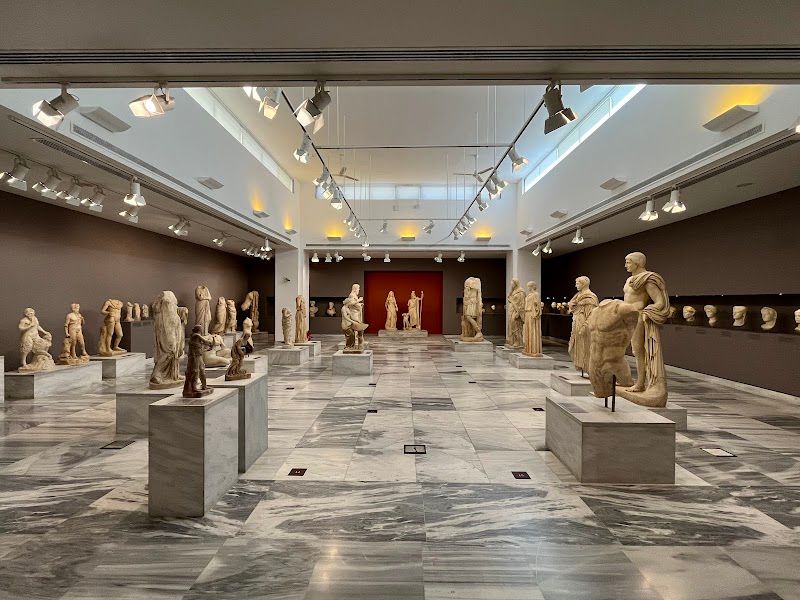
For budget eating, head to the streets around the Archaeological Museum. Small tavernas serve workers from nearby offices, keeping prices reasonable and quality high.
Chania: Venetian Atmosphere with Authentic Food
Chania's old town combines tourist appeal with genuine local dining. The key is avoiding harbor-front restaurants that cater primarily to cruise passengers.
Best neighborhoods for eating:
- Stivanadika district: Leather-working quarter with family tavernas serving workers
- Behind the Municipal Market: Small establishments focused on local customers
- Koum Kapi area: Slightly outside the tourist zone, authentic and affordable
Start your Cretan food exploration at Bougatsa Iordanis for traditional breakfast pastry, then work through the central market for ingredient education.
Rural Tavernas: The Ultimate Experience
The most memorable Cretan meals happen in village tavernas that operate more like extended family dining rooms than commercial restaurants. These places rarely have written menus - instead, the owner recites daily specials based on what's available.
Finding them: Ask locals for recommendations rather than relying on online reviews. Many excellent tavernas have no internet presence whatsoever. Look for establishments where most customers are local families rather than tourists.
Ordering strategy: Let the taverna owner guide your choices. They know which dishes are best that day and will often adjust portions and courses based on your group size and preferences.
Plan extra time for rural taverna meals - they're social events that unfold slowly over multiple courses, with conversation and complimentary raki extending the experience well beyond simple dining.
Crete food specialties reflect an island culture that values seasonal eating, local ingredients, and meals as social occasions rather than fuel stops. Understanding these principles - and knowing what to order and where to find it - transforms a tourist's vacation meals into genuine cultural experiences. The investment in learning about Cretan cuisine pays dividends not just in better food, but in deeper connections to the island's history and daily life.
For planning your complete Cretan adventure, check our 5-7 day itinerary and first-time visitor guide to coordinate your food exploration with the island's archaeological sites, beaches, and cultural attractions.