You'll find plenty of Paris travel guides that throw around vague numbers like "budget €50-100 per day" without telling you what that actually gets you. After spending 3 months tracking every euro on multiple Paris trips in 2025, I can tell you exactly where your money goes and which corners you can cut without ruining your week.
The real question isn't whether Paris is expensive (it is), but whether you're spending smart. A bakery pain au chocolat costs €1.50 while the hotel breakfast buffet charges €28 for the same croissant. Both will fill you up, but only one makes financial sense.
Accommodation by tier
Your bed will eat the biggest chunk of your budget, but Paris rewards those who know where to look. Hostels in tourist zones like Saint-Germain-des-Prés charge €50 per night for a dorm bed, while the same bunk in Belleville costs €30. The 20-minute metro ride saves you €140 over a week.
Hostels (€30-50 per night): MIJE hostels in Le Marais charge €45 for historic 17th-century buildings, but book months ahead. Generator Paris near République offers pods for €38 with proper privacy curtains. The best value sits in the 11th arrondissement near Bastille, where independent hostels charge €32-35 per night and you're still 15 minutes from the Louvre.
Airbnb (€80-150 per night): Studio apartments in the 18th arrondissement near Montmartre start at €80, but avoid anything directly on the hill where tourists pay double. Look for places near Marcadet-Poissonniers metro station instead. In Canal Saint-Martin, expect €120-140 for a one-bedroom with a proper kitchen. Factor in €3-5 daily for tourist tax per person that hosts often forget to mention.
Boutique hotels (€180-300 per night): Hotel des Grands Boulevards in Opéra / Grands Boulevards charges €220 for rooms with original moldings and a lobby where locals actually drink. In Latin Quarter, Hotel des Grands Hommes costs €180 but puts you across from the Panthéon. These prices include breakfast worth about €15 at a café, so factor that savings in.
Luxury (€400+ per night): Le Bristol in the 8th arrondissement starts at €800, while Hotel Lutetia in Saint-Germain charges €650. Unless money truly doesn't matter, skip this tier and spend the difference on three Michelin-starred dinners instead.
The sweet spot for most travelers sits in the €120-180 range in neighborhoods like Bastille / Oberkampf, where you get local nightlife without tourist markup.
Daily food budget
French food culture runs on specific rhythms that tourists often ignore, costing them hundreds over a week. Parisians eat lunch between 12pm-2pm when restaurants offer prix fixe menus. Show up at 3pm and pay à la carte prices that cost 40% more for the same dishes.
Breakfast (€4-7): Skip hotel breakfast unless it's included. Boulangeries sell fresh croissants for €1.50, pain au chocolat for €1.70, and coffee for €2-3. Buy pastries the night before from Eric Kayser on rue Monge (closes at 8pm) and grab coffee the next morning. This strategy costs €5 daily versus €25-30 hotel buffets.
Lunch (€15-22): Bistros throughout Paris offer plat du jour menus for €15-18 between 11:30am-2:30pm. Breizh Café in Le Marais charges €16 for galette-salad-cider combos. Vietnamese pho shops in the 13th arrondissement serve bowls for €12-14. Avoid anywhere with English menus near major sites where the same dishes cost €25-28.
Dinner (€35-60): Traditional brasseries like L'Ami Jean (7th arrondissement) offer 3-course dinners for €42. Wine adds €25-35 per bottle, but house wines by the glass cost €6-8. Book restaurants before 7:30pm or after 9:30pm to avoid the prime dinner rush when some places add "service compris" charges.
Street food alternative: Falafel in the Marais costs €6-8, Vietnamese banh mi shops sell sandwiches for €4-6, and Lebanese wraps near Belleville run €5-7. This approach cuts daily food costs to €20-25 but requires more walking between meals.
The math works out to €60-80 daily for sit-down meals versus €25-35 for street food and market shopping.
Transport
The Navigo weekly pass costs €32.40 and covers metro, bus, and RER in all zones 1-5 (central Paris, both airports, Versailles, Disneyland). Buy it Monday morning from any metro station - it runs Monday to Sunday, not 7 days from purchase.
Single metro tickets cost €2.55 each, so you break even at 13 rides per week. Most tourists take 3-4 metro rides daily, making the weekly pass worth it by Wednesday. The pass also covers night buses after 1:30am when metros stop, saving €15-20 on weekend Uber rides.
Walking alternative: Paris measures just 12km east to west. Walking from the Louvre to Montmartre takes 45 minutes. From Saint-Germain to Bastille takes 25 minutes. If you're comfortable walking 8-10km daily, skip the Navigo pass and save €32.40. Use those savings for metro rides on rainy days (single tickets) or longer distances.
Taxis from Charles de Gaulle airport cost €56 (Right Bank) or €65 (Left Bank) as a fixed fare. RER B costs €14 (or free with the Navigo weekly pass). From Orly, expect approximately €40-55 for taxis. Metro Line 14 now runs direct to Orly for €14 (OrlyBus is discontinued).
Activities and entry fees
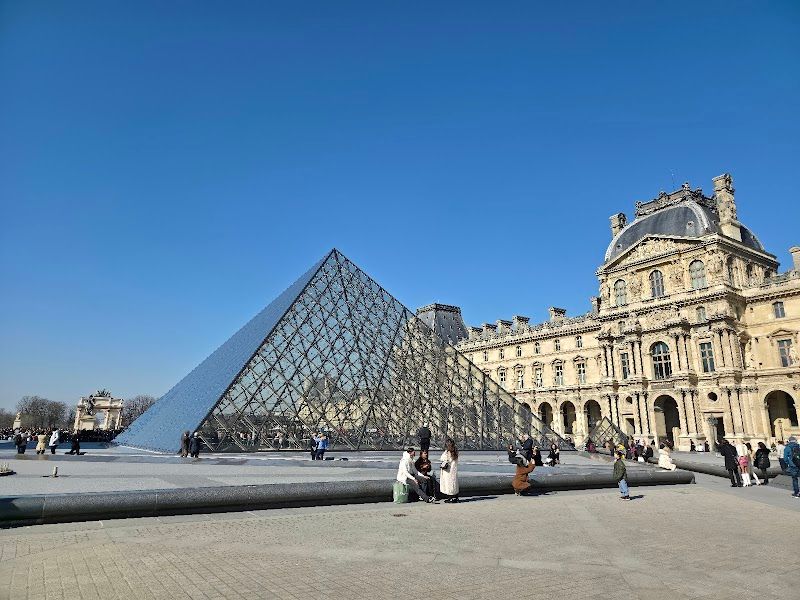
Museum costs add up faster than most people expect. The Musée du Louvre charges €22, Musée d'Orsay costs €16, and Sainte-Chapelle runs €16 (EU citizens) or €22 (non-EU). The Palace of Versailles costs €22 low season or €32 high season for the Passport ticket (EEA rate; non-EEA pays €25/€35).
The Paris Museum Pass costs €77 for 4 days and covers 60+ attractions. You break even at 4-5 major sites, but the real value comes from skipping ticket lines. In summer, Louvre entry lines take 45-90 minutes versus walking straight in with the pass.
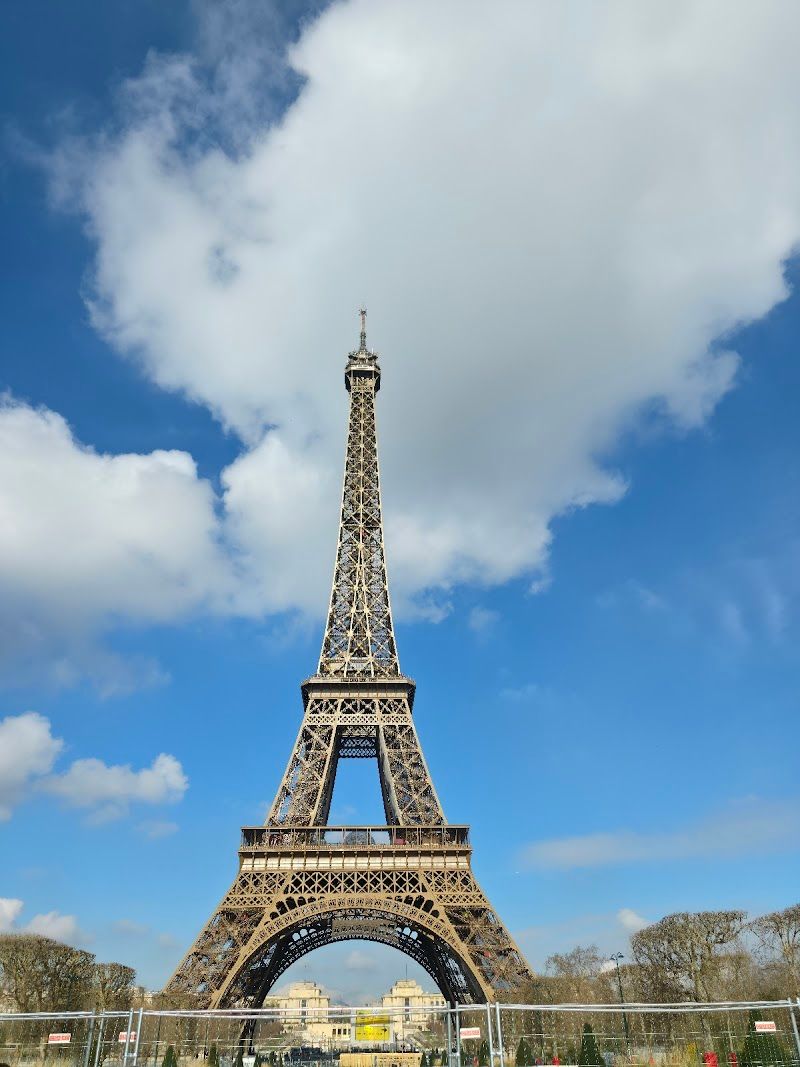
Eiffel Tower pricing gets complicated: Second floor elevator costs €23.50, summit costs €36.70, stairs to second floor run €14.80. Book Eiffel Tower skip-the-line tickets 2-3 weeks ahead or expect 2-hour waits in peak season. The view from Trocadéro remains free and many locals argue it's better than from the tower itself.
Free alternatives that tourists miss: Saint-Eustache Church offers Gothic architecture without entry fees. Père Lachaise Cemetery costs nothing and takes 2-3 hours to explore properly. The Grand Palais and Petit Palais often have free permanent collections.
River cruises like Bateaux-Mouches or Bateaux Parisiens cost approximately €17 for standard 1-hour trips, €70-85 for dinner cruises. The regular cruises offer the same Seine views without the overpriced food.
Budget €150-200 for a week of paid attractions if you hit major sites, or €80-100 if you mix in free alternatives.
The costs nobody warns you about
Water in restaurants: Tap water ("une carafe d'eau") is free and perfectly safe, but servers won't offer it automatically. Bottled water costs €5-8 per bottle. Simply ask for tap water with your meal - it's common and expected.
Tipping confusion: Service is included in restaurant bills, but locals round up €2-5 on good meals. For cafés, leave coins (€0.50-1) for drinks. Hotel porters expect €2-3 per bag, housekeeping €2-3 per night. Taxi drivers get rounded-up fares, not percentage tips.
Museum pass math traps: The pass covers entry but not special exhibitions, which often cost €15-20 extra. At Versailles, the pass covers the palace but not the €10 audio guide that's practically essential. Budget an extra €30-40 for these add-ons.
Rainy day shopping damage: Paris has 152 rainy days per year. When weather turns bad, tourists flee to covered shopping areas like Galeries Lafayette or Le Marais boutiques. A "quick browsing" session easily turns into €100-200 of impulse purchases. Department stores specifically target tourist browsing patterns with strategic layout and sales staff who speak English near entrances.
Café culture costs: Espresso at the bar costs €2-3, but sitting at a table adds €1-2. Parisians drink their coffee standing at the counter, then leave. Tourists sit for 30 minutes and pay table prices for the same coffee.
Late-night transport: After 2:15am Friday-Saturday (1:15am other nights), metro stops running. Night buses (Noctilien) run every 30-60 minutes, but routes are limited. Uber surges 2-3x normal rates between 2am-6am. A ride from Montmartre to Latin Quarter that costs €12 during the day jumps to €35-45 at 3am.
Total budget breakdown
| Category | Budget | Mid-range | Luxury |
|---|---|---|---|
| Daily total | €85-100 | €180-220 | €400-600+ |
| Weekly total | €595-700 | €1,260-1,540 | €2,800-4,200+ |
| Accommodation | €30-35 (hostel) | €90-120 (Airbnb or budget hotel) | €250-400 (boutique to luxury) |
| Food | €25-30 (bakery + street food) | €65-75 (all meals at restaurants) | €120-180 (Michelin dinners) |
| Transport | €4.63 (Navigo weekly pass) | €4.40 (Navigo weekly pass) | €15-25 (taxis) |
| Activities | €15-20 (free sites + museums) | €25-30 (museum pass + paid) | €40-60 (skip lines, shows) |
| Miscellaneous | €10-15 | €20-25 | €50-100 (shopping, premium) |
These numbers assume you're not shopping for designer goods on Champs-Élysées or booking Moulin Rouge cabaret shows every night (€87-170 per person). Add €200-500 weekly if luxury shopping or premium entertainment matters to your trip.
The key insight: Paris rewards preparation more than budget size. A mid-range traveler who books restaurants in advance, buys museum passes, and stays in the right neighborhoods often has better experiences than luxury travelers who wing it and get trapped in tourist zones.
Your total week in Paris will likely fall between €700-1,500 per person, depending on where you sleep and eat. The difference between a good trip and a great trip rarely comes down to spending more, but spending smarter on what matters to you.