Liverpool food specialities tell the story of a port city that welcomed the world and made it its own. This is where dock workers needed hearty stews, where sailors brought spices from distant shores, and where rationing during wartime created dishes that endure today. The food here isn't trying to impress anyone - it's trying to fill you up, warm you through, and remind you why comfort food exists.
You won't find Liverpool cuisine in Michelin guides or celebrity chef cookbooks. What you'll find is food that emerged from necessity, evolved through ingenuity, and survived because it works. The city's food culture is unpretentious, generous, and deeply rooted in its working-class maritime heritage. These aren't dishes for Instagram - they're dishes for life.
Scouse: The Dish That Named a City's People
Scouse isn't just Liverpool's signature dish - it's the reason people from Liverpool are called Scousers. This hearty stew originated from lobscouse, a sailor's dish that combined whatever vegetables and meat were available with ship's biscuit. Liverpool's version evolved into something more sophisticated but retained its practical origins.
Traditional scouse recipe centers on beef (or lamb), potatoes, carrots, and onions, slow-cooked until the potatoes break down to thicken the stew. The controversial ingredient is beetroot - some families swear by it, others consider it heresy. The correct answer is: it depends on your nan's recipe, and questioning anyone's nan is dangerous territory.
The dish comes in two main varieties: blind scouse (without meat, created during lean times) and proper scouse (with meat). Both are served with pickled red cabbage and crusty bread. The best scouse in the city costs between GBP 8-14 at traditional pubs, though many locals insist the best version is always homemade.
Where to eat scouse in Liverpool: The Philharmonic Dining Rooms on Hope Street serves an excellent version in surroundings that haven't changed since 1900. The pub itself is worth visiting for its ornate Victorian interior - the toilets are Grade II listed, which tells you something about the attention to detail. The Philharmonic Dining Rooms charges around GBP 12 for a generous portion.
For a more casual experience, head to Maggie May's on Bold Street, where the scouse comes with proper helpings and no pretense. The Bold Street area has several establishments serving authentic versions, though quality varies significantly.
Liverpool's Sweet Tradition: Wet Nelly and Sticky Toffee
Liverpool traditional food includes desserts that emerged from making the most of stale ingredients. Wet Nelly sounds unappetizing but tastes like childhood comfort. This bread pudding uses up leftover cake, pastry, and bread, mixed with suet and dried fruit, then baked until the top is golden and the inside is moist (hence "wet").
The name supposedly comes from a local character called Nelly who sold this pudding from a cart, though like many food origin stories, this might be more romantic than accurate. What's certain is that Wet Nelly represents the Liverpool approach to cooking: waste nothing, make it taste good, give it a memorable name.
Sticky toffee pudding isn't exclusively Liverpudlian, but the city's version often includes dates sourced through its historic trade connections. The Adelphi Hotel's version became legendary in the 1970s, though the hotel's current iteration doesn't match its former glory.
For authentic Wet Nelly, try the cafes around Mathew Street where several establishments serve traditional versions. Expect to pay around GBP 4-6 for a portion with custard.
Maritime Influences: Salt Fish and Sailor's Biscuits
Liverpool's position as a major port shaped its cuisine in ways that persist today. Salt fish dishes, particularly salt cod, remain popular though they're harder to find in restaurants. The fish was preserved for long sea voyages and became integrated into local cooking when sailors returned home.
Sailor's biscuits (hard tack) evolved into various local breads and crackers. While you won't find authentic ship's biscuit in modern Liverpool, the influence appears in the city's preference for substantial, filling breads that can withstand both weather and time.
The maritime influence also explains Liverpool's early adoption of curry dishes. Sailors brought spices from India and the Caribbean, leading to curry houses opening in Liverpool decades before they became common elsewhere in Britain. The city's curry scene predates London's by several years, though this history is often overlooked.
The Full English, Liverpool Style
Liverpool's version of the full English breakfast includes black pudding (blood sausage), but the local twist is the frequent inclusion of potato bread or fadge. This isn't technically English - it comes from Irish influence in the city, but it's become standard in many Liverpool breakfast establishments.
The Liverpool breakfast typically costs GBP 4.5-7 at local cafes and includes bacon, sausage, eggs, beans, grilled tomatoes, mushrooms, black pudding, and either toast or potato bread. The quality varies dramatically - avoid anywhere that pre-cooks everything and reheats to order.
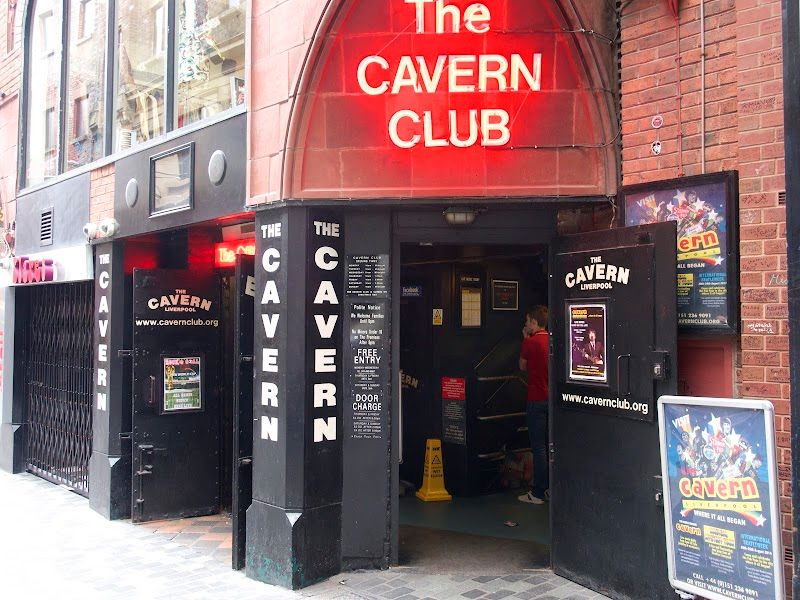
For excellent breakfast, try the cafes around Albert Dock, though expect tourist prices. Better value exists in the Cavern Quarter where local workers eat, meaning higher standards and lower prices.
Pub Food Done Right: Pie and Pint Culture
Liverpool food culture centers heavily on pub food, and the city takes its meat pies seriously. Steak and kidney pie, minced beef and onion pie, and chicken and mushroom pie are standards, but Liverpool pubs also serve regional variations like lobby (a slow-cooked stew with meat and vegetables) and pan haggerty (layered potatoes with onions and cheese).
The pies should have proper pastry - none of that puff pastry nonsense - and generous filling. A good pie costs GBP 8-12 with mashed potatoes and mushy peas. The pint of beer to accompany it runs GBP 4.5-6.5 depending on the establishment and beer quality.
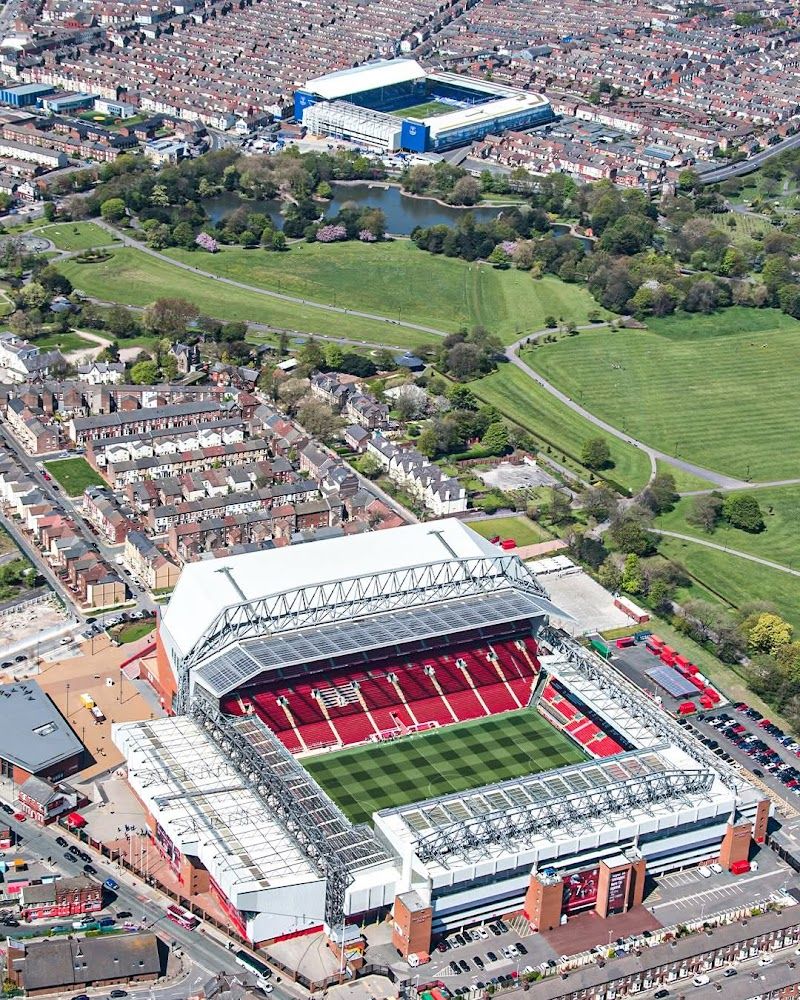
Liverpool FC and Everton FC matchdays transform pub food service across the city. Traditional pre-match meals include scouse (naturally), meat pies, and fish and chips. The rivalry extends to food preferences, though both sets of fans agree on the fundamentals: substantial portions, reasonable prices, quick service.
Fish and Chips: The Merseyside Difference
Liverpool's fish and chips tradition reflects its maritime heritage and working-class roots. The best chip shops use beef dripping for frying, creating chips with more flavor than those cooked in vegetable oil. Fish and chips takeaway costs GBP 7-12 for a standard portion.
The local preference is for cod or haddock, served with thick-cut chips and mushy peas. Some establishments offer scampi (breaded langoustine), reflecting the city's fishing connections. The portion sizes are generous - a regular portion easily feeds two people who aren't particularly hungry.
Pickled eggs appear in many chip shops, another preservation technique from the days when refrigeration wasn't reliable. They're not everyone's preference, but they represent the practical approach to food that characterizes Liverpool cuisine.
International Influences: Chinese and Caribbean Food
Liverpool's maritime connections created one of Britain's oldest Chinatowns, and Chinese cuisine has been part of local food culture since the early 1900s. The area around Berry Street includes several establishments serving dishes adapted for local tastes over more than a century.
Caribbean influence appears in several Liverpool specialties, particularly in seasoning and preparation methods. The city's Caribbean community, established through maritime connections, contributed cooking techniques that influenced local dishes. Curry goat and rice and peas aren't traditional Liverpool food, but they've been part of the city's cuisine for decades.
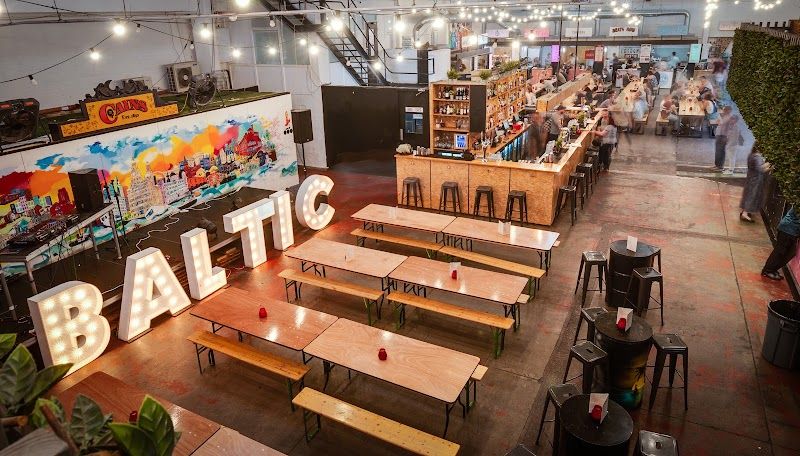
The Baltic Triangle area now includes Baltic Market, which showcases this international influence alongside traditional local food. The market operates Friday through Sunday and offers both street food and sit-down options representing Liverpool's diverse food culture.
Modern Liverpool Food Scene
Liverpool food specialities now extend beyond traditional dishes to include innovative restaurants building on local ingredients and techniques. The city's food renaissance began around 2008, coinciding with its year as European Capital of Culture, but really gained momentum through independent restaurants on Bold Street.
Maray Bold Street represents this evolution - Middle Eastern small plates using local ingredients and serving techniques that respect both traditions. Their small plates range from approximately GBP 6-14 each, with most people ordering 3-4 plates.
Mowgli Street Food offers Indian street food with a Liverpool attitude - quick service, generous portions, bold flavors. Their tiffin boxes cost around GBP 12-15 and provide excellent value.
The modern scene respects traditional Liverpool food culture while expanding it. Restaurants succeed when they maintain the generosity and unpretentiousness that characterizes local food preferences.
Where to Experience Liverpool Food Culture
Experiencing Liverpool traditional food requires visiting different types of establishments. The Bold Street and Georgian Quarter area offers the highest concentration of quality restaurants, from traditional pubs to innovative establishments.
For comprehensive food exploration, the Liverpool food guide covering Bold Street and Baltic Market provides specific restaurant recommendations and neighborhood context.
Traditional pubs remain the best places for authentic scouse, meat pies, and the full pub food experience. Look for establishments that cook on-site rather than reheating pre-prepared food. The difference in quality is significant.
Market food at Baltic Market offers excellent street food representing both traditional and international influences on Liverpool cuisine. The market operates as a food hall with various vendors, allowing you to sample different styles in one visit.
Cafes and breakfast spots throughout the city serve traditional breakfasts and light meals. Quality varies enormously, but establishments frequented by local workers generally maintain higher standards than those targeting tourists.
Planning Your Liverpool Food Experience
Liverpool food culture rewards exploration over planning. The best meals often come from following local recommendations or choosing places based on current quality rather than reputation.
Budget considerations: Traditional Liverpool food remains affordable. A day of authentic local eating - breakfast at a cafe (GBP 4.5-7), scouse lunch at a pub (GBP 8-14), fish and chips for dinner (GBP 7-12) - costs under GBP 35 per person.
Timing matters: Many traditional establishments close early (6-7 PM) or don't serve food all day. Pubs often stop serving food between lunch and dinner service. Check timing before making specific plans.
Local preferences: Liverpool diners value substance over presentation, generosity over refinement, flavor over sophistication. Restaurants that understand this succeed; those that don't, don't last.
The city's food scene reflects its character: direct, generous, unpretentious, and proudly itself. Whether you're following a 2-3 day Liverpool itinerary or spending more time exploring the city, the food provides insight into Liverpool's culture that goes far deeper than any Beatles tour ever could.
Liverpool food specialities aren't trying to compete with London or Manchester. They're trying to be Liverpool food, and in that, they succeed completely. Come hungry, come with an open mind, and come prepared to understand why people from this city are so proud of where they're from.