London's restaurant revolution happened while nobody was looking. Twenty years ago, this was a city where "good food" meant finding a decent curry after 11 PM. Today, you can eat Cantonese dim sum in Chinatown, authentic Jamaican jerk chicken in Brixton, and modernist tasting menus in converted Victorian warehouses - all in the same afternoon.
This London food guide cuts through the noise. We've mapped the city's dining landscape neighborhood by neighborhood, from the tourist traps around Westminster Abbey to the genuine food scenes locals actually use. Expect honest verdicts on where the hype is justified and where you're better off grabbing a sandwich.
The London food scene operates on a simple principle: immigration drives innovation. Every wave of newcomers has left their mark on what Londoners eat, from the Bangladeshi community that turned Brick Lane into Britain's curry capital to the recent influx of Korean restaurants making Soho feel like Seoul.
Westminster & St. James's: Classic London Dining
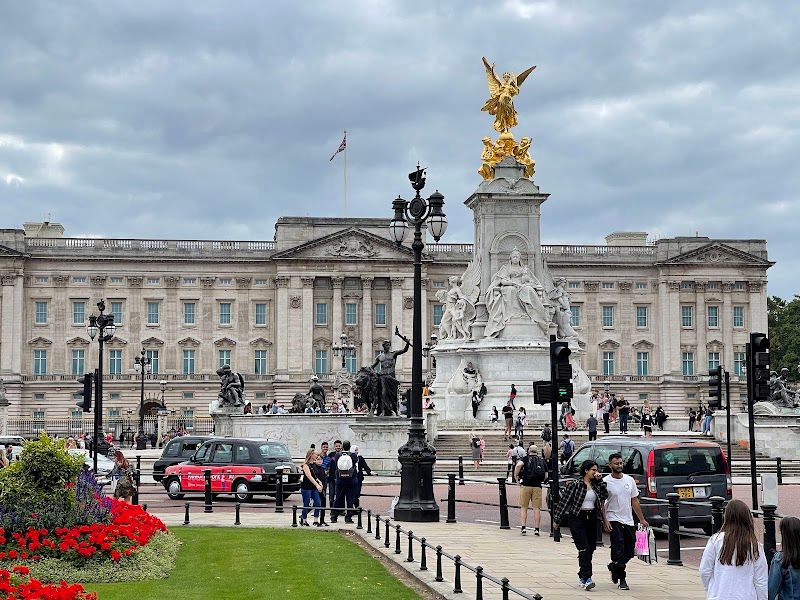
The tourist belt around Buckingham Palace and Big Ben serves exactly what you'd expect - overpriced fish and chips and themed pubs trading on their proximity to landmarks. But Westminster also houses some of London's most establishment restaurants, the kind of places where deals get done over Dover sole.
Rules (35 Maiden Lane) claims to be London's oldest restaurant, serving game birds and traditional British fare since 1798. The upstairs dining room hasn't changed much since Dickens ate here - red banquettes, gas lamps, and waiters who've perfected the art of polite disdain. Expect GBP 60-120 per person for dinner.
The Wolseley on Piccadilly operates like a grand European cafe, all marble columns and velvet seats. The Austrian-inspired menu runs from schnitzel to oysters, but most people come for the see-and-be-seen atmosphere. Weekend brunch here is a London institution, complete with three-hour waits and restaurant dinner upscale pricing.
For something more accessible, head to St. James's Park Cafe (inside St. James's Park). The location is touristy, but the food is honest - decent sandwiches and coffee with one of London's best lunch views. A full meal costs around GBP 12-18.
Avoid the restaurants immediately around Parliament Square and Whitehall. These exist purely to feed tour groups and charge accordingly. If you must eat in the area, duck into The Red Lion (48 Parliament Street), a tiny Victorian pub serving proper pies and bitter since 1434.
Soho & Covent Garden: London Food Culture at Its Best
Soho packs more restaurants per square meter than anywhere else in London. The neighborhood's narrow streets hide everything from Michelin-starred Italian joints to late-night dim sum parlors, often on the same block.
Barrafina (multiple locations) changed how London thinks about Spanish food. No reservations, marble bar seating only, and jamón ibérico that tastes like it was sliced in Seville yesterday. The Adelaide Street location stays busy until midnight, drawing everyone from theater crowds to off-duty chefs. Budget GBP 35-50 per person.
Monmouth Coffee Company on Monmouth Street roasts some of London's best coffee beans. The queue stretches down the block most mornings, but the flat whites justify the wait. A coffee (flat white or latte) here costs the higher end of London prices but delivers café-quality brewing.
Chinatown occupies a few blocks around Gerrard Street, serving London's Chinese community since the 1970s. Dumplings' Legend does exactly what the name suggests - har gow and siu mai that rival Hong Kong's best. Golden Dragon keeps later hours and serves the kind of Cantonese dishes you won't find in suburban Chinese takeaways.
Covent Garden's covered market area draws tourists, but the surrounding streets hide excellent restaurants. Dishoom pays homage to Bombay's old Irani cafes with black dal that simmers for 24 hours and bacon naan that shouldn't work but absolutely does. The restaurant dinner mid-range pricing reflects both the quality and the prime location.
Bar Italia (22 Frith Street) operates 22 hours a day, closing only from 6-7 AM for cleaning. The espresso machine hasn't changed since 1949, and neither has the clientele - a mix of night shift workers, early risers, and anyone who needs proper coffee at 3 AM.
The West End theater district demands dinner options that work around 7:30 PM curtain times. Ivy became famous feeding actors and directors, though the modern incarnation trades more on history than innovation. For pre-theater dining that won't break your budget, try Joe Allen (2 Burleigh Street) - American comfort food in a basement setting that somehow works.
South Bank & Bankside: Market Food and River Views
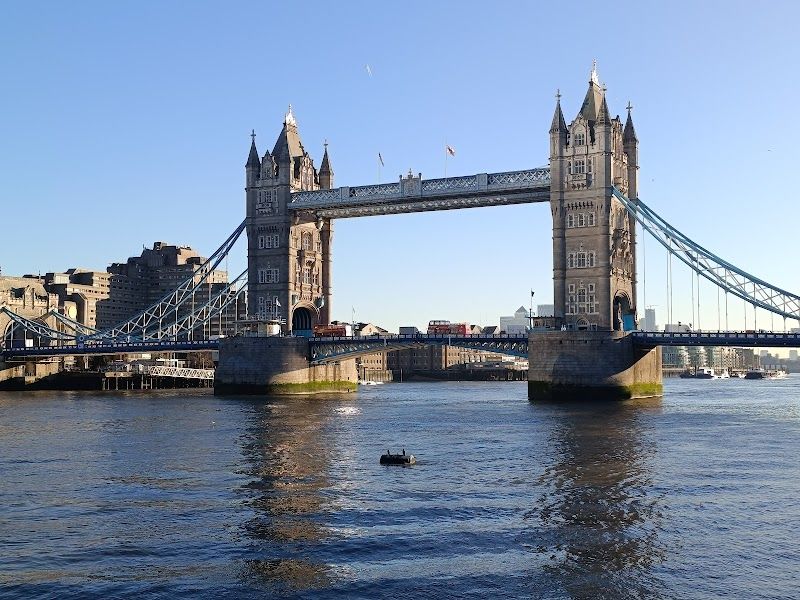
South Bank stretches along the Thames from Westminster Bridge to London Bridge, offering both tourist restaurants with river views and genuinely local food markets.
Borough Market deserves its reputation as London's best food market. Operating since the 13th century, the current Victorian buildings house everything from street food (market stall meal) vendors to high-end cheesemongers. Kappacasein does grilled cheese sandwiches with Montgomery's cheddar that attract 30-minute queues. Monmouth Coffee has an outpost here with shorter lines than the Soho original.
The market's sit-down restaurants vary wildly in quality. Applebee's Fish serves Dover sole and turbot that was swimming yesterday morning. Champor-Champor does Thai food that doesn't pander to British tastes - the green curry will clear your sinuses.
Anchor & Hope (36 The Cut) pioneered London's "no reservations" fine dining trend. The menu changes daily based on what the chefs find at Borough Market that morning. Expect to wait, but the wood-fired cooking and natural wine list make it worthwhile. Budget the higher end of restaurant dinner mid-range pricing.
The area around Tate Modern offers several solid options. Gillray's Steakhouse inside the Marriott County Hall trades on its river views, but the steaks actually justify the premium location pricing. OXO Tower Restaurant on the 8th floor of the OXO Tower provides spectacular views but charges accordingly - closer to restaurant dinner upscale territory.
For budget options, walk inland from the river. Masters Super Fish (191 Waterloo Road) serves proper fish and chips without the tourist markup, and The George Inn (75-77 Borough High Street) operates from a galleried coaching inn that's barely changed since Shakespeare's time.
City of London: Business Lunch Culture
The Square Mile empties after 7 PM most nights, but lunch culture here runs deep. The City's banking and legal communities demand restaurants that serve excellent food quickly - and price it accordingly.
St. John Smithfield revolutionized British cooking by serving the parts other restaurants threw away. Roasted bone marrow with parsley salad remains their signature, though the menu changes daily based on what arrives from their farm suppliers. This is nose-to-tail cooking done properly, not as a gimmick. Lunch costs around GBP 45-65 per person.
Simpson's Tavern (Ball Court, off Cornhill) has served City workers since 1757. The dining room fits maybe 30 people, the menu hasn't changed since Victoria was queen, and booking ahead is essential. Order the stewed cheese - a medieval dish that somehow works with modern wine.
Ye Olde Cheshire Cheese on Wine Office Court claims Johnson, Dickens, and Wilde as former customers. The building survived the Great Fire of 1666, and the interior feels authentically old rather than theme-park medieval. The food matches the setting - hearty, traditional, and designed to accompany serious drinking.
The Leadenhall Market area offers several excellent lunch options. Chamberlain's does outstanding fish - the Dover sole is worth the premium pricing, and the oyster selection changes daily. The Lamb Tavern serves gastropub food in a Victorian market setting that feels properly atmospheric without trying too hard.
For quicker options, Brick Lane Beigel Bake has an outpost near Liverpool Street serving the same 24-hour salt beef sandwiches that made the original famous. A full sandwich costs around GBP 4-6 - possibly London's best food value.
Shoreditch & Brick Lane: Where London Food Innovation Happens
Shoreditch transformed from post-industrial wasteland to foodie destination faster than anywhere else in London. The area now mixes street art with Michelin plates, often in the same converted warehouse.
Dishoom Shoreditch occupies a former Victorian warehouse and serves better Indian food than most places in Delhi. The black dal recipe came from a 90-year-old Parsi grandmother, and it tastes like it. Weekend brunch here requires strategic planning - arrive before 11 AM or accept a two-hour wait.
Poppies on Hanbury Street does fish and chips in a retro setting that somehow avoids feeling gimmicky. The fish comes from Billingsgate Market that morning, the chips are triple-cooked, and the mushy peas actually taste good. A full meal costs around pub lunch (main course) pricing.
Brick Lane's curry houses vary dramatically in quality. Aladin and Preem both serve excellent Bangladeshi food, but avoid the restaurants with touts outside - they exist to separate tourists from their money. The best curries often come from the least impressive-looking places.
Beigel Bake (159 Brick Lane) operates 24 hours and serves London's best bagels from a shop that hasn't been decorated since 1974. The salt beef sandwich with mustard and pickles costs around GBP 4 and feeds two people. This is where cab drivers, night shift workers, and drunk 20-somethings converge at 3 AM.
Dinerama occupies a former goods yard and houses rotating street food vendors under fairy lights. The vendors change regularly, but the quality stays consistently high. Budget street food (market stall meal) prices for portions that often serve as full dinners.
For drinks, Callooh Callay hides a cocktail bar behind a wardrobe in a mock Victorian parlor. The drinks cost GBP 12-16 but justify the premium with technique and presentation that rivals London's best.
Camden Town: International Street Food
Camden Market draws tourists, but the food quality has improved dramatically in recent years. The multiple market areas - Camden Lock, Stables Market, and Buck Street Market - offer everything from Ethiopian injera to Korean fried chicken.
Camden Market proper houses dozens of food stalls serving cuisines you won't find elsewhere in London. Ethiopian Kitchen does vegetarian platters with berbere spice blends that taste authentic. Seoul Bakery serves Korean corn dogs and hotteok that draw queues of homesick students.
The Stables Market focuses on international street food. Yumchaa serves bubble tea with tapioca pearls that actually have texture. Gopal's of Soho does vegetarian Indian street food - the dosas are particularly good.
Jazz Cafe (5 Parkway) combines live music with decent food. The menu skews American - burgers, ribs, mac and cheese - but the quality exceeds typical venue food. Shows often include dinner packages, though eating beforehand gives you more flexibility.
For sit-down dining, Manna (4 Erskine Road) serves vegetarian and vegan food that doesn't apologize for avoiding meat. The menu changes seasonally, and the wine list includes several natural options.
The Black Cap (171 Camden High Street) operates as both gay pub and late-night dining spot. The Sunday roasts draw a mixed crowd, and the atmosphere stays relaxed regardless of who's performing.
Notting Hill & Portobello: Market Culture Meets Fine Dining
Notting Hill balances tourist attractions with genuine neighborhood restaurants. Portobello Road's market draws weekend crowds, but the surrounding streets house excellent local spots.
Portobello Road Market operates Saturday mornings, offering everything from antiques to international food stalls. Hummingbird Bakery started the cupcake trend in London - their red velvet remains the standard others copy. Golborne Fishmonger sells excellent fish and chips from a tiny stall that's been operating since the 1960s.
The Ledbury (127 Ledbury Road) holds two Michelin stars and serves modern European food that justifies the reputation. The tasting menu changes seasonally and costs well into restaurant dinner upscale territory, but the technique and presentation rival anywhere in London. Book months ahead.
Dishoom has a Kensington outpost that's slightly calmer than the Shoreditch original. Same excellent food, marginally shorter waits, and easier parking if you're driving.
Geales (2 Farmer Street) has served fish and chips since 1939. The restaurant version offers tablecloths and wine, but the takeaway counter serves the same fish at pub lunch (main course) prices. The batter recipe hasn't changed since opening.
Julie's Restaurant & Champagne Bar (135 Portland Road) occupies a Victorian house with different dining rooms on each floor. The basement wine bar serves lighter meals, while the main restaurant upstairs does modern European cooking in properly romantic surroundings.
For coffee, Granger & Co (175 Westbourne Grove) serves Australian-style brunch that works any time of day. The ricotta hotcakes with banana and honeycomb butter justify queuing, and the flat whites meet Australian standards.
Kensington & Chelsea: Museum District Dining
The area around the Natural History Museum and Victoria and Albert Museum offers museum cafes alongside some of London's most expensive restaurants.
Dinner by Heston Blumenthal (Mandarin Oriental Hyde Park) serves historically-inspired British dishes with modern techniques. The meat fruit appetizer looks like a mandarin orange but tastes like perfect chicken liver parfait. Expect restaurant dinner upscale pricing that reflects both the location and the celebrity chef.
Zuma (5 Raphael Street) does high-end Japanese robatayaki grilling in sleek surroundings. The black cod with miso remains their signature, though the sushi selection rivals dedicated sushi bars. Budget accordingly - this targets expense account dining.
Bibendum occupies the original Michelin House and serves French food under stained glass windows featuring the Michelin Man. The oyster bar downstairs offers more casual dining, while the main restaurant upstairs requires reservations and deeper pockets.
The Victoria and Albert Museum Cafe serves surprisingly good food in the museum's original refreshment rooms. The William Morris room features original 1860s tilework, and the menu includes both quick bites and proper meals. Museum entry is free, making this one of London's most atmospheric lunch spots.
Natural History Museum Cafe operates in the museum's Hintze Hall beneath the whale skeleton. The food is institutional but acceptable, and eating surrounded by Victorian architecture and natural history displays creates a unique atmosphere.
For more casual options, My Old Dutch (221 King's Road) serves enormous pancakes - both sweet and savory - in generous portions that often feed two people. The Dutch owners import ingredients from the Netherlands, and the apple pancakes with cinnamon taste authentic.
Bluebird Cafe (350 King's Road) occupies a converted 1920s garage and serves modern European food in an Art Deco setting. The weekend brunch draws Chelsea locals, and the courtyard garden provides rare outdoor seating.
Bloomsbury & King's Cross: Student Food Meets Michelin Stars
Bloomsbury mixes university students with museum visitors, creating a food scene that ranges from budget curry houses to destination restaurants.
Dishoom King's Cross operates from a former transit shed and serves the same excellent Indian food as other locations. The railway setting feels appropriate given the area's transportation history, and the weekend brunch includes Bombay street breakfast items you won't find elsewhere.
Coal Drops Yard houses multiple restaurants in converted Victorian railway buildings. Barrafina serves Spanish small plates, Dishoom does Indian comfort food, and Casa Pastor offers Mexican tacos with British ingredients. The shopping development feels slightly artificial, but the food quality justifies the visit.
Grain Store (1-3 Stable Street) occupies a former granary and serves vegetable-focused modern European food. Chef Bruno Loubet creates dishes where vegetables take center stage rather than playing supporting roles. The restaurant dinner mid-range pricing reflects both the location and the innovative cooking.
The British Museum offers several dining options. The Great Court Restaurant serves afternoon tea under Norman Foster's glass roof, while the Court Cafe offers lighter meals and excellent coffee. Museum entry remains free, making these some of London's most cultural dining spots.
Charlotte Street houses numerous restaurants serving the Fitzrovia media and advertising communities. Roka does high-end Japanese robatayaki cooking, Pied à Terre serves French fine dining, and Goodge Street offers excellent Vietnamese pho.
Honey & Co (25a Warren Street) serves Middle Eastern food from a tiny space that seats maybe 20 people. The breakfast shakshuka and honey cake justify the inevitable wait, and the adjacent deli sells takeaway versions of most menu items.
Marylebone & Fitzrovia: Village Dining in Central London
Marylebone feels like a village despite its Zone 1 location. The area's independent restaurants and specialty food shops serve both locals and visitors to nearby Oxford Street.
Chiltern Firehouse (1 Chiltern Street) occupies a converted Victorian fire station and serves modern American food to celebrities and people who want to eat near celebrities. The food actually justifies the prices, though the scene often overshadows the cooking.
Dinings SW3 (8-10 Harcourt Street) does Japanese-European fusion that sounds gimmicky but works brilliantly. The sashimi selection changes daily, and the European influences - truffle, foie gras, caviar - complement rather than overwhelm the Japanese base.
La Fromagerie (2-6 Moxon Street) started as a cheese shop and expanded into a cafe serving excellent light meals. The cheese selection spans Europe, and the attached restaurant serves dishes designed to showcase seasonal British ingredients.
The Providores (109 Marylebone High Street) pioneered the fusion cooking that's now common across London. New Zealand chef Peter Gordon creates dishes that shouldn't work - Turkish eggs with chorizo oil, anyone? - but absolutely do.
Daunt Books cafe (83 Marylebone High Street) serves coffee and light meals in one of London's most beautiful bookshops. The Edwardian interior with oak galleries and stained glass skylights creates an atmosphere worth the slightly premium pricing.
Fischer's (50 Marylebone High Street) serves Austrian and German food in a setting that recreates the grand cafes of Vienna. The schnitzel arrives properly pounded and crispy, and the apple strudel tastes like grandmother made it.
Making the Most of London's Food Scene
London's restaurant pricing operates on clear tiers. Pub lunch averages GBP 14-20, restaurant dinner mid-range runs GBP 30-55, and restaurant dinner upscale starts at GBP 60-120. Street food provides the best value - street food (market stall meal) portions often serve as full dinners for GBP 8-14.
Reservations matter more in London than most cities. Popular restaurants book weeks ahead, especially for weekend dinner slots. Many places hold bar seats for walk-ins, but arriving early increases your chances.
Tipping runs 12.5% for table service, though many restaurants add this automatically. Check your bill before adding extra. Pub table service doesn't require tipping, and counter service never does.
The best London food experiences often happen in unlikely places - a 24-hour bagel shop, a Victorian market, a basement wine bar that's barely marked. This city rewards curiosity over caution, whether you're chasing Michelin stars or perfect fish and chips.
For comprehensive coverage of London's drinking culture, check our guide to the best pubs in London. If you're planning a longer stay, our 3-day London itinerary includes food recommendations alongside major attractions. And for budget-conscious travelers, our London on a budget guide covers affordable eating options across all neighborhoods.
London's food revolution happened quietly, but the results speak loudly. From Borough Market's morning bustle to late-night dim sum in Chinatown, this city now feeds its residents and visitors better than ever before. The only question is where you'll start eating.