Most travelers avoid Lyon in winter, which is exactly why you should go. While Paris shivers under grey skies and Provence closes half its restaurants, Lyon hits its stride between December and February. The city's legendary bouchons become refuges of warmth and comfort food, the Vieux Lyon traboules empty of tour groups, and December brings the Festival of Lights that transforms the city into a glowing wonderland.
Lyon in winter weather averages 3-8°C (37-46°F), which sounds brutal until you realize this is perfect sweater-and-scarf weather for wandering between heated bistros. The city gets about 8-10 rainy days per month in winter, but rarely sees snow that sticks. More importantly, winter is when Lyon's soul emerges: locals hunker down in their favorite spots, seasonal ingredients reach their peak, and the city feels less like a destination and more like a place where people actually live.
Why Lyon Winter Weather Actually Works in Your Favor
Lyon winter weather gets dismissed as dreary, but the numbers tell a different story. December temperatures hover around 3-7°C (37-45°F), January drops to 2-6°C (36-43°F), and February warms slightly to 4-9°C (39-48°F). This isn't Mediterranean warmth, but it's also not the bone-chilling cold of northern Europe.
The key advantage: Lyon's compact geography makes winter weather irrelevant for most sightseeing. The historic center spans just 3 square kilometers. You can walk from Place Bellecour to the Halles de Lyon Paul Bocuse in 12 minutes. The metro connects major attractions, and stations are never more than 500 meters apart in the center.
Rainfall averages 45-55mm per month in winter, typically falling as light drizzle rather than downpours. Pack a compact umbrella and waterproof jacket, but don't expect the dramatic storms that hit Mediterranean cities. The real weather advantage: virtually no tourists means you can actually see the city's attractions without fighting crowds.
December: Festival of Lights Season
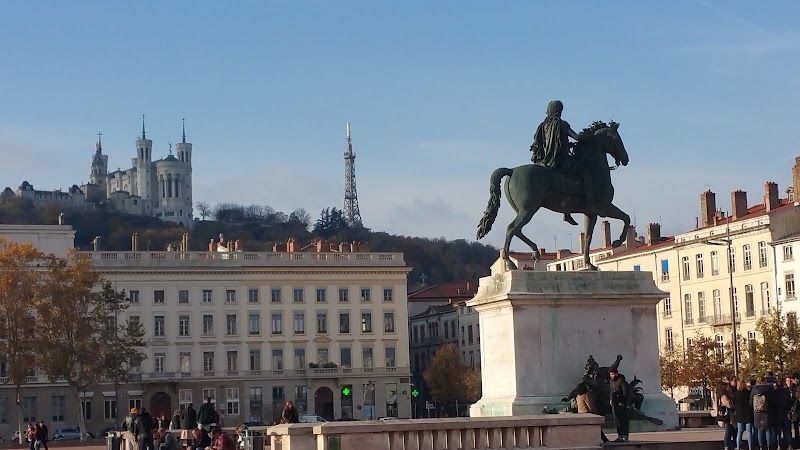
December is when visiting Lyon in winter becomes magical rather than merely practical. The Festival of Lights (Fête des Lumières) runs for four days in early December, usually December 5-8. The entire city center becomes an open-air art installation, with light projections covering the Basilique Notre-Dame de Fourvière, Place des Terreaux, and dozens of other landmarks.
Hotel prices during Festival of Lights jump 50-80% and book out months ahead. If you're visiting specifically for the festival, reserve accommodations by September. If you're more interested in Lyon's food scene and historic sites, visit any other time in December for normal rates and smaller crowds.
The festival crowds (over 2 million visitors across four days) can make the experience more of an endurance test than a celebration. Consider staying slightly outside the center - Confluence or eastern Presqu'île - and walking in for specific installations rather than trying to see everything.
Lyon Winter Activities That Beat Summer Versions
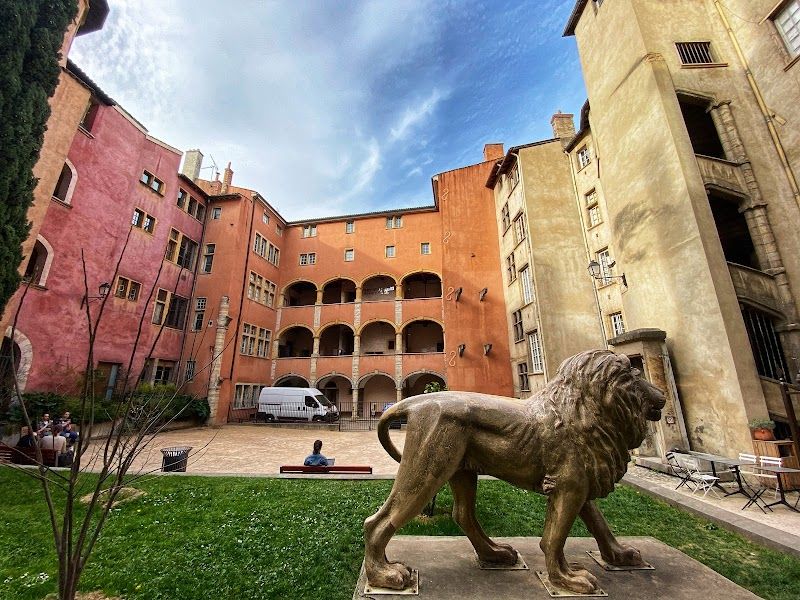
Winter transforms Lyon's best experiences in ways that summer visitors miss entirely. The city's famous traboules (hidden passageways) feel atmospheric rather than touristy when you're exploring them alone in dim winter light. The covered passages of Vieux Lyon provide shelter while still delivering the full Renaissance architecture experience.
Indoor Food Markets and Warm Bistros
Les Halles de Lyon Paul Bocuse becomes a destination in winter rather than just a stop. The heated indoor market draws locals shopping for ingredients while tourists huddle outside summer attractions. Vendors offer hot tastings of Saint-Marcellin cheese, samples of saucisson from Laurent Mons, and steaming cups of coffee from the upstairs wine bar.
Winter pricing advantage: Many food vendors offer seasonal discounts on premium items. Oyster stalls sell Gillardeau oysters for EUR 2.50 each in January compared to EUR 3.50 in summer. Cheese vendors often throw in extra samples when the market is quieter.
Lyon's bouchons reach peak atmosphere in winter. Café Comptoir Abel, dating to 1928, serves tablier de sapeur and andouillette to locals rather than tourists who can't handle the authentic experience. The wood-fired stoves, checkered tablecloths, and windows steamed from hot food create the exact ambiance these traditional bistros were designed for.
Museum Season Without the Lines
Winter is when Lyon's museum scene becomes accessible rather than frustrating. The Musée des Beaux-Arts de Lyon (EUR 8 admission) typically has 20-30 minute waits for popular temporary exhibitions in summer. In January and February, you can walk directly to the Monet room or spend an hour examining the ancient Roman mosaics without competing for viewing space.
The Musée Miniature et Cinéma (EUR 9.50) showcases miniature movie sets and special effects. Summer crowds make the detailed dioramas impossible to examine closely. Winter visits let you spend 15 minutes studying the miniature recreation of a Parisian café or the special effects masks from contemporary films.
Museum strategy for winter: Start with the Roman sites on Fourvière hill in the morning when temperatures are coldest, then work your way down to indoor attractions as the day progresses. The Musée Gallo-Romain de Lyon-Fourvière (EUR 4) connects directly to the Théâtres Romains de Fourvière via heated underground passages.
Walking Tours That Actually Work
Summer walking tours in Lyon often become endurance contests against heat, crowds, and noise. Winter tours focus on the experience rather than survival. The Lyon Old Town Renaissance & Traboules Guided Visit (EUR 10-15) covers the same route but takes extra time in each traboule to explain the silk trade history and architectural details.
Private tours become more affordable in winter as guides compete for fewer bookings. Expect 20-30% discounts on guided experiences between January 15 and March 1, excluding Valentine's Day weekend.
Where to Eat During Lyon Winter Things to Do
Lyon's restaurant scene transforms completely in winter, shifting from terrace dining and tourist-friendly menus to serious comfort food and local specialties. This is when the city's reputation as France's gastronomic capital makes sense rather than seeming like marketing hype.
Bouchon Season: When Traditional Bistros Shine
Bouchons exist for Lyon winter weather. These traditional bistros serve heavy, warming dishes designed for cold-weather comfort. Winter is the only time to order quenelles de brochet - the pike dumplings in cream sauce that define Lyon cuisine. Summer visitors often find them too rich; winter diners understand they're perfect fuel for walking between heated buildings.
Le Bouchon des Filles in Vieux Lyon serves women-chef interpretations of classic bouchon dishes. Their winter menu includes pot-au-feu lyonnais (EUR 22) and coq au vin with Côtes du Rhône (EUR 24). The restaurant's heated terrace becomes a prime spot for winter dining with outdoor heaters and woolen blankets.
Daniel et Denise Créqui offers the most authentic bouchon experience in Presqu'île. Chef Joseph Viola serves tablier de sapeur (breaded tripe, EUR 18) and andouillette de Troyes grilled with mustard (EUR 20). Winter reservations are actually easier to secure than summer bookings, when tourists flood authentic bouchons.
Seasonal Ingredients and Winter Specialties
Lyon's position between Burgundy wine country and Rhône Valley agriculture means winter brings different ingredients rather than worse ingredients. December through February is season for Bresse chicken (the only AOC-protected poultry in France), winter truffles from nearby Périgord, and game from the Alps.
Restaurants like Chez Paul build their winter menus around seasonal products. Their January menu features civet de sanglier (wild boar stew, EUR 26) and fricassée de volaille aux morilles (chicken with morel mushrooms, EUR 24). These dishes would be impossible or inferior with summer ingredients.
Winter market strategy: Visit the Halles de Lyon Paul Bocuse on Tuesday or Friday mornings when vendors receive fresh shipments. Look for Chaource cheese (winter is peak season), saucisson sec from the Alps, and seasonal vegetables like cardoon (a Lyon specialty similar to artichoke).
Practical Winter Travel: Getting Around Lyon in December
Lyon's public transportation system operates identically in winter, but your strategy should change completely. The TCL metro, bus, and tram network covers the entire urban area with single tickets at EUR 1.90 and weekly passes (Tecely Hebdo) at EUR 18.30.
Metro Strategy for Cold Weather
Four metro lines connect Lyon's major districts, with Line A running from Perrache through Bellecour to Hôtel de Ville. Winter advantage: stations provide heated waiting areas and connect directly to major shopping centers like Part-Dieu and Confluence.
Line D connects winter must-sees without outdoor walking: Vieux Lyon station serves the Renaissance quarter and connects via funicular to Fourvière hill. Bellecour station puts you at Europe's largest pedestrian square. Saxe-Gambetta connects to Part-Dieu for covered shopping and dining.
The Rhônexpress tram to Lyon-Saint Exupéry Airport (EUR 16.30) runs every 15 minutes and connects to Part-Dieu station via heated walkways. Winter flights often face delays, so check arrival times before leaving your accommodation.
Walking Routes That Minimize Outdoor Exposure
Design your Lyon winter itinerary around maximum indoor time rather than covering maximum distance. Start at Place des Terreaux, visit the Musée des Beaux-Arts, then walk through the covered shopping streets to Place Bellecour (total outdoor time: 8 minutes).
From Bellecour, the Presqu'île peninsula offers covered passages and heated shopping areas. Rue de la République provides weather protection via arcades and connects to the Opéra district. The [Passage de l'Argue](pedestrian passage) links major shopping areas without outdoor exposure.
Traboules strategy for winter: The covered passages of Vieux Lyon and Croix-Rousse were designed for weather protection. Start with the most famous traboules (27 Rue du Bœuf, 54 Rue Saint-Jean) early in the day, then use them as shortcuts between indoor attractions rather than destinations themselves.
Lyon Winter Accommodation: Where to Stay
Winter accommodation in Lyon balances location against heating costs and crowd avoidance. Hotels in Presqu'île provide walking access to restaurants and attractions, while Confluence offers modern amenities at lower rates.
Best Winter Neighborhoods for Hotels
Presqu'île remains the top choice for winter stays, putting you within 400 meters of major bouchons, the Halles de Lyon, and metro connections. Budget hotels like Ibis Lyon Centre Perrache (EUR 70-110 per night) provide heated rooms and breakfast areas, plus direct access to Perrache station for airport connections.
Mid-range options like Hotel des Artistes (EUR 90-160) occupy 18th-century buildings with upgraded heating systems and double-glazed windows against street noise. The location on Rue Gasparin connects to Place Bellecour via covered passages.
Avoid Vieux Lyon accommodations in winter unless you specifically want medieval charm over modern comfort. Renaissance-era buildings often struggle with heating efficiency, and the neighborhood's tourist restaurants close early in winter.
Confluence offers the best value for winter comfort. Modern hotels like Novotel Lyon Confluence (EUR 120-180) feature efficient heating, soundproofing, and connections to heated shopping centers. The tram connection to city center takes 12 minutes.
Winter Booking Strategy
Book Lyon winter accommodation by October for December visits (Festival of Lights demand) or by November for January-February stays. Winter rates drop 25-40% compared to summer, except during Christmas week and New Year's Eve.
Hostel dormitory beds (EUR 25-45) become more appealing in winter when you're spending daylight hours indoors at museums and restaurants rather than seeking outdoor activities. Lyon hostels typically provide heated common areas, kitchens for preparing hot meals, and locker storage for winter gear.
Luxury hotels offer their best winter packages between January 15 and February 28. Five-star properties like Villa Florentine (EUR 250-450) include spa access, heated pools, and multi-course breakfast service designed for guests planning shorter outdoor excursions.
Visiting Lyon in winter reveals the city's authentic character rather than its tourist-friendly summer persona. The combination of uncrowded attractions, peak comfort food season, and genuine local atmosphere makes December through February the ideal time to understand why this is where the French go to eat. Pack warm clothes, bring an appetite, and prepare to discover Lyon when it's most itself.
For more detailed guidance on planning your visit, check out our comprehensive Lyon first-time guide and 2-3 day itinerary. When you're ready to plan your dining experiences, our neighborhood food guide breaks down where to find the best winter comfort food in each district.