Nice France worth visiting? The short answer is yes, but with important caveats. After spending considerable time in this Mediterranean city, I can tell you that Nice delivers on many of its promises while falling short on others. The light really is different here - photographers weren't lying - and the combination of Alpine backdrop with Mediterranean coastline creates genuinely beautiful moments. But Nice also comes with tourist-trap restaurants, overpriced beach clubs, and summer crowds that can make the Promenade des Anglais feel more like a conveyor belt than a leisurely stroll.
The question isn't whether Nice is beautiful (it is), but whether it offers enough authentic experiences to justify the cost and crowds. The answer depends on what you're seeking and when you visit.
What Makes Nice France Worth Visiting
The Promenade and Natural Setting
The Promenade des Anglais remains the city's defining feature for good reason. This 7-kilometer seafront boulevard offers unobstructed views of the Baie des Anges, with the Maritime Alps rising dramatically behind the city. The famous blue chairs facing the Mediterranean aren't a tourist gimmick - locals use them daily, especially at sunset when the light turns golden.
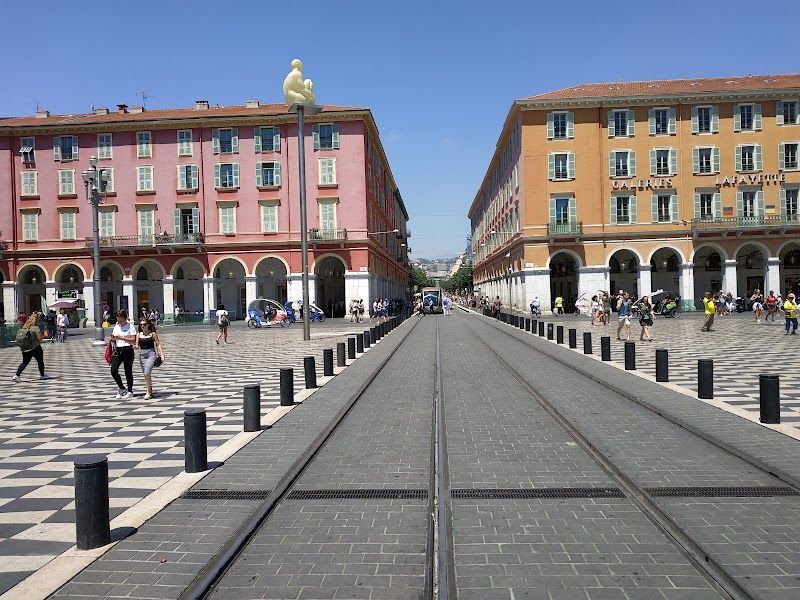
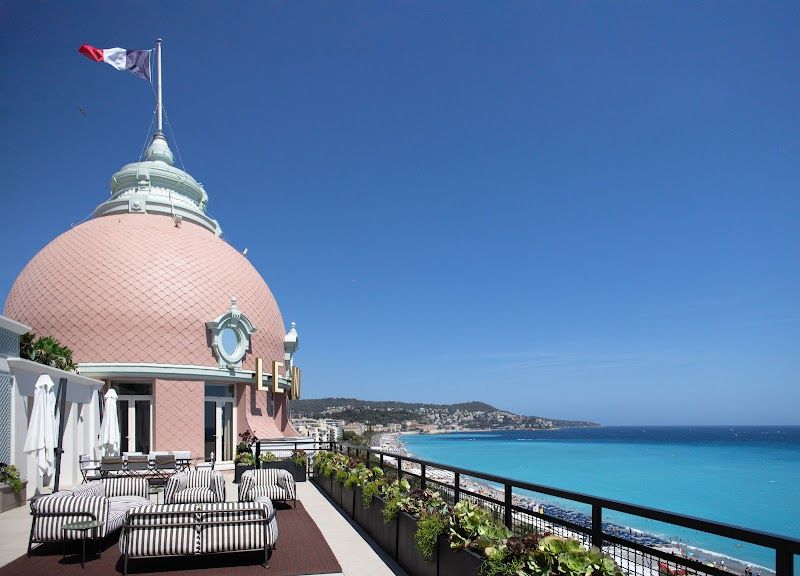
The promenade itself tells Nice's history through its architecture. The Belle Époque Hotel Negresco with its pink dome dominates the western stretch, while Art Deco apartment buildings from the 1930s line the eastern sections. Walking the full length takes about 90 minutes at a leisurely pace, but most visitors focus on the central 2-kilometer stretch between the Hotel Negresco and Place Masséna.
The beaches are pebble, not sand, which some visitors find disappointing until they realize this means clearer water and no sandy clothes. The stones range from small pebbles near the water to larger rocks higher up the beach. Beach mat rentals cost EUR 15-20, or bring a cushion if you plan to spend time on the shore. Public beaches are free but lack amenities - bring water and snacks.
Private beach clubs occupy much of the prime beachfront, charging EUR 30-50 for day bed access with umbrellas, changing rooms, and restaurant service. While expensive, these clubs provide the comfort that makes Nice's pebble beaches enjoyable for extended stays.
Authentic Old Town Culture
Vieux-Nice represents the city's most compelling argument for a visit. The neighborhood between Cours Saleya Market and Castle Hill contains narrow streets painted in ochre and terracotta, with laundry hanging between buildings and the persistent aroma of socca cooking in wood-fired ovens.
Rue de la Boucherie exemplifies Old Nice's character with its mix of family-run shops, traditional restaurants, and residential apartments occupied by locals who've lived here for generations. The street connects the Cours Saleya to the Cathédrale Sainte-Réparate, showcasing baroque architecture alongside 18th-century Italian-influenced buildings.
The morning market at Cours Saleya (Tuesday-Sunday, 6 AM-1:30 PM) showcases genuine Provençal produce culture. Local vendors sell everything from Niçois olives to aged goat cheeses, and the atmosphere feels authentically Mediterranean rather than performatively tourist-focused. Monday transforms the square into an antique market, revealing another layer of local culture.
Specific vendors worth seeking include the olive seller at the western end who offers tastings of different varieties, and the flower vendor near the fountain whose arrangements reflect seasonal Alpine and Mediterranean blooms. Prepared foods range from socca and pissaladière (onion tart) to fresh pasta and regional wines.
Art Museums
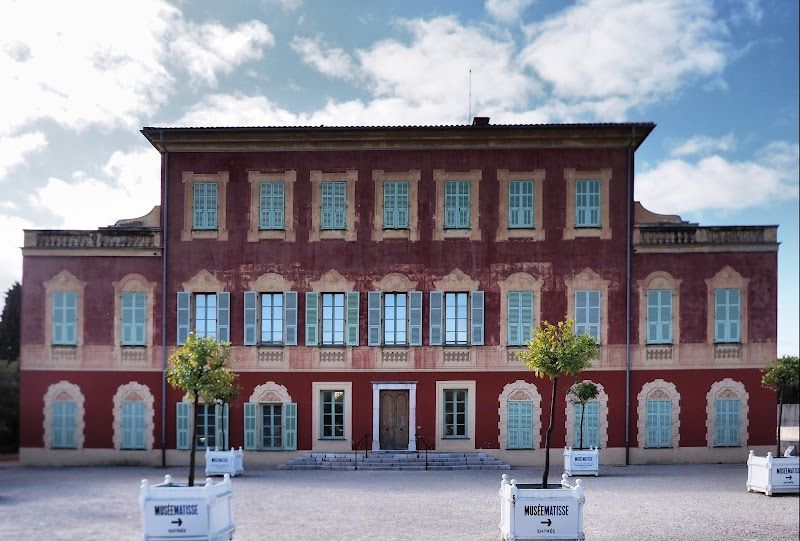
Nice punches above its weight in art collections, largely due to artists who chose to live and work here. The Musée Matisse in Cimiez houses works spanning the artist's entire career in a 17th-century villa (admission EUR 10). The collection includes personal items, sketches, and major works like the "Blue Nude" series, showing Matisse's evolution from traditional painting to revolutionary cut-outs.
The museum's setting in Cimiez adds to the experience. The neighborhood's Roman ruins and olive groves provide context for why Matisse chose Nice as his permanent home. The nearby cemetery contains Matisse's grave alongside other notable figures who found inspiration in Nice's unique light.
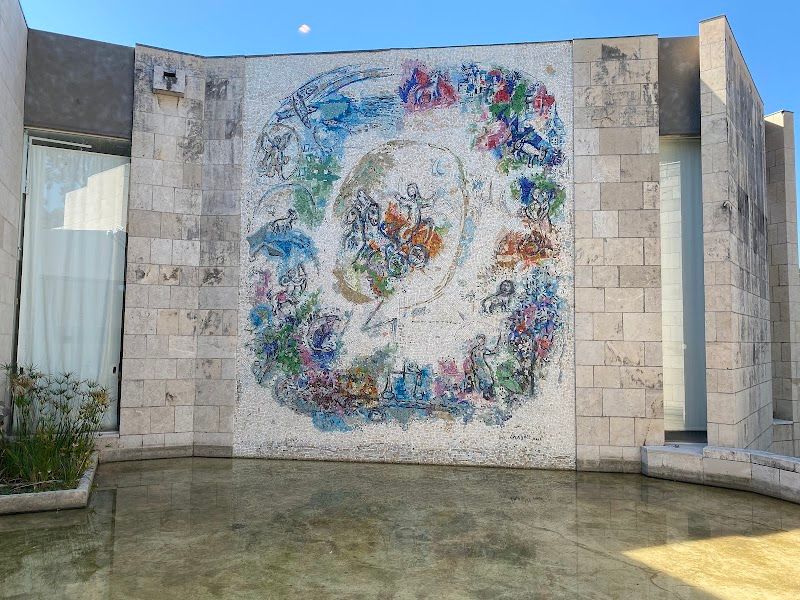
The Musée National Marc Chagall contains the world's largest public collection of Chagall works, including his biblical message series (admission EUR 10, free for EU residents under 26). The purpose-built museum, designed in collaboration with Chagall himself, creates an immersive experience where natural light enhances the colors in ways impossible in traditional galleries.
The Musée d'Art Moderne et d'Art Contemporain offers free admission to its permanent collections and frequently hosts compelling temporary exhibitions. The building's rooftop terrace provides panoramic views over Nice, making it worth visiting even for those with limited interest in contemporary art.
The Reality Check: Nice's Significant Drawbacks
Summer Crowds and Inflated Pricing
July and August transform Nice into a crowded, expensive destination that bears little resemblance to the relaxed Mediterranean city many visitors expect. Hotel prices during peak season range from EUR 150-280 for mid-range properties, while luxury hotels command EUR 300-800 nightly. These same hotels often cost EUR 60-120 during winter months.
The beaches become so crowded that finding space requires arriving before 9 AM, and even then, you'll be squeezed between other visitors on towels placed centimeters apart. The famous blue chairs on the Promenade fill by 8 AM and remain occupied until sunset.
Restaurant terraces on the Cours Saleya charge EUR 8 for espresso that costs EUR 1.50 at the bar counter around the corner. This pricing disparity exists year-round but becomes more pronounced during summer when demand peaks. Tourist-facing restaurants inflate prices across all categories - a glass of local wine jumps from EUR 5-9 at neighborhood bars to EUR 12-18 at Promenade establishments.
Tourist Trap Concentration
The area immediately surrounding the Promenade des Anglais and central Old Town contains numerous restaurants serving mediocre food at inflated prices. A salade Niçoise that should cost EUR 12-18 often appears on tourist-facing menus for EUR 25-30, frequently prepared with ingredients that bear little resemblance to the authentic dish.
Authentic salade Niçoise contains specific ingredients: tomatoes, hard-boiled eggs, anchovies, olives, green beans, and tuna, dressed with olive oil. Tourist versions often substitute lettuce for mesclun greens, add potatoes (which traditionalists reject), and use poor-quality canned tuna instead of fresh or high-quality preserved fish.
Many visitors never venture beyond this central tourist zone, missing more authentic neighborhoods like the residential areas of Cimiez or the working port district where locals eat and shop daily.
Limited Beach Experience Compared to Expectations
While the Mediterranean setting is beautiful, Nice's beaches offer a limited experience compared to other coastal destinations. The pebble beaches require foot protection - most visitors need water shoes or thick flip-flops to walk comfortably on the stones. Much of the prime beachfront is occupied by private beach clubs charging EUR 30-50 for a day bed, making beach access expensive for budget travelers.
Public beach areas exist but lack amenities like showers, changing rooms, or nearby restrooms. The nearest public facilities are often several blocks inland, making full beach days less convenient than at purpose-built resort destinations.
The water temperature only becomes comfortable for extended swimming between June and September, with July and August offering the warmest conditions around 24°C. Spring and fall water temperatures hover around 16-18°C - refreshing for quick dips but too cold for most visitors to enjoy prolonged swimming.
When Nice France Is Worth Visiting
Optimal Timing for Value and Experience
May and October represent the sweet spot for visiting Nice. Weather remains pleasant with daily highs around 20-23°C and minimal rainfall. Tourist crowds diminish significantly - restaurant tables become available without reservations, and hotel rates drop to EUR 100-180 for quality properties. Museums and attractions maintain full operating hours without summer's overwhelming visitor numbers.
May offers the additional benefit of spring blooms in the region's gardens and markets filled with seasonal produce like asparagus, artichokes, and early strawberries. October provides warm sea temperatures from summer heating while air temperatures cool to comfortable walking levels.
November through March offers the best value and authentic local atmosphere. Many tourist-oriented businesses close, but permanent restaurants and cafes remain open, serving primarily locals and revealing Nice's genuine character. Daily temperatures average 10-15°C with frequent sunshine - walking and museum visits.
Winter advantages include hotel rates as low as EUR 60-95 for decent properties, restaurant prices that reflect local rather than tourist economics, and museum experiences without crowds. The Cours Saleya Market continues operating with seasonal offerings like winter citrus, root vegetables, and preserved goods.
April and June provide good weather with moderate crowds, though prices begin climbing in June as summer approaches. These months offer a compromise between winter value and summer weather, with April featuring mild temperatures and June providing early summer warmth without peak-season intensity.
Budget Considerations and Realistic Daily Costs
Determining if Nice is worth visiting often comes down to budget expectations. Here's what realistic daily costs look like across different travel styles:
Budget travelers (EUR 50-75 daily): Hostel accommodation EUR 25-45, meals from markets and budget restaurants, public transport EUR 1.70 per ride. This budget requires staying in shared accommodations, eating picnic lunches from the market, and limiting restaurant meals to one per day at neighborhood establishments away from tourist zones.
Mid-range visitors (EUR 120-180 daily): EUR 100-180 hotel, restaurant meals EUR 35-55 with wine, occasional taxis, museum admissions. This level provides comfortable accommodation, dinner at quality restaurants, and flexibility to experience Nice's cultural attractions without constant budget concerns.
Luxury travelers (EUR 300+ daily): EUR 300-800 hotel, fine dining EUR 80-150, private transportation, premium experiences. Luxury budgets enable stays at hotels like the Negresco, meals at Michelin-starred restaurants, and private tours or experiences.
Transportation within Nice remains affordable regardless of budget level. Weekly bus and tram passes cost EUR 15, providing unlimited access to the entire network including routes to Cimiez museums and outlying neighborhoods. Single rides cost EUR 1.70 with 74-minute transfer validity.
The Airport Express Bus 99 costs EUR 6 compared to EUR 35-45 taxi fares, making airport transfers budget-friendly. Taxis within the city typically cost EUR 8-15 for cross-town trips, useful for late-night returns or carrying luggage.
Comparing Nice to Alternative Destinations
Versus Other French Riviera Cities
Cannes offers more luxury and glamour but less authentic culture and significantly higher prices across all categories. The beaches are sandy and more comfortable, but the city feels more artificial with fewer genuine local neighborhoods. Cannes works better for short visits focused on luxury shopping and dining rather than cultural immersion.
Antibes provides similar Mediterranean charm with fewer crowds and lower prices, but lacks Nice's museum quality and transportation connections. The old town feels more intimate, and Juan-les-Pins offers better beach experiences, but accommodation options are limited and many restaurants close during winter months.
Menton near the Italian border offers authentic Riviera atmosphere with excellent value for money, but limited nightlife and cultural attractions. The town works well for relaxed stays focused on gardens, mild weather, and peaceful Mediterranean life, but lacks the urban energy and cultural depth that make Nice compelling.
Versus Other Mediterranean Destinations
Barcelona provides more architectural interest through Gaudí's works and Gothic quarters, better food scenes with superior tapas culture, and comparable costs with superior beach experiences. However, Barcelona lacks Nice's intimate scale and the unique combination of French and Italian cultural influences.
Naples offers more authentic Italian culture, significantly better food, and lower prices across accommodation and dining, but requires more travel savvy to navigate effectively. Naples provides grittier authenticity compared to Nice's polished tourism infrastructure.
Marseille delivers authentic French Mediterranean culture with better value than Nice, featuring excellent bouillabaisse, genuine working-port atmosphere, and diverse neighborhoods. However, Marseille requires more effort to find the best experiences and lacks Nice's concentrated cultural attractions.
Maximizing Your Nice Experience Through Strategic Choices
Smart Neighborhood Selection
Staying in Cimiez provides residential atmosphere with easy access to major museums and Promenade connections via bus lines 15 and 22. The neighborhood offers better restaurant value and authentic local life, with family-run trattorias serving residents rather than tourists. Hotels in Cimiez typically cost EUR 20-40 less per night than equivalent properties near the Promenade.
The Port area combines waterfront access with reasonable pricing and excellent restaurant options away from tourist crowds. The neighborhood features working maritime atmosphere with fishing boats, yacht maintenance facilities, and restaurants serving fresh seafood to local sailors and residents.
Avoiding hotels directly on the Promenade saves EUR 50-100 nightly while providing more authentic experiences. Properties one or two blocks inland offer the same access to beaches and attractions while positioning you among locals going about daily life.
Authentic Food Experiences Beyond Tourist Restaurants
Skip restaurants with multilingual menus near major tourist sites. Instead, visit Chez Pipo for socca (EUR 3-6), where locals queue for chickpea crepes cooked in wood-fired ovens. The cramped space and limited seating prove its authenticity - tourists seeking comfort eat elsewhere.
La Merenda serves traditional Niçois cuisine (no reservations, cash only) in a tiny space where the chef-owner prepares each dish personally. Expect to wait for tables and bring exact change - the restaurant operates more like a family kitchen than a commercial establishment.
Acchiardo represents four generations of family-run Italian-influenced cooking, serving handmade pasta and Niçois specialties to regulars who've eaten there for decades. The wine list features regional bottles chosen for value rather than markup potential.
The Cours Saleya market provides excellent prepared foods for EUR 8-15, including fresh pasta, regional cheeses, and seasonal produce picnics. Local bakeries offer croissant and coffee breakfasts for EUR 4-7, providing authentic French morning routines.
Cultural Immersion Strategies
The French Riviera Museum Pass costs EUR 28 for three days and includes 180+ regional attractions, but works best for visitors planning extensive museum touring across multiple cities. For Nice-focused visits, individual museum entries often provide better value given several institutions offer free admission.
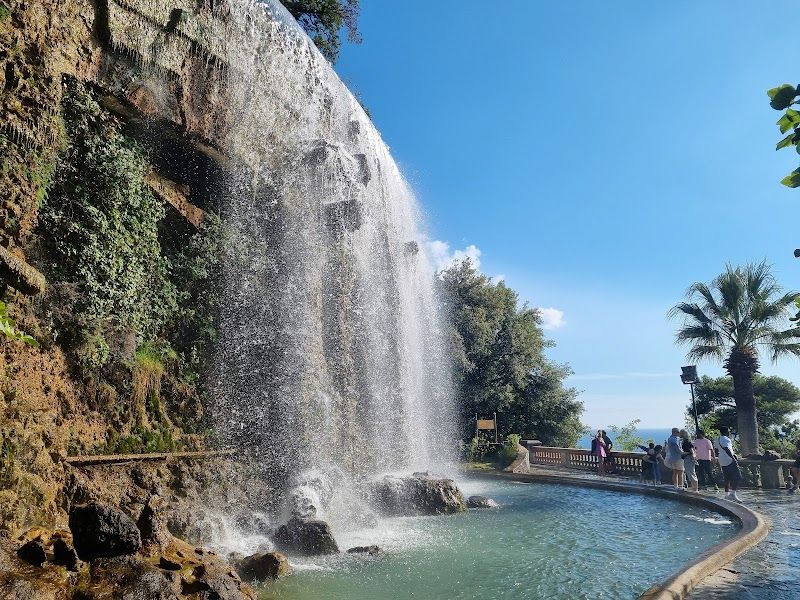
Free cultural experiences include the Palais Massena Museum (free admission), showcasing Nice's Belle Époque history through period rooms and historical artifacts. Castle Hill park access provides panoramic views, archaeological remains, and peaceful gardens picnics with market purchases.
The Vieux-Nice street walks reveal architectural details and historical layers when you know what to observe. Look for Italian-influenced baroque doorways, 18th-century painted facades, and original cobblestone patterns that survived modern renovations.
The Final Verdict: Should You Visit Nice France?
Nice France is worth visiting if you approach it strategically and set appropriate expectations. The city delivers genuine Mediterranean beauty, art collections, and authentic Provençal culture when you know where to look and when to visit. The combination of Alpine and coastal landscapes creates unique photographic opportunities, and the light quality that attracted Matisse and countless other artists remains evident throughout the year.
However, Nice requires effort to avoid tourist traps and experience authentic culture. Visitors who stick to the obvious tourist circuit - Promenade restaurants, central Old Town shops, and peak-season visits - often leave feeling the city was overpriced and underwhelming compared to expectations.
Visit Nice if you:
- Appreciate art museums and cultural institutions with collections
- Enjoy Mediterranean architecture, street markets, and Provençal lifestyle
- Can visit during shoulder seasons (May, October) or winter months for better value
- Want a base for exploring the broader French Riviera region
- Don't mind pebble beaches and prefer clear water to sandy shores
- Appreciate the intersection of French and Italian cultural influences
Skip Nice if you:
- Seek pristine beach experiences as your primary travel goal
- Travel exclusively during July-August peak season when crowds and prices peak
- Prefer destinations with consistent budget-friendly options across all categories
- Want authentic French culture without significant tourist overlay
- Dislike crowded destinations with extensive tourism infrastructure
- Prioritize sandy beaches and extensive water sports facilities
For comprehensive planning that maximizes authentic experiences while avoiding common tourist mistakes, consult our detailed first-time visitor guide, 2-3 day Nice itinerary, and Niçois cuisine recommendations.
Nice rewards visitors who dig beneath the postcard surface to find genuine Mediterranean culture, art, and beautiful coastal landscapes. The city is absolutely worth visiting - just plan thoughtfully to avoid the common pitfalls that leave many tourists disappointed with their French Riviera experience.