Seville's best meals happen where the tourists aren't looking. While visitors queue for overpriced tapas on Santa Cruz's prettiest squares, locals head to the city's food halls and markets for proper Andalusian cooking at honest prices. The seville food hall scene mixes century-old markets with slick modern spaces, creating eating experiences that range from EUR 3 tostas to EUR 15 market meals that beat most restaurant offerings.
This isn't about finding quaint photo opportunities. Seville's markets serve as neighborhood centers where families shop for dinner ingredients and grab lunch from vendors who've perfected their recipes over decades. The quality is higher, the prices are lower, and the atmosphere is authentically Sevillano in a way that tourist-focused restaurants simply can't match.
Mercado Central: Seville's Original Food Hall
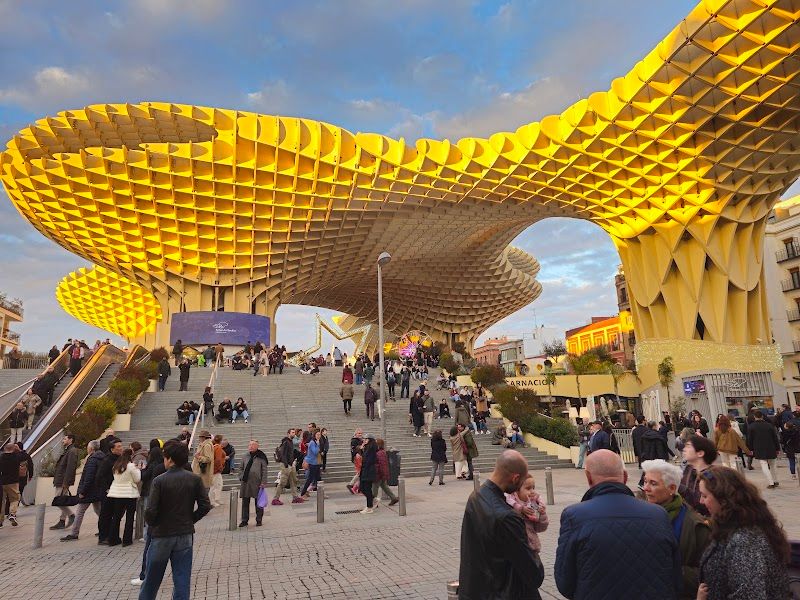
Mercado Central de la Encarnación sits beneath the controversial Metropol Parasol (Las Setas) structure on Plaza de la Encarnación. This underground market operates in a space that was excavated during the construction of the wooden canopy above, revealing Roman and Islamic archaeological remains that are now incorporated into the market design.
The seville mercado central opens Monday through Saturday from 9 AM to 2:30 PM, with no evening hours that disappoint first-time visitors expecting extended shopping time. This traditional schedule reflects the market's role as a morning destination for fresh ingredients rather than a tourist dining experience.
What Makes Mercado Central Special
The market specializes in fresh produce, seafood, and meat from Andalusian suppliers. Marisquería El Pulpo operates one of the few prepared food stalls, serving grilled octopus and fried fish that costs EUR 8-12 per portion. Their octopus comes from Galician suppliers and gets grilled over charcoal, creating the proper contrast between crispy edges and tender interior that most restaurants fail to achieve.
Jamones Sánchez controls the premium jamón ibérico trade in the market. Their jamón ibérico de bellota sells for approximately EUR 80-120 per kilogram depending on the specific producer and aging time. They'll slice samples for potential buyers, and their expertise in explaining the differences between jamón serrano, jamón ibérico, and jamón ibérico de bellota exceeds what you'll find in tourist-oriented shops.
The market's cheese selection comes primarily from Andalusian producers. Quesería Los Palacios stocks sheep and goat cheeses from the Sierra de Cádiz region, including the sharp Payoyo cheese that pairs excellently with local sherry. Prices start around EUR 12-18 per kilogram for young cheeses and increase for aged varieties.
Practical Mercado Central Tips
The market gets crowded between 10 AM and noon when locals do their main shopping. Arriving at 9 AM provides the best selection and easiest navigation. Parking is complicated in the Centro area, making public transport the smarter choice. The nearest metro station is Plaza de la Encarnación (Line 1), just steps from the market entrance.
Cash remains the preferred payment method, though larger vendors accept cards. The market provides no seating areas, so any food purchases are takeaway only. The archaeological museum in the basement costs EUR 2.50 to visit and shows the Roman and Islamic remains discovered during construction.
Mercado Lonja del Barranco: Modern Food Hall Done Right
Mercado Lonja del Barranco represents Seville's attempt at creating a modern food hall in the style of Barcelona's Mercado de San Miguel or Madrid's Mercado de San Antón. Located in a renovated 19th-century iron market structure near the Guadalquivir river, this seville food market succeeds where many similar projects fail by maintaining reasonable prices and avoiding complete tourist orientation.
The market opens daily from 10 AM to midnight, making it Seville's only food hall with evening service. This extended schedule allows for both lunch visits and pre-dinner drinks, fitting naturally into local dining patterns that begin late and extend past traditional northern European dinner hours.
Lonja del Barranco's Food Stalls
El Chato serves arguably the market's best food from a small counter specializing in Andalusian classics. Their salmorejo costs EUR 4.50 and uses the proper bread-to-tomato ratio that creates a silky texture without excessive thickness. The flamenquín (breaded pork roll) costs EUR 8 and arrives properly crispy with quality jamón ibérico filling rather than the processed ham found in tourist versions.
Mariscos Emilio operates the market's seafood counter with daily deliveries from Cádiz and Huelva ports. Their fried pescaíto costs EUR 12-15 per portion and includes small fish like boquerones, salmonetes, and chopitos that get dusted in seasoned flour and fried in olive oil. The quality matches what you'd find at serious seafood restaurants for half the price.
La Taberna del Jamón focuses exclusively on jamón ibérico preparations. Their jamón ibérico plate costs EUR 16 and includes 100 grams of hand-sliced bellota ham with tomato bread and olive oil. They source from specific producers in Jabugo and Los Pedroches, rotating selections based on seasonal availability.
Market food at Mercado Lonja del Barranco ranges from EUR 8-15 for complete meals, making it competitive with neighborhood bars while offering higher ingredient quality and more varied options.
Cervecería La Lonja stocks over 40 Spanish craft beers alongside local favorites like Cruzcampo and Alhambra. Their beer prices (EUR 3-5) remain reasonable for the location, and their staff can recommend Andalusian breweries worth exploring beyond the industrial options found in most bars.
Getting to Lonja del Barranco
The market sits at Calle Arjona 28 in the El Arenal neighborhood, a five-minute walk from the Cathedral. The closest metro station is Puerta de Jerez (Line 1), though the market is easily walkable from most central hotels. Street parking is limited, but the Parking Jardines del Valle garage (EUR 1.50/hour) provides convenient access.
The market building itself merits attention for its iron architecture, typical of late 19th-century market construction throughout Spain. The restoration preserved the original structure while adding modern kitchen facilities and improved ventilation systems.
Mercado de Triana: Neighborhood Institution
Mercado de Triana operates in the heart of Seville's most traditional neighborhood, serving residents who've shopped here for generations. This market prioritizes function over aesthetics, creating an authentic shopping experience that reflects how Sevillanos actually buy food rather than how tourists imagine they should.
The Mercado de Triana opens Monday through Saturday from 9 AM to 2 PM, following traditional market hours that close before the afternoon heat becomes unbearable. Thursday mornings see the highest activity as vendors receive weekly deliveries and locals stock up for weekend cooking.
Triana Market's Character
This market serves the Triana neighborhood population first, tourists second. Vendors know their regular customers and their preferences, creating a social atmosphere where shopping includes conversation and local news exchange. Prices reflect neighborhood economics rather than tourist expectations, making this Seville's most affordable market option.
Pescadería Hermanos Moreno has operated in the same stall for over 30 years, specializing in fish from Sanlúcar de Barrameda and Cádiz. Their langostinos (prawns) cost approximately EUR 18-25 per kilogram depending on size and season. They'll clean fish for customers and provide cooking recommendations that go beyond basic preparation methods.
Carnicería El Toro stocks meat from Andalusian suppliers, including the retinto beef from Cádiz province that produces exceptional steaks and stewing cuts. Their morcilla (blood sausage) costs around EUR 8-12 per kilogram and includes varieties with rice, onion, and different spice combinations that reflect local preferences.
Prepared Food in Triana Market
Bar Mercado operates a tiny counter inside the market serving coffee, beer, and simple tapas to vendors and shoppers. Their coffee costs EUR 1.20 and their tostada con tomate costs EUR 2.50, representing some of Seville's most affordable breakfast options. The atmosphere is purely local, with conversations in rapid Sevillano dialect and zero English accommodation.
Frutas y Verduras Carmen sells seasonal produce from Huelva and Cádiz provinces, including strawberries, oranges, and vegetables that often appear on restaurant menus the same day. Their prices typically run 30-40% below supermarket rates for equivalent quality, making this a worthwhile stop even for short-term visitors.
Reaching Triana Market
The market sits on Calle San Jorge in central Triana, accessible via the Triana Bridge from the cathedral area. No metro stations serve Triana directly, but city buses (EUR 1.40) connect regularly from the center. The Triana neighborhood walk provides context for understanding the area's distinct identity within Seville.
Parking in Triana requires patience and local knowledge. The riverside parking areas fill quickly, and narrow streets make navigation challenging for unfamiliar drivers. Walking across the Triana Bridge from central Seville takes 10-15 minutes and provides better views than any transportation option.
Smaller Markets Worth Your Time
Mercado del Arenal
This compact market near the bullring serves the El Arenal area with basic groceries and limited prepared foods. Marisquería Arenal operates a seafood counter serving fried fish portions for EUR 6-10, though selection depends heavily on daily deliveries. The market opens Tuesday through Saturday from 9 AM to 2 PM, closing Mondays for deep cleaning.
Mercado de la Encarnación (Traditional Section)
Separate from the main Mercado Central, this smaller traditional market operates in adjacent streets with independent vendors. Jamones El Cordobés stocks quality jamón at prices below the main market, while Quesos y Vinos Morales offers wine tastings with cheese pairings for EUR 8-12 per person.
Food Hall Economics: Why Markets Beat Restaurants
Seville market food consistently offers better value than restaurant equivalents. A EUR 12 seafood portion at Lonja del Barranco provides the same quality as a EUR 18-22 restaurant plate, while market jamón selections cost 40-50% less than hotel or tourist area prices.
Markets also provide ingredient education that restaurants cannot match. Vendors explain regional differences in olive oils, identify proper ripeness in seasonal fruits, and recommend cooking methods for unfamiliar cuts of meat or fish. This knowledge transfer creates better eating experiences throughout your Seville visit.
Seville covered markets operate on different economic principles than restaurants. Lower overhead costs, direct supplier relationships, and neighborhood customer bases allow for honest pricing that reflects actual food costs rather than location premiums or tourist expectations.
Timing Your Market Visits
Morning shopping (9-11 AM) provides the best selection and freshest ingredients. Vendors are most willing to explain products and provide samples during slower morning hours. Afternoon visits often find reduced selections as popular items sell out.
Thursday and Friday mornings see peak activity as vendors receive weekly deliveries and locals prepare for weekend meals. This creates the most authentic market atmosphere but also the longest wait times at popular stalls.
Saturday mornings offer a compromise between selection and crowds, though some vendors close early once their daily stock sells out.
Combining Markets with Seville Sightseeing
Market visits integrate naturally with Seville's main attractions. Mercado Central sits directly below Metropol Parasol, allowing for food shopping before or after visiting the archaeological museum and viewpoint.
Lonja del Barranco provides an excellent lunch stop during walks between the Seville Cathedral and Torre del Oro along the river. The market's evening hours also work for pre-dinner drinks after afternoon sightseeing.
Mercado de Triana pairs naturally with exploring the neighborhood's ceramic shops, flamenco history, and river views. The market visit provides context for understanding Triana's working-class identity that persists despite increasing gentrification pressures.
What Not to Expect
Seville's food halls aren't Barcelona's La Boquería or Madrid's Mercado de San Miguel. They serve neighborhood populations first and maintain traditional Spanish market hours and customs. English language accommodation varies significantly, with Triana Market offering essentially none and Lonja del Barranco providing basic tourist service.
Seating remains limited in most markets, particularly traditional ones. This reflects Spanish market culture where food purchases are typically ingredients for home cooking rather than immediate consumption. Lonja del Barranco provides the most eating space, though even there, standing consumption is common during busy periods.
Credit card acceptance isn't universal, especially in traditional markets where cash transactions remain standard. Bringing EUR 20-40 in cash covers most shopping needs and prevents payment-related disappointments.
The Verdict on Seville's Food Markets
Mercado Lonja del Barranco wins for first-time visitors seeking quality food in a comfortable environment with reasonable tourist accommodation. The location, hours, and food selection provide the most successful introduction to Seville market culture.
Mercado Central offers the most authentic traditional market experience while remaining accessible to non-Spanish speakers. The archaeological elements add historical interest beyond the shopping experience.
Mercado de Triana provides the deepest local immersion for travelers comfortable with language barriers and traditional Spanish market customs. This represents how Sevillanos actually shop and eat rather than how tourism marketing suggests they should.
Skip the markets entirely if you're looking for Instagram-worthy presentations or extensive English-language service. These spaces prioritize function, community, and honest pricing over aesthetic appeal or tourist convenience. For travelers seeking authentic Seville eating experiences at local prices, the city's markets deliver exactly what tourist restaurants promise but rarely provide.
For broader context on Seville's dining scene beyond markets, consult our comprehensive food guide covering tapas bars, restaurants, and local specialties. Market visits work excellently as part of a 2-3 day Seville itinerary that balances major sights with authentic local experiences.