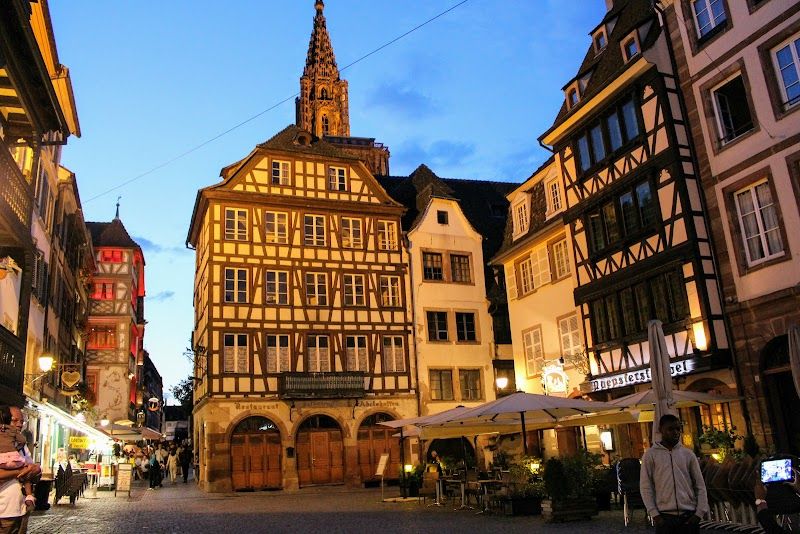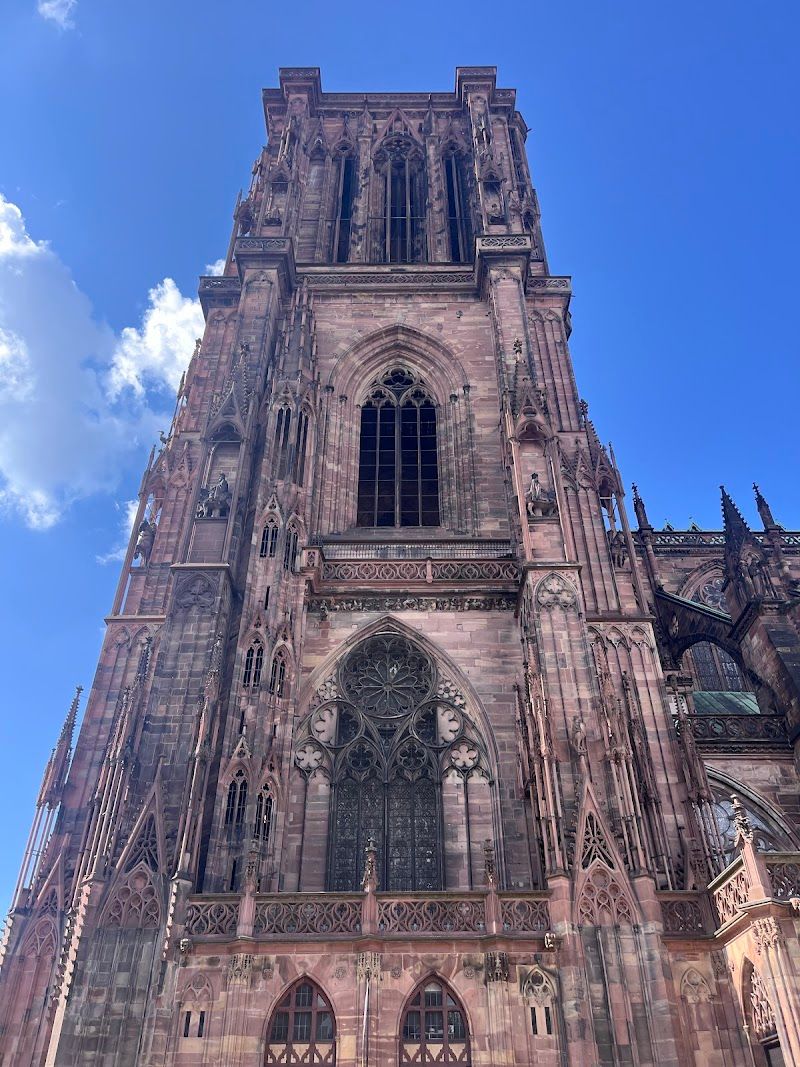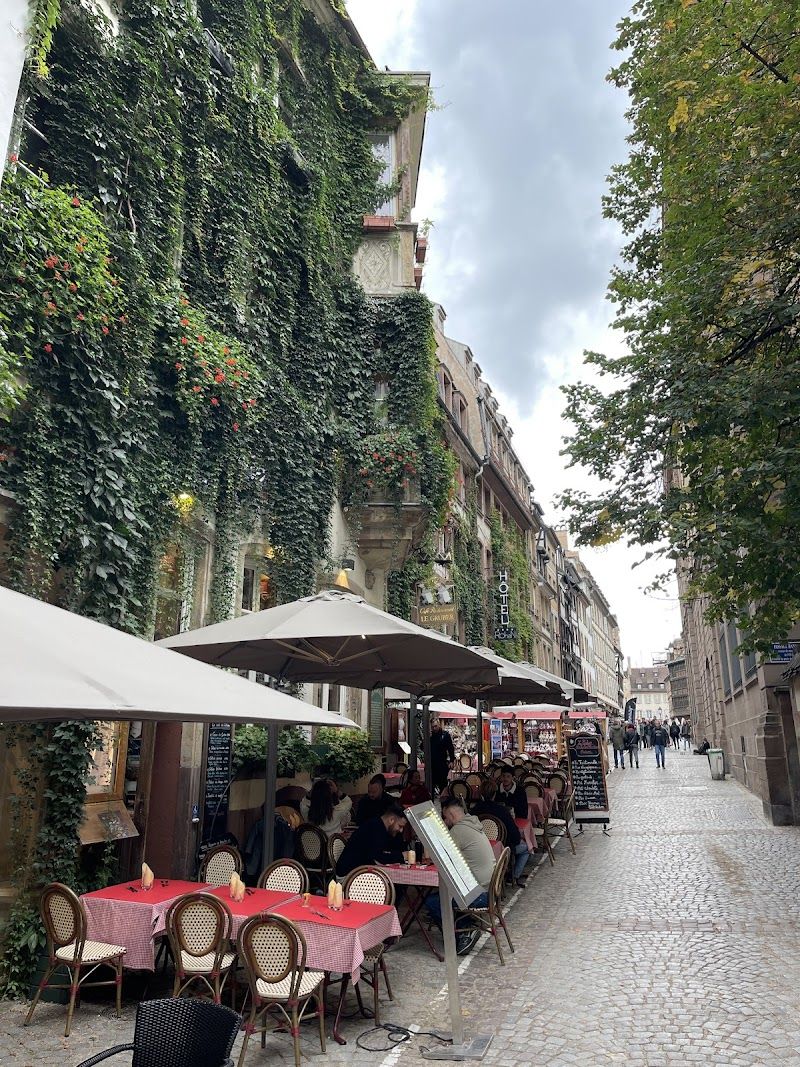
The restaurants around Strasbourg Cathedral charge EUR 18 for mediocre tarte flambée and serve it to tourists who don't know better. Walk five minutes in any direction and you'll find the real Strasbourg food spots where locals eat: winstubs that have been serving the same families for generations, modern bistros redefining Alsatian cuisine, and market stalls that sell better sausages than most sit-down restaurants.
Strasbourg's food scene reflects its complicated history. French techniques meet German heartiness, creating dishes that exist nowhere else. The city's best restaurants understand this duality. They serve traditional choucroute garnie alongside modern interpretations of Alsatian classics, pour local Riesling from vineyards 30 minutes away, and operate with the efficiency of German hospitality wrapped in French charm.
Traditional Winstubs: Where Strasbourg's Food Story Begins
Winstubs are Strasbourg's answer to the bistro, but older and more specific to Alsace. These wine pubs serve traditional Alsatian food in wood-paneled rooms that haven't changed much since the 1800s. The good ones are packed with locals speaking Alsatian dialect, and the atmosphere is more important than the decor.
Au Pont Corbeau on 21 Quai Saint-Nicolas serves the city's best choucroute garnie (EUR 18). The sauerkraut arrives with five types of pork and sausage, plus boiled potatoes that actually taste like potatoes instead of water. The portion fills a dinner plate and then some. Their tarte flambée (EUR 10) comes paper-thin with crème fraîche that doesn't pool in the center, a sign they know what they're doing. The wine list focuses on local producers, with Gewürztraminer by the glass starting at EUR 5.
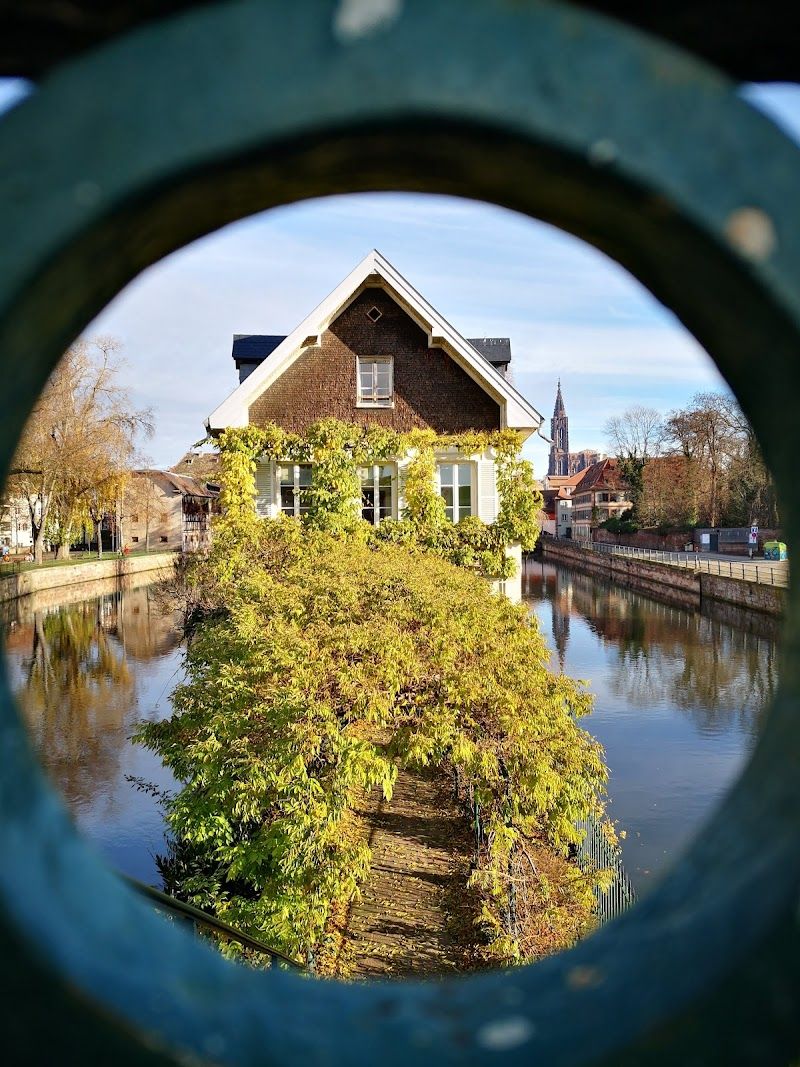
The winstub sits in Petite France, close enough to the tourist zone to be convenient but far enough to avoid the crowds. Reservations are essential for dinner, especially on weekends when extended Alsatian families gather for three-hour meals.
Winstub S'Kaechele at 10 Rue des Tonneliers takes a different approach. The room is smaller, the tables closer together, and the menu written entirely in Alsatian dialect (with French translations). Their specialty is baeckeoffe (EUR 16), a slow-cooked casserole of lamb, beef, and pork with potatoes and white wine. They prepare it in traditional ceramic pots and serve it bubbling hot. The dish needs to be ordered 24 hours in advance, which tells you something about both the preparation and the clientele.
The restaurant fills up with locals who've been coming here for decades. Service can be brusque if you don't speak French, but the food justifies any attitude. Their Pinot Gris (EUR 6 per glass) comes from a producer in Riquewihr whose family has been making wine since 1610.
What Makes a Good Winstub
Authentic winstubs share certain characteristics. The menu is short, focusing on five or six Alsatian classics prepared well rather than offering everything. The wine list emphasizes local producers over famous labels. The clientele is mostly local, with conversations in French mixed with Alsatian phrases. Most importantly, they serve tarte flambée made to order, not reheated from a batch prepared hours earlier.
Avoid winstubs that display their menus in four languages or have servers in traditional Alsatian costume. These cater to tourists and compromise on quality to maximize volume. The best winstubs look unremarkable from outside and feel like someone's dining room once you enter.
Modern Alsatian Cuisine: Traditional Techniques, Contemporary Ideas
Strasbourg's younger chefs are reinterpreting Alsatian cuisine without abandoning its roots. They use traditional ingredients and techniques but present them in ways that would surprise their grandmothers. These modern food spots in Strasbourg offer the most exciting dining in the city.
Le Gavroche at 4 Rue Klein serves what they call "Alsatian gastronomy" in a renovated 17th-century building. Chef Olivier Nasti trained in Michelin-starred kitchens before returning to Strasbourg to cook the food he grew up eating. His choucroute deconstructs the traditional dish: house-made sauerkraut fermented for six months, duck confit instead of pork, and a clear broth infused with juniper berries. The result tastes like choucroute but looks like fine dining.
Their tasting menu (EUR 65) changes monthly based on seasonal ingredients from local producers. A recent meal included foie gras with quince from Alsatian orchards, venison from the Vosges Mountains with spätzle made from ancient grain flour, and Munster cheese ice cream that somehow works. The wine pairings focus exclusively on Alsatian producers, including several natural wines from biodynamic vineyards.
Reservations are required and should be made at least a week in advance. The restaurant has 32 seats and fills up every service.
Bistrot des Copains on 8 Rue du Tournesol represents the casual end of modern Alsatian cooking. The menu changes daily based on market availability, written on a blackboard in French and Alsatian. Their approach is simple: take traditional Alsatian ingredients and prepare them with French bistro techniques.
Their flammekueche (they use the Alsatian name instead of the French tarte flambée) comes with toppings that change seasonally. In autumn, you might find one topped with roasted pumpkin, caramelized onions, and aged comté cheese (EUR 14). Their choucroute uses three types of cabbage fermented separately, then combined with duck breast and house-made sausage (EUR 19).
The wine list includes natural wines from Alsatian producers experimenting with low-intervention winemaking. Their Sylvaner from Domaine Binner tastes nothing like the industrial versions sold in supermarkets.
The New Generation of Alsatian Chefs
What distinguishes modern Alsatian cooking from French cuisine with Alsatian ingredients is the respect for traditional flavors. These chefs aren't trying to make Alsatian food more sophisticated; they're making it more precise. They ferment their own sauerkraut, make their own sausages, and work directly with local farmers and producers.
The best modern Alsatian restaurants source ingredients within 50 kilometers of Strasbourg. They buy vegetables from market gardens in the Ried plain, meat from farms in the Vosges foothills, and wine from vineyards along the Route des Vins. This local sourcing isn't trendy locavorism; it's how Alsatian cuisine developed over centuries.
Neighborhood Food Spots: Where Locals Eat Every Day
Grande Ile and Cathedral District
The historic center has more than tourist traps, but you need to know where to look. Grande Ile contains some of Strasbourg's oldest restaurants alongside its most touristy ones.
Aux Armes de Strasbourg at 9 Place Gutenberg has been serving Alsatian food since 1895. The dining room looks like a museum of Alsatian culture, with painted murals depicting traditional crafts and ceremonies. The menu hasn't changed much in decades, which is exactly why locals keep coming back.
Their choucroute garnie (EUR 20) comes with six types of meat, including blood sausage that most restaurants skip. The portion is enormous, designed for sharing between two people despite being listed as an individual dish. Their tarte flambée (EUR 11) gets made in a wood-fired oven that imparts a smokiness you can't achieve with gas or electric heat.
Service moves at a deliberate pace that reflects the restaurant's age and attitude. Don't come here if you're in a hurry, but do come here if you want to experience Strasbourg food spots as they existed a century ago.
Le Tire-Bouchon serves modern bistro food with Alsatian influences in a more contemporary setting. Located at 5 Rue des Tailleurs, it occupies a narrow medieval building with exposed stone walls and modern furnishings. The menu changes seasonally but always includes at least one traditional Alsatian dish prepared with contemporary techniques.
Their autumn menu featured rabbit prepared two ways: the legs braised in Riesling with spätzle, and the loin wrapped in bacon with roasted vegetables from local farms (EUR 24). The dish honors traditional Alsatian flavors while presenting them with modern plating and precision.
For a comprehensive overview of dining and drinking throughout the city, check out our detailed eating and drinking guide to Strasbourg, which covers everything from street food to fine dining.
Krutenau District
The university district south of the city center contains some of Strasbourg's best value restaurants. Students demand quality food at reasonable prices, and the restaurants in Krutenau deliver.
L'Epicerie at 12 Rue de l'Épinette serves what they call "comfort food with a twist." The dining room occupies a former grocery store, with original shelving now displaying wine bottles and preserved foods from local producers. The menu focuses on dishes that satisfy without breaking student budgets.
Their daily specials (EUR 14-16) often include Alsatian classics prepared with seasonal ingredients. A recent lunch featured baeckeoffe made with vegetables from the Saturday market, served with crusty bread from a bakery two blocks away. The portion size reflects the student clientele: generous enough to fuel an afternoon of classes.
The wine list emphasizes value, with local bottles starting at EUR 22 and several available by the glass. Their house Riesling (EUR 5 per glass) comes from a cooperative that works with small growers throughout Alsace.
Café du Théâtre on 1 Avenue de la Marseillaise serves food that bridges the gap between bistro and brasserie. The location near the National Theatre attracts actors, directors, and theatergoers, creating an atmosphere that's both sophisticated and relaxed.
Their menu includes both traditional Alsatian dishes and French classics. The tarte flambée (EUR 12) comes in six variations, including one topped with smoked trout and crème fraîche that wouldn't be traditional but works perfectly. Their choucroute (EUR 18) uses sauerkraut from a producer in Krautergersheim, the self-proclaimed sauerkraut capital of France.
Market Food and Street Eats
Strasbourg's markets offer some of the city's best food at the lowest prices. The Saturday market on Place du Marché aux Poissons and the smaller daily markets throughout the city sell everything from fresh produce to prepared foods.
Saturday Market Essentials
The Saturday market runs from 7 AM to 2 PM and attracts vendors from throughout Alsace. The selection includes local specialties you won't find in restaurants, often at prices that make eating out seem expensive.
Maison Welty sells traditional Alsatian charcuterie, including leberwurst (liver sausage) and blutwurst (blood sausage) made according to recipes that predate French rule. Their leberwurst (EUR 2.50 per 100 grams) has a smooth texture and mild liver flavor that converts even skeptics. They'll slice it fresh and provide bread rolls, creating an impromptu lunch that costs less than EUR 5.
Their selection of smoked meats includes ham from pigs raised in the Vosges Mountains and bacon cured with local salt. The quality exceeds most restaurant charcuterie at half the price.
Boulangerie Artisanale Schmitt brings fresh pretzels and regional breads to the market. Their pretzels (EUR 1.50) get made with traditional methods: hand-shaped, boiled briefly in alkaline water, then baked until the crust develops its characteristic dark color and the interior becomes chewy.
Their pain de seigle (rye bread, EUR 3.80 per loaf) uses flour milled from grain grown in Alsace. The bread keeps well for several days and pairs perfectly with local charcuterie and cheese.
Best Street Food Spots
Street food in Strasbourg means more than döner kebab, though the city has excellent versions of that too. Local specialties include sausages grilled over charcoal, pretzels baked fresh throughout the day, and seasonal treats that appear for limited periods.
Chez Bernard operates a sausage cart near Place Kléber during lunch hours (11:30 AM - 2:30 PM, Monday through Friday). Bernard serves traditional Alsatian sausages grilled over charcoal and served in fresh rolls with house-made sauerkraut and mustard. His merguez (EUR 4.50) and bratwurst (EUR 4) attract office workers who know good sausage when they taste it.
The sausages come from a butcher in Mutzig who makes them according to traditional recipes. The sauerkraut gets prepared fresh daily, not heated from a jar. The combination costs less than a restaurant appetizer and provides more satisfaction than most main courses.
Price Guide for Strasbourg Food Spots
| Dining Category | Price Range | What to Expect |
|---|---|---|
| Street Food | EUR 3-8 | Sausages, pretzels, market stalls |
| Casual Winstub | EUR 12-20 | Traditional dishes, local wines by glass |
| Modern Bistro | EUR 18-28 | Contemporary Alsatian, seasonal menus |
| Fine Dining | EUR 55-85 | Tasting menus, wine pairings, reservations required |
| Market Lunch | EUR 5-12 | Charcuterie, bread, cheese, prepared foods |
These prices reflect main courses at dinner or complete meals at lunch. Wine adds EUR 4-8 per glass for local varieties, more for premium bottles. Most restaurants offer lunch menus (EUR 12-18) that provide better value than dinner pricing.
When and Where to Eat Like a Local
Strasbourg locals eat lunch between 12 PM and 2 PM, often lingering over multiple courses even on weekdays. Dinner service starts at 7 PM but doesn't get busy until 8 PM. Many winstubs close on Sundays and Mondays, while modern restaurants often close on Sundays only.
Reservations are essential for dinner at popular spots, especially on weekends. Call ahead rather than using online booking systems, which many traditional restaurants don't use. Speaking French helps, but most servers in the city center speak basic English.
The best Strasbourg food spots fill up with locals, which means they might seem unwelcoming to tourists at first. This isn't rudeness; it's the natural result of places that prioritize regulars over passing trade. Show genuine interest in the food and wine, ask for recommendations, and you'll usually receive helpful advice.
Seasonal Specialties Worth Planning Around
Alsatian cuisine changes with the seasons more dramatically than most French regional cooking. Spring brings asparagus season (April-June), when restaurants serve white asparagus from the Rhine valley with hollandaise sauce or vinaigrette. Summer features fresh fruit tarts made with plums, cherries, and berries from local orchards.
Autumn is hunting season, when game appears on menus throughout the city. Venison, wild boar, and rabbit prepared with traditional accompaniments like red cabbage and chestnuts. This is also when new wine arrives, with many restaurants offering degustation menus paired with the year's first bottles.
Winter brings heartier dishes designed for cold weather. Choucroute reaches its peak during the coldest months, when the fermented cabbage provides necessary nutrients and the accompanying meats deliver warming calories. Many restaurants offer special winter menus that emphasize preserved foods and slow-cooked preparations.
The Real Strasbourg Food Scene
The best food spots in Strasbourg exist because locals support them, not because tourists discover them. These restaurants succeed by serving consistent, authentic food at fair prices to people who eat there regularly. They source ingredients locally, prepare traditional dishes properly, and maintain standards that satisfy discriminating palates.
Tourist restaurants near major attractions survive on volume and location rather than quality. They serve acceptable versions of Alsatian classics to people who will never return, so they have no incentive to excel. The restaurants locals choose must earn return visits through superior food, service, and value.
This creates a two-tier dining scene: obvious choices that disappoint and s that deliver. The obvious choices cluster around the cathedral, advertise in multiple languages, and employ aggressive hosts who recruit passing tourists. The s occupy side streets, attract lines of locals, and assume you know what you want to eat.
Choose wisely, and Strasbourg's food scene will reveal itself as one of France's most distinctive. The city's complicated history created a cuisine that exists nowhere else, served in restaurants that understand their role as cultural ambassadors. These are the Strasbourg food spots worth seeking out, the places where locals eat, and the restaurants that make the city worth visiting for food alone.
For more specific recommendations on planning your culinary tour of the city, our 2-day Strasbourg itinerary includes detailed restaurant recommendations organized by neighborhood and time of day.