The Turin vs Milan debate comes down to what you value: substance over style, or international glamour over local authenticity. Having spent weeks in both cities, I can tell you that most travelers make the wrong choice by default, heading straight to Milan without considering Turin. Here's the truth about these two northern Italian powerhouses and which one deserves your limited vacation time.
The bottom line upfront: If you want fashion, international cuisine, and don't mind paying premium prices, choose Milan. If you prefer museums, excellent local food, and better value for money, Turin wins every time. For families with kids, Turin is significantly more manageable and affordable.
When Turin Beats Milan: Museums, Culture, and Value
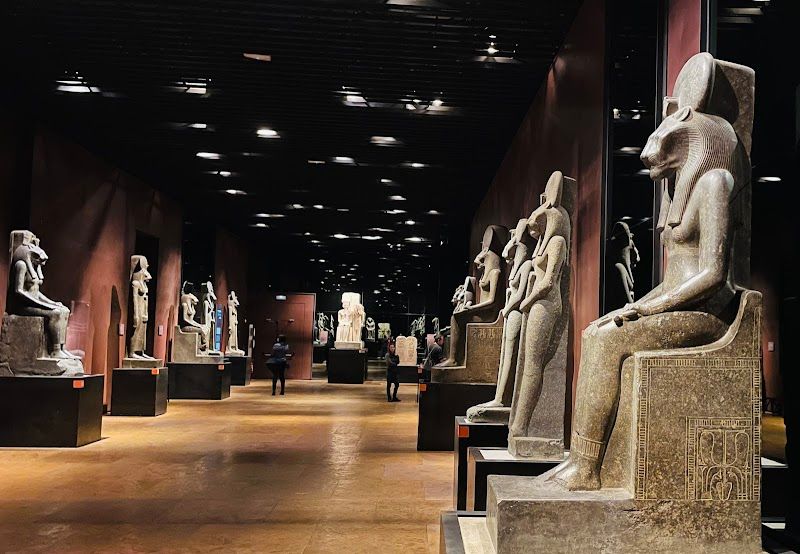
Turin demolishes Milan when it comes to cultural attractions. The Egyptian Museum at EUR 15 houses the world's second-largest collection of Egyptian antiquities after Cairo, displayed in a spectacularly renovated palazzo on Via Accademia delle Scienze. Milan's archaeological museum feels like an afterthought by comparison.
The Mole Antonelliana and National Cinema Museum offers something Milan simply cannot match: a 167-meter tower with panoramic views and the world's tallest museum space dedicated to cinema, all for EUR 11. Milan's Duomo cathedral costs EUR 15 just for rooftop access, and you're sharing the space with thousands of other tourists.
Turin's royal heritage gives it a decisive advantage. The Royal Palace at EUR 15 showcases the opulent apartments where the House of Savoy ruled unified Italy. The Venaria Royal Palace, just 30 minutes outside the city at EUR 25, ranks as a UNESCO World Heritage site with gardens that rival Versailles. Milan has no equivalent royal legacy.
Price comparison for a cultural day:
- Turin: Egyptian Museum (EUR 15) + Cinema Museum (EUR 11) + Royal Palace (EUR 15) = EUR 41
- Milan: Duomo rooftops (EUR 15) + La Scala Museum (EUR 12) + Brera Gallery (EUR 15) = EUR 42
The difference? Turin's attractions are genuinely , while Milan's feel tourist-focused rather than substantial.
Where Milan Takes the Lead: Shopping, Food Variety, and Nightlife
Milan undeniably wins the shopping battle. The Quadrilatero della Moda houses every luxury brand imaginable, from Via Monte Napoleone to Via della Spiga. Even window shopping here feels like a cultural experience. Turin's Via Roma has elegant boutiques, but it cannot compete with Milan's international fashion scene.
For restaurant variety, Milan's cosmopolitan nature shows. You'll find excellent sushi, innovative fusion cuisine, and trendy rooftop bars throughout Brera and Navigli. Turin excels at Piedmontese cuisine but offers fewer international options. If you crave culinary diversity, Milan provides more choices.
Milan's nightlife extends later and offers more variety. The Navigli district buzzes until 2am with aperitivo bars, live music venues, and dance clubs. Turin's nightlife centers around San Salvario, which has character but closes earlier and feels more local than international.
However, Milan's advantages come at a premium. Expect to pay 30-40% more for equivalent meals, drinks, and accommodations compared to Turin.
Turin vs Milan for Families with Kids
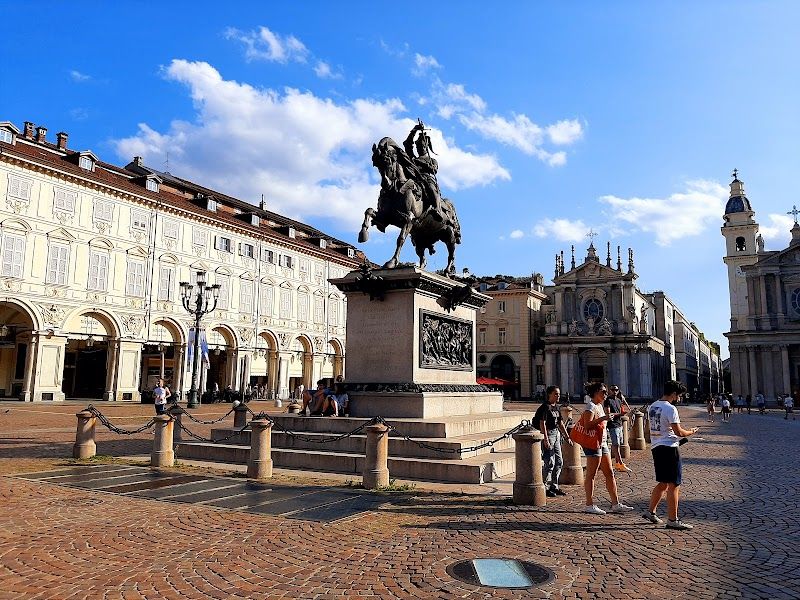
Turin wins decisively for family travel. The city's compact grid layout makes navigation simple, and major attractions cluster within walking distance of Piazza Castello. Kids love the Cinema Museum's interactive exhibits and the panoramic elevator ride up the Mole Antonelliana.
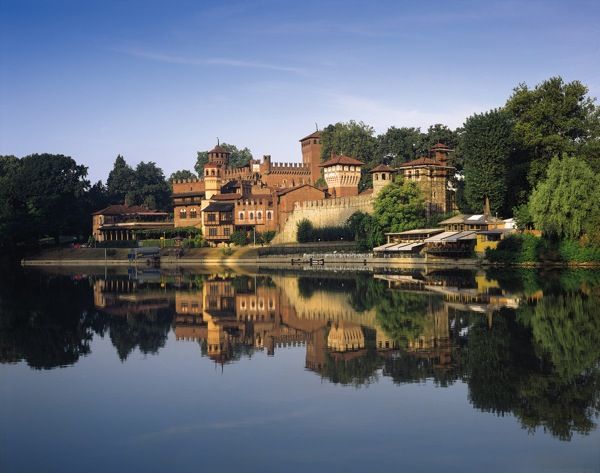
Parco del Valentino provides riverside green space with a medieval village replica that fascinates children. Milan's parks feel more formal and less child-friendly. The Porta Palazzo Market in Turin offers sensory overload without overwhelming young travelers, while Milan's markets can feel chaotic for families.
Family-friendly costs comparison:
- Turin family of 4, mid-range hotel: EUR 90-160/night
- Milan family of 4, equivalent hotel: EUR 140-220/night
- Turin family meal with kids menu: EUR 40-60
- Milan equivalent meal: EUR 60-85
Turin's chocolate heritage provides built-in kid appeal. Caffè Al Bicerin serves the city's famous chocolate-coffee-cream drink that children find magical, while gianduja chocolate (the precursor to Nutella) originated here.
Food Battle: Piedmontese Tradition vs International Variety
This category requires nuance. Milan offers superior international cuisine and innovative restaurants pushing Italian boundaries. Turin serves better traditional food at better prices.
In Turin, a proper pranzo completo (complete lunch) costs EUR 12-18 at neighborhood trattorias. You'll eat house-made agnolotti del plin, brasato al Barolo, and finish with genuine gianduja chocolate. These aren't tourist restaurants but places where locals eat daily.
Milan's restaurant scene impresses with variety and presentation, but authentic Milanese cuisine (risotto alla milanese, cotoletta, panettone) feels less distinctive than Piedmontese specialties. Plus, Milan's tourist-area restaurants charge EUR 25-35 for equivalent quality meals.
The chocolate factor alone tips this toward Turin. The city invented modern chocolate manufacturing. Baratti & Milano on Piazza Castello has operated since 1858, serving handmade chocolates and bicerin in Belle Époque surroundings. Milan's chocolate scene feels imported rather than indigenous.
Transportation and Accessibility: Getting Around Both Cities
Milan's transportation infrastructure surpasses Turin's significantly. The Milan Metro has four lines covering the city comprehensively, with trains running every 2-3 minutes during peak hours. Single tickets cost EUR 2, day passes EUR 7.
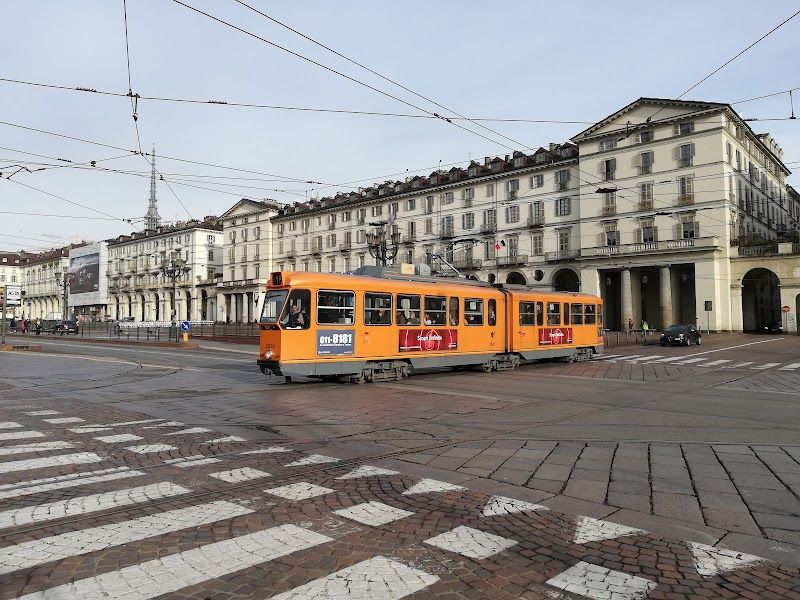
Turin relies primarily on buses and trams plus a single metro line. The system works but requires more planning. GTT single tickets cost EUR 1.7 for 75 minutes, daily passes EUR 4.5. The lower prices partially offset the reduced convenience.
For airport access: Milan Malpensa connects to Cadorna station via the Malpensa Express (EUR 13, 50 minutes). Turin Caselle requires the SADEM bus (EUR 6.5, 45 minutes) or taxi (EUR 35-50). Milan's airport connections are more frequent and professional.
However, Turin's compact size means you'll walk more and use public transport less. Most attractions in the Centro and Quadrilatero Romano are within 15 minutes' walk of each other.
Budget Breakdown: Real Costs for Real Travelers
Here's where Turin's value proposition becomes undeniable:
Budget Traveler (per day):
- Turin: Accommodation EUR 20-35 + meals EUR 25-35 + transport EUR 4.5 + attractions EUR 15-25 = EUR 65-100
- Milan: Accommodation EUR 35-55 + meals EUR 35-50 + transport EUR 7 + attractions EUR 20-30 = EUR 95-140
Mid-range Traveler (per day):
- Turin: Accommodation EUR 90-160 + meals EUR 50-75 + transport EUR 4.5 + attractions EUR 25-35 = EUR 170-275
- Milan: Accommodation EUR 140-220 + meals EUR 70-100 + transport EUR 7 + attractions EUR 30-45 = EUR 245-370
The Torino+Piemonte Card (EUR 25 for 1 day, EUR 35 for 3 days) includes public transport and free entry to 200+ attractions, making Turin even more cost-effective for culture-focused travelers.
Weather and Seasonal Considerations
Both cities experience similar continental climate patterns, but Turin sits closer to the Alps, creating subtle differences that affect your travel experience.
Summer (June-August): Milan gets more oppressive, with humidity from the Po Valley. Turin benefits from mountain breezes that provide relief during heat waves. Both cities partially empty in August as locals flee to the coast or mountains.
Winter (December-February): Turin handles cold better, with the Alps providing dramatic backdrop and nearby ski resorts offering day trip opportunities. Milan's winter feels more industrial and gray.
Best visiting seasons: Spring (April-May) and early autumn (September-October) work well for both cities, but Turin's autumn offers additional appeal with harvest season in nearby wine regions and truffle season beginning.
Day Trip Potential: What Each City Offers
Milan provides easier access to Lake Como (1 hour by train), Lake Maggiore, and the Italian Riviera. The transportation infrastructure supports spontaneous day trips throughout northern Italy.
Turin offers different but equally compelling options: the Basilica di Superga via historic cog railway (EUR 6), Barolo wine country (1.5 hours by car), and Val d'Aosta with medieval castles (2 hours). The Alps dominate the western horizon, making mountain excursions feel natural.
For wine lovers: Turin wins decisively. Piedmont produces Barolo, Barbaresco, Barbera, and Dolcetto within an hour's drive. Milan sits in Lombardy, which makes good wines but lacks Piedmont's reputation and variety.
Which City for a Weekend Break?
For a Turin vs Milan weekend comparison, consider your energy level and priorities. Milan requires more planning, reservation-making, and budget consciousness. Turin allows for spontaneous exploration without constant cost anxiety.
Friday-Sunday Turin itinerary might include: Egyptian Museum Saturday morning, royal palace exploration, aperitivo in Mole & Vanchiglia, Sunday at Valentino Park, and chocolate shopping. Total cost for mid-range travelers: EUR 170-275 per person.
Friday-Sunday Milan itinerary typically involves: Duomo and shopping Saturday, art museums and Navigli aperitivo, Sunday at Brera with restaurant reservations throughout. Total cost: EUR 245-370 per person.
The question becomes whether Milan's additional offerings justify the 40-50% price premium.
Making Your Final Decision: Turin or Milan
Choose Milan if you:
- Prioritize shopping and fashion
- Want diverse international cuisine
- Don't mind paying premium prices
- Prefer late-night entertainment options
- Need extensive public transportation
- Want easy day trips to lakes
Choose Turin if you:
- Value museums and cultural attractions
- Prefer authentic local experiences
- Want better value for your money
- Enjoy traditional Italian cuisine done exceptionally well
- Like walkable city centers
- Are traveling with children
- Want to explore Piedmont's wine country
Most travelers choosing between Turin vs Milan end up in Milan by default, following crowds and guidebook recommendations. But if you dig deeper into what each city actually offers, Turin provides more substance for your time and money. Milan impresses immediately but empties your wallet quickly. Turin grows on you gradually but leaves you planning a return visit.
For first-time visitors to northern Italy deciding between these two cities, I recommend Turin unless fashion and luxury shopping top your priority list. You'll see fewer tourists, pay reasonable prices, and experience a side of Italy that most travelers miss completely. Check out our complete Turin guide if you're ready to make the smarter choice.