The choice between Valencia and Seville isn't just about picking a Spanish destination - it's about choosing between two completely different versions of Spain. Valencia delivers Mediterranean beaches, cutting-edge architecture, and the world's best paella. Seville counters with Moorish palaces, authentic flamenco, and enough Andalusian charm to make you forget the rest of Europe exists. Both cities will empty your camera roll, but they'll do it in entirely different ways.
After visiting both cities multiple times and comparing everything from transportation costs to tapas quality, here's the honest breakdown of Valencia vs Seville that will help you decide where to spend your euros.
The Architecture Battle: Future vs Past
Valencia's Architectural Revolution
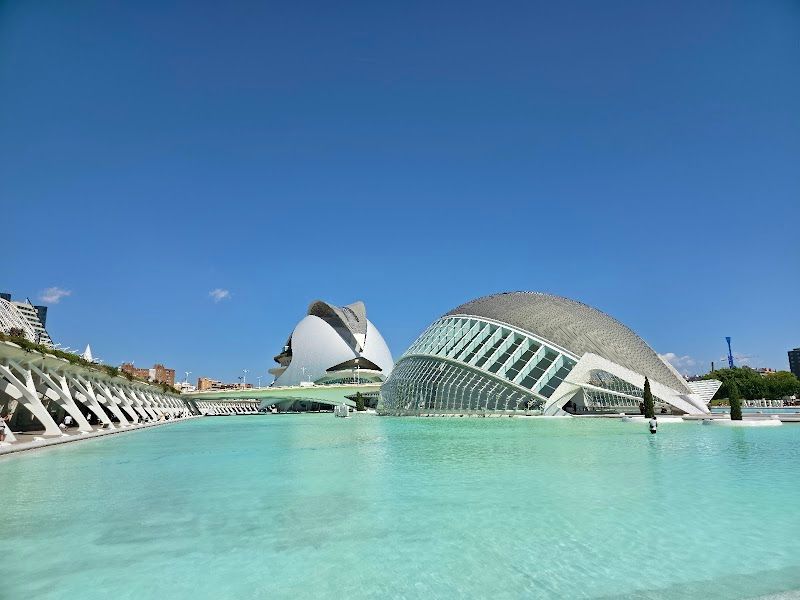
Valencia plays the architecture game with two completely different hands. The medieval Ciutat Vella delivers Gothic cathedrals and 15th-century silk exchanges, while the City of Arts and Sciences throws Santiago Calatrava's otherworldly white structures at you like something from a sci-fi movie.
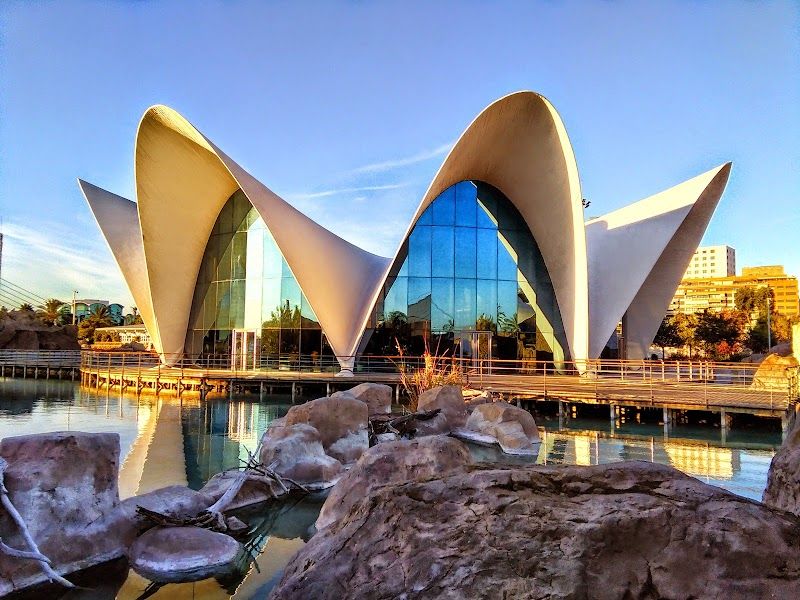
The City of Arts and Sciences alone justifies the trip to Valencia. The complex stretches along the former Turia riverbed with buildings that look like they landed from another planet. The Science Museum costs EUR 8.7, the Oceanogràfic runs EUR 32.7, and the combo ticket saves you money at EUR 37.8. Yes, it's touristy. Yes, it's worth every euro.
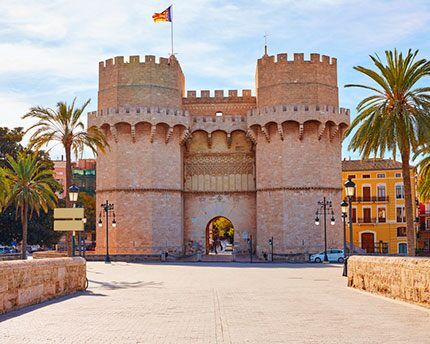
The medieval core provides the contrast Valencia needs. The Torres de Serranos costs just EUR 2 and gives you panoramic views over both old and new Valencia. The Silk Exchange is a UNESCO site that costs EUR 2 and showcases Valencia's medieval trading power.
Seville's Moorish Masterpieces
Seville doesn't need futuristic buildings because it perfected architecture centuries ago. The Alcázar combines Mudéjar and Christian elements in a way that makes every room photograph-worthy. The Cathedral is the largest Gothic cathedral in the world and contains Columbus's tomb. The Giralda tower started as a mosque minaret and became a Christian bell tower without losing any of its beauty.
The Santa Cruz neighborhood delivers narrow streets, hidden plazas, and enough white-washed buildings to fill your Instagram feed. Seville's architecture tells stories - Valencia's architecture makes statements. Both approaches work, but they serve completely different purposes.
Food Culture: Paella vs Tapas Tradition
Valencia's Paella Obsession
Valencia invented paella and takes the dish seriously enough to have laws about it. A proper paella valenciana contains rabbit, chicken, green beans, and garrafón beans. It's cooked over wood fire, costs EUR 12-18 per person, requires a minimum order of two, and is only eaten at lunch. La Pepica at Malvarrosa Beach serves the version Hemingway preferred.
The city's food scene extends beyond paella into horchata (tiger nut drink) paired with fartons (sweet pastries) for EUR 3.5-5 at places like Horchatería Santa Catalina. The Ruzafa neighborhood transformed Valencia's dining reputation with modern restaurants and international cuisines.
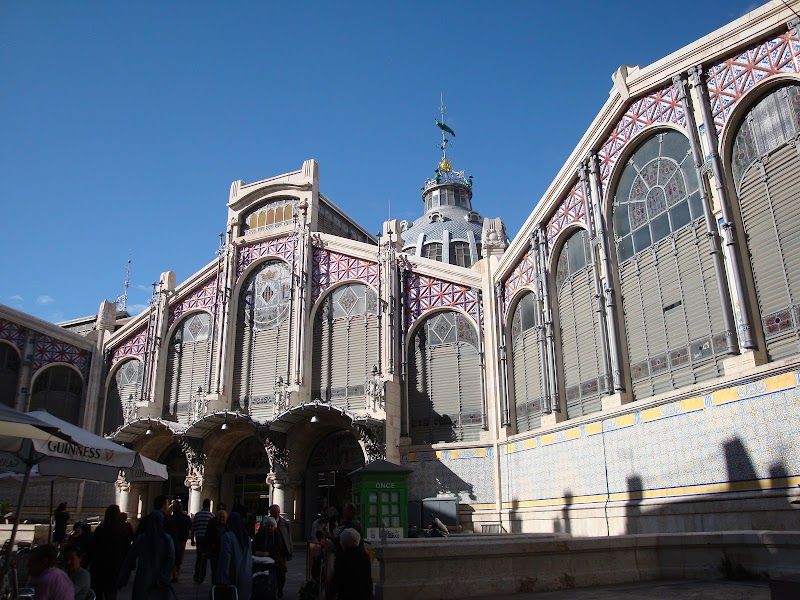
Valencia's food markets deserve their own category. Mercado Central occupies a modernist building from 1928 and offers everything from jamón ibérico to fresh seafood. The Mercado de Ruzafa provides a more local experience with fewer tourists and better prices.
Seville's Tapas Mastery
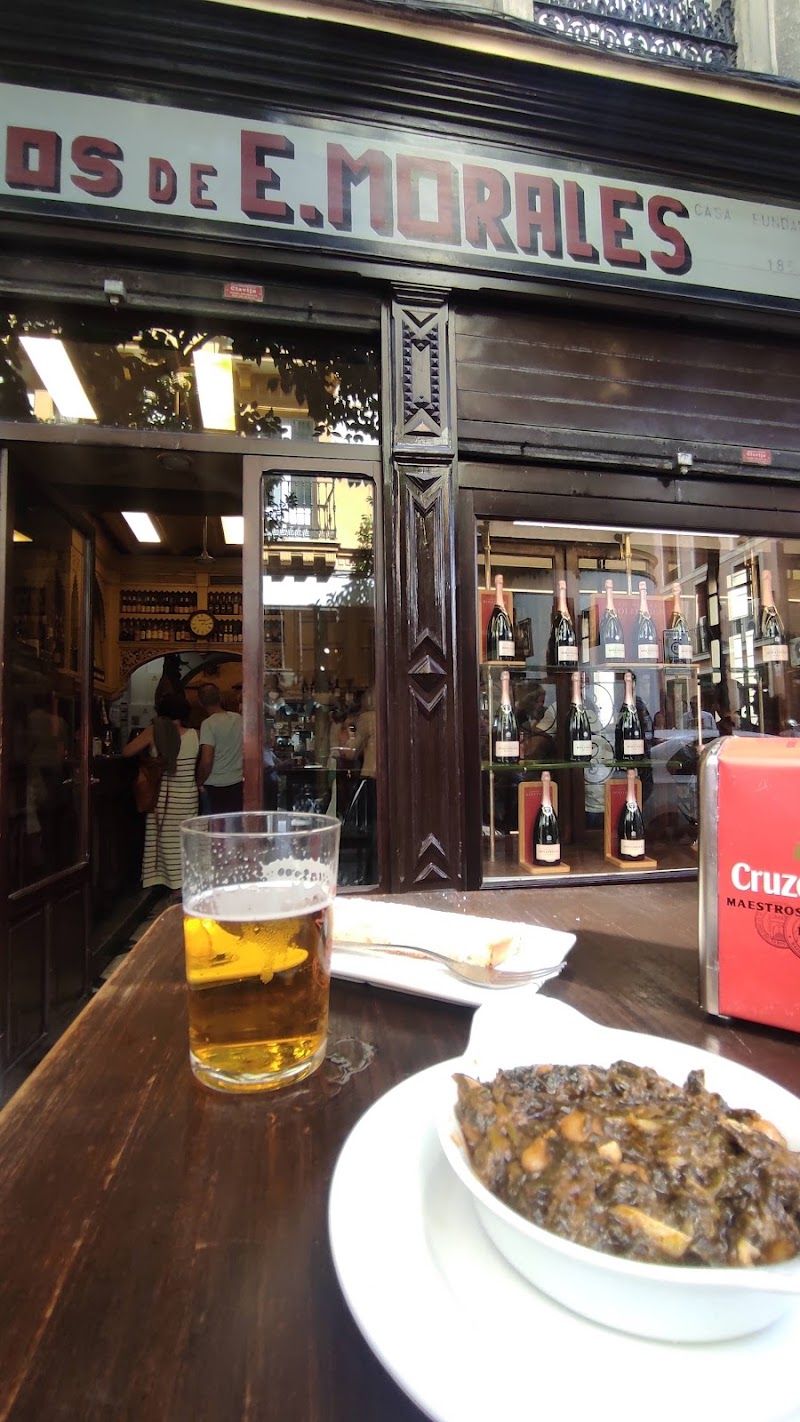
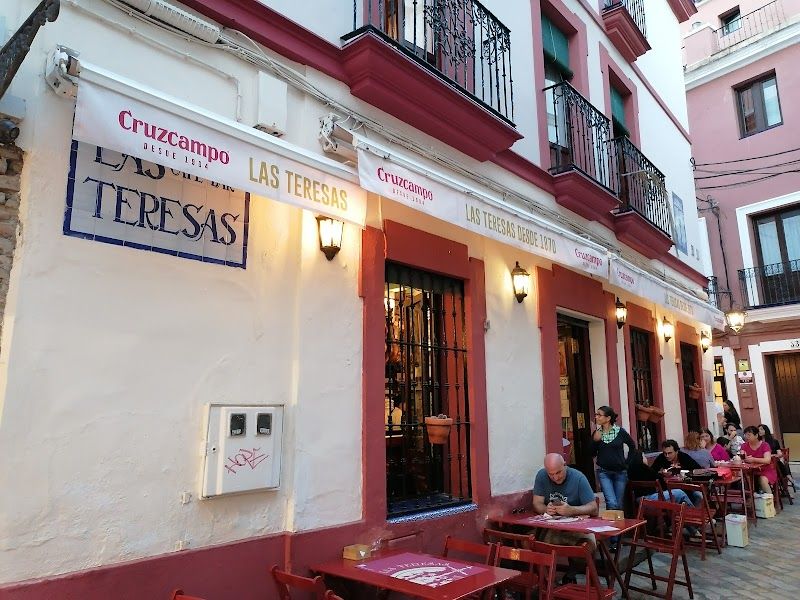
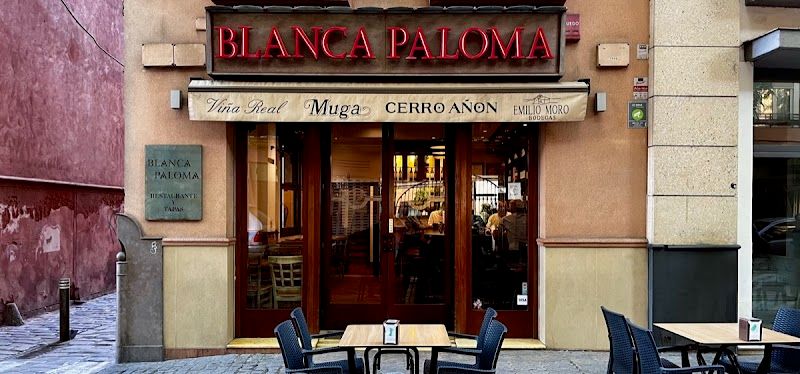
Seville approaches food as a social activity rather than a destination. The city's tapas culture means you eat standing at bars, move between venues, and treat dinner as a marathon rather than a sprint. Traditional tapas come free with drinks, though tourist areas increasingly charge separately.
The Triana neighborhood across the river offers the most authentic tapas experience, while the Alfalfa area near the cathedral caters more to visitors. Seville's specialties include pescaíto frito (fried fish), salmorejo (thick gazpacho), and anything involving jamón ibérico from nearby Huelva province.
Both cities excel at food, but Valencia focuses on signature dishes while Seville emphasizes food culture. If you want to master paella, choose Valencia. If you want to understand Spanish social dining, pick Seville.
Climate and Beach Access
Valencia's Mediterranean Advantage
Valencia wins the weather comparison decisively. The city enjoys over 300 sunny days per year with average temperatures of 18°C (64°F). Summer temperatures reach 30°C (86°F) but Mediterranean breezes keep the heat manageable. Winter rarely drops below 10°C (50°F).
The beach access gives Valencia a massive advantage over inland Seville. Platja de la Malva-rosa extends for 5 kilometers along the city's eastern edge and connects directly to the city center via metro. The sand is fine, the water is clean, and the beach restaurants serve fresh seafood and paella with sea views.
El Cabanyal, the former fishing village annexed by Valencia, provides a more authentic coastal experience. The neighborhood retains its traditional architecture while offering excellent restaurants like Casa Montaña for wine and tapas.
Seville's Inland Heat
Seville sits 100 kilometers inland, which means no beach access and significantly hotter summers. July and August temperatures regularly exceed 40°C (104°F), earning the city its reputation as Spain's furnace. The heat becomes oppressive enough that locals disappear indoors during afternoon hours.
Winter temperatures in Seville are mild, rarely dropping below 5°C (41°F), but the city receives more rain than Valencia. Spring and fall offer perfect weather for exploring Seville's outdoor attractions, but summer visitors need serious heat tolerance.
The lack of beaches means day trips to coastal areas require significant travel time. Cádiz province beaches are 90 minutes away, while the Costa de la Luz requires even longer journeys.
Transportation and Accessibility
Getting There and Around
Both cities offer excellent transportation links, but Valencia provides easier international access. Valencia Airport connects directly to major European cities, while Seville Airport serves fewer international routes. From Valencia Airport, the metro Line 3 costs EUR 3.9 to reach Xàtiva station in the city center, while the airport bus costs EUR 1.45.
Within Valencia, the metro system covers all major attractions efficiently. A single metro ticket costs EUR 1.5, while the Tourist Travel Card provides unlimited transport for EUR 4.9 (24 hours) or EUR 12.6 (72 hours). The city's bike-sharing system and flat terrain make cycling an excellent option for exploring.
Seville's compact historic center makes walking the primary transportation method for most attractions. The city operates trams and buses, but most visitors walk between sites or take occasional taxis. The smaller size means you can cross the historic center in 20 minutes on foot.
Logistics and Planning
Valencia requires more planning due to its spread-out attractions. The City of Arts and Sciences occupies the southern section of the city, while beaches extend eastward. Budget full days for each area to avoid constant transportation between sites.
Seville's concentration makes logistics simpler. Most major attractions sit within walking distance of each other in the historic center. You can visit the Cathedral, Alcázar, and Santa Cruz neighborhood in a single morning if you start early.
Cost Comparison: Your Money Goes Further
Accommodation Costs
| Category | Valencia | Seville |
|---|---|---|
| Budget hotel double room | EUR 45-70 | EUR 40-65 |
| Mid-range hotel double room | EUR 80-120 | EUR 70-110 |
| Luxury 5-star hotel double room | EUR 200-350 | EUR 180-300 |
| Airbnb apartment (entire place) | EUR 60-120 | EUR 55-100 |
| Hostel dorm bed | EUR 18-28 | EUR 15-25 |
Valencia's accommodation costs run slightly higher, particularly in summer when beach demand peaks. Seville offers better value during shoulder seasons but prices spike during Easter and April Fair.
Daily Spending Breakdown
Food costs favor Valencia for quality dining experiences. Menu del día lunches cost EUR 12-18 in Valencia compared to EUR 10-15 in Seville. However, Seville's tapas culture allows for cheaper casual dining if you know where to look.
Attraction costs strongly favor Valencia. Major Seville attractions like the Alcázar cost around EUR 15, while Valencia's equivalent sites like the Science Museum cost EUR 8.7. Valencia's Fine Arts Museum offers free admission.
Transportation within each city costs similarly, but Valencia's metro system provides better value for covering longer distances.
Cultural Experiences: Modern vs Traditional
Valencia's Contemporary Edge
Valencia positions itself as Spain's modern face while maintaining historical roots. The city hosts Formula 1 races, international design conferences, and cutting-edge cultural events. The contemporary art scene thrives in galleries throughout Ruzafa, while traditional festivals like Las Fallas blend ancient traditions with modern artistry.
The city's cultural calendar balances innovation with tradition. Las Fallas in March combines medieval guild traditions with contemporary sculpture and ends with massive bonfires throughout the city. The festival costs nothing to experience as a spectator and provides Valencia's most distinctive cultural moment.
Valencia's nightlife centers around craft cocktails, rooftop bars, and late-night dining rather than flamenco shows and traditional music. Café de las Horas in the old town exemplifies the city's approach to evening entertainment.
Seville's Authentic Traditions
Seville delivers the Spain that exists in travelers' imaginations. Flamenco developed in the city's Triana neighborhood and continues there in small venues where locals outnumber tourists. The Easter processions involve the entire city in religious theater that dates back centuries. The April Fair transforms the city into an enormous party where horse parades meet private casetas (decorated tents).
The cultural authenticity comes with crowds and commercialization, particularly in the Santa Cruz neighborhood where flamenco shows cater primarily to tour groups. However, Seville's cultural experiences feel more immediately Spanish than Valencia's international atmosphere.
Seville's evening culture revolves around late dinners, tapas crawls, and social gatherings that extend past midnight. The pace is slower, the conversations longer, and the atmosphere more traditionally Spanish.
Should You Visit Valencia or Seville?
Choose Valencia If You Want:
Mediterranean lifestyle with beach access. Valencia's coastline provides swimming, seafood restaurants, and seaside walks within metro distance of the city center. The climate supports outdoor activities year-round.
Architectural diversity spanning centuries. The contrast between Gothic cathedrals and futuristic museums creates visual experiences you won't find elsewhere in Europe.
Food experiences beyond tapas. Valencia's paella obsession, horchata tradition, and modern dining scene offer culinary adventures that extend beyond standard Spanish fare.
Better transportation infrastructure. Valencia's metro system, bike paths, and airport connections make navigation easier for visitors juggling multiple attractions.
Choose Seville If You Want:
Concentrated historic experiences. Seville packs Spain's greatest architectural achievements into a walkable area where every turn reveals another historic site.
Authentic cultural immersion. The city's flamenco heritage, religious festivals, and social dining customs provide deeper insight into traditional Spanish life.
Better value for cultural attractions. While individual sites cost more, Seville's density means you experience more culture per euro spent on transportation and time.
Classic Spanish atmosphere. Seville delivers the Spain of postcards and movies with horse-drawn carriages, orange trees, and Moorish architecture.
The Verdict: Different Cities for Different Travelers
The Valencia vs Seville comparison reveals two cities that excel in different areas rather than direct competitors. Valencia suits travelers who want beaches, modern architecture, and international sophistication alongside Spanish culture. Seville appeals to those seeking concentrated history, authentic traditions, and the Spain they imagined before arriving.
For first-time Spain visitors, Seville provides a more immediately Spanish experience, while Valencia offers greater diversity of experiences within a single destination.
For repeat Spain visitors, Valencia's unique combination of beach, city, and futuristic architecture creates experiences you can't replicate elsewhere in the country.
For summer travel, Valencia's beaches and sea breezes make it significantly more comfortable than Seville's inland heat.
For cultural depth, Seville's concentration of attractions provides more historical and artistic experiences per square kilometer.
Both cities deserve places on Spanish itineraries, but your choice should align with whether you prefer Mediterranean modernity or Andalusian tradition. Valencia delivers Spain's future while Seville preserves its most beautiful past.
If you're still torn between the two, consider that Valencia pairs well with Barcelona or Madrid for a modern Spain tour, while Seville works better with Granada or Córdoba for an Andalusian adventure. The cities serve different roles in understanding Spain's complexity, and both excel at what they do best.
For practical planning in Valencia, check our detailed guides on spending 2-3 days in the city and navigating Valencia as a first-timer. For the complete food experience, our paella and food guide covers everything from traditional restaurants to modern dining scenes.