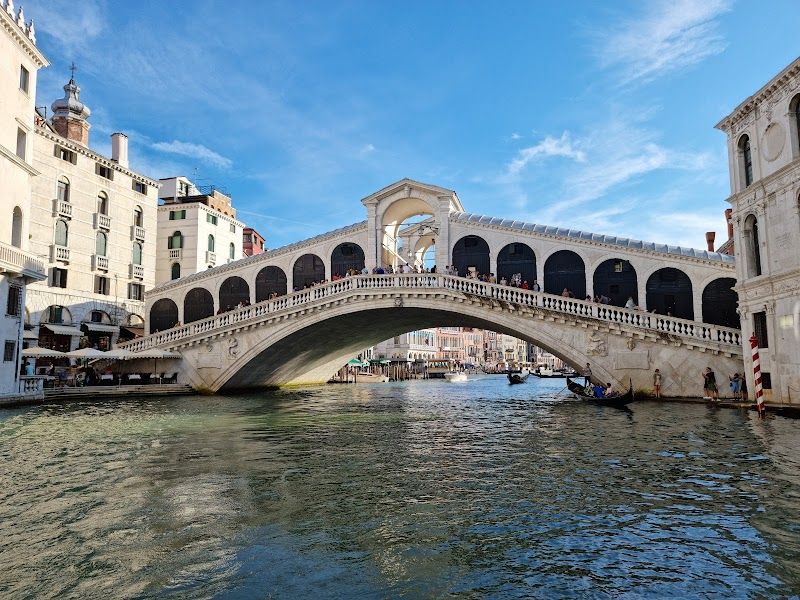
Venice operates on water, and that means you need to understand the venice travel card system before you arrive. A single vaporetto ticket costs EUR 9.5 and lasts 75 minutes, which sounds reasonable until you realize you'll need 4-6 rides per day just to see the basic sights. The math is brutal: three days of individual tickets will cost you EUR 114-171, while a 72-hour pass costs EUR 40. But not every Venice travel card delivers value, and some are outright tourist traps designed to separate you from your euros.
Which Venice Travel Card Actually Saves Money
The ACTV transport system runs Venice's public boats, and they offer three main options that matter. The 24-hour travel card costs EUR 25 and covers unlimited rides on all ACTV water buses and land buses. The 72-hour pass costs EUR 40, and the 7-day option runs EUR 60. These are the only passes worth considering unless you're staying for weeks.
Here's the reality check: you break even on the 24-hour pass after three vaporetto rides. Most visitors take the water bus from the train station to their hotel (EUR 9.5), ride to San Marco for sightseeing (EUR 9.5), and return to their accommodation (EUR 9.5). That's EUR 28.5 in individual tickets versus EUR 25 for unlimited travel. The savings start immediately.
The 72-hour pass makes sense for most Venice trips because you'll average 4-5 vaporetto rides per day once you factor in getting to Murano and Burano, crossing the Grand Canal multiple times, and returning from dinner in different neighborhoods. Individual tickets for a typical 3-day itinerary cost EUR 114-142, while the pass costs EUR 40.
The 7-day pass only pays off if you're staying six full days or longer and plan to use public transport daily. Most visitors don't meet this threshold, making it poor value despite the appealing per-day cost.
Venice Travel Card Price Breakdown
| Pass Duration | Price | Break-Even Point | Best For |
|---|---|---|---|
| 24 hours | EUR 25 | 3 rides (EUR 28.5) | Day trips, short stays |
| 72 hours | EUR 40 | 5 rides (EUR 47.5) | Most 2-3 day visits |
| 7 days | EUR 60 | 7 rides (EUR 66.5) | Week-long stays only |
The Tourist Cards That Waste Your Money
Venice markets several combination cards that bundle transport with museum entries, and most are terrible deals. The Venice City Pass includes transport plus access to selected museums and churches, but it costs EUR 89-109 depending on duration and forces you to visit specific attractions whether you want to or not.
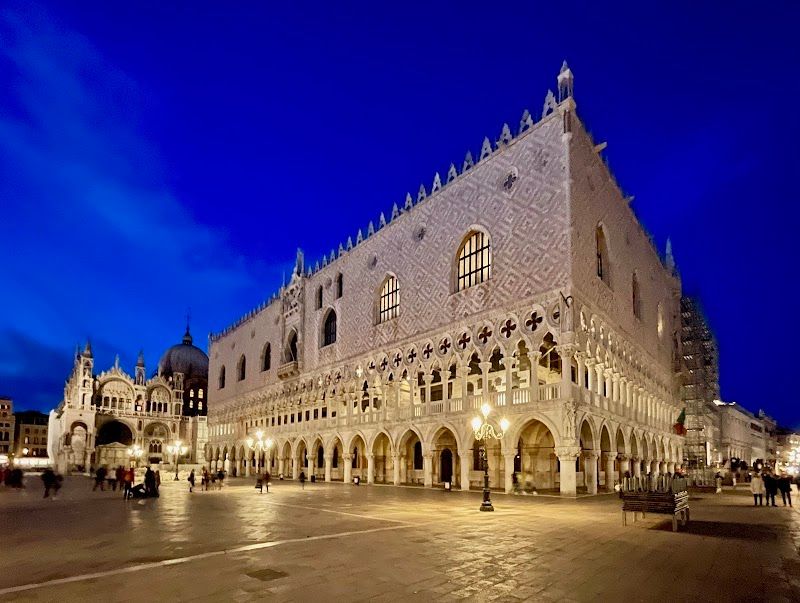
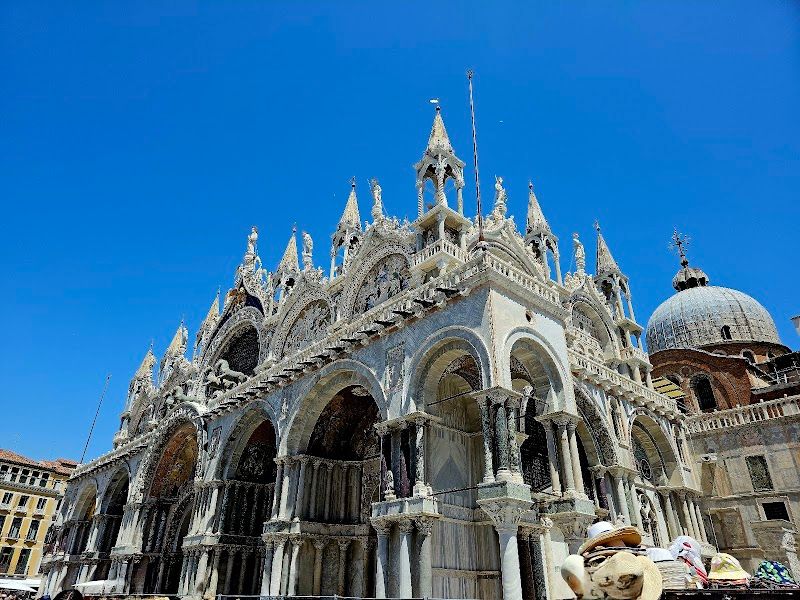
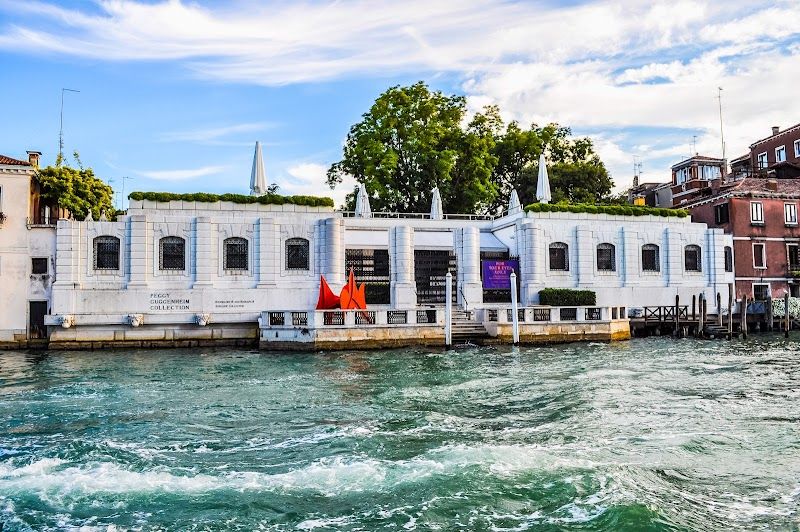
The math rarely works. The Doge's Palace costs EUR 30, St. Mark's Basilica is EUR 5, and the Peggy Guggenheim Collection runs EUR 17. Add a 72-hour transport pass (EUR 40) and you're at EUR 92 for attractions most people actually visit. The Venice City Pass costs more and includes museums you probably don't want to see.
Skip the Rolling Venice Card entirely. This youth discount card (ages 6-29) offers small reductions on transport and attraction prices, but the savings don't justify the hassle of purchasing and managing another card when the standard transport passes already provide better value.
Where to Buy Your Venice Transport Pass
You can buy ACTV passes at several locations, but some are more convenient than others. The easiest option is the ACTV ticket office at Santa Lucia train station, located right as you exit onto the platforms. They're open daily from 6:00 AM to 8:00 PM and accept both cash and cards. Lines move quickly, and staff speak English.
Avoid buying passes at Marco Polo Airport unless you're taking the ACTV bus (Line 5, EUR 8) into the city. The airport ticket offices charge the same prices but often have longer queues, and you can't use transport passes on the private Alilaguna boats (EUR 15-25) that many visitors take from the airport.
Automatic ticket machines work well if you want to avoid human interaction. They're located at major vaporetto stops including Piazzale Roma, Rialto, and San Marco, accept credit cards and cash, and offer instructions in English. The interface is straightforward, though the machines occasionally malfunction during peak tourist season.
Online purchasing through the official ACTV website works, but you still need to collect physical tickets at a Venice pickup point. This adds an extra step without saving time or money, making it pointless unless you're arriving after ticket office hours.
Venice Vaporetto Pass: What's Actually Included
Your ACTV travel card covers all public water buses (vaporetti) and land buses within Venice and on the mainland. This includes the key tourist routes: Line 1 along the Grand Canal from the train station to San Marco, Line 2 for the faster Grand Canal route, and Lines 12, 14, and 20 to the outer islands of Murano, Burano, and Torcello.
The pass also covers the airport bus service (Line 5) between Marco Polo Airport and Piazzale Roma, which costs EUR 8 as a single ticket. If you're flying into Marco Polo and staying 24+ hours, buying the travel card at the airport makes sense just for this connection.
What's not included: Private water taxis (EUR 110-150 from the airport), traghetto gondola crossings (EUR 2 each), actual gondola rides (EUR 80-120), and any transport to mainland destinations beyond the immediate Venice area. The pass also doesn't cover Alilaguna airport boats, which many visitors confuse with public transport.
Understanding Venice's Water Bus Routes
Venice's vaporetto system seems confusing but follows logical patterns. Line 1 is your tourist lifeline - it stops at every major attraction along the Grand Canal including the train station, Rialto Bridge, Ca' Rezzonico, and San Marco. The journey takes 35-45 minutes end to end, and boats run every 10-20 minutes depending on season.
Line 2 serves the same Grand Canal route but makes fewer stops, cutting travel time to 25 minutes between the train station and San Marco. Use Line 2 when you want to move quickly between major neighborhoods like Cannaregio and San Marco, and Line 1 when you want to see everything and don't mind the slower pace.
Lines N (night service) run reduced schedules after midnight but maintain connections to major stops. Your travel card covers night boats, which is essential since walking between neighborhoods after dark involves crossing multiple bridges and navigating unlit alleyways.
Smart Venice Travel Card Strategies
Buy your first pass for 72 hours even if you're staying longer, then assess your actual usage before purchasing extensions. Many visitors overestimate how much they'll use public transport, especially if they're staying in Dorsoduro or San Polo where major attractions are within walking distance.
Time your card activation carefully. ACTV passes activate when first used, not when purchased. If you arrive at night and plan to start sightseeing the next morning, wait to validate your card until you need it. A 72-hour pass activated at 9:00 PM only gives you 15 hours of useful travel on the first day.
Use the pass for island day trips to maximize value. A round trip to Murano and Burano using individual tickets costs EUR 38 (EUR 19 each way). Your transport pass covers these journeys completely, making island visits essentially free once you've broken even on mainland transport.
Download the ACTV app for real-time departure information. Venice's water buses run on schedule during peak hours but face delays during acqua alta floods, major events, and rough weather. The app shows current delays and alternative routes, preventing you from waiting 30 minutes for a cancelled boat.
Venice Transport Pass vs Walking
Venice spans roughly 7 square kilometers, and you can walk from the train station to San Marco in 25-30 minutes if you know the route. But "knowing the route" is the crucial part - Venice's layout defies logic, street signs point in contradictory directions, and GPS often fails in the narrow alleyways between buildings.
Walking works best within individual neighborhoods. San Marco's major attractions cluster within 10 minutes of each other, Dorsoduro's museums and churches connect via straightforward paths, and Castello's quieter areas reward slow exploration on foot.
Use water transport for neighborhood-to-neighborhood travel. Walking from Campo Santa Margherita in Dorsoduro to the train station in Cannaregio takes 20-25 minutes for locals who know every shortcut. First-time visitors need 35-45 minutes and often get lost multiple times. The vaporetto covers the same journey in 15 minutes with guaranteed arrival times.
Factor in bridge climbing. Venice's 400+ bridges include several steep stone arches that require significant climbing, especially when carrying luggage. The Rialto and Accademia bridges involve 40+ steps each direction. If you have mobility issues, heavy bags, or simply don't want to arrive sweaty at dinner, water transport eliminates most bridge climbing.
Making the Most of Your Venice Tourist Card
Your transport pass becomes a city exploration tool when used strategically. Take the slow Line 1 route at least once for the complete Grand Canal experience - it's essentially a EUR 9.5 boat tour that's free with your pass. Board at the train station during morning hours (8:00-10:00 AM) for better photo opportunities and fewer crowds.
Use morning transport to reach popular attractions early. The first boats to San Marco depart around 6:30 AM and arrive before most tour groups. Your transport pass makes early morning visits to the Basilica di San Marco or Doge's Palace cost-neutral compared to arriving later when crowds peak.
Combine transport with meal planning. Venice's best restaurants concentrate in residential neighborhoods away from major tourist routes. Your pass makes dinner in Cannaregio or drinks in Dorsoduro practical without expensive water taxi rides back to your hotel.
When Venice Travel Cards Don't Make Sense
Skip transport passes if you're staying in central Venice for just one night and planning to walk everywhere. A quick visit focusing solely on San Marco's attractions within walking distance of each other doesn't justify EUR 25 for transport you won't use.
Business travelers making specific meetings often find individual tickets more practical than daily passes. If you're attending events at the Venice Biennale or meetings near the train station with limited sightseeing, paying EUR 9.5 per directed journey costs less than unused daily passes.
Late-season visitors in November-March should consider their actual transport needs carefully. Shorter daylight hours, frequent rain, and reduced attraction schedules often mean fewer water bus journeys per day. Monitor your usage on the first day before committing to longer passes.
The venice travel card system rewards visitors who embrace Venice's water-based reality rather than fighting it. Choose the 72-hour pass for most visits, buy it at the train station when you arrive, and use it to explore beyond the crowded San Marco area. The passes pay for themselves quickly and eliminate the stress of calculating individual ticket costs every time you want to cross a canal.
Venice charges premium prices because it can, but the transport pass system is one area where the math actually works in your favor. Buy the right card, validate it at the right time, and use it to discover the Venice that exists beyond the day-tripper crowds - the city becomes far more interesting when you can afford to get lost.