When you're planning your first trip to Europe, the Amsterdam vs Paris debate often comes down to one question: which city gives you more for your money while delivering that quintessential European experience? After analyzing costs, logistics, and the actual visitor experience in both cities, Amsterdam emerges as the better choice for first-time Europe visitors seeking value, accessibility, and authentic local culture.
The numbers tell part of the story. A mid-range dinner with drinks costs EUR 25-40 in Amsterdam compared to EUR 45-65 in Paris. Museum admission averages EUR 20 in Amsterdam versus EUR 25-30 in Paris. But the real value difference goes deeper than prices-it's about getting the most meaningful European experience without the crowds, complexity, and tourist fatigue that plague Paris.
Cost Comparison: Amsterdam vs Paris Daily Expenses
The financial reality of visiting Amsterdam vs Paris becomes clear when you examine actual daily spending across accommodation, food, transport, and activities. Amsterdam consistently delivers 20-30% better value across most categories.
Accommodation Costs
Amsterdam's hotel market offers better mid-range options than Paris. Budget hotel double rooms cost EUR 80-120 per night in Amsterdam, while comparable Paris accommodations start around EUR 120-160. Mid-range hotels run EUR 150-250 in Amsterdam versus EUR 200-320 in Paris. The difference becomes stark when you factor in location-Amsterdam's compact size means even budget hotels in neighborhoods like De Pijp put you within walking distance of major attractions.
Paris forces a trade-off between location and price that Amsterdam avoids. Stay centrally in Paris and pay premium rates, or choose affordable options in outer arrondissements that require expensive metro rides and time-consuming commutes. Amsterdam's Jordaan or Oud-West neighborhoods offer authentic local experiences at prices that would barely secure you a budget hotel in Paris's 18th arrondissement.
Food and Dining Value
Amsterdam vs Paris food costs reveal another significant advantage for Amsterdam. Budget lunch options range EUR 8-15 in Amsterdam, typically EUR 12-22 in Paris. The quality gap isn't proportional-Amsterdam's cafe culture delivers excellent value meals, while Paris often charges premium prices for mediocre bistro food in tourist areas.
Local beer costs EUR 4-7 in Amsterdam versus EUR 6-10 in Paris. Coffee runs EUR 2.50-4.50 in Amsterdam compared to EUR 3-6 in Paris. These differences compound quickly over a week-long trip. A daily coffee habit adds up to EUR 20-30 more in Paris over seven days.
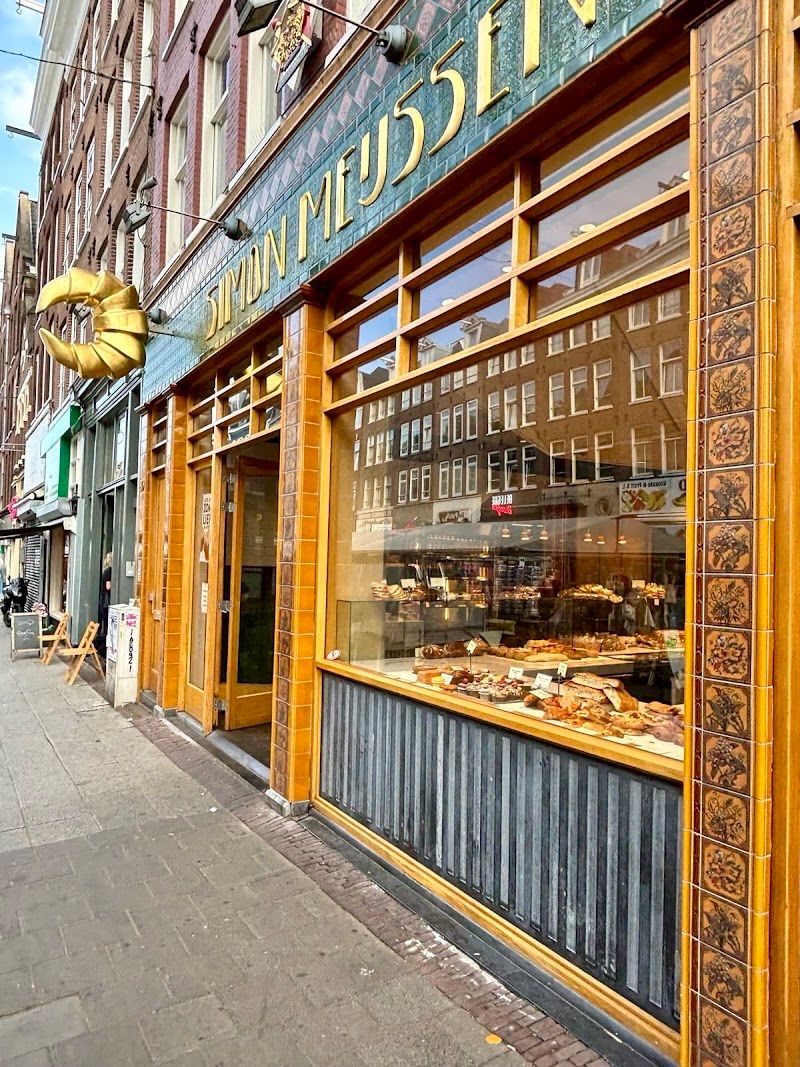
Amsterdam's market culture provides exceptional value that Paris can't match. The Albert Cuyp Market in De Pijp offers fresh stroopwafels for EUR 2-4 and quality cheese samples for EUR 3-6, creating affordable lunch options. Paris markets exist but focus more on premium ingredients at corresponding prices.
Transportation Economics
Public transport costs favor Amsterdam significantly. A GVB 1-day pass costs EUR 8.50 for unlimited travel across Amsterdam's comprehensive tram, bus, and metro network. Paris requires separate zone tickets-a daily Navigo pass covering central Paris costs EUR 8.45, but many attractions require zone extensions that push daily transport costs to EUR 15-20.
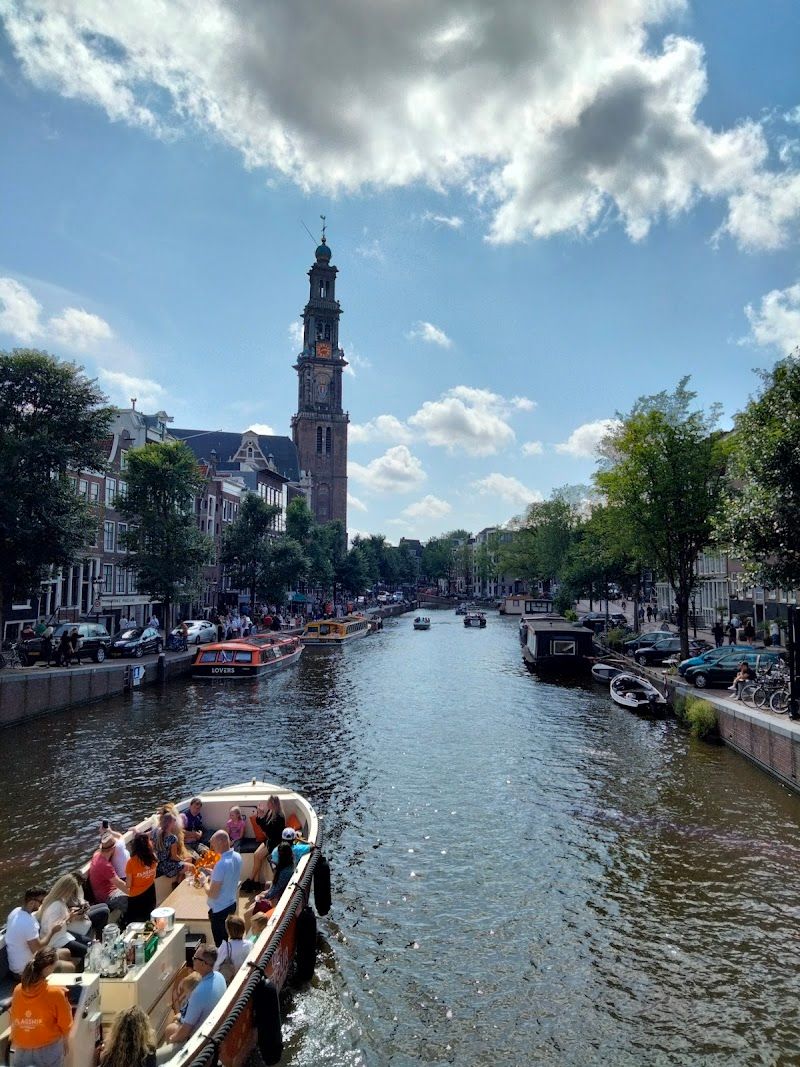
Amsterdam's compact size makes walking feasible between most major attractions. The distance from Centraal Station to the Rijksmuseum is 2.5 kilometers-easily walkable or a quick tram ride. Comparable Paris distances between major sites like the Louvre and Eiffel Tower require metro connections or expensive taxi rides.
Amsterdam vs London and Other European Capitals: The Bigger Picture
When expanding the comparison beyond Amsterdam vs Paris to include Amsterdam vs London, Amsterdam vs Berlin, and Amsterdam vs Prague, Amsterdam consistently ranks in the sweet spot of European value. London exceeds both Amsterdam and Paris in costs, making Amsterdam look even more reasonable. Prague undercuts Amsterdam on price but lacks the infrastructure and cultural depth that first-time Europe visitors expect.
Amsterdam vs Berlin presents the closest value comparison, but Berlin's sprawling size works against first-time visitors who want to see maximum Europe in minimum time. Amsterdam packs its UNESCO World Heritage canal ring, museums, and authentic neighborhoods into a walkable area that Berlin spreads across multiple districts.
Cultural Value: Quality Over Quantity
The Amsterdam vs Paris cultural comparison reveals why smaller can be better for first-time European experiences. Paris overwhelms with options-over 130 museums, countless monuments, and attractions spread across 20 arrondissements. This abundance creates decision paralysis and tourist fatigue that diminishes the experience.
Amsterdam curates rather than overwhelms. The Van Gogh Museum (EUR 22 admission) provides a focused encounter with one master's work rather than the Louvre's catalog of everything. The Anne Frank House (EUR 16) delivers profound historical insight in a manageable 60-minute visit versus Versailles's day-long marathon.
Museum Quality and Value
Amsterdam's museum trio-Rijksmuseum (EUR 22.50), Van Gogh Museum (EUR 22), and Stedelijk Museum (EUR 20)-sits within five minutes' walk on Museumplein. This concentration lets you experience art without the logistics complexity that Paris museums require. The I amsterdam City Card (EUR 65 for 24 hours) includes all three plus public transport, creating genuine value.
Paris museums cost more and deliver less focused experiences. Louvre admission runs EUR 17 but requires advance planning, crowd navigation, and most visitors leave feeling they've seen too little of too much. The Musée d'Orsay and Musée Rodin add EUR 14-16 each. A Paris museum day easily costs EUR 60-80 before transport, compared to Amsterdam's EUR 65 all-inclusive option.
Practical Advantages: Amsterdam vs Paris for First-Timers
Language and Communication
Amsterdam's English proficiency eliminates a major first-time Europe barrier. Service staff, museum guides, and locals speak excellent English, making navigation and interaction effortless. Paris maintains French-first service standards that can intimidate first-time visitors and create communication barriers that reduce experience quality.
Size and Navigation
Amsterdam's compact core means you'll rarely feel lost or overwhelmed. The city center spans roughly 2 by 3 kilometers, with clear canal patterns providing natural navigation aids. Paris's 105 square kilometers and complex arrondissement system create navigation challenges that waste time and energy.
Walking between Amsterdam's major attractions takes 15-30 minutes maximum. The route from the Anne Frank House in Jordaan to the Rijksmuseum passes through the historic Canal Ring, creating sightseeing value even during transit. Paris requires metro planning between distant attractions, reducing spontaneous exploration.
Weather and Seasonal Considerations
Amsterdam vs Paris weather patterns favor Amsterdam for most of the year. Amsterdam's moderate climate makes walking pleasant from April through October. Paris summer heat (July-August) makes walking uncomfortable, while winter dampness extends longer than Amsterdam's relatively brief cold period.
Amsterdam's cafe culture adapts better to weather variations. Brown cafes (traditional pubs) provide warm refuge during cold spells, while canal-side terraces bloom during good weather. Paris cafe culture concentrates on sidewalk seating that becomes unusable during poor weather, reducing options.
Neighborhood Value: Where Your Euros Go Further
The Amsterdam vs Paris neighborhood comparison shows Amsterdam's democratic accessibility versus Paris's hierarchy of expensive central areas and cheaper peripheral zones.
Amsterdam's Accessible Neighborhoods
Every Amsterdam neighborhood offers legitimate value. Jordaan combines historic charm with reasonable restaurant prices. De Pijp provides local market culture and excellent dining at prices that rival Paris's outer arrondissements. Even Museum Quarter hotels cost less than comparable Paris locations near major attractions.
Noord across the IJ river offers cutting-edge culture and dining at prices that wouldn't secure you a decent meal in Paris's Marais district. The free ferry connection makes Noord easily accessible, unlike Paris's suburban alternatives that require expensive transport.
Paris's Price Hierarchy
Paris forces geographic compromises that Amsterdam avoids. The 1st, 4th, 6th, and 7th arrondissements deliver classic Paris experiences at premium prices that exceed most travelers' budgets. Affordable Paris neighborhoods like the 10th, 11th, or 18th require metro commutes that add EUR 15-20 daily transport costs.
The trade-off becomes stark when calculating total daily costs. A central Paris hotel (EUR 250-400), nearby dining (EUR 50-80), and minimal transport creates EUR 300-480 daily spending. Amsterdam's equivalent experience-boutique hotel in Jordaan (EUR 200-300), neighborhood dining (EUR 30-50), and walking or single tram rides-totals EUR 250-370.
Food Culture: Authenticity vs Tourism
Amsterdam vs Paris food experiences reveal another Amsterdam advantage: authentic local culture at reasonable prices versus tourist-oriented dining at premium rates.
Amsterdam's Authentic Food Scene
Amsterdam restaurant culture caters to locals first, tourists second. Moeders in Jordaan serves traditional Dutch comfort food at EUR 18-25 per main course. De Kas in Oost offers greenhouse dining with fresh ingredients for EUR 35-45 per person. These represent genuine Amsterdam dining, not tourist-adapted versions.
Amsterdam's cafe culture provides excellent value. Winkel 43 near Noorderkerk serves the city's best apple pie for EUR 4.50. Café 't Smalle offers canal-side drinks and simple food at neighborhood prices. These experiences cost EUR 15-25 per person compared to EUR 30-50 for equivalent Paris cafe culture.
Paris's Tourist-Price Reality
Paris restaurant culture increasingly caters to tourism over local dining. Bistros near major attractions charge EUR 25-35 for standard dishes that cost EUR 12-18 at equivalent Amsterdam restaurants. The quality often disappoints-tourist-oriented Paris restaurants prioritize turnover over food quality.
Authentic Paris dining exists but requires local knowledge and higher budgets. Neighborhood bistros in residential arrondissements offer good value, but first-time visitors rarely discover these options. Amsterdam's smaller size makes authentic local dining more accessible to casual exploration.
Activities and Experiences: Quality Over Quantity
The Amsterdam vs Paris activities comparison demonstrates Amsterdam's advantage in delivering meaningful European experiences without overwhelming complexity.
Amsterdam's Curated Experiences
Amsterdam activities focus on quality over quantity. A canal cruise costs EUR 16-22 and provides unique perspectives on the city's UNESCO heritage. Those Dam Boat Guys offers small-group tours with local insights rather than mass-market commentary.
Biking culture provides authentic Amsterdam experiences that Paris cannot match. Mike's Bike Tours costs around EUR 25 and includes bike rental, guide, and route planning. This compares favorably to Paris walking tours (EUR 20-30) that cover less ground and provide less local insight.
Amsterdam's Vondelpark offers free recreation in the city center. The park connects to museum areas, shopping districts, and restaurant neighborhoods, creating natural daily itineraries. Paris parks require specific visits rather than integrating into broader exploration.
Paris's Decision Overload
Paris offers too many options for effective first-time visiting. The city's 20 arrondissements each contain multiple attractions, creating decision paralysis. Visitors often rush between famous sites without absorbing the experience, leading to tourist fatigue rather than cultural enrichment.
Paris attraction logistics complicate the experience. Advance booking requirements, crowd management, and transport between distant sites consume time and energy that Amsterdam's compact layout preserves for actual sightseeing.
Practical Logistics: Getting Around and Getting Things Done
Airport Access and Arrival
Amsterdam Schiphol Airport provides superior access to the city center compared to Paris's multiple airport options. The direct train to Amsterdam Centraal costs EUR 5.40 and takes 15 minutes. Paris Charles de Gaulle requires RER connections costing EUR 11.80 and taking 45-60 minutes depending on final destination.
Amsterdam's single airport eliminates choice confusion that Paris creates with CDG, Orly, and Beauvais options. Schiphol's efficiency and direct city connections reduce arrival stress that can impact first-day experiences.
Daily Navigation
Amsterdam's street layout follows logical patterns that first-time visitors quickly understand. The canal ring system provides natural orientation, while major streets like Damrak and Rokin create clear north-south routes. Paris's complex street patterns and arrondissement boundaries create navigation challenges that waste time and create stress.
Amsterdam addresses display clear neighborhood names that correspond to tourist information. Paris addresses use arrondissement numbers that require local knowledge to interpret effectively.
The Verdict: Amsterdam Delivers Better First-Time Europe Value
Amsterdam vs Paris for first-time Europe visitors comes down to value, accessibility, and authentic experience quality. Amsterdam provides 20-30% better financial value while delivering more manageable and often more authentic European experiences.
The cost advantage compounds over a typical week-long trip. Amsterdam saves EUR 30-50 daily compared to Paris across accommodation, dining, and activities. For a couple, this represents EUR 400-700 in savings that can extend the trip or improve the experience quality.
More importantly, Amsterdam eliminates many barriers that can overwhelm first-time Europe visitors. Language accessibility, compact geography, integrated transport, and curated rather than overwhelming attraction options create more enjoyable experiences that encourage future European travel.
Paris remains worth visiting, but it works better as a second or third European destination when you've developed comfort with European travel patterns. For first-time visitors seeking maximum European experience with minimum stress and expense, Amsterdam provides unmatched value that makes it the clear winner in the Amsterdam vs Paris comparison.
For detailed planning, our First Time in Amsterdam guide provides comprehensive logistics and recommendations, while our 3 Days in Amsterdam itinerary helps maximize a short visit. These resources ensure you extract maximum value from Amsterdam's concentrated European experience.