Choosing where to stay in Barcelona determines whether you'll wake up to church bells in medieval alleyways or the sound of waves on the Mediterranean. The barcelona neighborhoods to stay in each cater to different travel priorities - from first-time visitors who want major sights within walking distance to families seeking parks and space.
Barcelona's accommodation landscape ranges from EUR 20-40 hostel dorms in the Gothic Quarter to EUR 300-800 luxury hotels along the waterfront. But price isn't the only consideration. The Gothic Quarter puts you steps from Barcelona Cathedral, while staying in Eixample means a 15-minute metro ride but access to both Sagrada Familia and Casa Batllo on foot.
The metro system connects every neighborhood efficiently. A T-casual 10-trip card costs EUR 13 and covers all zones within the city center. Single tickets at EUR 2.55 each make the 10-trip card worthwhile from your sixth journey onward.
Barcelona Neighborhoods for Families: Space, Safety, and Convenience
Families traveling to Barcelona need different priorities than solo backpackers or couples. You want neighborhoods with wider streets for strollers, parks for kids to burn energy, and accommodations with space to spread out.
Eixample: The Family-Friendly Choice
Eixample tops our list for barcelona neighborhoods for families. Ildefons Cerda designed these streets in the 1860s with families in mind - the wide boulevards and regular grid pattern make navigation simple, even with tired kids in tow.
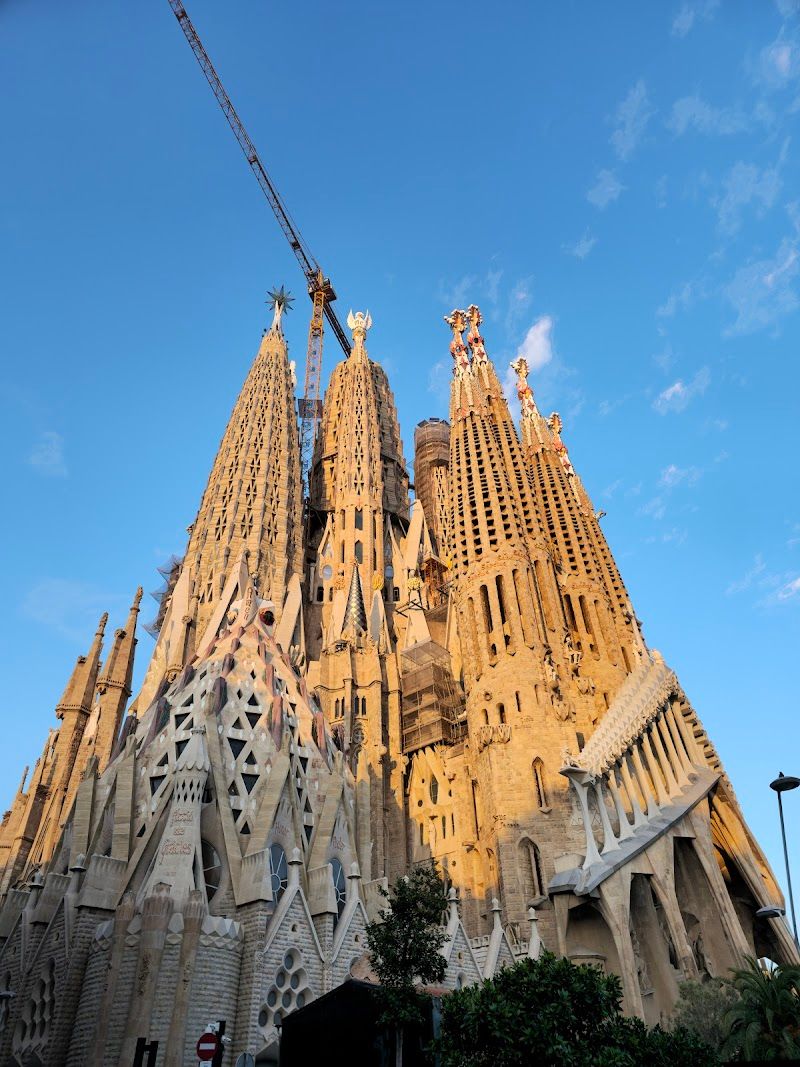
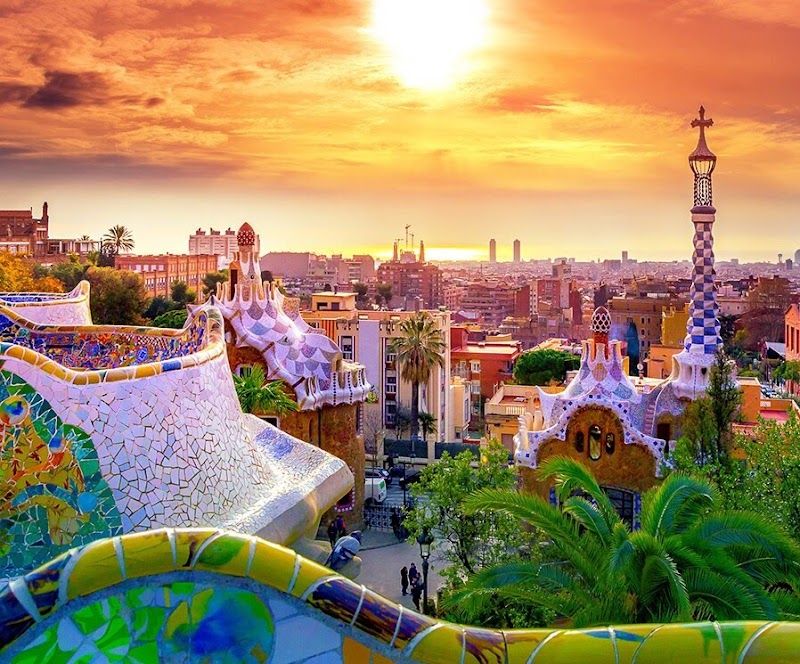
The neighborhood sits between two of Barcelona's most important family attractions. Sagrada Familia is a 10-minute walk from most Eixample hotels, and the massive construction site fascinates kids. Entry costs EUR 26 with audio guide, though children under 7 enter free. The Park Guell is a 15-minute metro ride on Line 3 to Lesseps station.
Hotel options in Eixample lean toward EUR 110-200 mid-range properties with family rooms. Many include breakfast, which saves money and time when you're managing multiple kids. The neighborhood has excellent restaurant density for EUR 12-18 menu del dia lunches - three-course meals with drinks that satisfy families without breaking budgets.
Passeig de Gracia, Eixample's main shopping street, offers both high-end boutiques and practical stores like Zara and H&M for any clothing emergencies. The wide sidewalks handle strollers easily, unlike the narrow medieval streets elsewhere in the city.
Gracia: Village Feel Within the City
Gracia maintains its independent town character despite Barcelona annexing it in 1897. The neighborhood feels more residential and less touristy than central Barcelona, which families often prefer.
The main draw for families is proximity to Park Guell. Instead of taking metro from central Barcelona, you can walk to the park entrance in 15 minutes from most Gracia accommodations. Park entry costs EUR 18 for adults and EUR 13.50 for children 7-12.
Gracia's squares (Plaza del Sol, Plaza de la Vila de Gracia) provide open space for kids to run around while parents enjoy EUR 2.50-4 beers at outdoor terraces. The neighborhood has fewer hotels than central areas but offers apartment rentals that give families kitchen access and more space.
The downside is distance from major sights. Reaching the Gothic Quarter requires a 20-minute metro ride on Line 3 to Catalunya station. For families planning to spend significant time at beaches or central attractions, Gracia adds commute time.
Sarria-Sant Gervasi: Quiet and Upscale
Sarria-Sant Gervasi offers the most residential feel of any Barcelona neighborhood. Carrer Major de Sarria, the main street, has local cafes and shops that cater to neighborhood residents rather than tourists.
This area suits families who prioritize quiet evenings and don't mind traveling to attractions. The neighborhood connects to central Barcelona via FGC trains (included in standard metro tickets) with frequent service to Plaza Catalunya.
Accommodation options skew toward EUR 180-320 boutique properties and apartment rentals. The premium pricing reflects the quieter streets and local character, but it may not suit families on tight budgets.
Barcelona Safest Neighborhoods: Where Security Meets Convenience
Safety concerns in Barcelona focus primarily on pickpocketing and tourist-targeted theft rather than violent crime. The barcelona safest neighborhoods share common characteristics: good lighting, regular police presence, and locals who live there year-round.
Eixample: Well-Lit and Well-Patrolled
Eixample ranks as the safest major neighborhood for tourists. The wide streets and regular grid pattern eliminate the dark alleyways that create opportunities for pickpocketing. Street lighting is consistent, and the area maintains steady foot traffic throughout the day and evening.
Police presence is visible along major streets like Passeig de Gracia and Gran Via. The neighborhood has a healthy mix of tourists and locals, which creates natural surveillance - locals notice when something seems wrong.
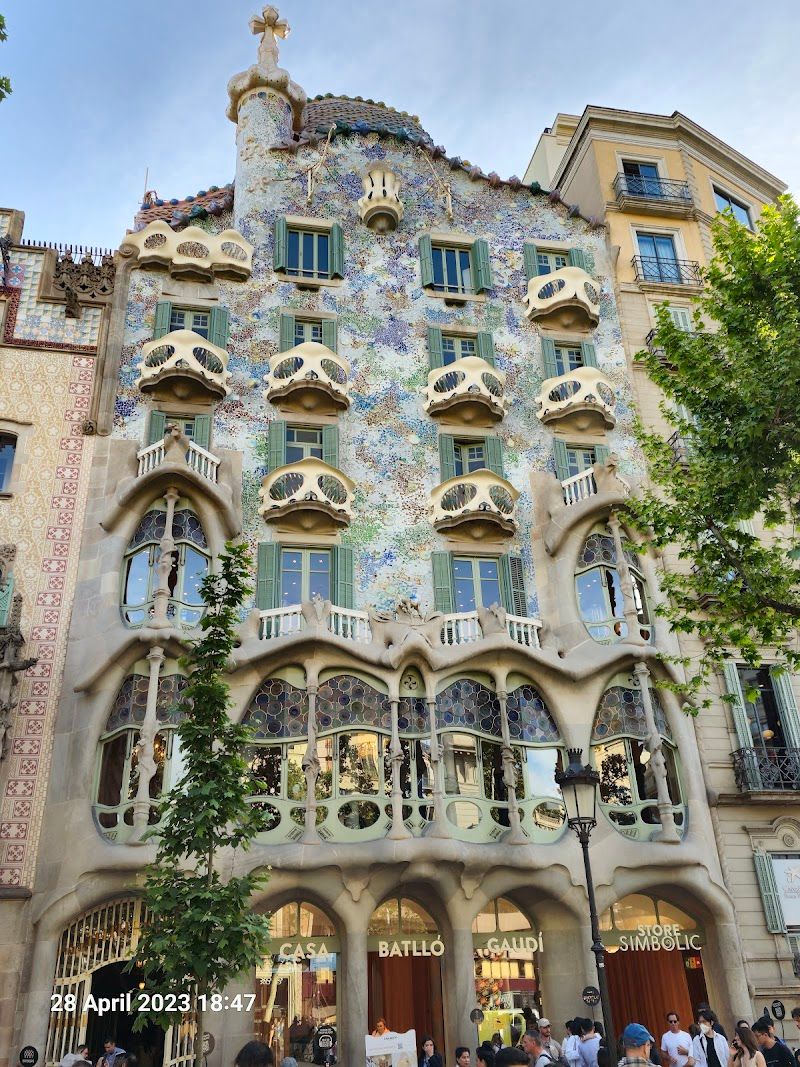
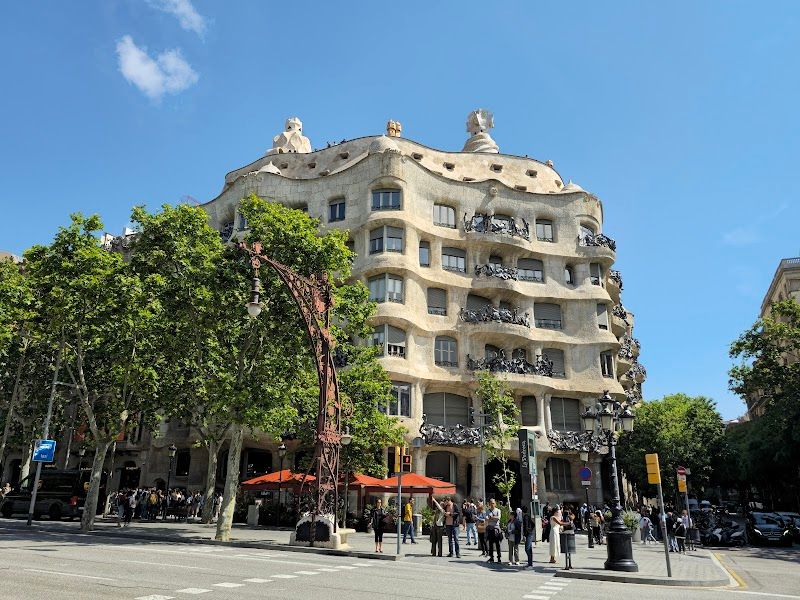
The main safety consideration in Eixample is the heavy tourist presence around major attractions. Casa Batllo and La Pedrera draw crowds that pickpockets target. Stay alert in these areas, particularly during peak visiting hours (10 AM - 2 PM).
El Born and La Ribera: Local Life After Dark
El Born feels safer than the adjacent Gothic Quarter because it maintains stronger local nightlife. While tourists eat dinner at 7 PM, locals fill the neighborhood's bars and restaurants from 9 PM onward, creating natural security through activity.
The neighborhood around Picasso Museum stays busy until late, particularly on weekends. Carrer del Born and surrounding streets have excellent restaurant density, which means consistent foot traffic.
El Born's medieval street layout can be confusing, but the neighborhood is small enough that you're never more than a 5-minute walk from a main street. Unlike the Gothic Quarter, most streets have adequate lighting after dark.
Gothic Quarter: Beautiful but Requires Awareness
The Gothic Quarter presents Barcelona's classic safety paradox - it's simultaneously the most atmospheric neighborhood and the one requiring the most caution. The medieval streets that make it photogenic also create blind corners and narrow passages.
During daylight hours, the Gothic Quarter is perfectly safe. Heavy tourist traffic around Barcelona Cathedral and Las Ramblas creates natural security. The challenge comes after dark when tourist numbers drop but pickpocket activity continues.
If you choose to stay in the Gothic Quarter, avoid the areas immediately around Las Ramblas after midnight. The streets between the cathedral and Via Laietana (closer to El Born) maintain better lighting and more activity.
Barcelona Neighborhoods Near Attractions: Minimizing Travel Time
Barcelona's main attractions cluster in specific areas, making neighborhood choice critical for minimizing commute time. The barcelona neighborhoods near attractions let you walk to major sights instead of planning metro routes.
Gothic Quarter: Medieval Barcelona at Your Doorstep
Staying in the Gothic Quarter puts you within walking distance of Barcelona's medieval core. Barcelona Cathedral anchors the neighborhood - you can visit during free worship hours (8 AM - 12:30 PM, 5:15 PM - 7:30 PM) or pay EUR 9 for the tourist entry.
The Palau Guell, one of Gaudi's earlier works, sits on Carrer Nou de la Rambla just south of the Gothic Quarter. This proximity advantage extends to the Jamboree Jazz Club for nighttime entertainment.
Las Ramblas runs along the Gothic Quarter's western edge, connecting you to La Boqueria market. Market entry is free, though fresh juices cost EUR 3-5 and tapas plates run EUR 5-12.
The major limitation is distance from Gaudi's architectural sites. Reaching Sagrada Familia requires a 15-minute metro ride on Line 4 to Girona station. Park Guell takes 25 minutes via metro to Lesseps station plus a 10-minute uphill walk.
Eixample: Gaudi's Architectural Showcase
For visitors prioritizing Gaudi's architecture, Eixample provides unmatched access. Sagrada Familia sits in Eixample's eastern section, while Casa Batllo and La Pedrera line Passeig de Gracia in the neighborhood's heart.
This concentration lets you visit multiple Gaudi sites on foot. Casa Batllo entry costs EUR 35 for the standard experience, while La Pedrera costs EUR 28 for daytime visits. The EUR 7 savings from walking instead of taking taxis between sites adds up quickly.
Eixample also provides easy metro access to other attractions. The Gothic Quarter is 10 minutes away via Line 1 from Catalunya station. Park Guell takes 15 minutes on Line 3 to Lesseps.
The neighborhood's limitation is distance from the beach. Reaching Barceloneta requires a 20-minute metro ride on Line 4 to Barceloneta station.
El Born: Museums and Medieval Charm
El Born combines proximity to major museums with atmospheric medieval streets. The Picasso Museum sits in the neighborhood's heart, with EUR 12 entry for the permanent collection. Free entry on first Sundays and Thursday evenings (4-7 PM) makes timing your visit worthwhile.
Parc de la Ciutadella forms El Born's eastern boundary. This 70-acre park provides green space and houses the Catalan Parliament building. The park connects El Born to the beach neighborhoods via a pleasant 15-minute walk.
El Born's restaurant scene centers on authentic tapas bars like El Xampanyet, where EUR 3-8 tapas and cava create the quintessential Barcelona experience. The neighborhood's bar density means you can easily bar-hop without traveling.
The downside is limited accommodation options compared to Gothic Quarter or Eixample. El Born has fewer hotels but offers character-rich boutique properties in converted medieval buildings.
Budget-Friendly Barcelona Neighborhoods: Value Without Compromising Location
Barcelona's accommodation costs vary dramatically by neighborhood. Smart travelers can save 30-40% on lodging by choosing areas with excellent metro connections to central attractions.
Poble Sec: Food Scene at Half the Price
Poble Sec sits between Montjuic hill and the city center, offering some of Barcelona's best value accommodations. Hostel beds cost EUR 20-40, while budget hotels run EUR 65-110 - both significantly cheaper than Gothic Quarter equivalents.
The neighborhood's secret weapon is its restaurant scene. Carrer de Blai has become Barcelona's unofficial tapas crawl street, with bars serving EUR 3-5 tapas and EUR 2.50-4 beers. Quimet & Quimet, a standing-room-only tapas bar, exemplifies the area's approach - exceptional food without the tourist markup.
Metro access via Line 2 (Poble Sec station) or Line 3 (Paral·lel station) connects you to central Barcelona in 10 minutes. The uphill walk to accommodations near Montjuic provides exercise but may challenge travelers with heavy luggage.
People Sec also provides easy access to Montjuic attractions. The Museu Nacional d'Art de Catalunya costs EUR 12 with free entry Saturday afternoons and first Sundays.
El Raval: Artistic Edge with Real Savings
El Raval has transformed from Barcelona's red-light district into an artistic neighborhood with genuine character. Accommodation prices run 20-30% below Gothic Quarter rates while maintaining walking distance to major attractions.
The neighborhood's artistic credentials center on MACBA (Museum of Contemporary Art), which charges EUR 11 entry with free access Saturday evenings (4-8 PM). The museum and surrounding streets attract young locals and artists, creating a genuine neighborhood feel.
El Raval's food scene focuses on authentic ethnic restaurants rather than tourist-oriented tapas bars. Menu del dia lunches cost EUR 12-18 at neighborhood restaurants that cater to local workers rather than visitors.
Safety in El Raval requires basic urban awareness. Stick to well-lit main streets like Carrer del Carmen and Carrer de la Riera Baixa after dark. The area around MACBA maintains good activity levels and natural surveillance.
Gracia: Local Life Beyond the Tourist Zones
While Gracia isn't the cheapest Barcelona neighborhood, it offers excellent value for travelers who prioritize authentic local experience over proximity to major sights.
Accommodation in Gracia tends toward apartment rentals rather than hotels. These provide kitchen access and often cost less per night than central hotel rooms when traveling in groups. EUR 80-120 per night for a two-bedroom apartment beats EUR 110-200 per person for central hotel rooms.
The neighborhood's squares host evening life that revolves around locals rather than tourists. Beer costs EUR 2.50-4 at terraces around Plaza del Sol, compared to EUR 5-7 in touristy areas. Coffee runs EUR 1.50-3.50, with neighborhood bars charging at the lower end of that range.
Gracia's main limitation is metro commute time to central attractions. Reaching the Gothic Quarter takes 20 minutes on Line 3, while getting to Barceloneta requires a transfer and 35 minutes total travel time.
Barcelona Accommodation Areas: Matching Neighborhood Character to Travel Style
Each Barcelona neighborhood attracts different types of travelers and offers distinct accommodation experiences. Understanding these patterns helps you choose areas that match your travel priorities.
Barceloneta: Beach Access with Limited Options
Barceloneta offers Barcelona's only beachside accommodations, but hotel options are limited. The triangular neighborhood between the city and sea houses mostly restaurants and bars rather than tourist accommodations.
The few hotels that exist command premium prices - EUR 180-320 for properties with sea views. The famous W Barcelona tower reaches EUR 300-800 depending on season and room type. These prices reflect the unique beach location rather than luxury amenities.
Barceloneta works best for travelers who prioritize beach access over accommodation variety. Platja de la Barceloneta stretches for nearly 2 kilometers of Mediterranean coastline. The beach gets crowded during summer but provides genuine swimming opportunities.
Restaurant options focus heavily on seafood. La Cova Fumada serves traditional bombas (potato croquettes with spicy sauce) that locals queue for. Dinner costs EUR 25-45 per person with wine at neighborhood restaurants.
The major downside is limited metro access. Only Line 4 serves Barceloneta station, creating bottlenecks during rush hours. Reaching Sagrada Familia requires 25 minutes including a transfer at Urquinaona station.
Montjuic: Cultural Hill with Few Hotels
Montjuic functions more as a cultural destination than residential neighborhood. The 173-meter hill houses major museums but offers limited accommodation options.
Most travelers visit Montjuic for day trips to attractions like the Museu Nacional d'Art de Catalunya or Olympic installations from 1992. The funicular railway (included in metro tickets) connects Montjuic to Paral·lel metro station in the city below.
The few hotels on Montjuic cater to business travelers visiting the trade fair grounds rather than tourists. These properties offer excellent city views but require metro trips for dining and entertainment options.
For most visitors, staying in nearby Poble Sec provides easy Montjuic access while maintaining restaurant and accommodation variety.
Poblenou: Design District with Character
Poblenou represents Barcelona's newest transformation - former industrial areas converted into design studios and creative spaces. The neighborhood offers a different Barcelona experience focused on contemporary culture rather than medieval charm.
Accommodations in Poblenou include converted warehouse spaces and modern apartment buildings. Prices run EUR 110-200 for mid-range options, comparable to Eixample but with more contemporary design focus.
The Disseny Hub Barcelona anchors the neighborhood's cultural offerings. Restaurant options like Can Recasens serve modern Catalan cuisine in converted industrial spaces.
Poblenou works well for return visitors who want to experience Barcelona's contemporary side. First-time visitors might find it lacks the architectural and historical attractions that define Barcelona's appeal.
Transport connections via Line 1 metro provide direct access to central Barcelona, though journey times run 20-25 minutes to Gothic Quarter destinations.
Where to Base Yourself: Final Recommendations by Travel Type
Choosing where to base yourself in Barcelona depends on balancing proximity to your priority attractions, accommodation budget, and preferred neighborhood character.
First-time visitors should choose Eixample for easy access to Gaudi's architecture and efficient metro connections to other attractions. The wide streets and clear navigation make orientation simple when you're learning the city.
Families with children benefit most from Eixample's space and safety, though Gracia offers better value for apartment rentals and more local character.
Food-focused travelers should base themselves in El Born for tapas bar density or Poble Sec for excellent restaurants without tourist markups.
Budget travelers get the best value in Poble Sec or El Raval, both offering significant accommodation savings with good metro connections.
Beach lovers have limited options but should consider accommodations near Barceloneta with metro access rather than the few expensive beachside hotels.
Culture enthusiasts should choose El Born for museum proximity or Gothic Quarter for medieval atmosphere, depending on whether you prioritize art or architecture.
The key insight is that Barcelona's efficient metro system means no neighborhood choice completely cuts you off from attractions. A T-casual 10-trip card at EUR 13 makes exploring multiple areas affordable, so prioritize the neighborhood character that matches your travel style over trying to minimize all travel time.
For comprehensive planning beyond accommodation, check our guides on where to eat in Barcelona and first-time visitor essentials to make the most of your chosen neighborhood base.