Planning your Lisbon budget per day means understanding that Portugal's capital rewards budget-conscious travelers more than almost any Western European city. While London or Paris can drain your account before lunch, Lisbon lets you eat exceptional meals for under EUR 15, drink excellent wine for EUR 3, and explore most neighborhoods on foot.
The reality is that your daily budget in Lisbon can range from EUR 30 for hardcore backpackers to EUR 200 for luxury travelers, but the sweet spot sits around EUR 60-80 where you eat well, stay comfortable, and see everything without feeling restricted. The city's compact size, excellent public transport, and abundance of free viewpoints mean your money stretches further than in most European capitals.
Budget Backpacker: EUR 30-45 Per Day
The absolute minimum Lisbon budget per day starts at EUR 30, but this requires discipline and strategic choices. You'll sleep in hostel dorms, cook most meals, and walk everywhere possible.
Accommodation: EUR 18-25
Hostel dorm beds range from EUR 18-35 depending on season and location. The cheapest beds are in Mouraria and Intendente, where gentrification hasn't fully arrived. Hostels in Chiado and Bairro Alto cost EUR 25-35 but put you in the nightlife center.
Book dorms with at least 8 beds to get the lowest rates. Private hostel rooms cost EUR 45-60, which breaks the backpacker budget but might be worth it if you're traveling as a couple.
Food: EUR 8-15
This budget requires cooking breakfast and lunch, then eating one proper meal out. Hostel kitchens are your friend. Grocery costs run around EUR 20-25 for three days of basic ingredients at Continente or Pingo Doce supermarkets.
Your one restaurant meal should be lunch at a neighborhood tasca, where daily menus cost EUR 8-15 and include soup, main course, and drink. Try Santos and Madragoa for authentic spots like Tasca Real or O Prado.
Coffee costs EUR 0.8-1.5 standing at the bar - never sit at tables if you're budget-watching. A bifana costs EUR 2.5-4 and makes an excellent cheap dinner when paired with a beer.
Transport: EUR 3-6
Walking is free and Lisbon rewards pedestrians with constant discoveries. Budget one metro or tram ride daily at EUR 1.5 per ticket. The city center is entirely walkable, though your calves will protest by day two thanks to those seven hills.
Skip the tourist trams (Tram 28 is overrated anyway) and use regular city transport. The AeroBus from the airport costs EUR 2, much cheaper than taxis at EUR 12-20.
Attractions: EUR 0-5
This budget means choosing free attractions and one paid visit daily. All viewpoints in Lisbon are free, including Miradouro da Senhora do Monte and Miradouro da Graça.
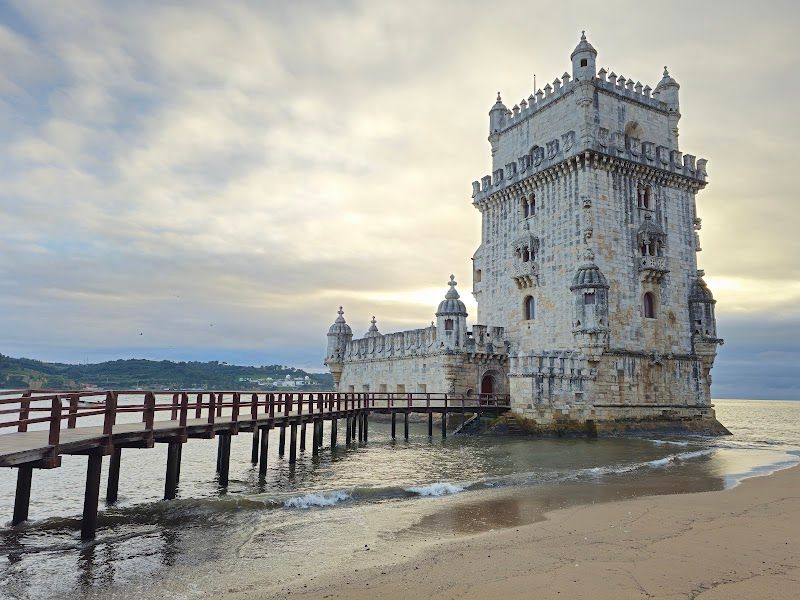
Exploring Alfama costs nothing and provides better cultural immersion than most museums. When you do pay for attractions, choose wisely: Belém Tower costs EUR 6 and National Tile Museum costs EUR 5.
Mid-Range Comfort: EUR 60-90 Per Day
This is where Lisbon becomes genuinely enjoyable rather than just survivable. You'll stay in proper hotels, eat at good restaurants twice daily, and see major attractions without stress.
Accommodation: EUR 45-90
Budget hotels cost EUR 45-80 for double rooms, while mid-range properties run EUR 90-160. The difference is significant - budget places offer clean beds but little else, while mid-range hotels provide air conditioning, decent bathrooms, and often rooftop terraces.
Stay in Baixa and Rossio for central location and metro connections. Príncipe Real offers boutique options at the higher end of this range.
Food: EUR 25-40
This budget allows proper restaurant meals twice daily. Lunch menus at decent restaurants cost EUR 12-18, while dinner with wine runs EUR 25-45. You're eating well - fresh seafood, proper Portuguese wine, and restaurants locals actually use.
Try neighborhood gems like A Tabacaria do Real in Príncipe Real for excellent lunch deals, or Pharmacia in Chiado for creative Portuguese cuisine. House wine costs EUR 2-6 per glass, and Portuguese wine punches well above its price point.
Don't skip Pastéis de Belém - pastéis de nata cost EUR 1.2-1.8 and this is where they were invented.
Transport: EUR 6-12
The 24-hour Lisboa Card costs EUR 22 and includes transport plus free entry to 39+ attractions. If you're seeing multiple paid sites, this pays for itself. Otherwise, budget EUR 6-12 daily for metro, trams, and the occasional taxi.
Tram 28 is touristy but worth riding once for the route through Graca, Alfama, and Baixa. Board early morning to avoid crowds.
Attractions: EUR 15-25
This budget covers 2-3 paid attractions daily. São Jorge Castle costs EUR 10, Jerónimos Monastery costs EUR 10, and the Gulbenkian Museum costs EUR 10. Plan your visits around free days - many museums offer free entry Sunday mornings.
The 72-hour Lisboa Card costs EUR 42 and makes sense if you're attraction-heavy for three days. Otherwise, pay per visit and balance expensive sites with free neighborhoods.
Luxury Experience: EUR 150-250 Per Day
Luxury in Lisbon means boutique hotels, Michelin-recommended restaurants, private tours, and never checking prices. The city's relatively low costs mean luxury feels more accessible than in other European capitals.
Accommodation: EUR 120-300
Boutique hotels cost EUR 120-250, while true luxury properties run EUR 200-500. The difference is substantial - boutique places offer design and charm, luxury hotels provide full service and amenities.
Consider Memmo Alfama for Tagus views, or The Lumiares Hotel & Spa for full luxury in Bairro Alto. Location matters less at this budget since you'll taxi freely.
Food: EUR 60-120
This opens Lisbon's best restaurants without reservation stress. Fine dining costs EUR 60-120 per person with wine, but Portuguese cuisine at this level competes with anywhere in Europe. Book Feitoria (Michelin star), Epur, or Loco for exceptional experiences.
Lunch at mid-range places like Taberna Real or Pharmacia runs EUR 25-35, leaving room for wine bars and late-night spots. Portuguese wine at this level - think Douro reds or Vinho Verde - costs EUR 8-15 per glass.
Transport: EUR 20-40
Uber and taxis become your primary transport at EUR 8-15 per city center ride. Day trips to Sintra via private driver cost around EUR 150-200 but eliminate train transfers and crowds.
The airport taxi costs EUR 12-20, but private transfer services charge EUR 30-40 for better comfort and service.
Attractions: EUR 30-60
Private guided tours, skip-the-line access, and wine tastings define this budget level. A private Sintra day trip with driver and guide costs EUR 200-300 but covers Pena Palace (EUR 14), Quinta da Regaleira (EUR 12), and transport seamlessly.
Wine tastings in Lisbon cost EUR 25-45, while private food tours run EUR 80-120 per person.
How Much Does Lisbon Cost Compared to Other European Cities
Lisbon budget per day calculations become clearer with context. A mid-range day in Lisbon (EUR 75) costs what a budget day in London (£65-75) or Paris (EUR 80-90) demands.
Restaurant comparison: A good dinner with wine costs EUR 30-40 in Lisbon versus EUR 50-70 in Barcelona or EUR 60-80 in Amsterdam. Portuguese wine quality at EUR 15-20 per bottle matches French wines costing EUR 30-40.
Accommodation comparison: Mid-range hotels in Lisbon (EUR 90-140) offer similar quality to budget options in Rome or Prague. Luxury properties cost 30-40% less than equivalent hotels in major European capitals.
Transport comparison: Lisbon's EUR 1.5 metro tickets beat most European cities. Berlin charges EUR 3.10, London charges £3.30, and Paris charges EUR 2.15 for similar distances.
Seasonal Budget Variations
Your Lisbon budget per day fluctuates significantly by season, with July-August commanding premium prices while November-February offers substantial savings.
Summer (June-August): Accommodation costs peak, with mid-range hotels reaching EUR 140-180. Restaurant reservations become essential, and attractions like Belém Tower face longer queues. Budget 20-30% above shoulder season costs.
Shoulder seasons (April-May, September-October): Ideal balance of weather and pricing. Hotel rates drop 15-25% from summer peaks, restaurant availability improves, and attraction queues remain manageable.
Winter (November-March): Accommodation costs drop 30-40%, with excellent mid-range hotels available for EUR 60-90. Restaurants offer better availability and some seasonal menu specials. Weather remains mild but wetter.
Christmas and New Year: Prices spike briefly to summer levels, but January-February offer the year's best deals on everything except flights.
Money-Saving Strategies That Actually Work
Reddit discussions about Lisbon budget travel often focus on extreme penny-pinching, but smart strategies maximize value without sacrificing experience.
Lunch over dinner: Portuguese business lunches offer exceptional value. The same restaurant charging EUR 35 for dinner serves similar quality for EUR 15 at lunch. Book lunch at expensive places, dinner at neighborhood spots.
Drink like locals: Order imperial (small beer) for EUR 1.5-3.5 instead of pints. Portuguese wine by the glass costs EUR 2-6 at neighborhood bars - much better value than cocktails at EUR 8-12.
Museum strategy: Many museums offer free entry Sunday mornings until 2pm for Portuguese residents - some extend this to all visitors. The Nacional Museum of Ancient Art and Gulbenkian Museum both participate.
Transport timing: Buy the 7-day Navegante pass for EUR 40 if staying longer than 4 days and using transport twice daily. Single tickets at EUR 1.5 add up quickly.
Neighborhood selection: Stay in Santos or Graça for 20-30% lower accommodation costs with easy access to central areas.
Is Lisbon Expensive to Visit in 2024?
Compared to Western European standards, Lisbon remains excellent value. Your Lisbon budget per day of EUR 75 buys experiences requiring EUR 100-120 in comparable cities.
The city's compact size reduces transport costs, excellent public systems keep taxi needs minimal, and neighborhood restaurants deliver quality that would cost double elsewhere. Wine costs 40-50% less than France or Italy for comparable quality.
Inflation has affected Portugal, but Lisbon's tourism infrastructure expanded faster than prices increased. More mid-range options exist now, preventing the budget traveler versus luxury gap common in other capitals.
Budget pressure points: Accommodation during summer festivals, restaurants in tourist zones like Rossio Square, and airport transfers during peak hours. Value opportunities: Neighborhood restaurants, public transport, free attractions, and wine purchases.
For comprehensive neighborhood-specific dining recommendations that fit every budget level, consult our detailed guide on where to eat in Lisbon. For travelers prioritizing maximum savings, our budget travel guide provides additional strategies for visiting Lisbon under EUR 50 daily.
The verdict: Lisbon rewards travelers who appreciate quality over quantity, offering genuine cultural experiences at prices that don't require financial recovery time.